
Landscape with Fisherman — History & Facts
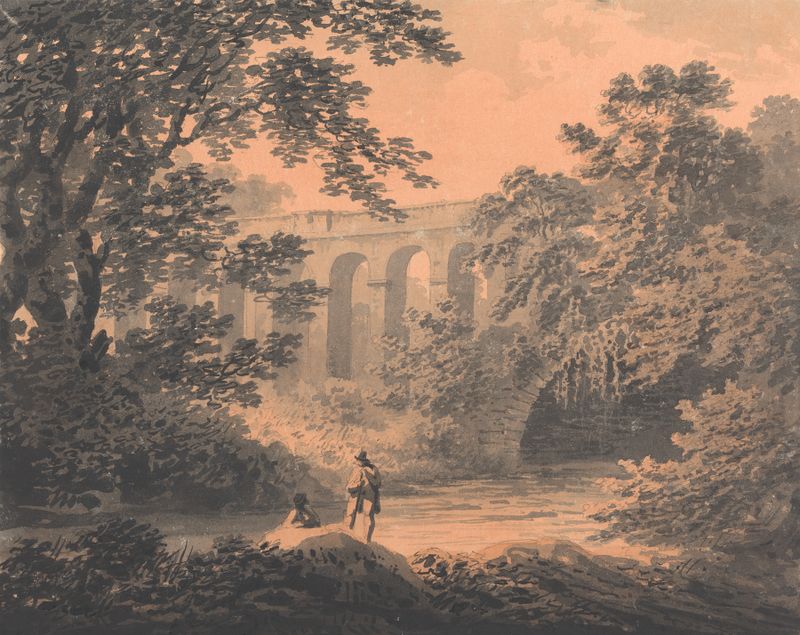
In the stillness of a landscape, a quiet awakening unfolds, hinting at the profound connection between nature and the human spirit. Look to the center of the canvas where a solitary fisherman stands, his figure both anchored and adrift amidst rolling hills and shimmering waters. The painter’s deft hand captures the gentle ripples of the river, reflecting the soft hues of a twilight sky, imbued with warmth and serenity. Focus on the delicate brushwork, where greens and blues intertwine, creating a harmonious blend that invites the viewer to breathe in the scene's tranquility. The juxtaposition of the fisherman against the vastness of the landscape speaks to themes of solitude and introspection.
Here, the man appears both empowered and vulnerable, as if engaged in a timeless dance between human ambition and the natural world. The interplay of light and shadow reveals the transient nature of life, while the gentle curvature of the hills cradles the figure, suggesting a profound bond with the earth. During the period between 1762 and 1783, the artist created this piece in England, a time marked by a burgeoning interest in the picturesque and the sublime. As part of the burgeoning Romantic movement, he sought to capture not just the visual beauty of landscapes but their emotional resonance, reflecting a world in transition, both socially and artistically.
More Artworks by William Gilpin
Browse all →
Bridgnorth Bridge, Shropshire
William Gilpin
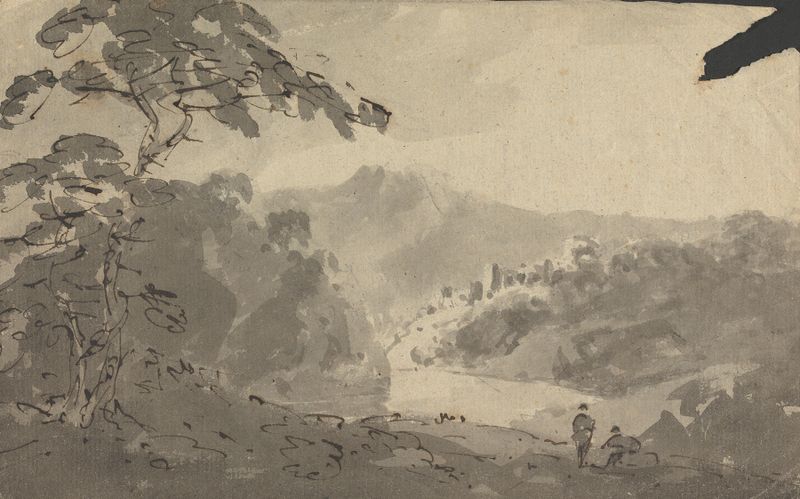
Two Men Looking Into Landscape with Castle, River and Mountain Scene
William Gilpin
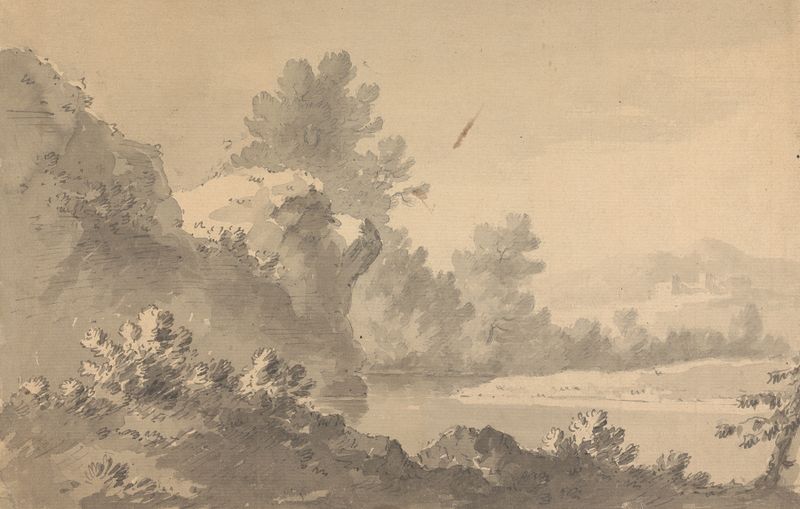
River Landscape with Castle in the Distance
William Gilpin
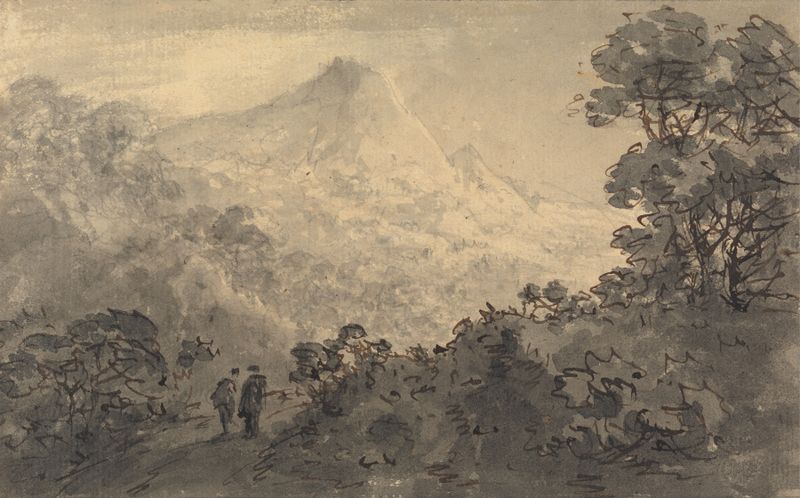
Snowdon
William Gilpin

Hilly Landscape
William Gilpin
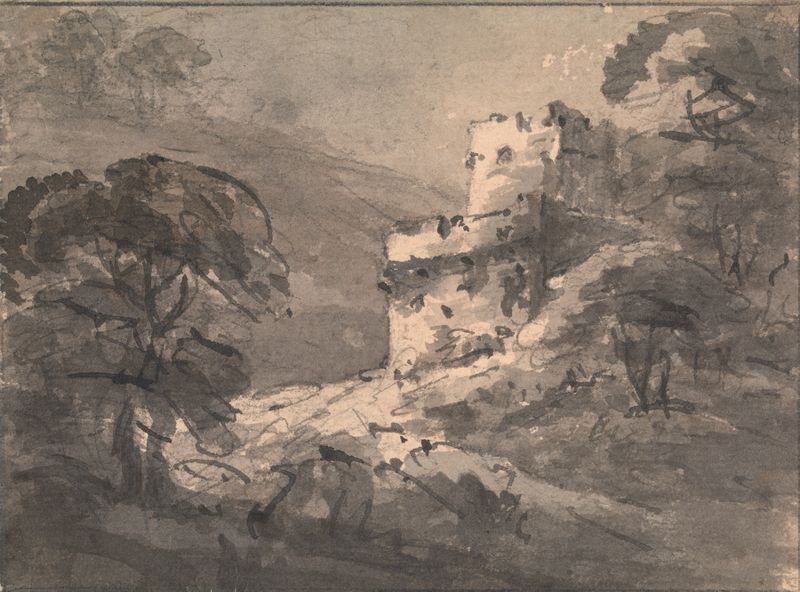
Landscape with a Ruined Castle on the Right
William Gilpin

Mountainous Landscape with Trees – High Crags to the Right
William Gilpin

View of Castle Ruin
William Gilpin
Bridge on the Malton Road from York
William Gilpin

Landscape with Two Trees and Castle
William Gilpin





