
Landscape with Hill, Lake and Figures — History & Facts
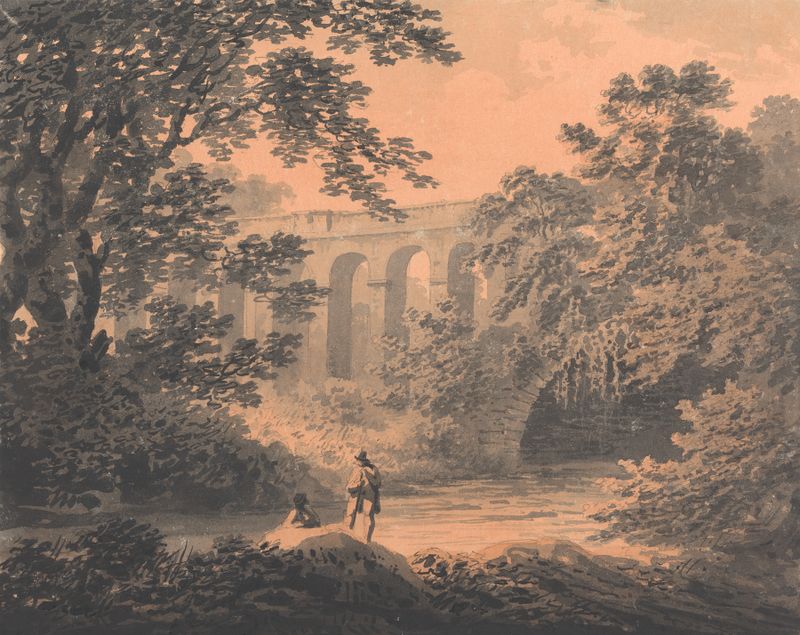
Could beauty survive in a century of chaos? The question lingers in the air as we gaze upon serene landscapes, often untouched by turmoil, yet infused with the echoes of longing. Look to the center of the canvas, where a gentle hill rises gracefully, blanketed in lush greens and dotted with figures who appear lost in their own reverie. The lake, a mirror-like surface, reflects the tranquil hues of the sky, creating a harmony that invites the viewer to linger. Notice how the soft brushstrokes and earthy palette meld together, drawing you into this idyllic moment, a testament to nature’s enduring allure. Beneath the surface lies a contrast of emotions; the figures, though seemingly peaceful, evoke a sense of solitude amidst the vastness of nature.
Their presence speaks to the human desire for connection, yet they remain subtly distanced from one another, suggesting an innate yearning for companionship or understanding that transcends the picturesque setting. The rolling hills and calm waters stand as a backdrop for this tension, reminding us that beauty can coexist with longing and introspection. In 1772, while residing in England, the artist created this piece during a time when the Romantic movement was beginning to take shape. Gilpin, known for pioneering picturesque landscape theory, sought to capture the sublime aspects of nature while reflecting the emotional depth of human experience.
This work exemplifies his commitment to merging the external beauty of the landscape with internal human sentiments, creating a dialogue between nature and the observer.
More Artworks by William Gilpin
Browse all →
Bridgnorth Bridge, Shropshire
William Gilpin
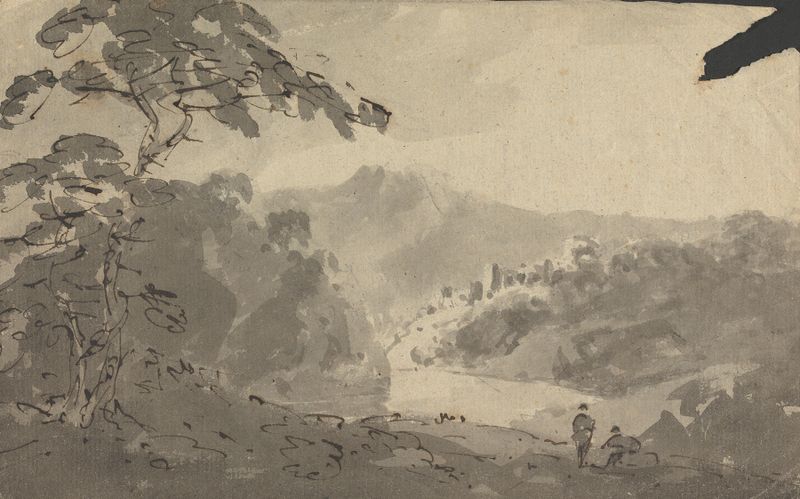
Two Men Looking Into Landscape with Castle, River and Mountain Scene
William Gilpin
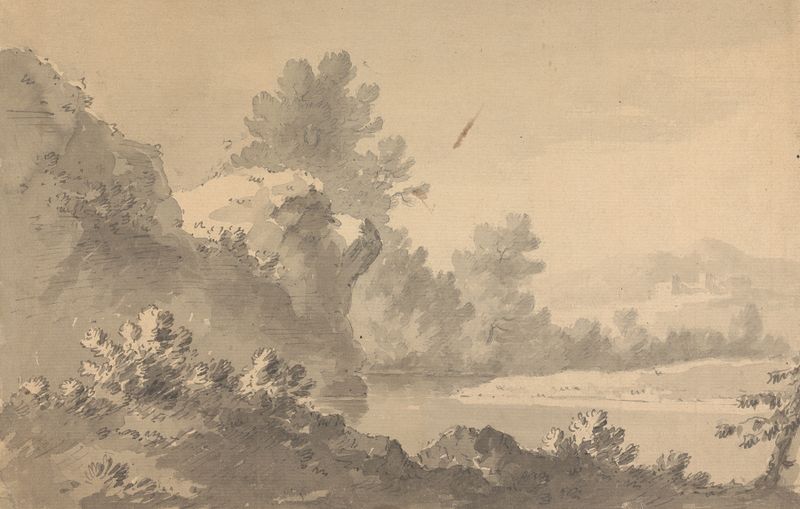
River Landscape with Castle in the Distance
William Gilpin
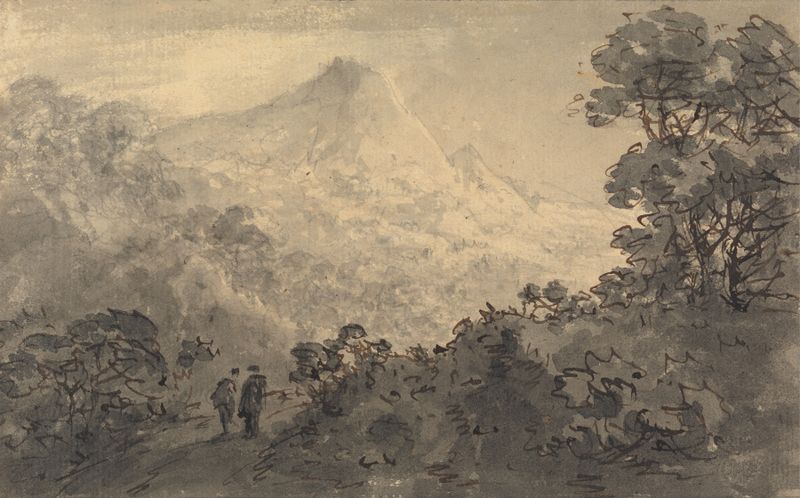
Snowdon
William Gilpin

Hilly Landscape
William Gilpin
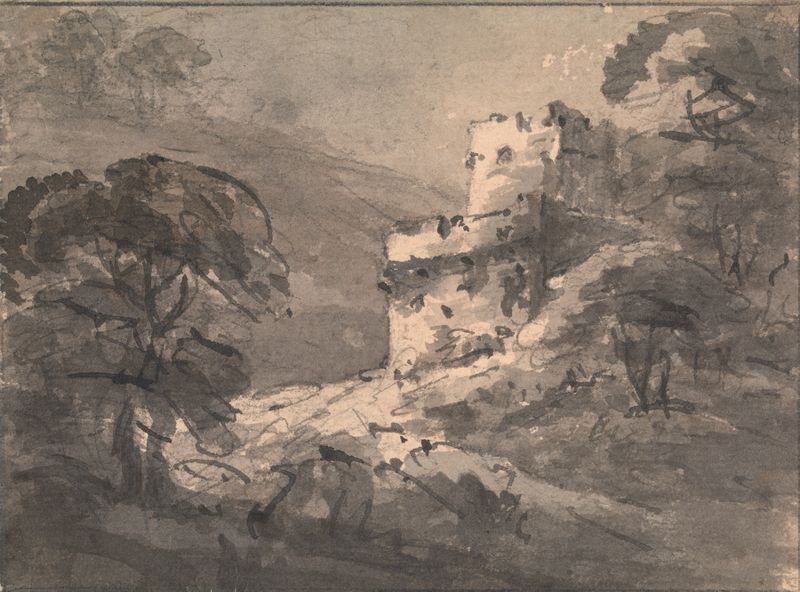
Landscape with a Ruined Castle on the Right
William Gilpin

Mountainous Landscape with Trees – High Crags to the Right
William Gilpin

View of Castle Ruin
William Gilpin
Bridge on the Malton Road from York
William Gilpin

Landscape with Two Trees and Castle
William Gilpin





