Landscape with House — History & Facts
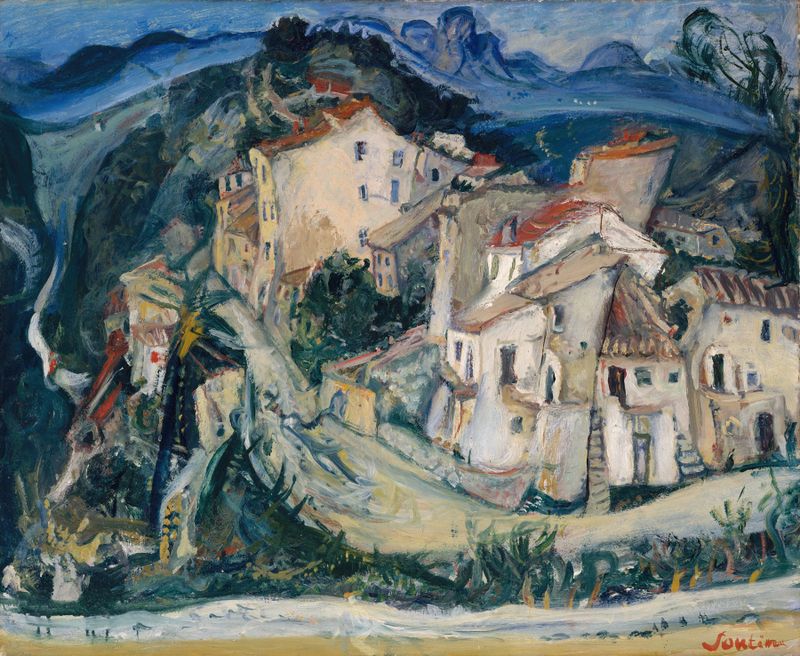
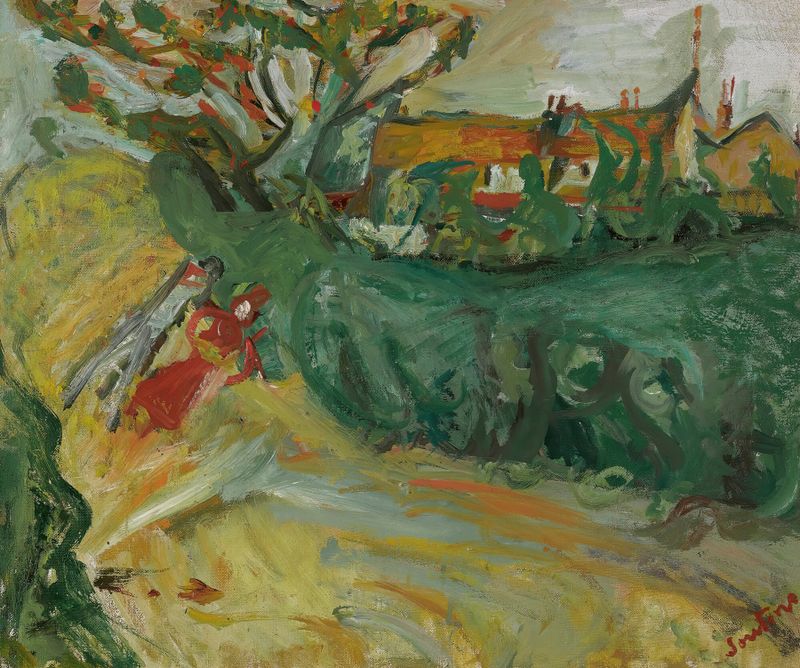
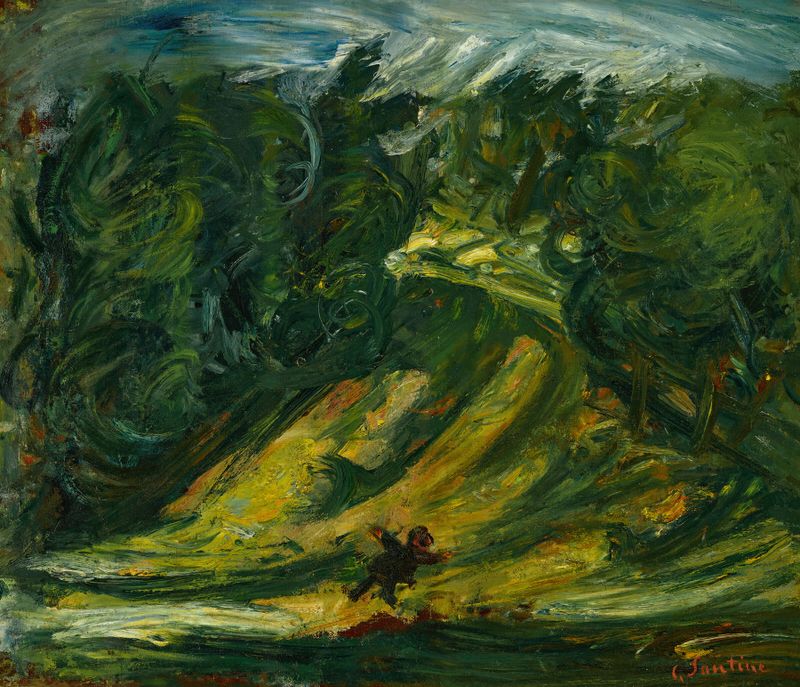
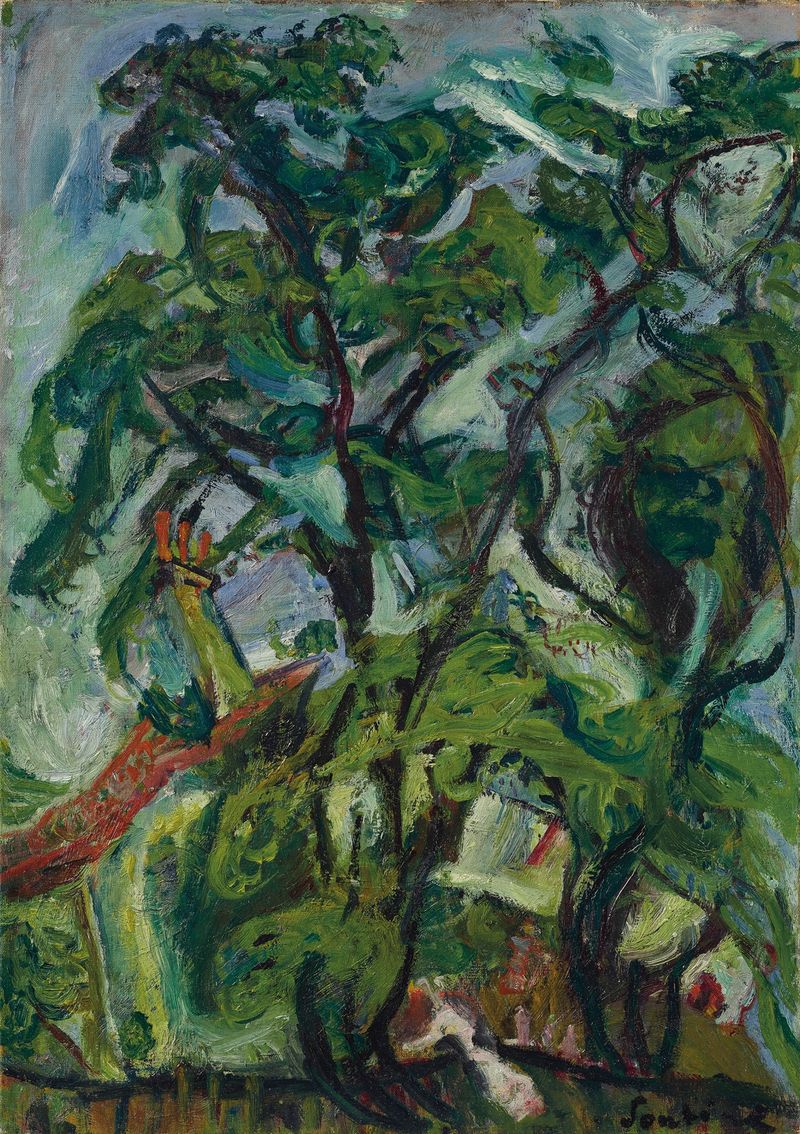
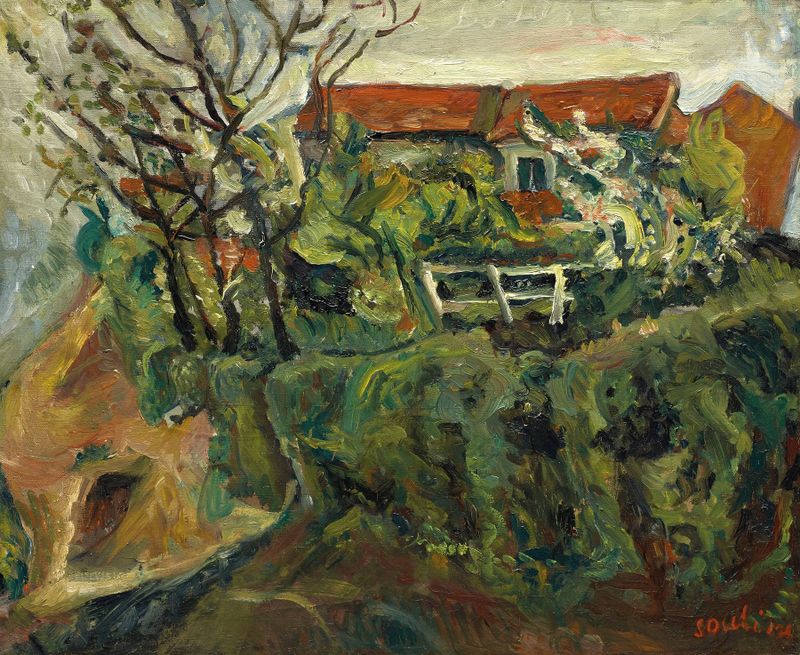
What if beauty was never meant to be finished? Instead, it exists in a state of perpetual longing, captured in swirling colors and fervent strokes that breathe life into the very canvas of existence. Look to the left at the vibrant greens and blues, where the landscape unfurls like a dream. Notice how the brushwork gives a sense of motion, as if the earth itself is undulating beneath a sky that shifts from golden to turbulent gray. The house, nestled amid the chaos of nature, appears almost transient, its form barely defined, yet exuding a presence that commands attention.
The interplay of light and shadow reveals not just a scene, but an emotional landscape filled with tension. Delve deeper into the contrasts within this work: the wild energy of the brushstrokes versus the stillness of the house, the warmth of the earth against the coolness of the sky. Each element seems to yearn for connection, echoing the inner turmoil of the artist. This sense of ecstasy lies in the disarray, where chaos and beauty coexist; the house becomes a metaphor for stability in an ever-changing world, a fleeting moment of peace amid tumult. In 1934, Soutine was living in the Montparnasse district of Paris, amidst a community of avant-garde artists.
This period marked a time of personal struggle for him, as he grappled with his identity and artistic vision, influenced by the burgeoning modernist movement. Landscape with House reflects both his internal conflicts and the broader shifts happening in art, capturing a moment in time where beauty transcends completion, forever lingering at the edge of ecstasy.