Promenade Auprès Du Village — History & Facts
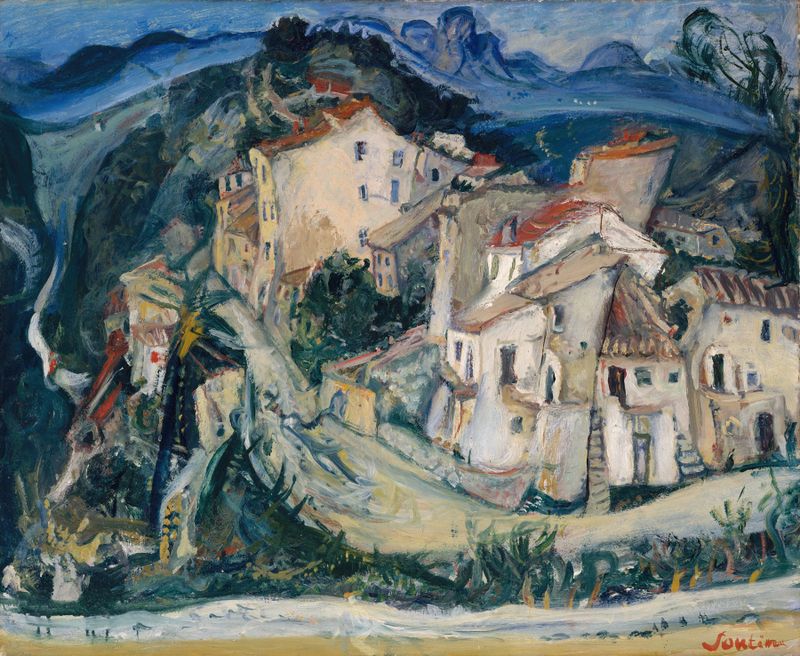
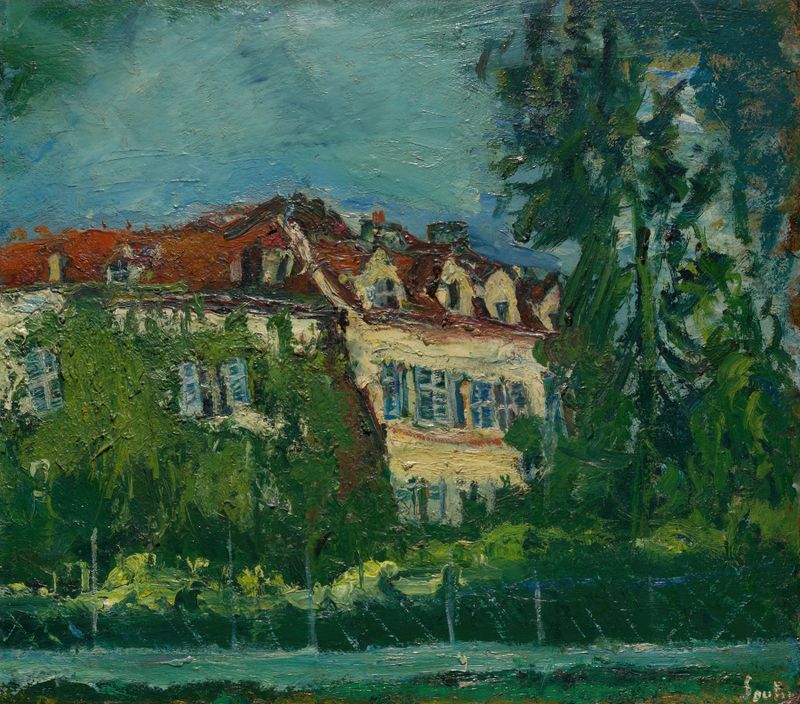
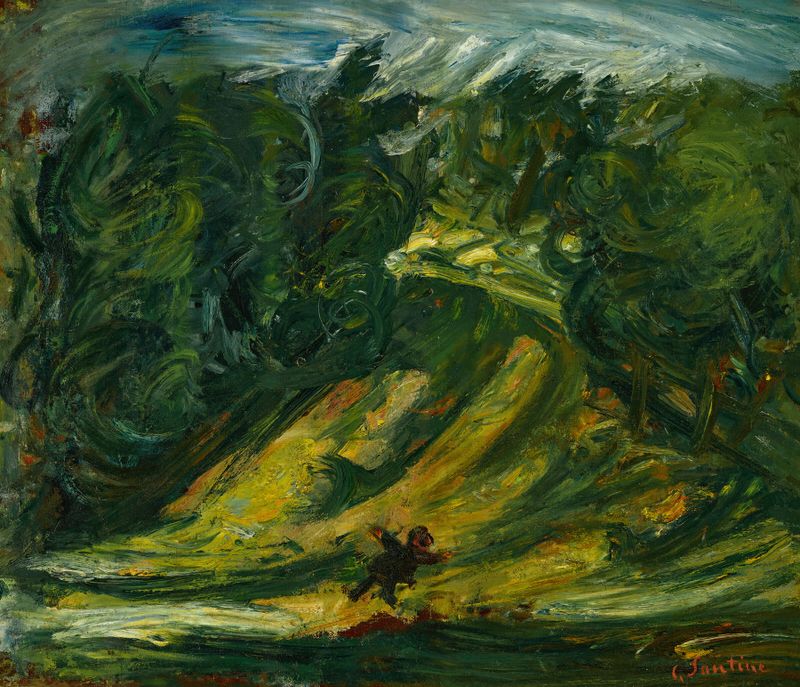
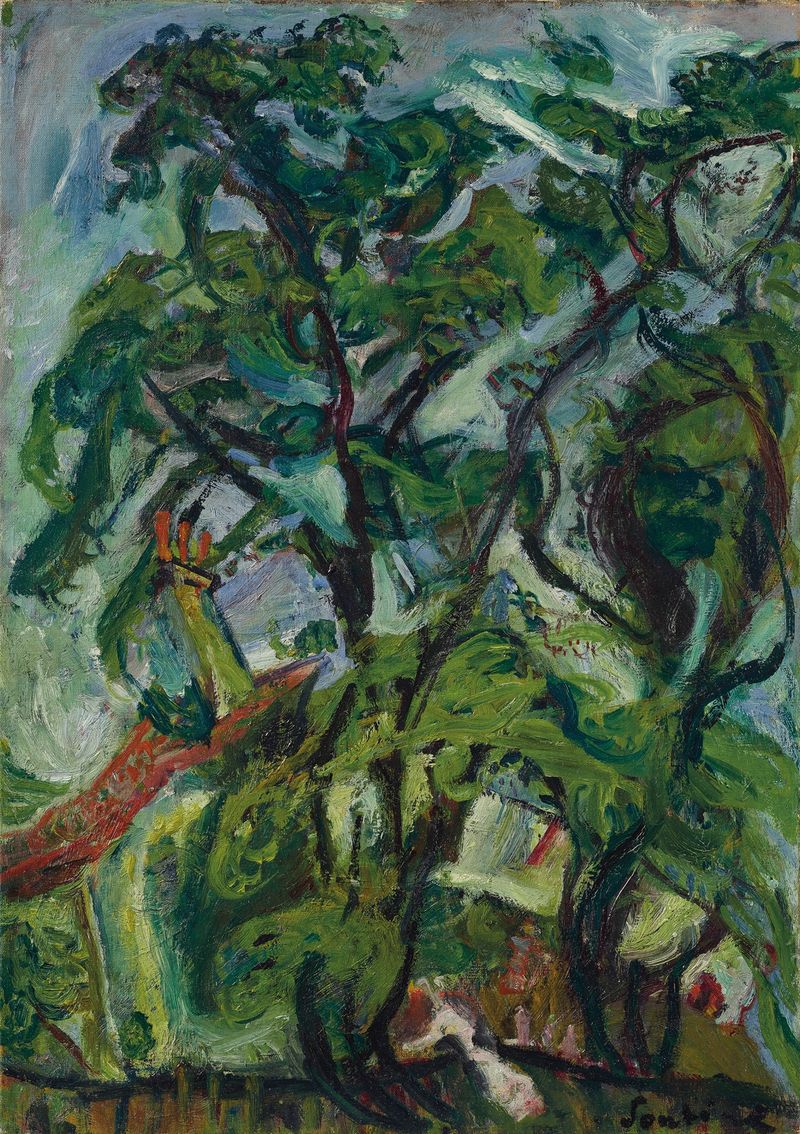
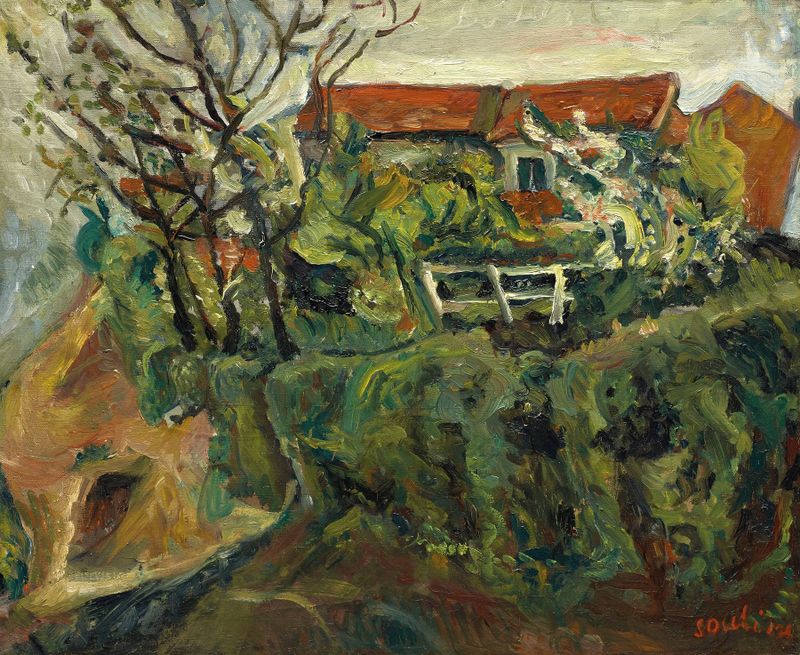
In the vibrant chaos of brushstrokes, a delicate balance emerges, where emotion and form intertwine seamlessly. Look to the center, where the figures of villagers meander through a landscape alive with color. The bold reds and deep blues collide, reflecting the tumult of human existence. Notice how the light plays across the scene, illuminating the faces in a moment of tranquil reflection, while the background pulses with an energetic vibrancy that hints at life beyond the frame.
The juxtaposition of the serene figures and the swirling, almost frenetic landscape evokes a sense of simultaneous connection and isolation. Amidst the vivid hues, one can discern a profound commentary on community and personal experience. The way the figures are nestled in the landscape suggests their inextricable link to the environment, yet the brushstrokes convey a tension that signifies their individual stories. Each stroke seems to whisper a narrative of longing, belonging, and the struggle to find balance between the external world and internal realities.
The overall composition reflects not just a place, but a moment in time where the weight of existence presses upon the heart. Painted between 1918 and 1919, this work emerged during a period of significant upheaval in Europe, following the devastation of the First World War. Chaïm Soutine, influenced by the Expressionist movement, was seeking to express the emotional undercurrents of life through his art. He lived in Paris at a time when artists were grappling with the complexities of modernity, and Promenade Auprès Du Village stands as a testament to his unique vision of blending human experience with the vibrancy of the world around him.