Paysage — History & Facts
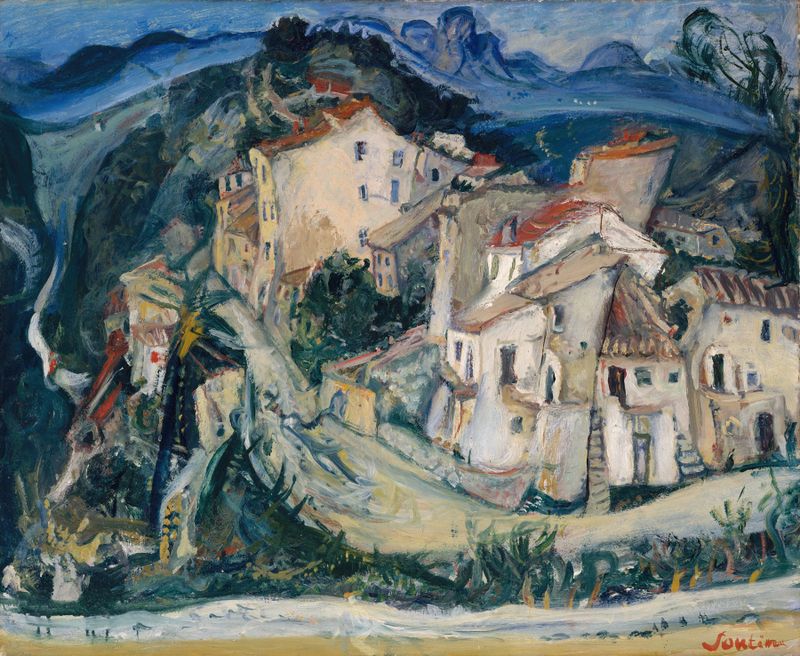
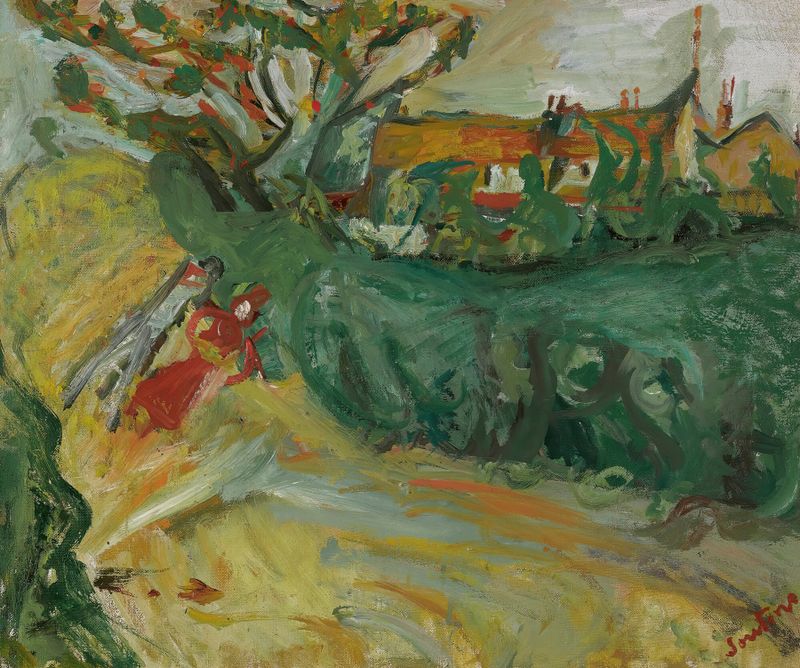
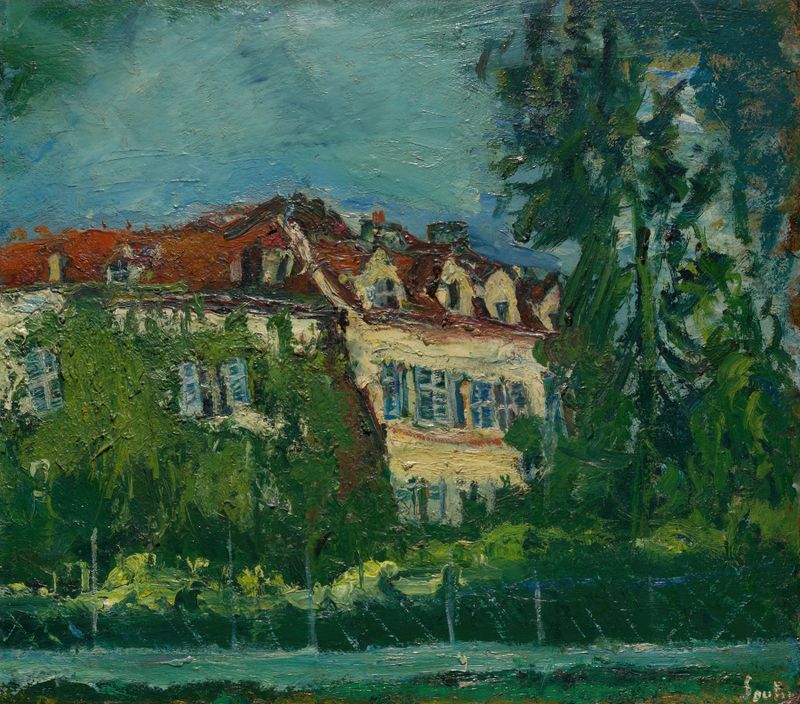
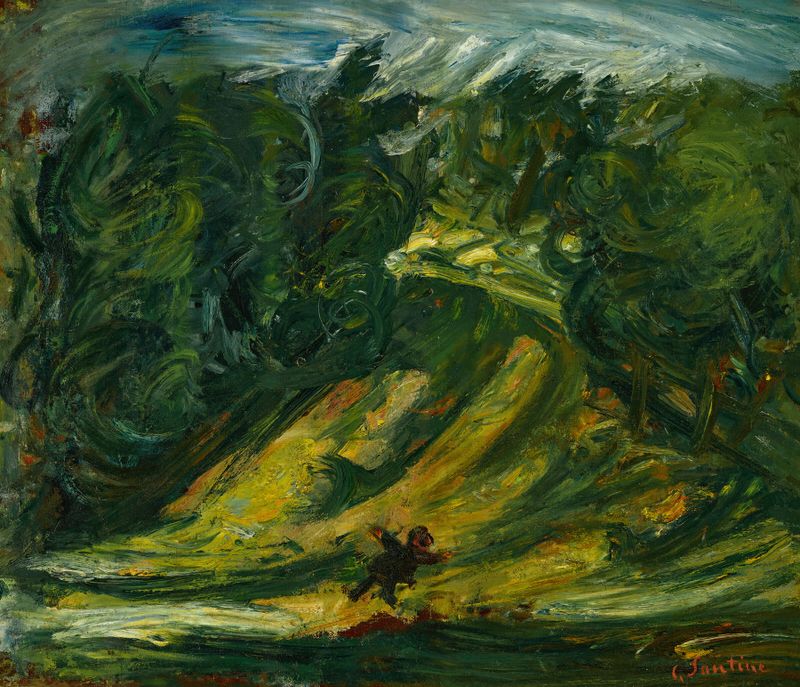
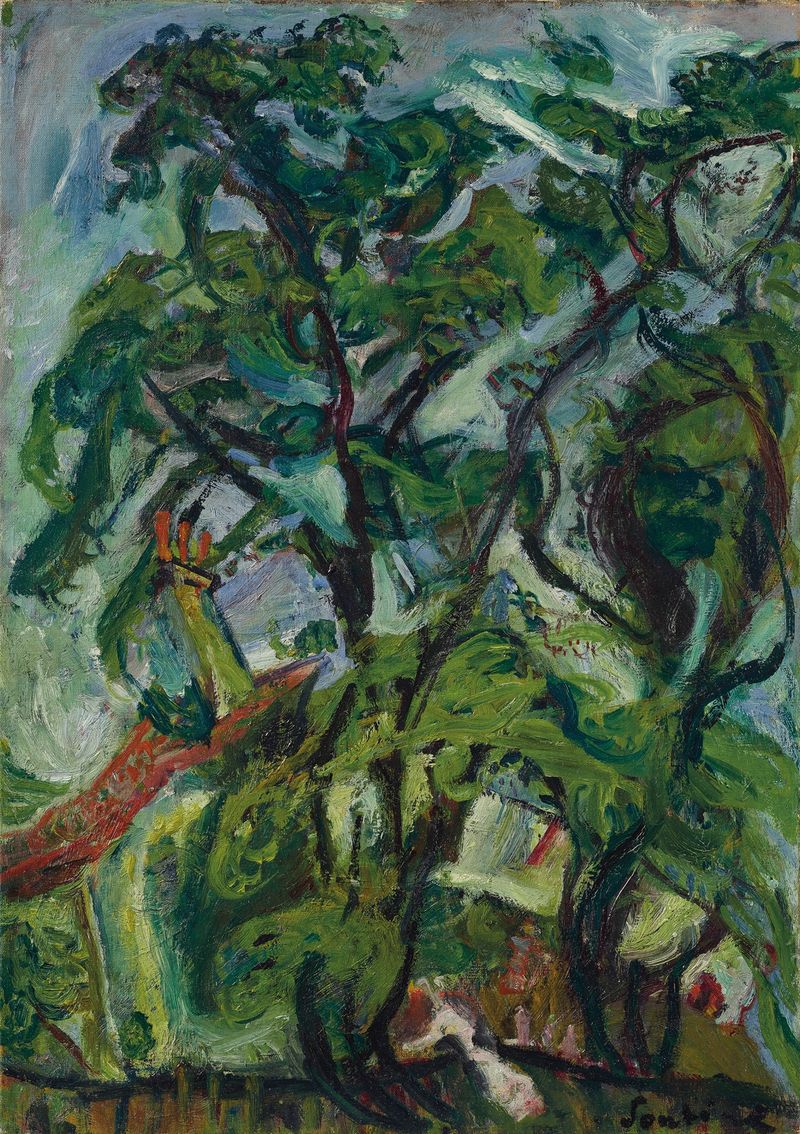
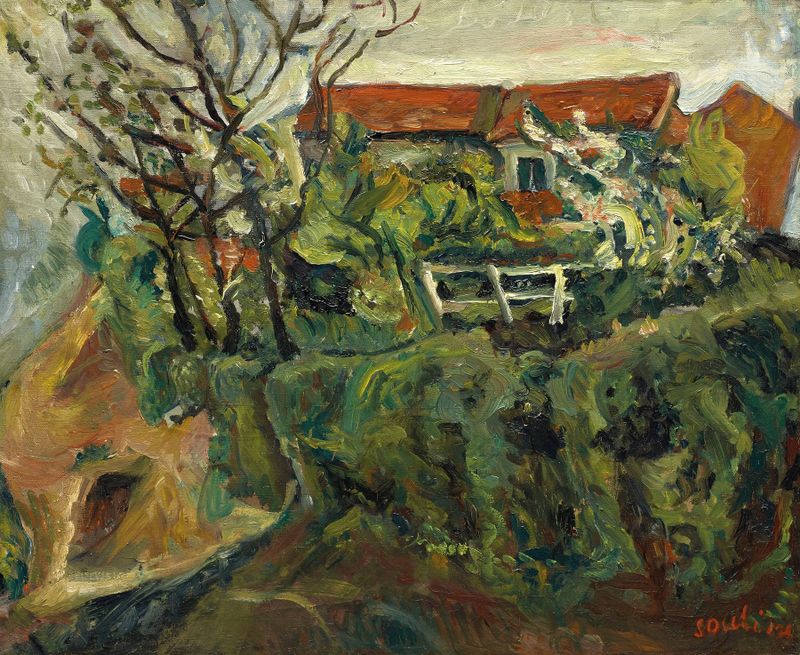
What if silence could speak through light? In Paysage, a haunting landscape emerges, bridging the distance between the soul and the natural world, whispering to those who dare to listen. Look to the left at the turbulent brushstrokes, where bold greens and deep blues collide, creating a sense of movement that breathes life into the scene. The horizon, blurred and uneven, draws your gaze toward a sky that hints at impending twilight, a moment caught between day and night. Notice how the light plays with the twisted forms of trees, their limbs stretching out in despair, casting shadows that evoke both depth and an emotional weight, as if the landscape itself is mourning. Amidst the vibrant chaos, a profound melancholy underlies the composition.
The bold colors contrast with the unsettling forms, suggesting a deeper emotional turmoil that lingers just below the surface. Each stroke conveys a yearning for connection, a longing that remains unfulfilled, echoing the tension between nature's beauty and its inherent transience. The painting invites contemplation, encouraging viewers to reflect on their own sense of loss and the fleeting moments that define existence. Chaïm Soutine created Paysage during a period of artistic exploration in the early 20th century, likely around the 1910s.
Living in Paris, he was part of a movement that sought to break free from traditional representation, exploring the emotional resonance of color and form. This was a tumultuous time for Europe, marked by the looming shadows of war and personal struggles, influencing his work and imbuing it with a sense of urgent introspection.