
Landscape with River, Castle and Mountains — History & Facts
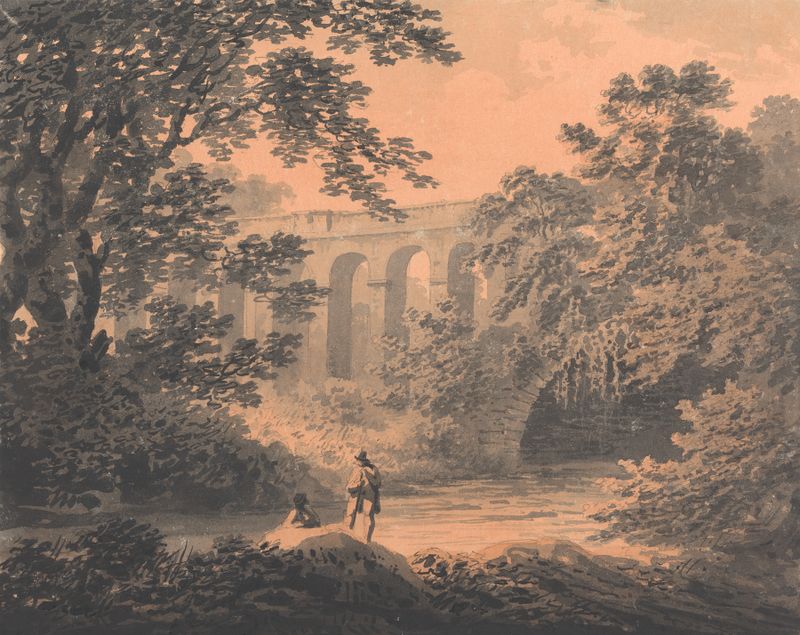
The stillness of nature, intertwined with ancient structures, beckons us to ponder the destinies inscribed within the landscape. A river meanders like time itself, while the mountains loom as guardians of history, silently watching over every shifting moment. Look to the left at the flowing river, its gentle curves inviting the eye to dance along its surface. Notice how the light glimmers on the water, almost as if it carries whispers of the past.
The castle, perched atop a rugged hill, commands attention in the background, its stone walls contrasting with the soft greens of the surrounding foliage. The palette harmonizes earth tones with blues and whites, creating a tranquil yet dynamic interplay that speaks of nature's resilience against the passage of time. Beneath the serene facade lies a tension between nature and man. The castle, a symbol of ambition and authority, stands juxtaposed against the fluidity of the river, hinting at mankind’s fleeting grasp on permanence.
The mountains, majestic and eternal, remind us of destiny’s indifferent hand, while the quiet atmosphere evokes a contemplation of human endeavors against the vastness of the natural world. Each brushstroke captures this delicate balance, evoking emotions that resonate within us all. During the period between 1762 and 1783, the artist was deeply immersed in the burgeoning Romantic movement. This was a time when the relationship between man and nature began to be re-evaluated, and Gilpin sought to depict the beauty of the English landscape while reflecting personal and societal aspirations.
The work embodies his explorations of sublime beauty, as well as the tensions between civilization and the wild, marking a significant chapter in the evolution of landscape painting.
More Artworks by William Gilpin
Browse all →
Bridgnorth Bridge, Shropshire
William Gilpin
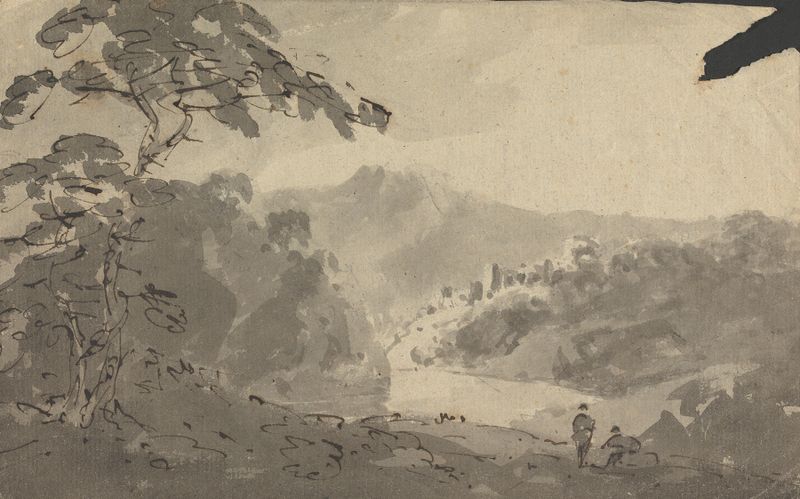
Two Men Looking Into Landscape with Castle, River and Mountain Scene
William Gilpin
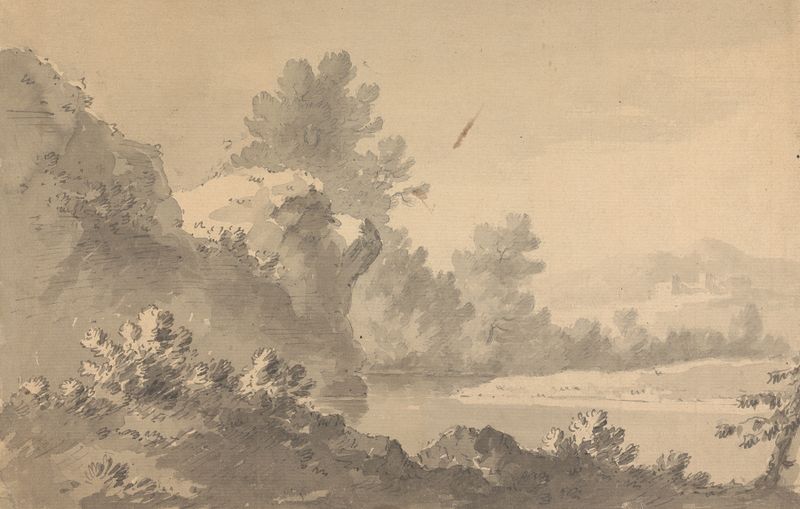
River Landscape with Castle in the Distance
William Gilpin
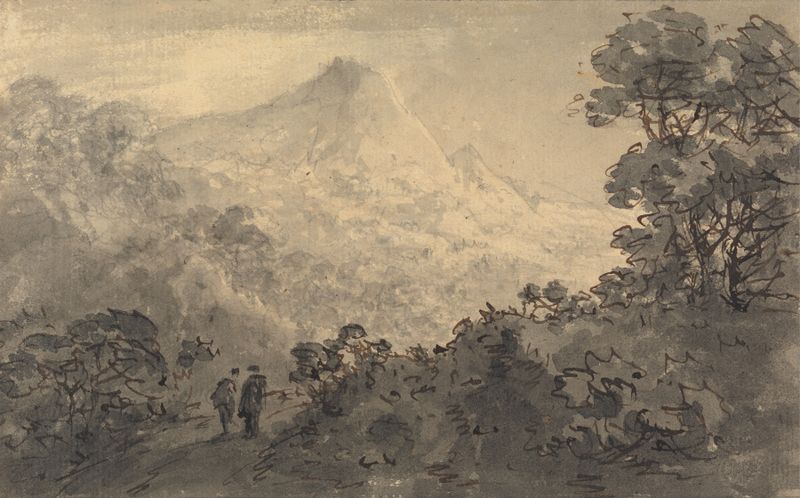
Snowdon
William Gilpin

Hilly Landscape
William Gilpin
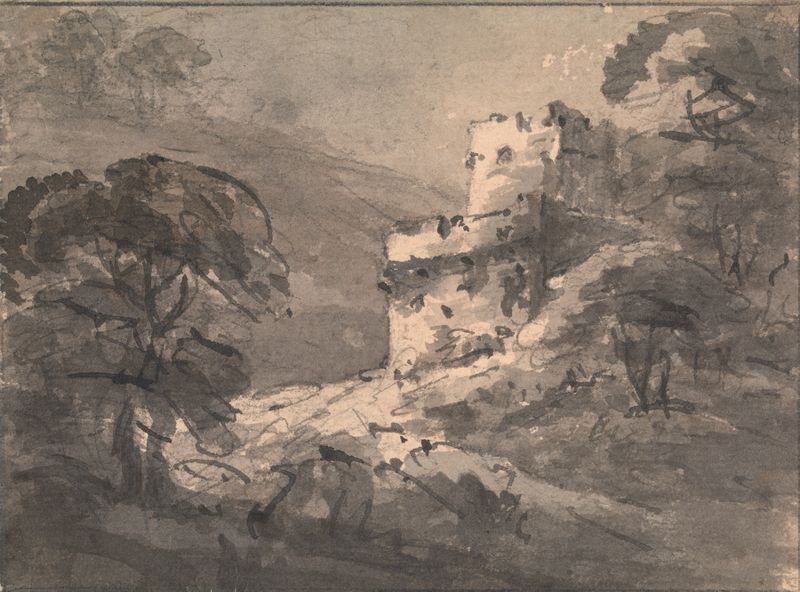
Landscape with a Ruined Castle on the Right
William Gilpin

Mountainous Landscape with Trees – High Crags to the Right
William Gilpin

View of Castle Ruin
William Gilpin
Bridge on the Malton Road from York
William Gilpin

Landscape with Two Trees and Castle
William Gilpin





