
'Landscape with Ruins' by Jean Baptiste — History & Facts
What first catches the eye in Landscape with Ruins by Jean-Baptiste Armand Guillaumin is the riot of unexpected color, as if the landscape itself is on the verge of dissolving into pure light. The ruins on the distant ridge are not the mournful remnants of a lost age, but rather luminous accents in a scene alive with purples, pinks, and greens. The brushwork is energetic, almost impatient, driving the viewer’s gaze from the tangled trees in the foreground up to the sunlit hills and scattered stone towers.
The river, caught in a flicker of blue and white, slices through the center, guiding the eye deeper into the valley’s embrace. Painted in 1897, this work belongs to a moment when artists like Guillaumin were reimagining the landscape tradition, pushing beyond faithful depiction to capture the sensation of a place at a particular hour. The ruins, half-swallowed by the hills, remind us that nature endures and reclaims, but here they are also a pretext for color and movement. Such paintings were rarely grand commissions; instead, they were often created for a growing middle-class audience eager for scenes that felt both familiar and newly vibrant.
Today, Landscape with Ruins lives in the Pushkin Museum, a testament to a period when the boundaries of landscape painting were being redrawn with every brushstroke—look again, and notice how the colors refuse to settle, as if the scene might change before your eyes.
More Artworks by Armand Guillaumin

La Seine À Charenton
Armand Guillaumin
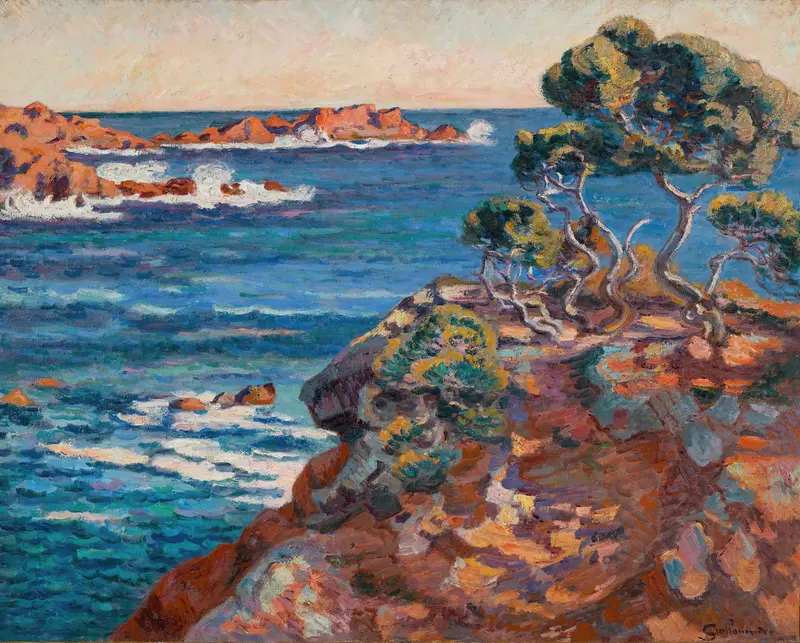
Bord De Mer À Agay
Armand Guillaumin
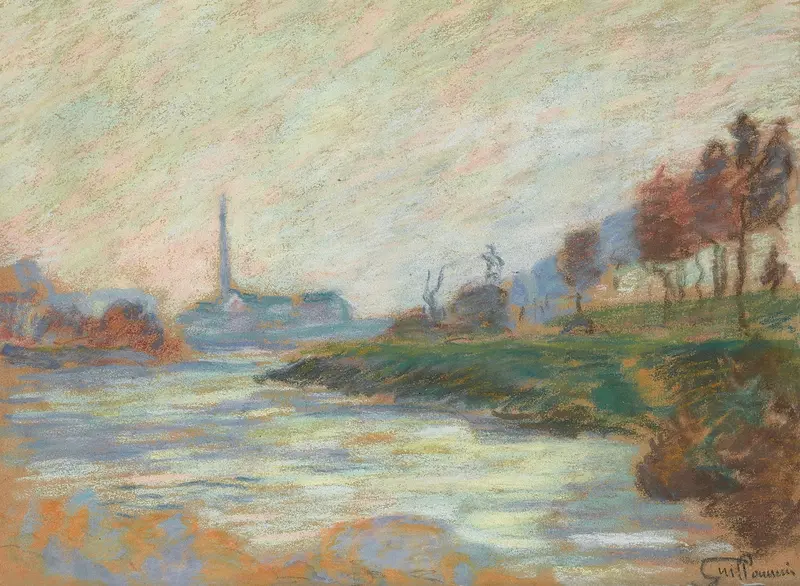
Confluent De La Marne Et De La Seine, Île De La France
Armand Guillaumin
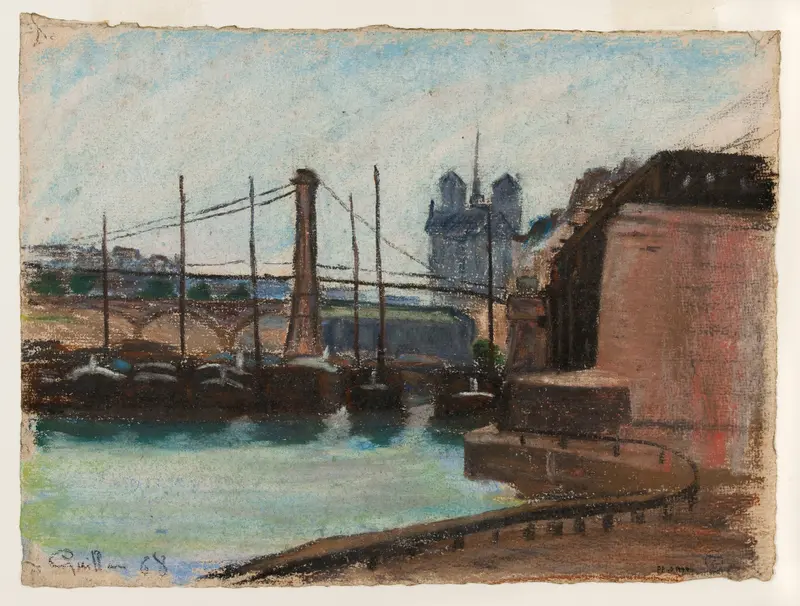
Le Pont d’Austerlitz
Armand Guillaumin
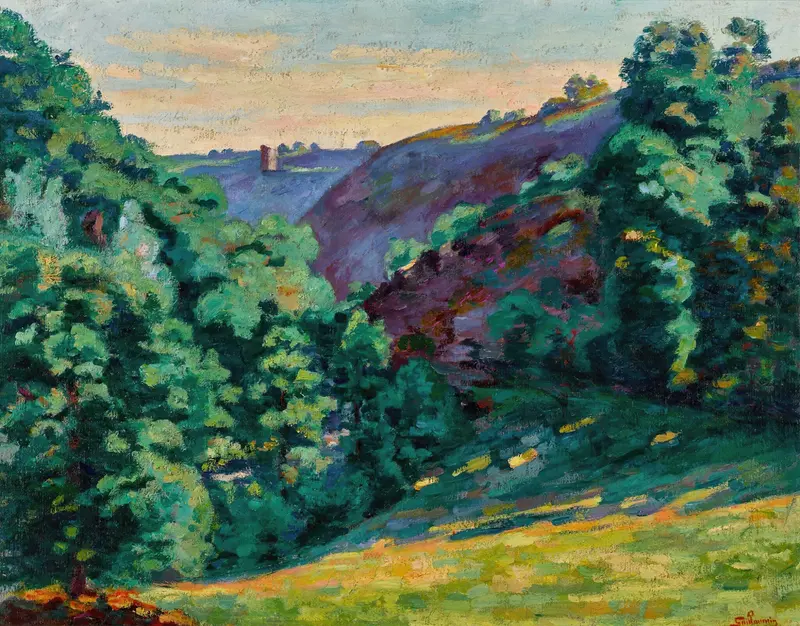
Le Ravin de la folie, vue de Chateau Crozant
Armand Guillaumin
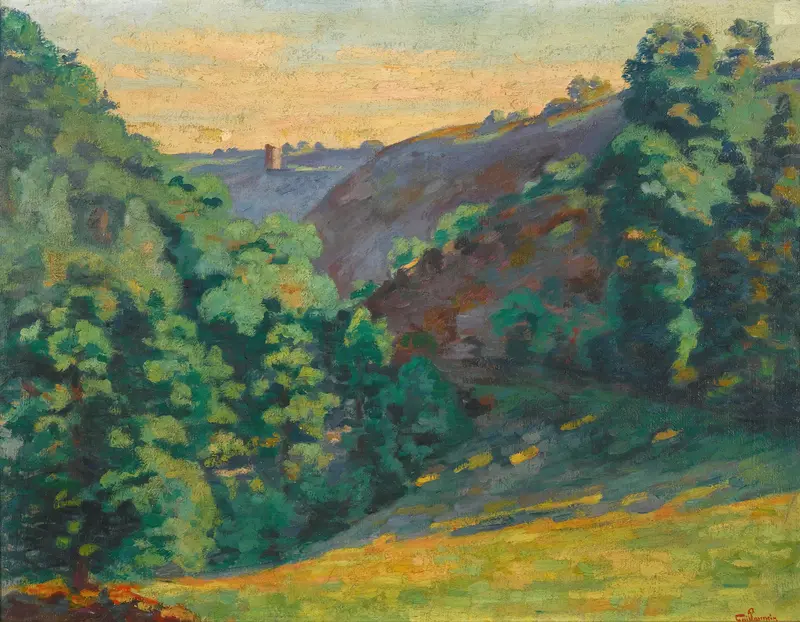
Crozant, Le Ravin De La Sedelle À La Folie
Armand Guillaumin
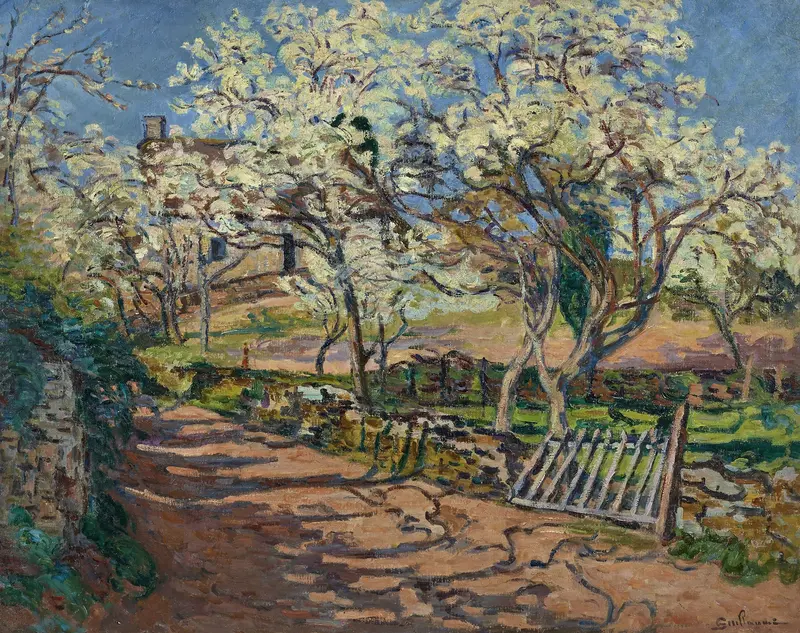
Paysage de Printemps
Armand Guillaumin
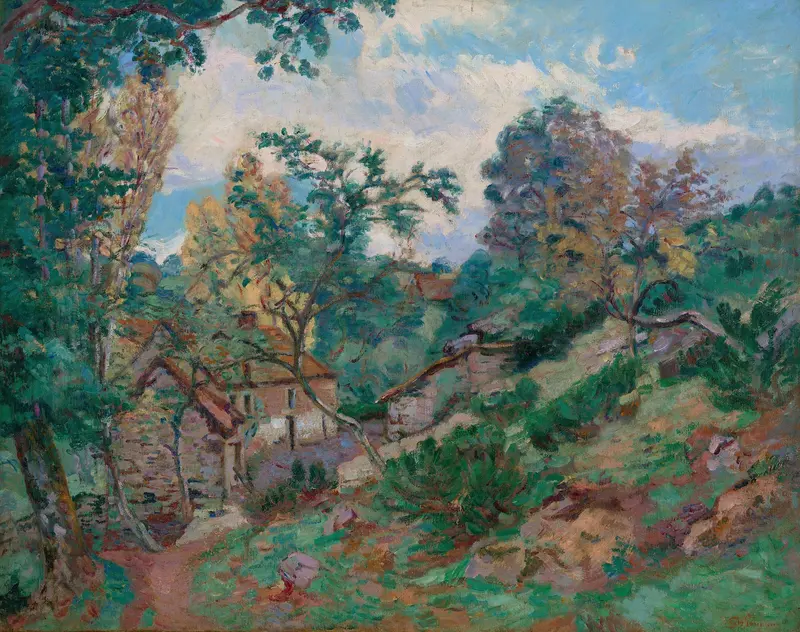
Paysage
Armand Guillaumin
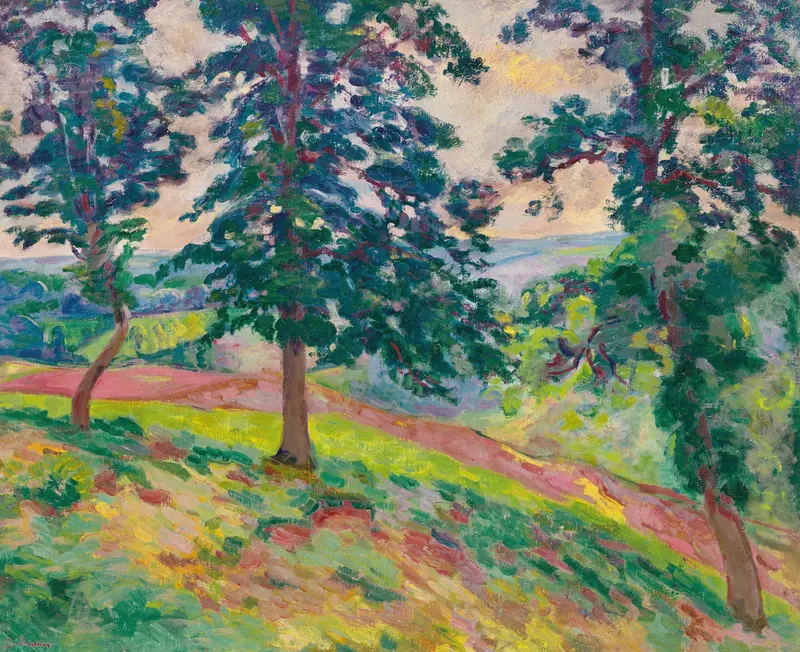
La vallée de la creuse
Armand Guillaumin
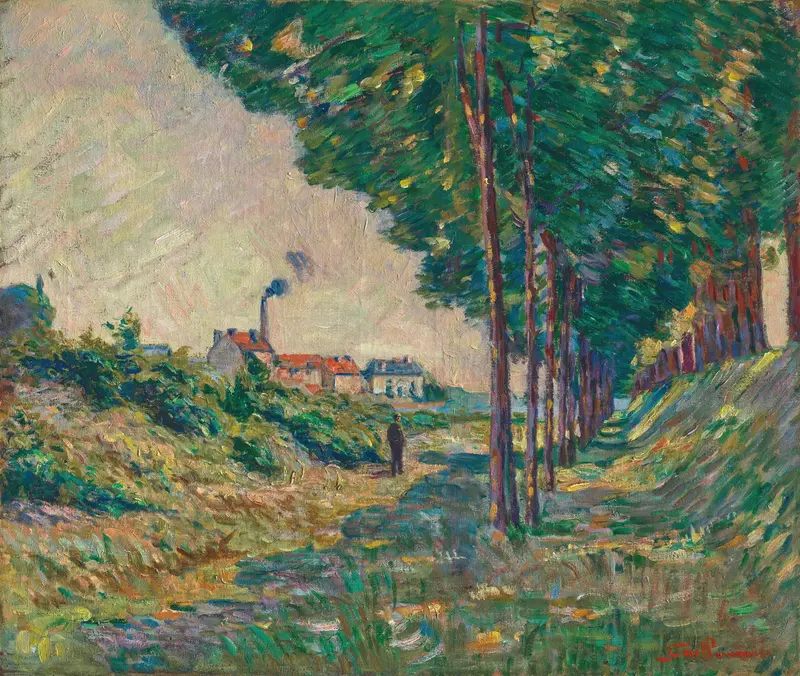
Le chemin de halage à Charenton, Ile de France
Armand Guillaumin
More Landscape Art

The Starry Night
Vincent van Gogh

View of Delft
Johannes Vermeer

Water Lilies
Claude Monet

The Grand Canal, Venice, looking north-west from the Ca' Corner to the Ca' Contarini degli Scrigni, with the campanile of Santa Maria della Carità
Canaletto

Windsor Castle
Canaletto

The Grand Canal looking North-East from the Palazzo Dolfin-Manin to the Rialto Bridge
Canaletto