
Landscape with the Horse — History & Facts
In a world where truth often wears a mask, the canvas becomes a mirror reflecting not just the visible, but the essence of what lies beneath. Focus on the milky sky where soft, muted colors blend seamlessly. Notice how the strokes of green and brown form a gentle landscape, inviting your gaze across the rolling hills. The horse, placed strategically in the foreground, draws attention—its silhouette both powerful and serene against the expansive backdrop.
The delicate interplay of light and shadow crafts an atmosphere that feels simultaneously alive and tranquil, while the soft edges evoke a dreamlike quality. Delve deeper, and you’ll spot the subtle tension between the horse and the landscape. The creature appears both at home and estranged, symbolizing the duality of nature and humanity's relationship with it. The muted palette speaks to the often-overlooked beauty in simplicity, while the undercurrent of isolation echoes a truth shared yet unspoken.
Each element conveys a narrative woven from the quiet strength of the horse and the gentle embrace of the surrounding environment. In 1859, Whistler created this piece during a pivotal period in his career. Living in Paris, he was immersed in the burgeoning avant-garde movement that challenged traditional artistic conventions. As he experimented with color and composition, he sought to capture the ephemeral beauty of everyday scenes—essentially redefining the role of landscape in fine art, emphasizing emotion over realism.
More Artworks by James Abbott McNeill Whistler
Browse all →
Nocturne in Blue and Silver
James Abbott McNeill Whistler
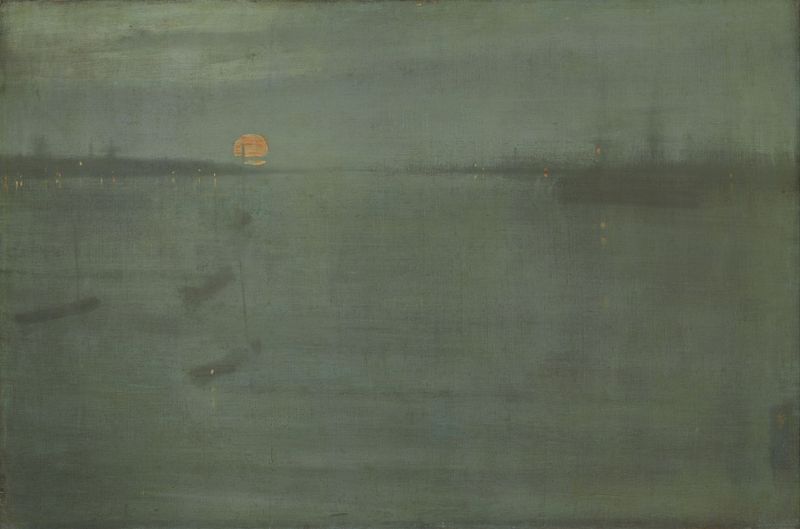
Nocturne: Blue and Gold–Southampton Water
James Abbott McNeill Whistler
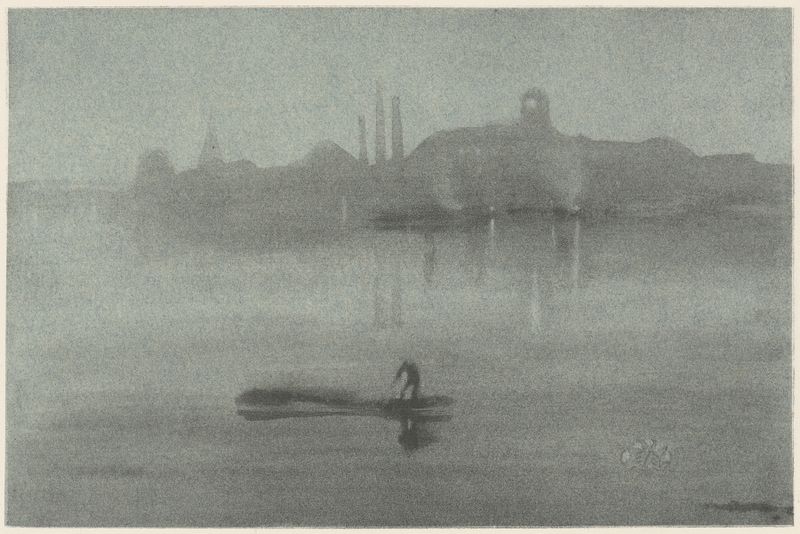
Nocturne
James Abbott McNeill Whistler
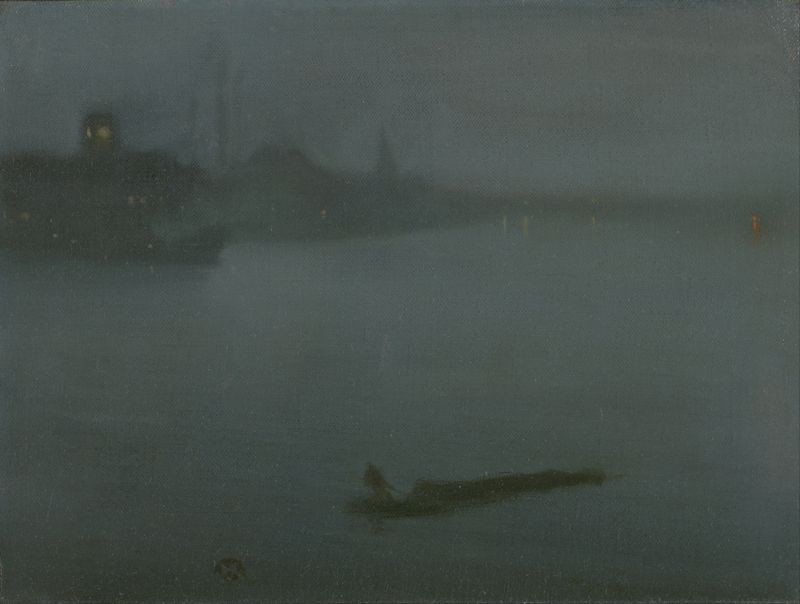
Nocturne in Blue and Silver
James Abbott McNeill Whistler
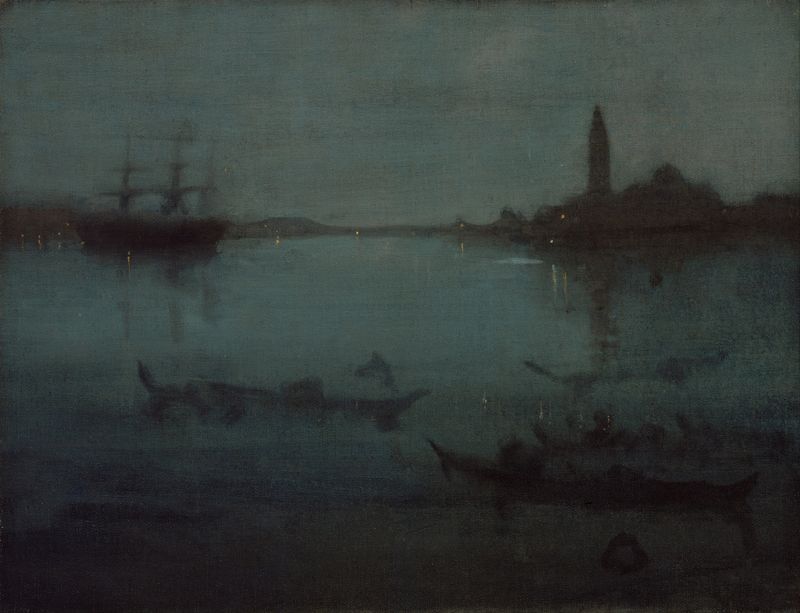
Nocturne in Blue and Silver- The Lagoon, Venice
James Abbott McNeill Whistler
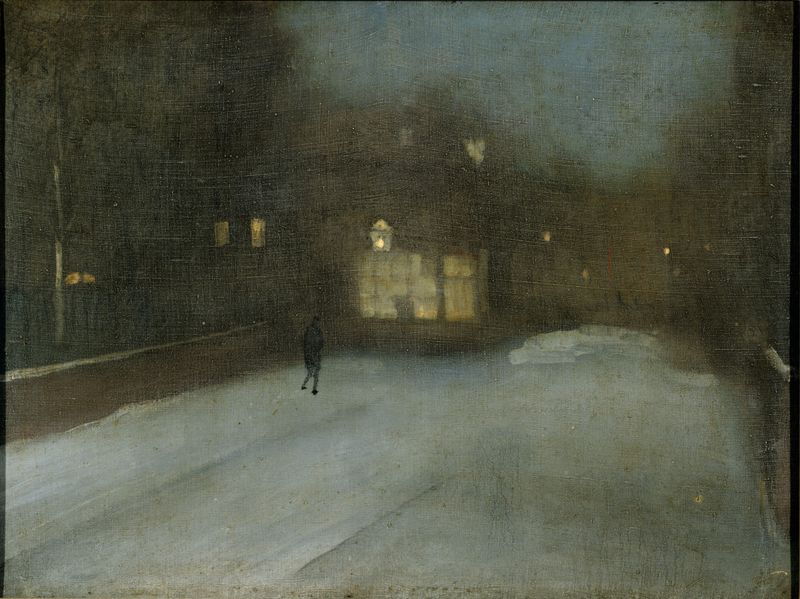
Nocturne in Grey and Gold: Chelsea Snow
James Abbott McNeill Whistler
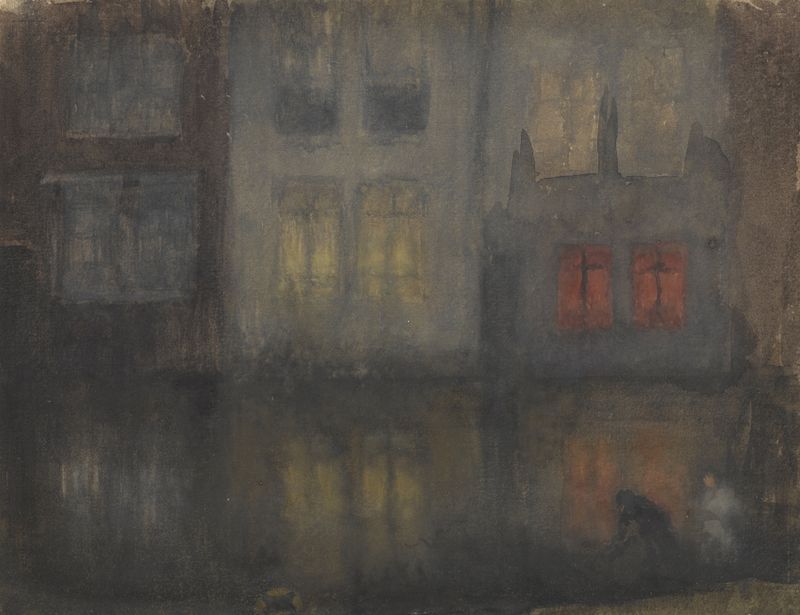
Nocturne: Black and Red—Back Canal, Holland
James Abbott McNeill Whistler
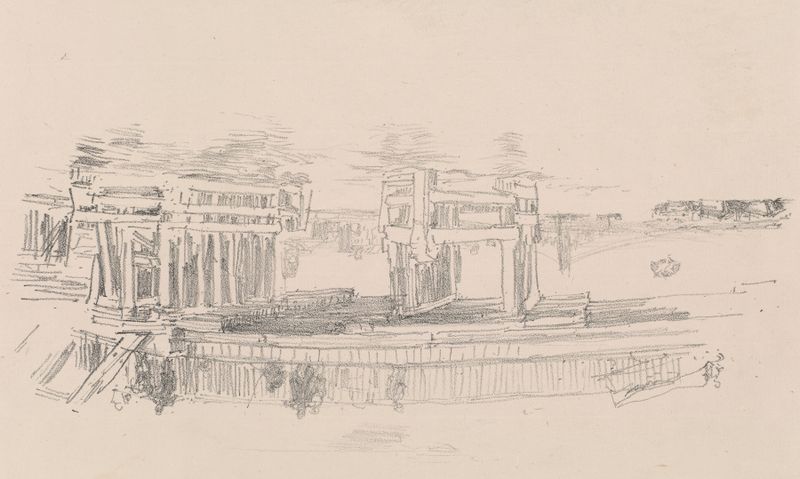
Old Battersea Bridge
James Abbott McNeill Whistler

Nocturne: Blue and Silver–Battersea Reach
James Abbott McNeill Whistler
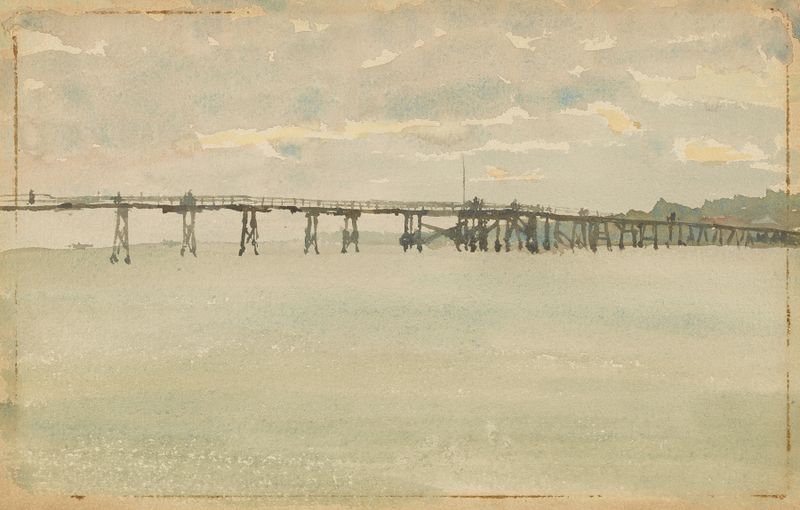
Grey and Silver–Pier, Southend
James Abbott McNeill Whistler





