
Landscape with Travellers Resting — History & Facts
When Landscape with Travellers Resting left the studio of Nicolas Poussin in 1637, it marked a turning point in his approach to landscape painting—one that would influence generations of artists after him. Rather than relegating nature to a mere backdrop for myth or history, Poussin gave the landscape itself a commanding presence, inviting viewers to linger on the harmony of earth, sky, and human passage. This painting is often cited as one of the earliest examples where the journey of ordinary people, not gods or heroes, becomes the central narrative.
The work’s impact was such that later painters, from Claude Lorrain to John Constable, would look to it as a model for balancing human stories within vast, ordered spaces. We find ourselves at a moment of repose: a small group of travellers, weary from the road, has paused beside a stream under the shelter of ancient trees. Their gestures—one figure reclining, another pouring water, a third gazing into the distance—speak of rest and anticipation, the universal rhythm of journey and respite. The distant ruins and winding path hint at histories both personal and lost to time, while the golden light bathes the scene in a sense of gentle order.
Unlike the tumultuous landscapes of Salvator Rosa, where nature threatens to overwhelm, Poussin’s world is measured and serene, suggesting that human life, though fleeting, finds its place within the eternal cycles of the land. The early provenance of Landscape with Travellers Resting is not fully documented, a common fate for many of Poussin’s landscapes, which were often commissioned by private collectors in Rome and Paris. Over the centuries, the painting has passed through several notable collections, admired for its compositional clarity and subtle narrative. Today, it stands as a testament to Poussin’s mature period, when he turned increasingly to landscapes as vehicles for philosophical reflection.
While debates continue over the precise meaning of some details, the painting’s influence is undisputed, anchoring it firmly within the legacy of the Baroque and the evolution of the landscape genre.
More Artworks by Nicolas Poussin

Spring
Nicolas Poussin
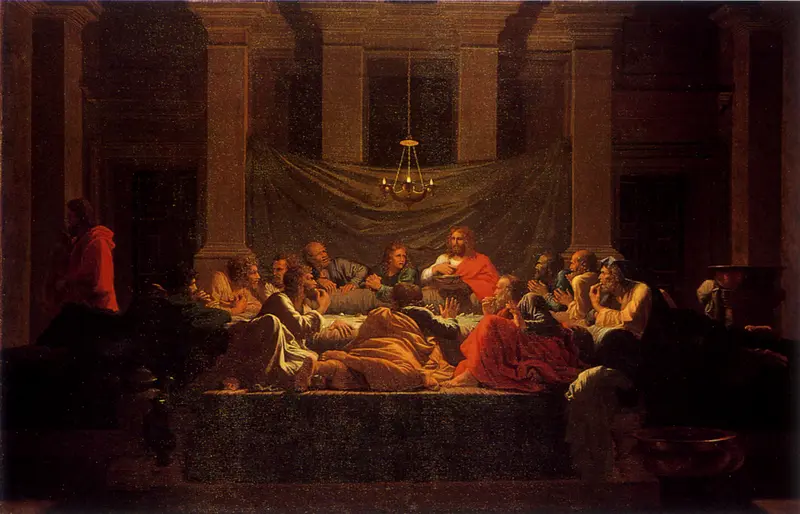
The Sacrament of the Holy Eucharist
Nicolas Poussin
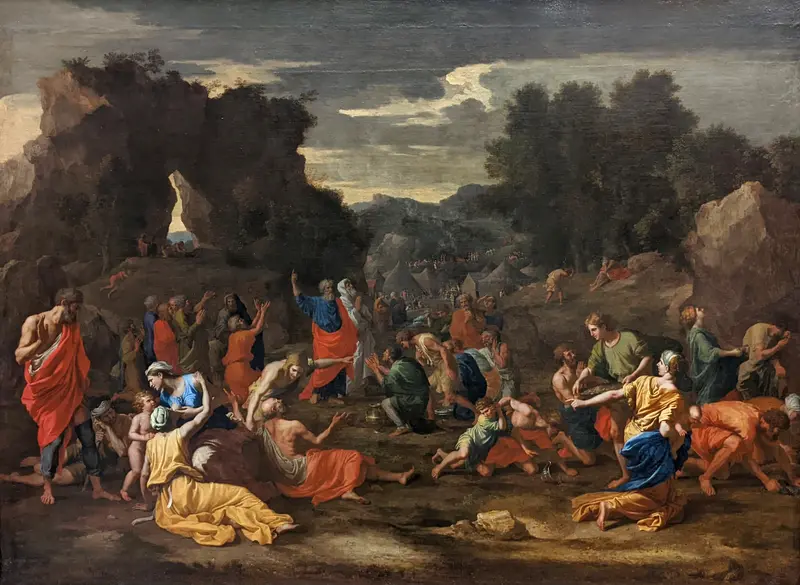
The Israelites gathering Manna in the Desert
Nicolas Poussin
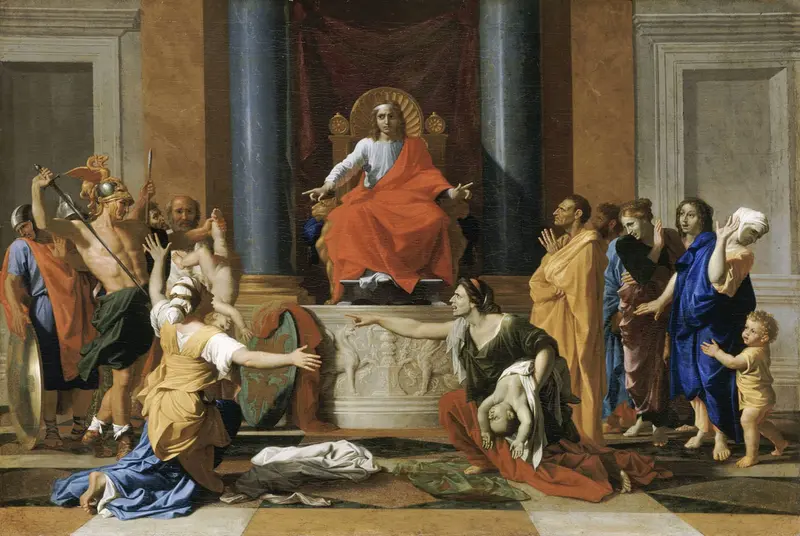
The Judgment of Solomon
Nicolas Poussin
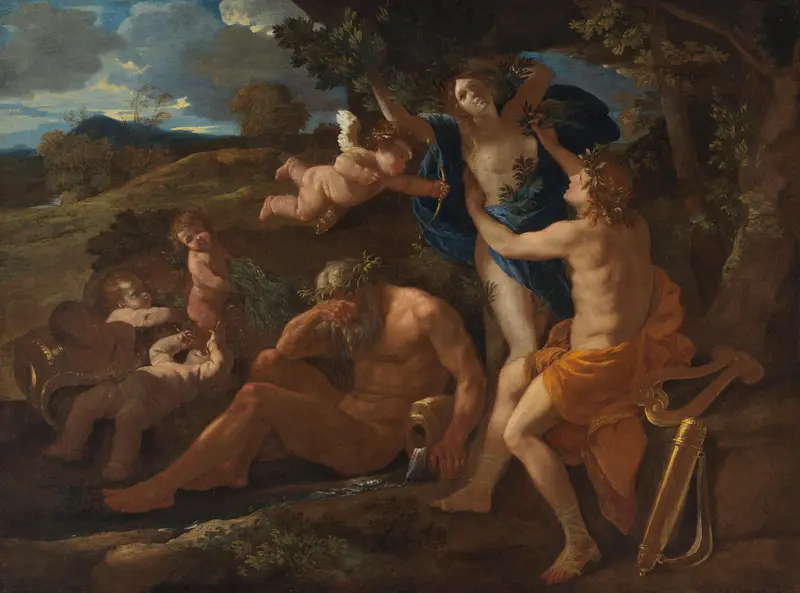
Apollo and Daphne
Nicolas Poussin

The Nurture of Jupiter
Nicolas Poussin

Ordination
Nicolas Poussin
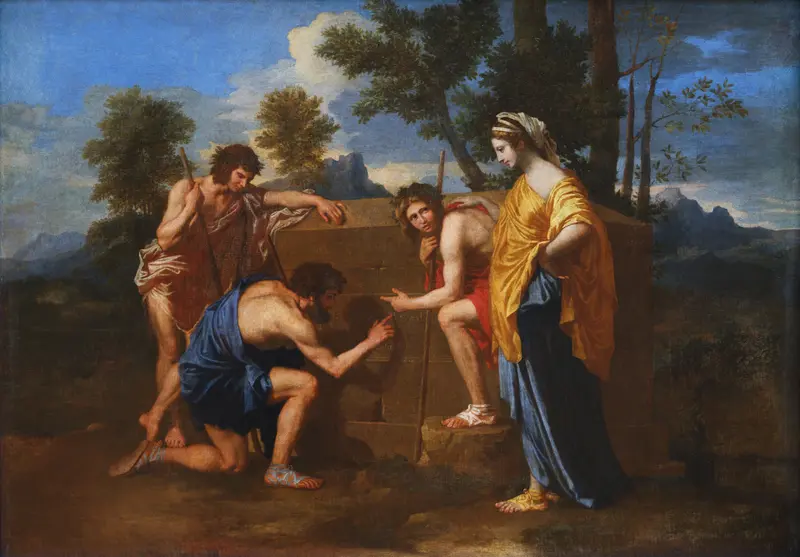
Et in Arcadia ego
Nicolas Poussin
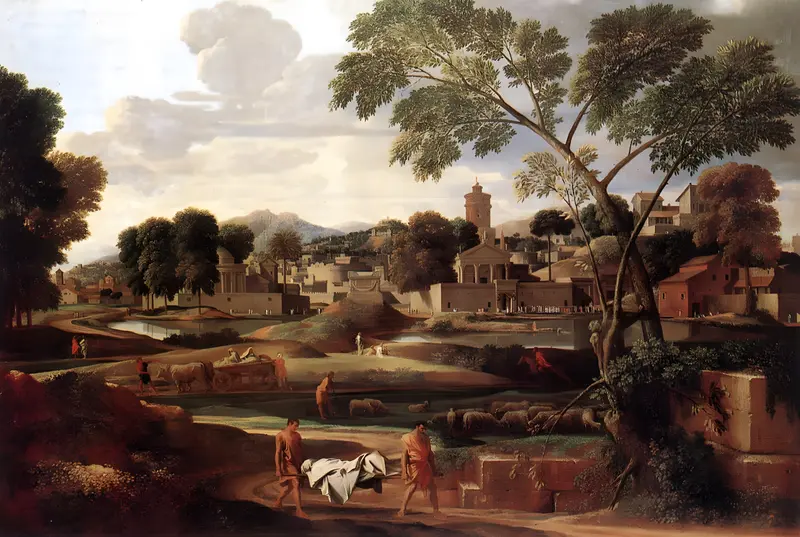
The Funeral of Phocion
Nicolas Poussin
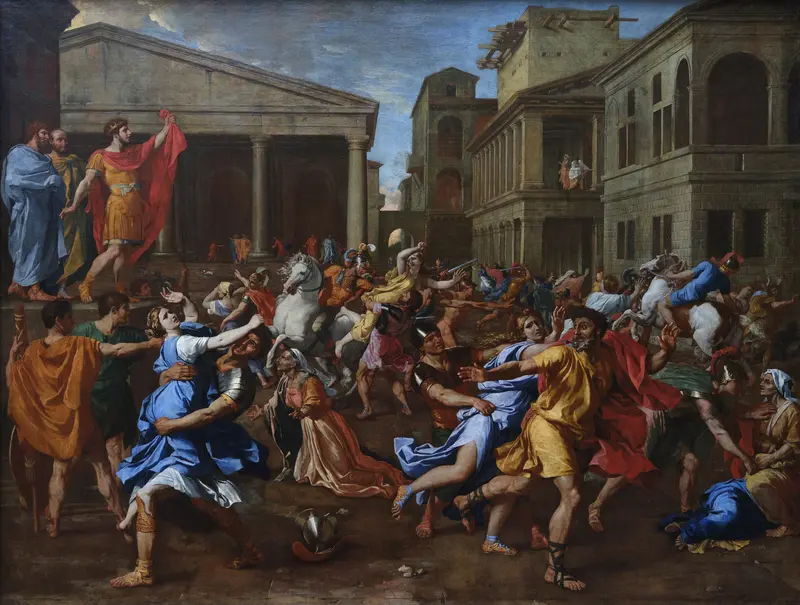
The Rape of the Sabine Women
Nicolas Poussin
More Landscape Art

The Starry Night
Vincent van Gogh

View of Delft
Johannes Vermeer

Water Lilies
Claude Monet

The Grand Canal, Venice, looking north-west from the Ca' Corner to the Ca' Contarini degli Scrigni, with the campanile of Santa Maria della Carità
Canaletto

Windsor Castle
Canaletto

The Grand Canal looking North-East from the Palazzo Dolfin-Manin to the Rialto Bridge
Canaletto