Landschaft mit Kirche und Dorf — History & Analysis
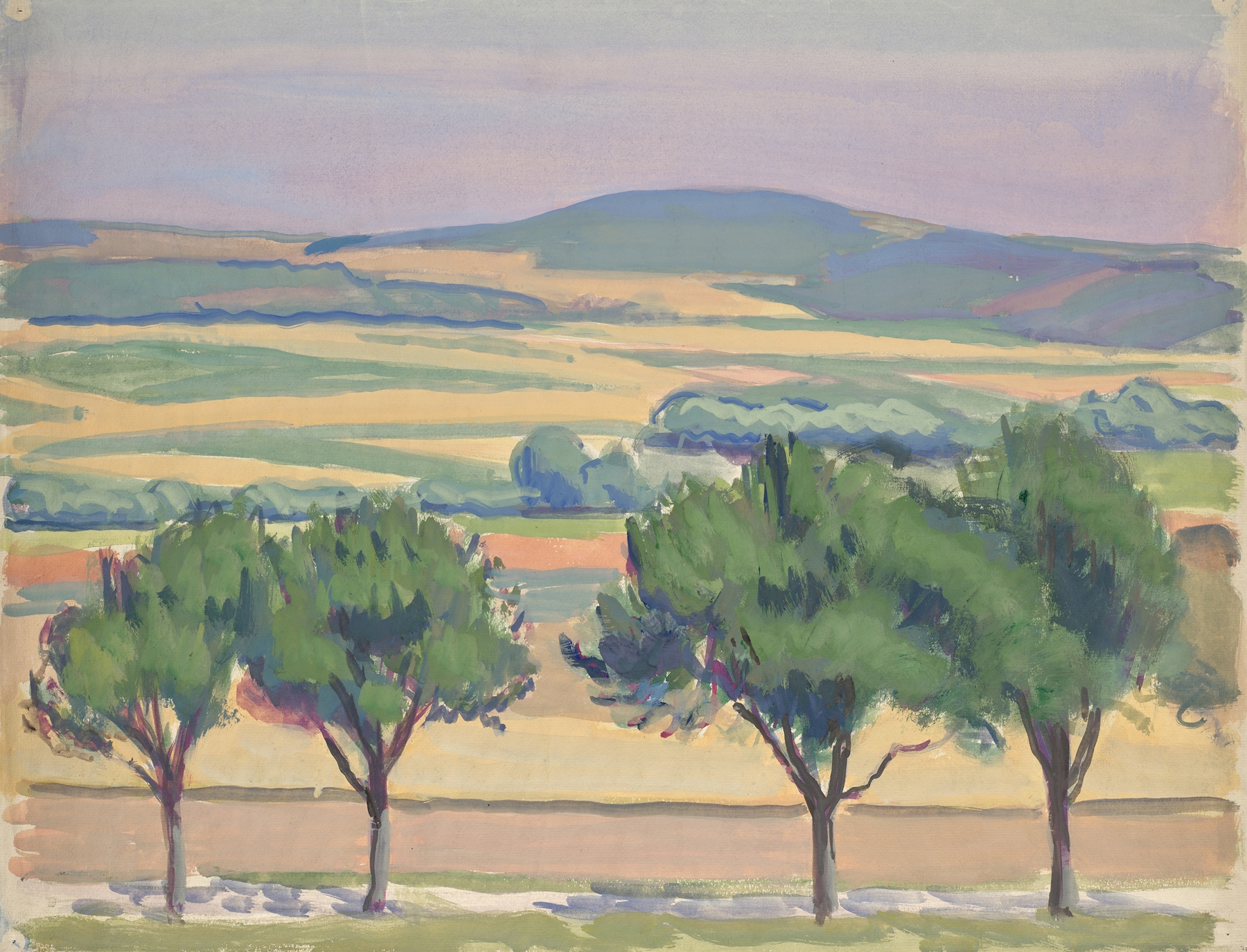
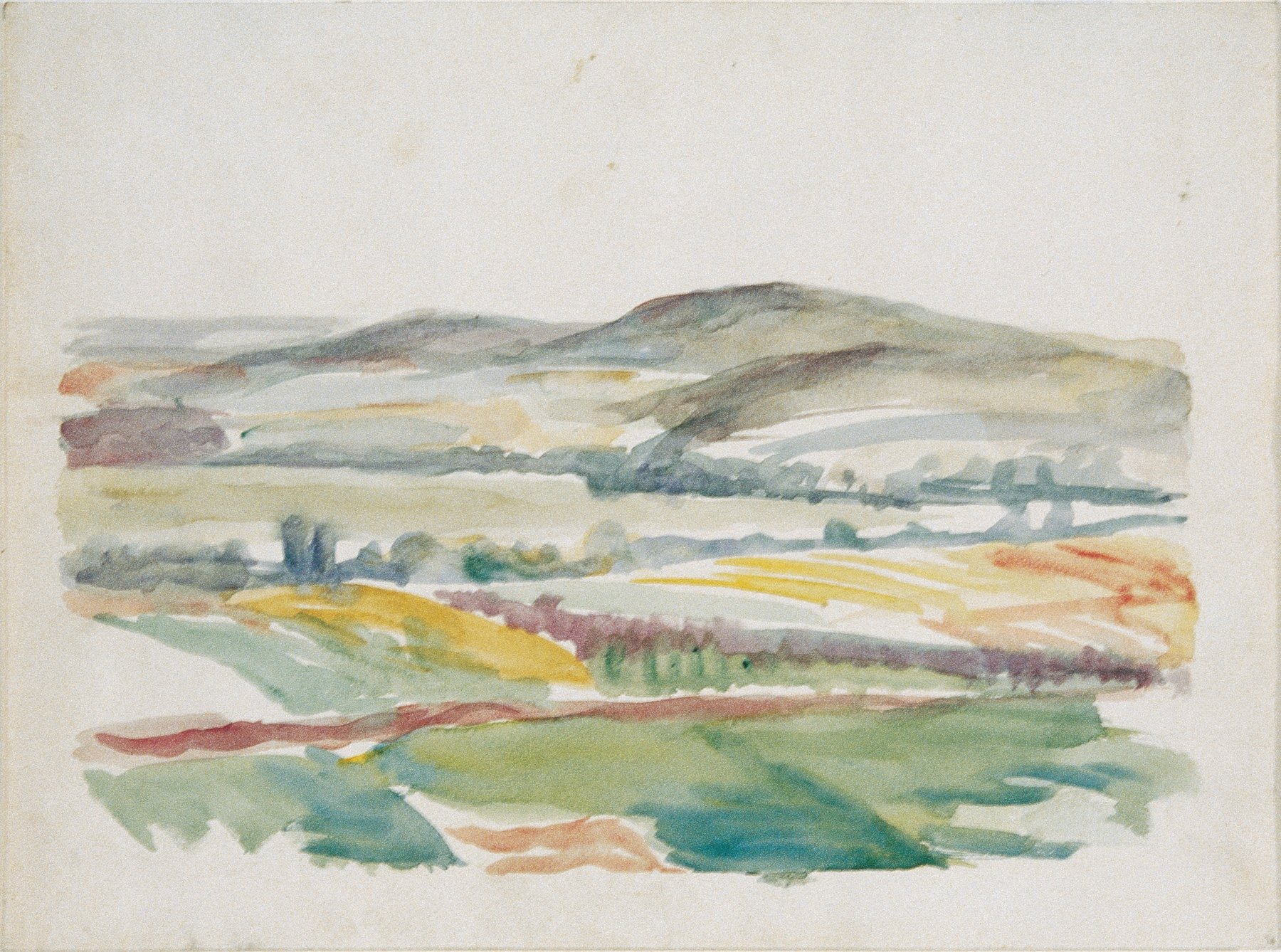
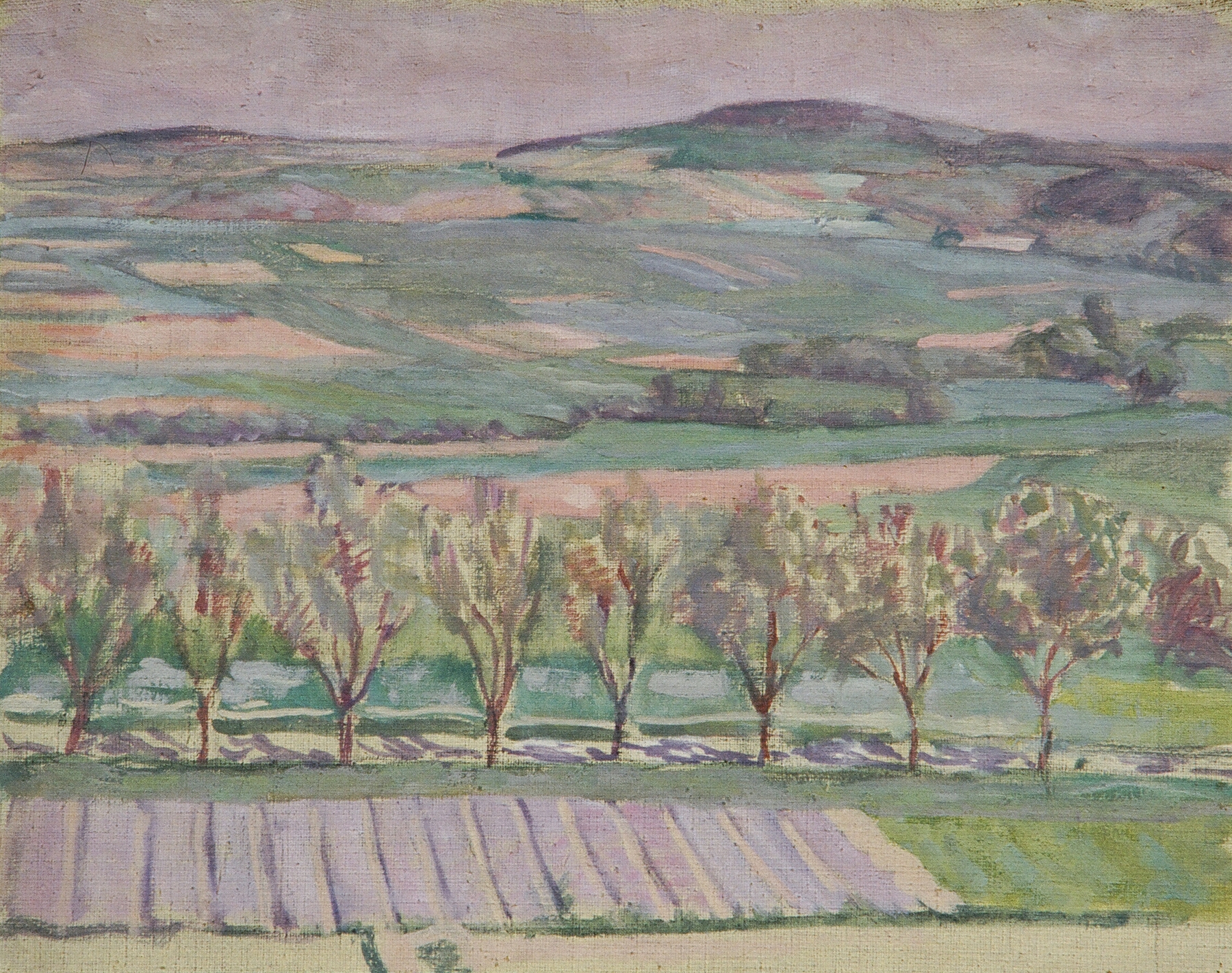
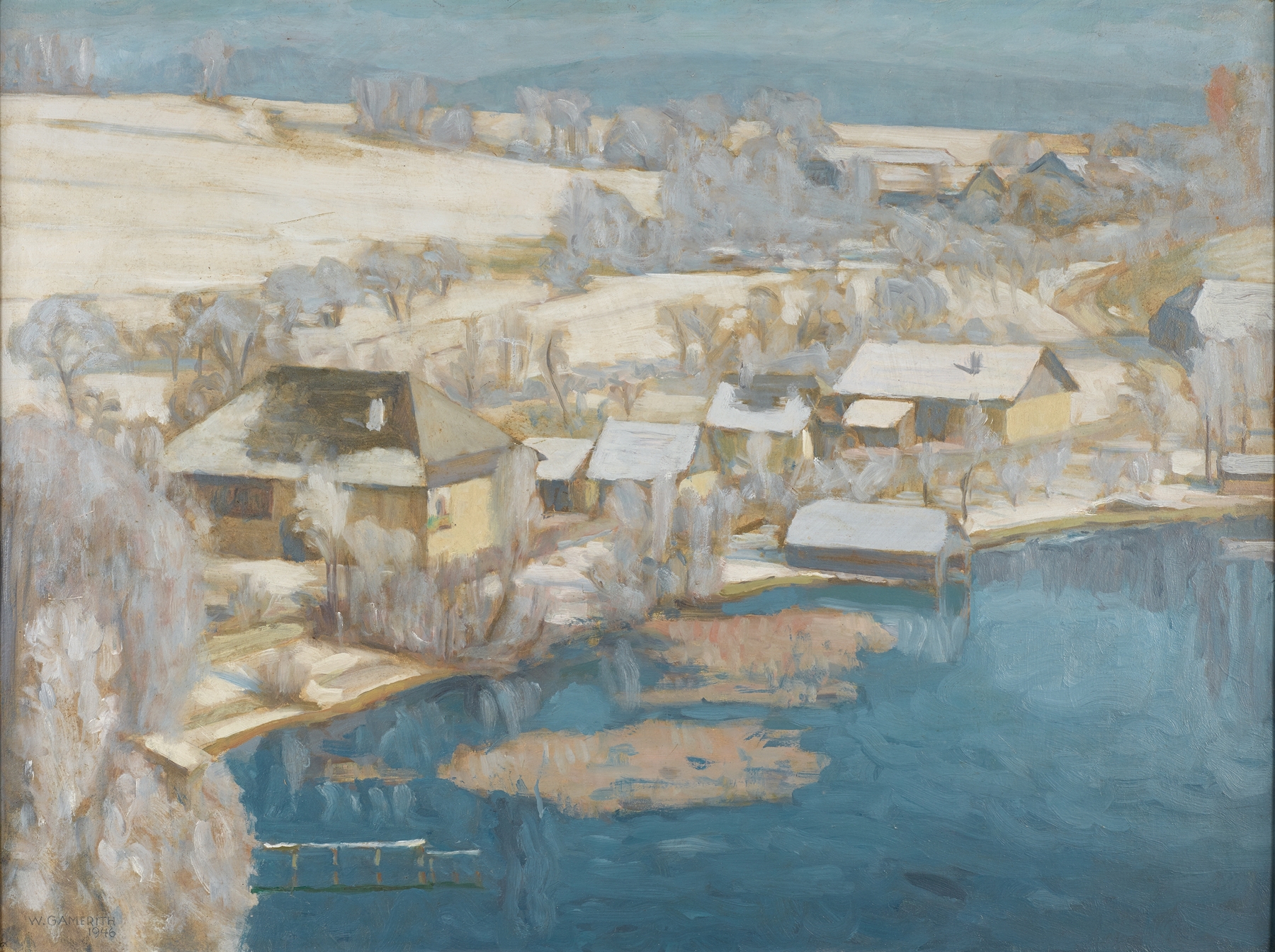
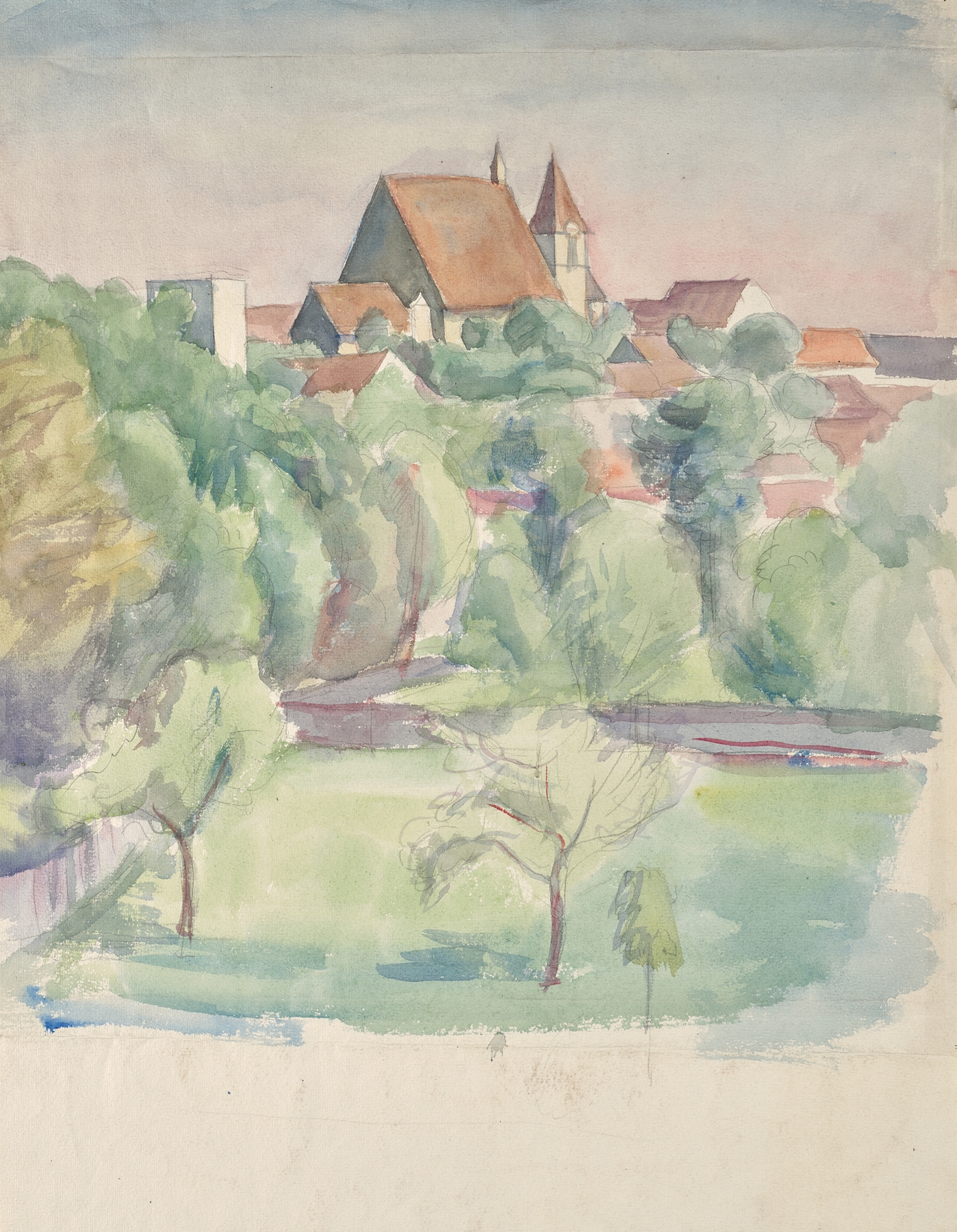
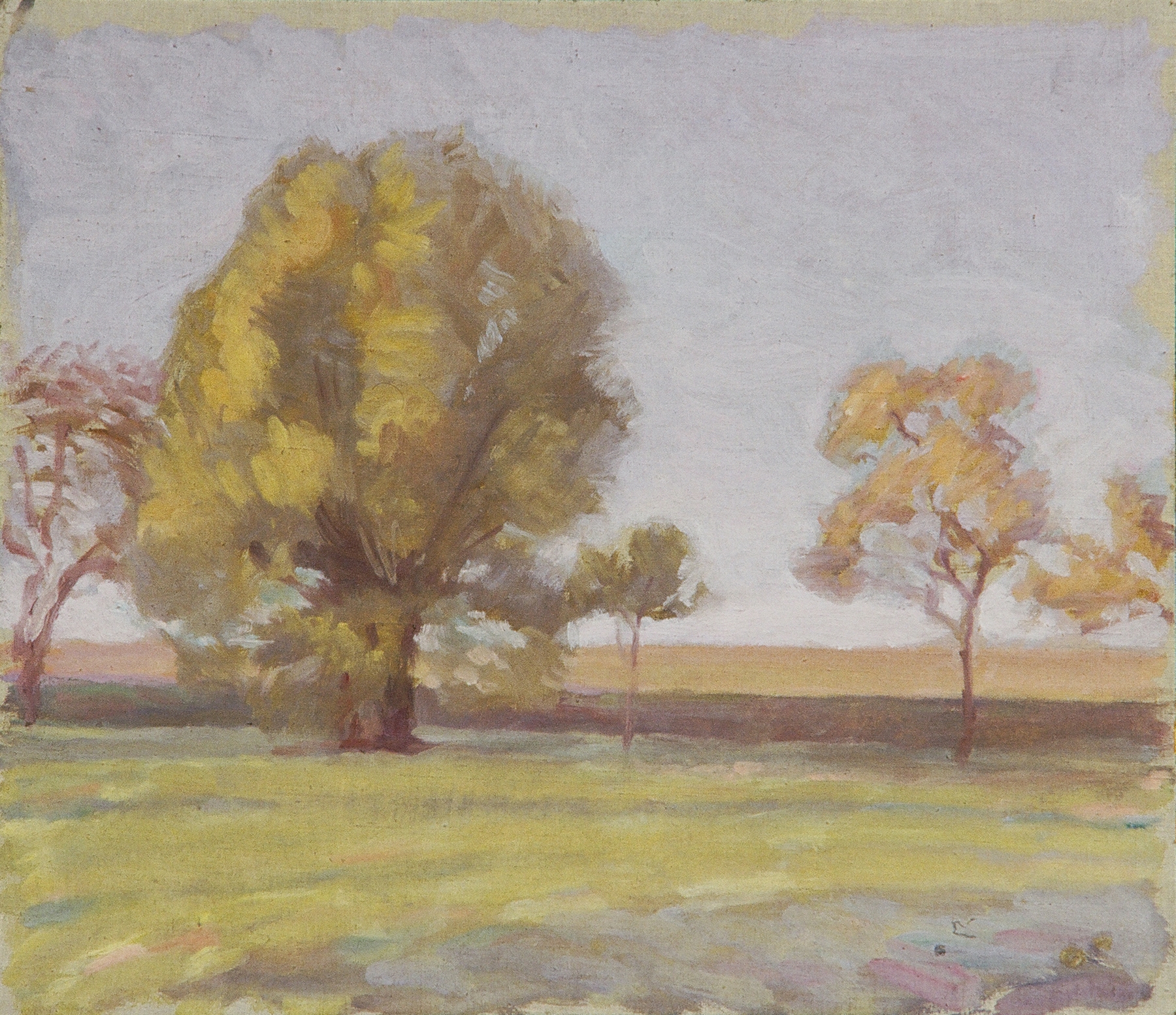
Could beauty survive in a century of chaos? Look to the center of the canvas, where a quaint church rises above a village, its spire piercing the muted sky. The surrounding landscape, washed in soft greens and browns, invites a sense of tranquility, contrasting sharply with the unsettling emptiness that envelops the scene. Notice how the gentle brushwork blurs the lines between earth and sky, creating a dreamlike quality that draws the eye into the heart of this pastoral haven.
Yet, amid the charm lies an underlying tension. The sparse figures in the village appear distant and disconnected, as if the vitality of life has been drained away. The church itself, a symbol of refuge, stands alone against the vastness, its presence both comforting and isolating. The cool hues suggest a lingering melancholy, evoking a sense of longing for connection in a world fraught with turmoil.
In 1922, as Landschaft mit Kirche und Dorf emerged from Walther Gamerith's brush, Europe was grappling with the aftermath of World War I. Artists sought to navigate their trauma through various styles, and for Gamerith, the embrace of serene landscapes became a means to confront the chaos around him. His work reflects a desire to find solace in simplicity amidst a backdrop of disquiet, a theme echoing through the artistic movements of the time.