
Landschap — History & Facts
Beneath the serene facade of a landscape lies a tumult of emotions, waiting to be uncovered. Look to the right at the subtle interplay of light and shadow among the trees, their dark forms contrasting sharply with the luminous sky. The brushstrokes reveal a delicate yet turbulent texture, inviting the viewer to navigate through the intricate layers of the foliage. The vibrant greens and ochres pulse with life, while hints of a brooding sky loom over, suggesting that tranquility may be but a fleeting illusion. Hidden beneath this pastoral beauty is the tension of violence — a storm threatening to upheave the calm, echoing the tumult of human experience.
Notice the jagged edges of the mountains, their imposing presence serving as a reminder of nature's fierce unpredictability. The golden light clashing with the darker undertones encapsulates a struggle, evoking feelings of both awe and foreboding, as though the landscape itself is caught in a moment of conflict. In 1898, Landschap emerged from the hands of Simon Moulijn during a period of significant transformation in the art world. Living in the Dutch countryside, he found inspiration in the raw beauty surrounding him, yet his works were tinged with the emotional complexities of post-Impressionism, reflecting a society grappling with rapid change.
Moulijn was navigating his own artistic path, seeking to balance the idyllic with the turbulent — a mirror of both nature and the human condition.
More Artworks by Simon Moulijn
Browse all →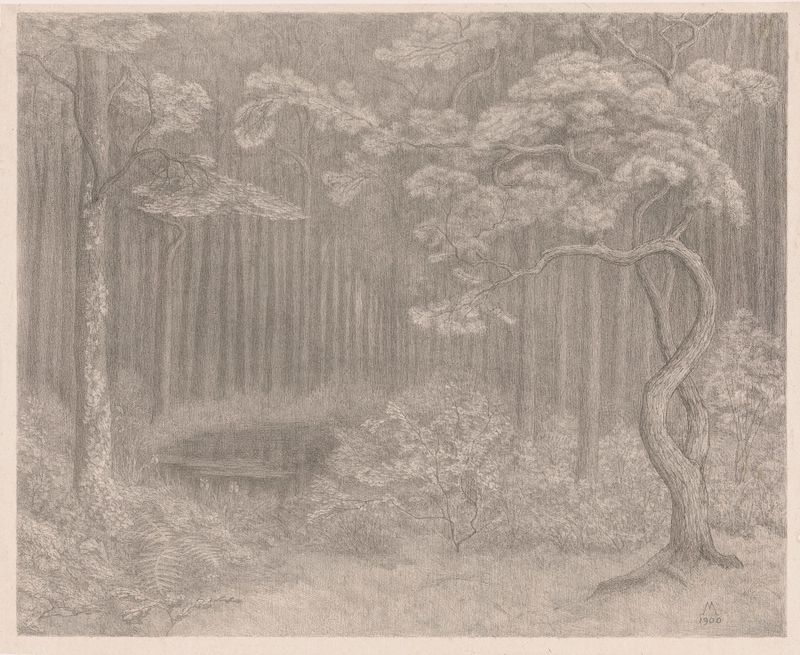
Bosgezicht
Simon Moulijn
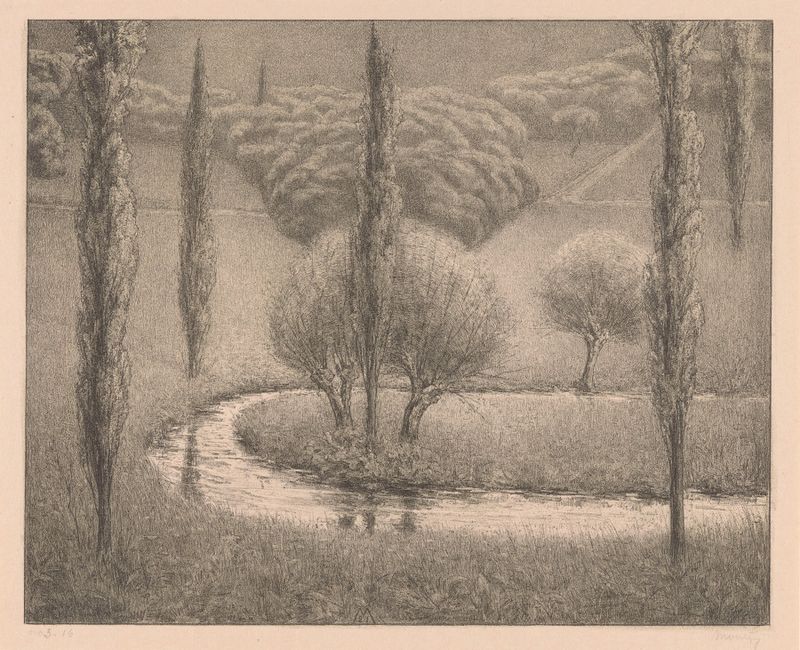
Landschap met wilgen en populieren
Simon Moulijn
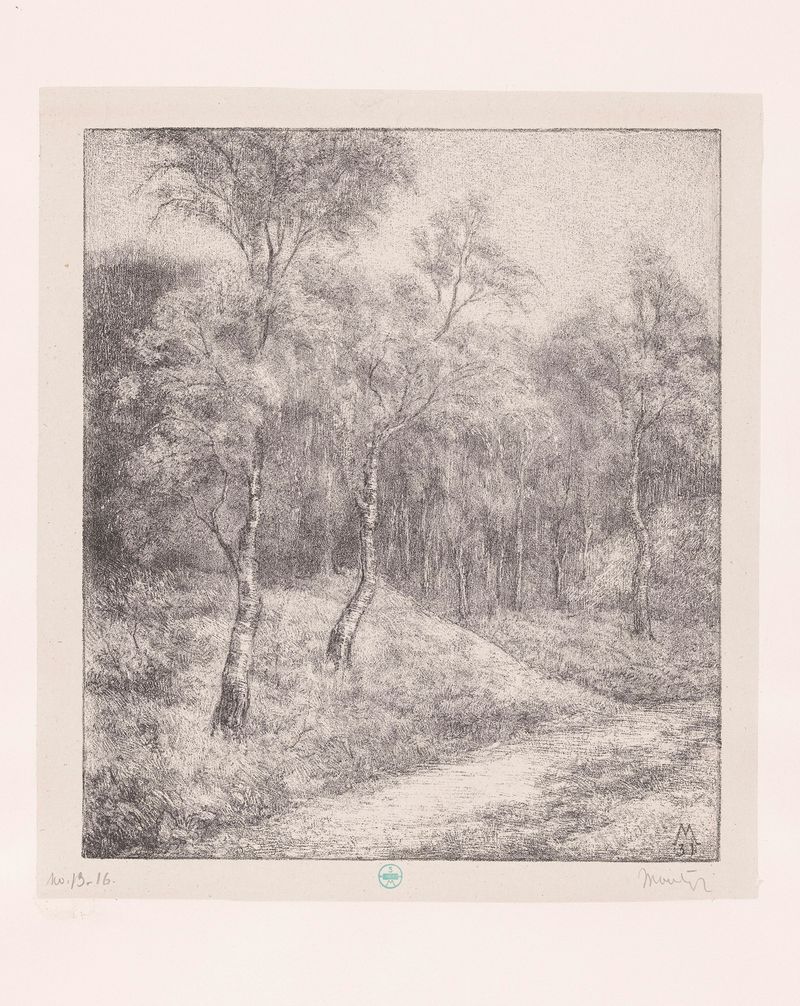
Bospad met berken
Simon Moulijn
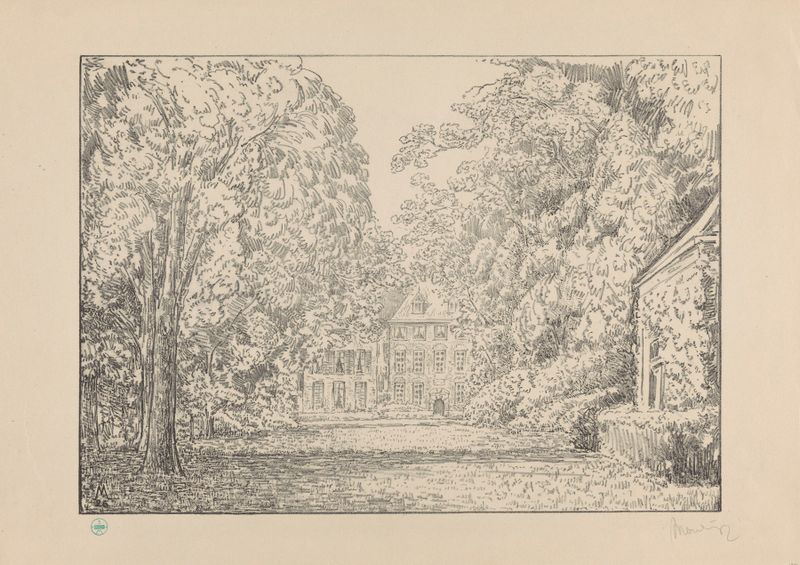
Gezicht op kasteel Duivenvoorde vanuit de tuin Duivenvoorde I
Simon Moulijn
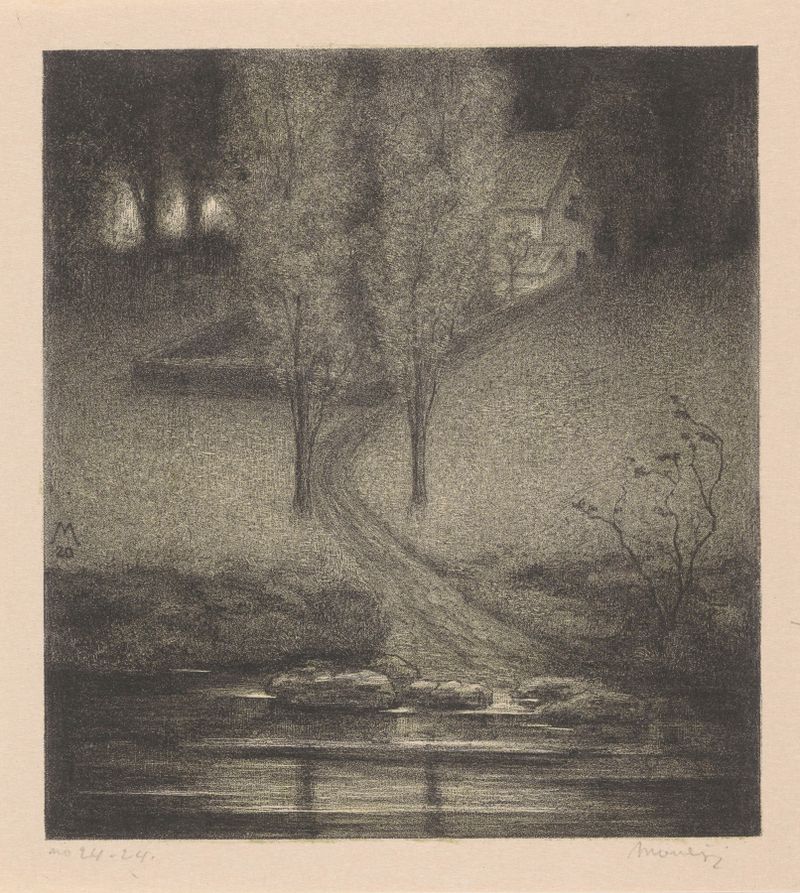
Populieren aan een beek
Simon Moulijn
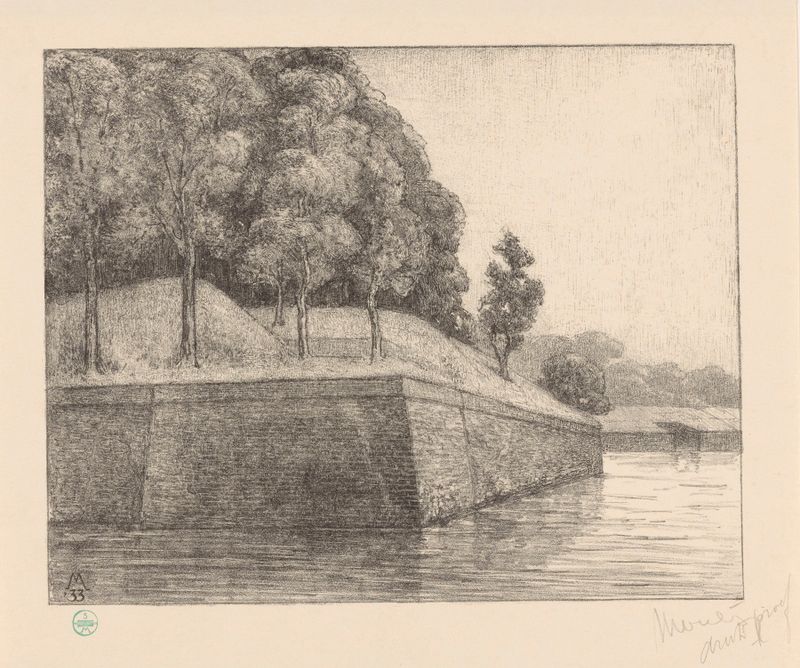
Gezicht op bastion Oud-Molen (westzijde)
Simon Moulijn
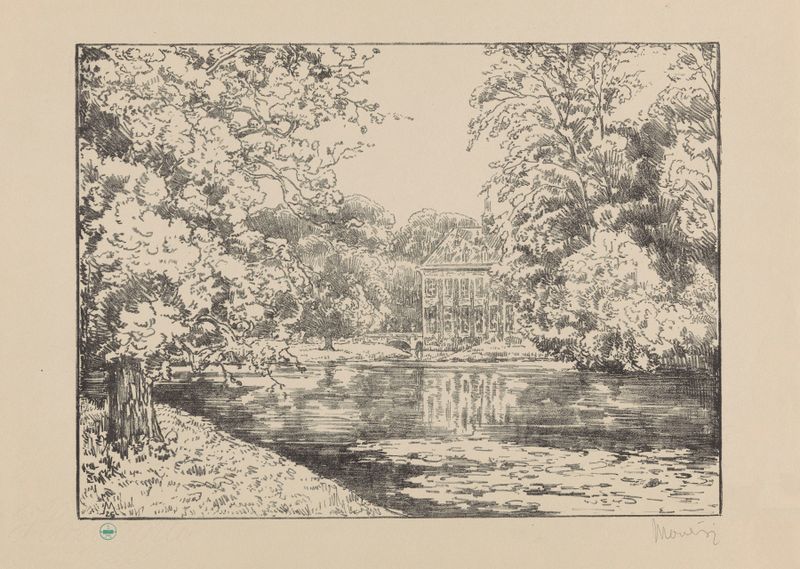
Kasteel Duivenvoorde aan vijver Duivenvoorde II
Simon Moulijn
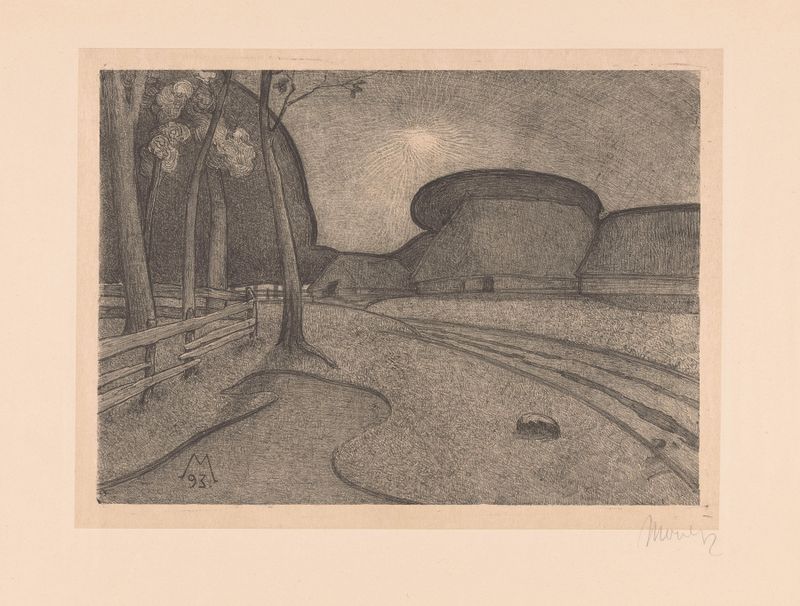
Landschap met boerderij Avond
Simon Moulijn
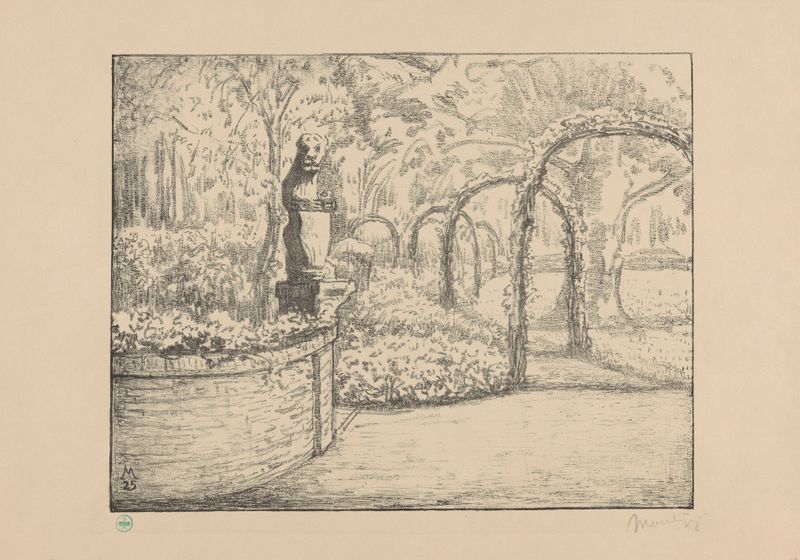
Tuin met rozenbogen op landgoed Zorgvliet Zorgvliet I
Simon Moulijn
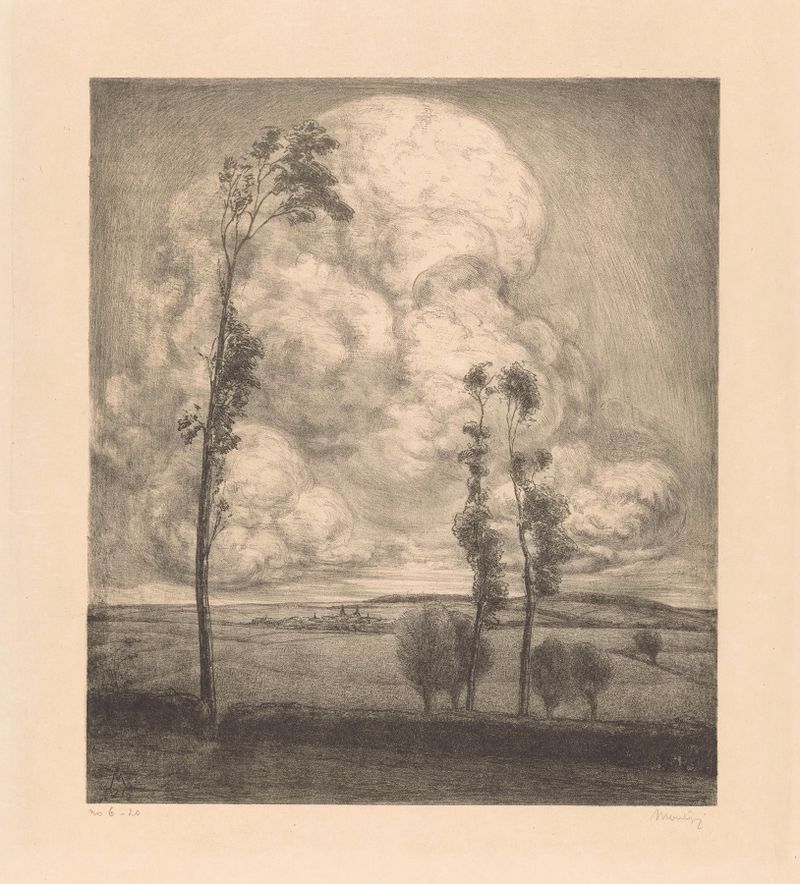
Wolken boven glooiend landschap
Simon Moulijn





