
Landschap in Chardstock — History & Facts
In Landschap in Chardstock, the viewer is greeted with a vibrant landscape filled with rolling hills and lush greenery. The colors are rich, with deep greens and earthy browns dominating the scene. A gentle sky, perhaps at dusk, adds a warm glow to the overall composition.
There are no figures present, allowing the landscape to speak for itself. The painting is executed in oil on canvas, a medium that allows for rich texture and depth. The brushwork is expressive, with visible strokes that convey the artist's emotional connection to the landscape. The dimensions are approximately 80 x 100 cm, making it a sizable piece that invites viewers to immerse themselves in its details.
The work likely dates to the 1930s, a period when Permeke was exploring themes of nature. Constant Permeke was a key figure in Belgian expressionism, known for his powerful depictions of rural life. This particular work reflects his deep appreciation for the natural world and his ability to convey emotion through landscape. An interesting fact about this painting is that it captures the essence of the Belgian countryside, a subject that Permeke returned to throughout his career.
His work often emphasizes the connection between humanity and nature, making this piece a significant representation of his artistic vision.
More Artworks by Constant Permeke
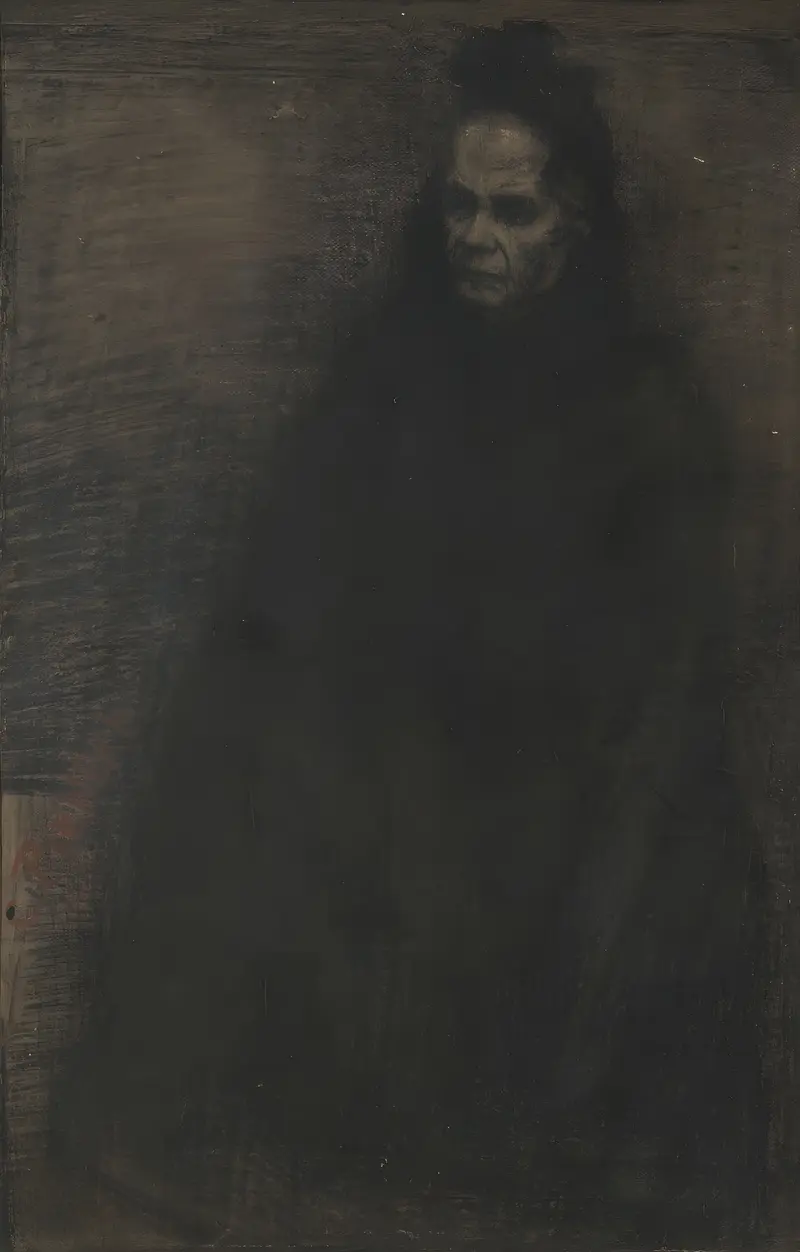
De moeder van de schilder
Constant Permeke
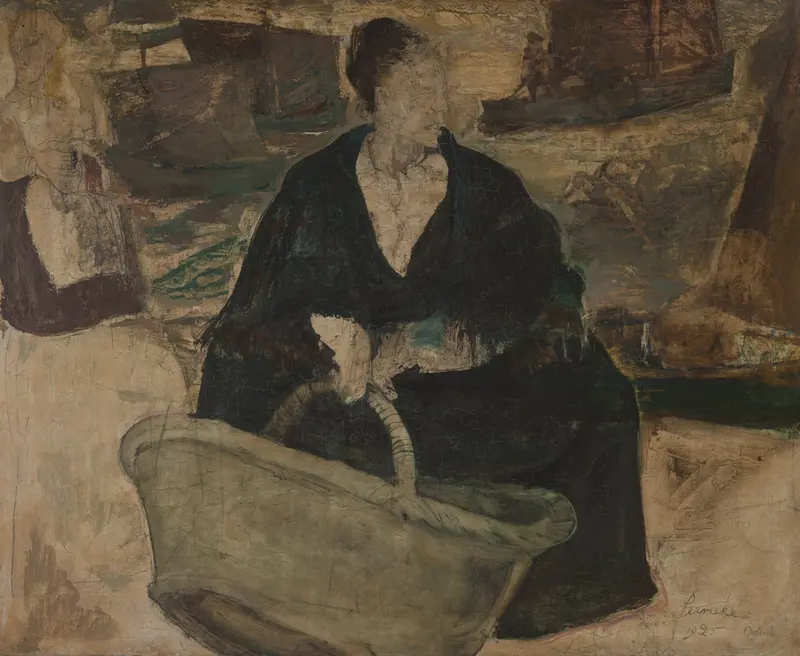
Fisherman’s Wife
Constant Permeke
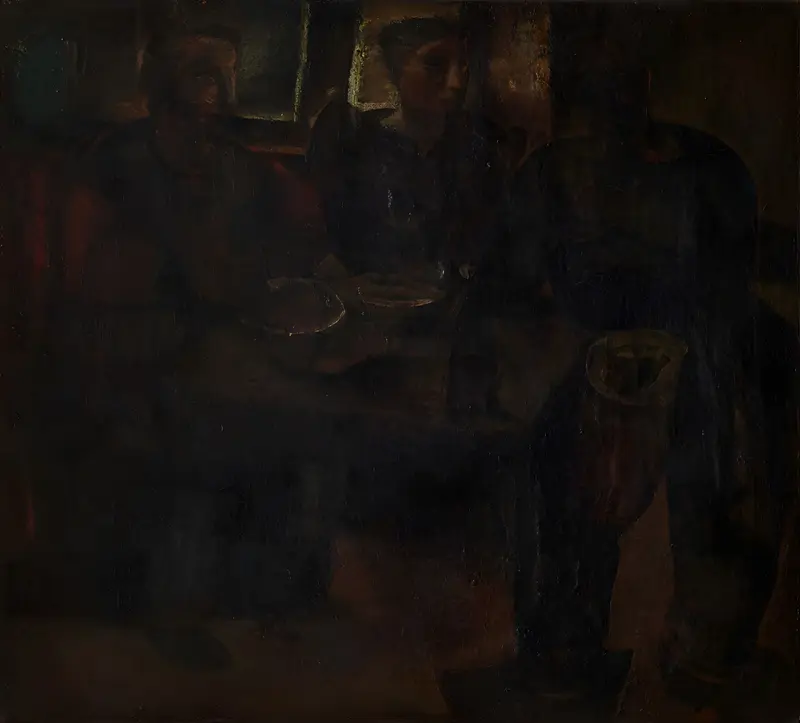
Het maal van de vissers
Constant Permeke

Rechtstaand naakt
Constant Permeke

De roeier
Constant Permeke

Den welgezinden
Constant Permeke
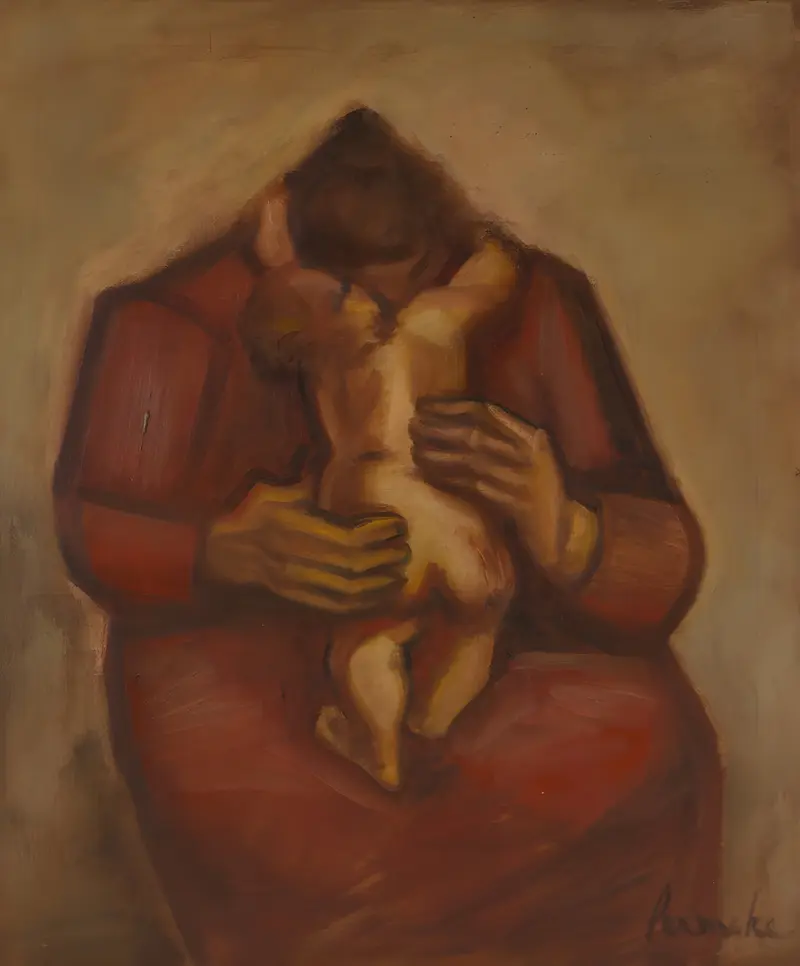
Moederschap
Constant Permeke
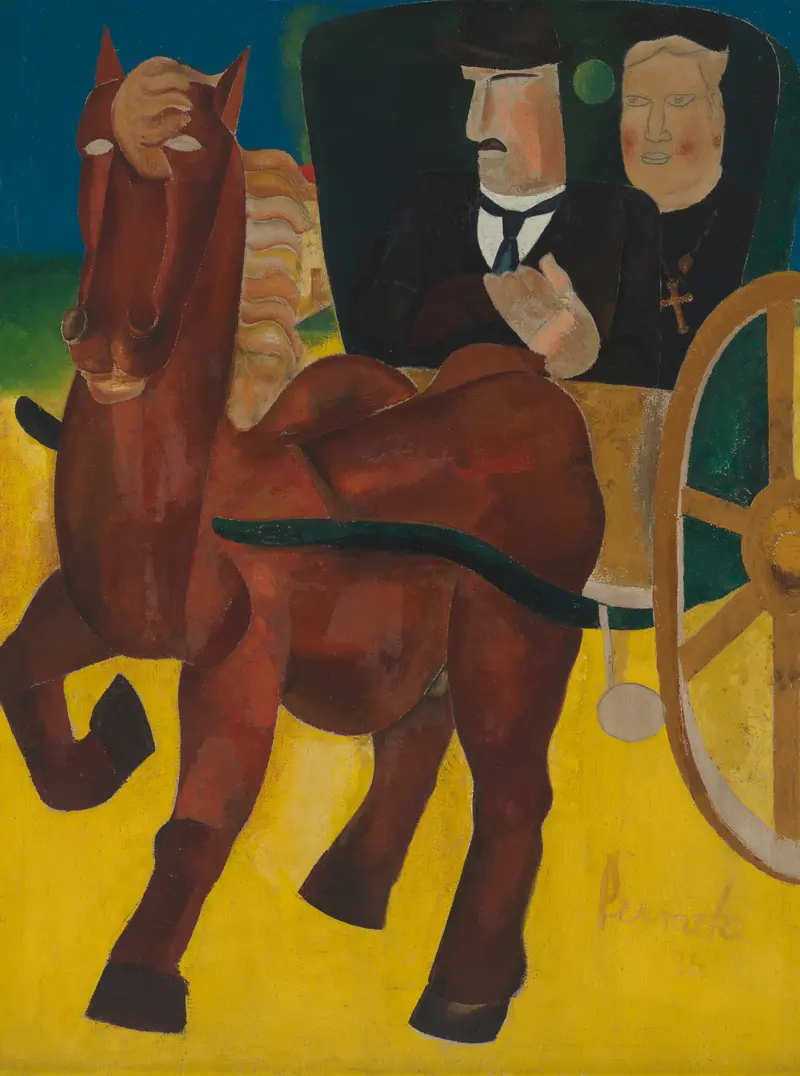
De Sjees
Constant Permeke
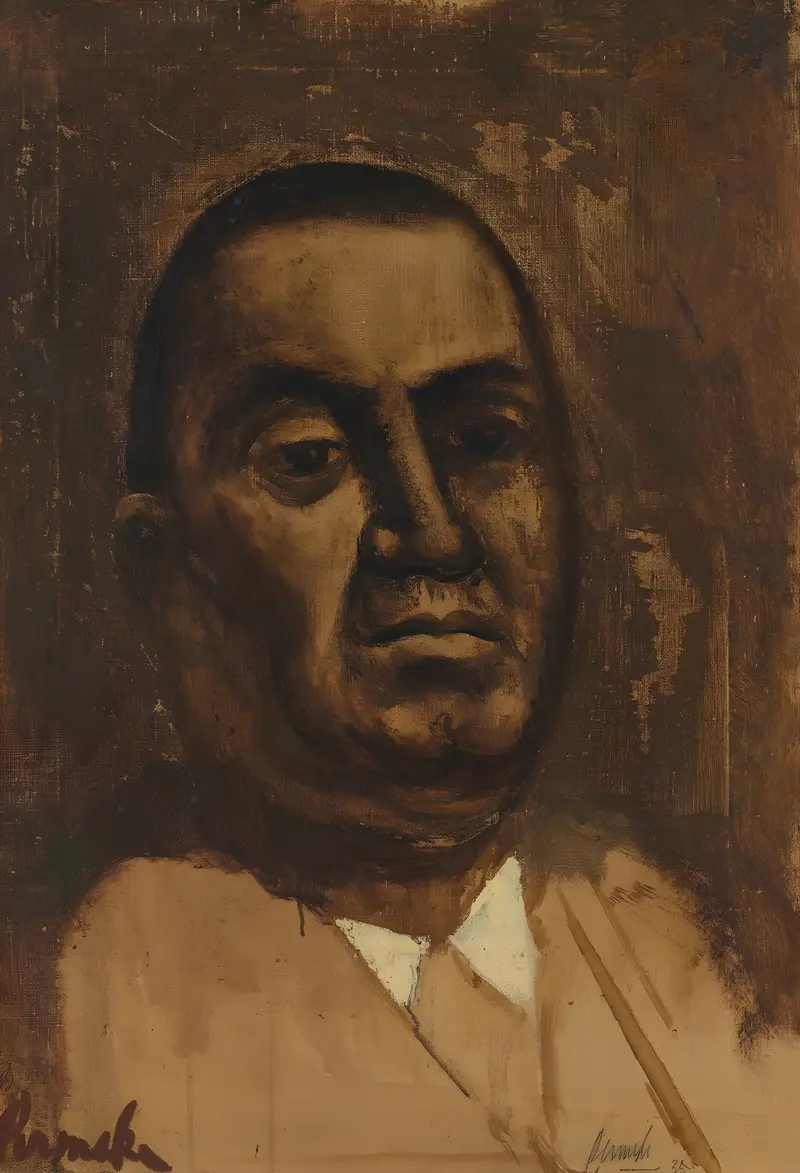
Portret van Gustave Van Geluwe
Constant Permeke
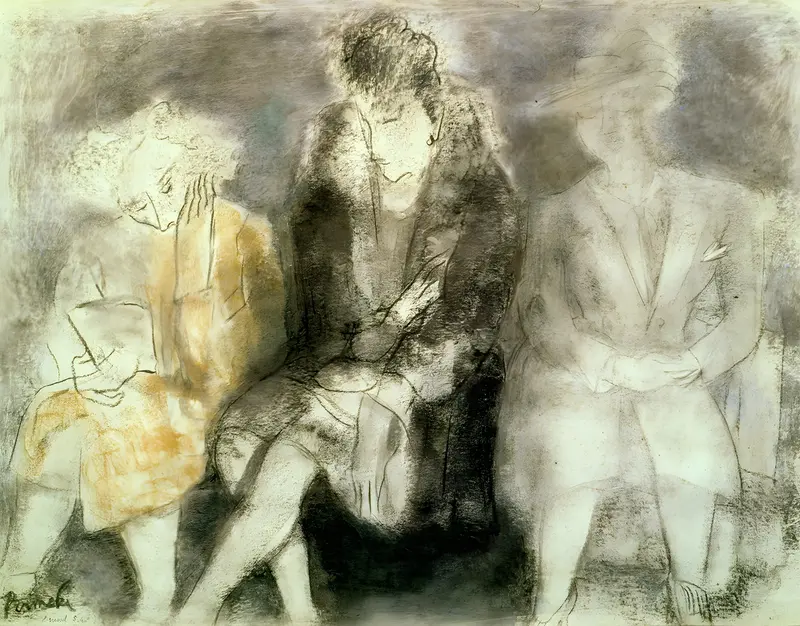
Drie Dames
Constant Permeke
More Landscape Art

The Starry Night
Vincent van Gogh

View of Delft
Johannes Vermeer

Water Lilies
Claude Monet

The Grand Canal, Venice, looking north-west from the Ca' Corner to the Ca' Contarini degli Scrigni, with the campanile of Santa Maria della Carità
Canaletto

Windsor Castle
Canaletto

The Grand Canal looking North-East from the Palazzo Dolfin-Manin to the Rialto Bridge
Canaletto