
Landschap met bomen — History & Facts
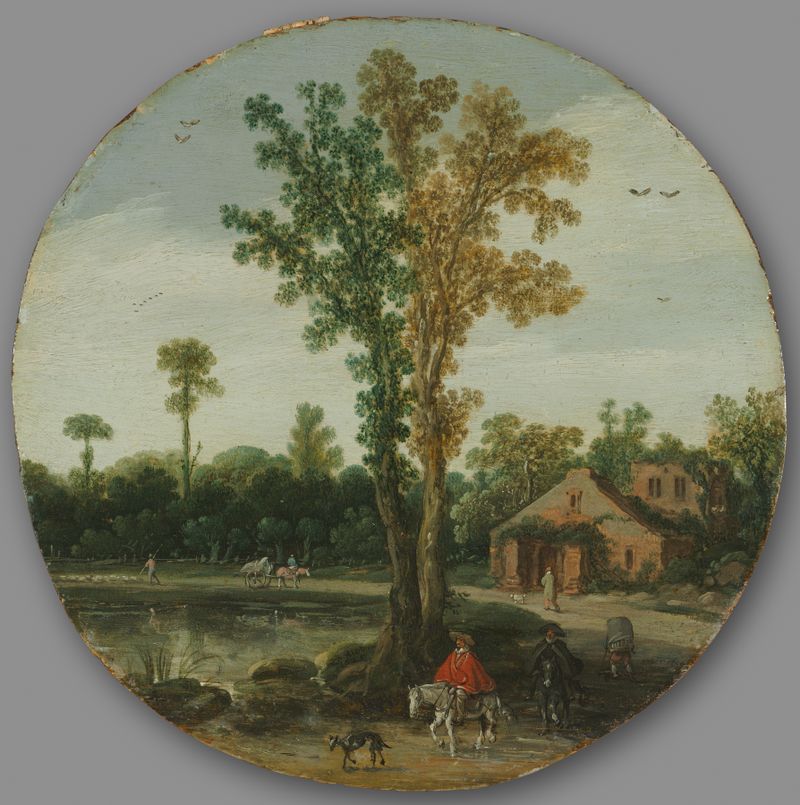
Can beauty exist without sorrow? In Esaias van de Velde's Landschap met bomen, a serene landscape beckons us, inviting reflection on the interplay of nature and the emotional weight it carries. Look to the foreground where a delicate blend of greens and browns create a tapestry of trees, their leaves catching the dappled sunlight. The composition guides your eye through the gentle undulations of the land, leading towards the horizon, where a muted sky meets the velvet earth. The artist’s brushwork is soft yet deliberate, instilling an atmosphere of tranquility that contrasts with the tension of loss that often resides in memories of nature. Amidst the peaceful scenery, hidden meanings unfold if one looks closely.
The trees, stoic and steadfast, can be seen as silent witnesses to time’s passage, embodying both the beauty of life and the inevitability of decay. The quiet water nearby mirrors the landscape, suggesting introspection and perhaps an undercurrent of grief that flows beneath the surface. Such contrasts remind us that nature, while enchanting, often carries the echoes of what has been lost. Esaias van de Velde painted Landschap met bomen during a period of artistic flourishing in the Dutch Golden Age, likely between 1645 and 1674.
Working in a time when landscape painting gained prominence, he sought to capture the essence of the natural world while navigating personal and societal shifts. The period was marked by both prosperity and strife, allowing Van de Velde's work to reflect a duality, celebrating beauty while acknowledging the melancholy inherent in existence.
More Artworks by Esaias van de Velde
Browse all →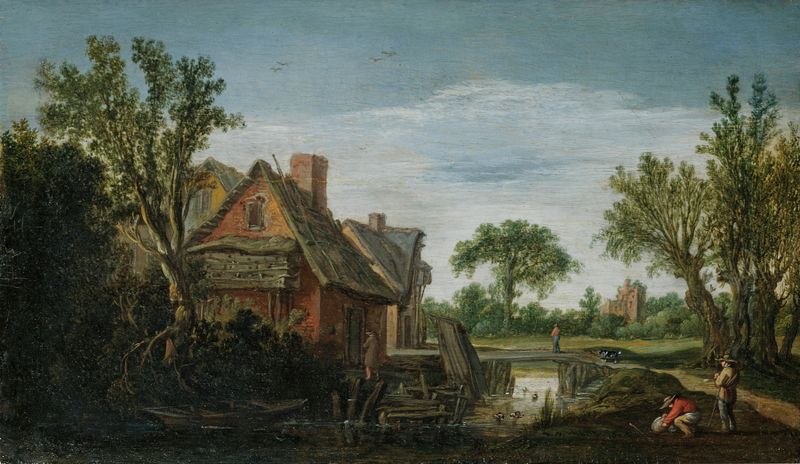
The Hague A Wooded River Landscape With Figures On A Path On A River Bank Beside A Village, A Bridge Beyond
Esaias van de Velde
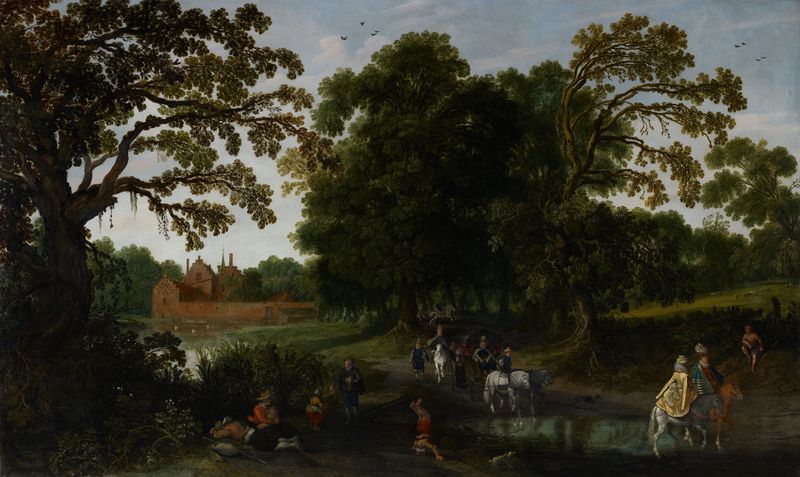
Courtly Procession before Abstpoel Castle
Esaias van de Velde
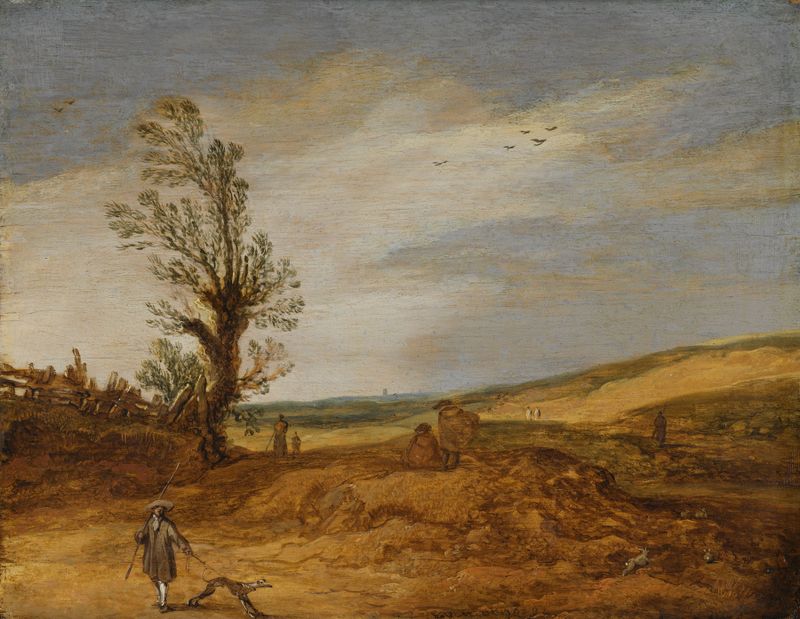
A View in the Dunes
Esaias van de Velde
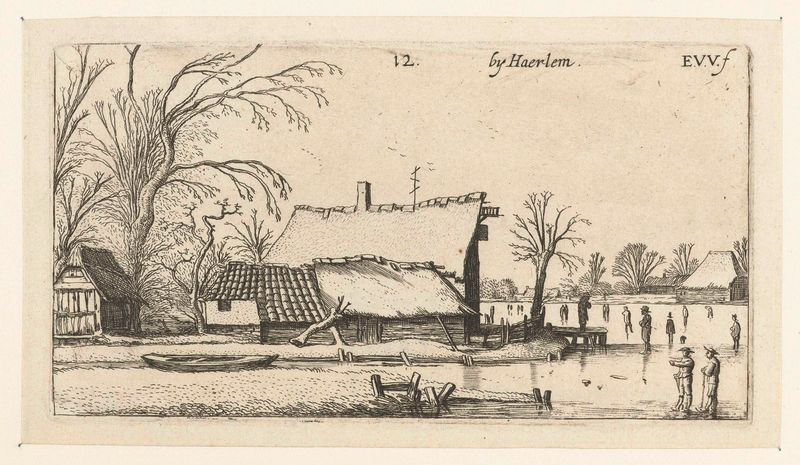
Boerderij bij een bevroren rivier met schaatsers
Esaias van de Velde
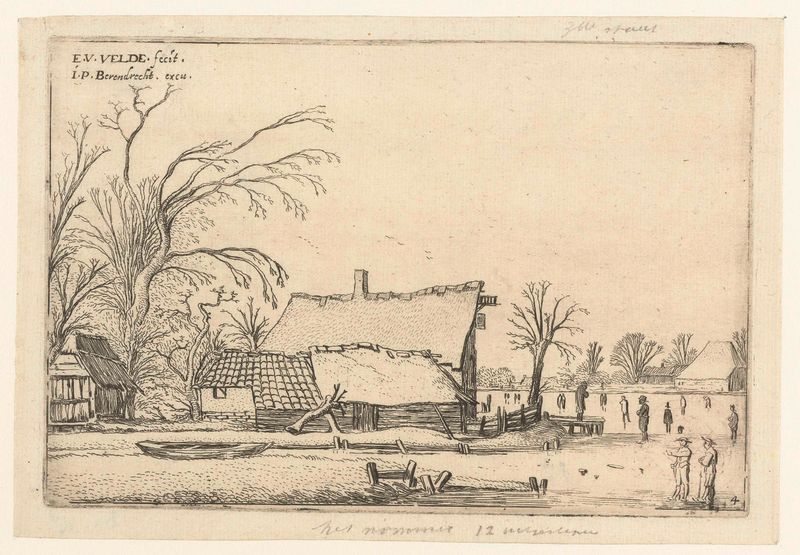
Boerderij bij een bevroren rivier met schaatsers
Esaias van de Velde
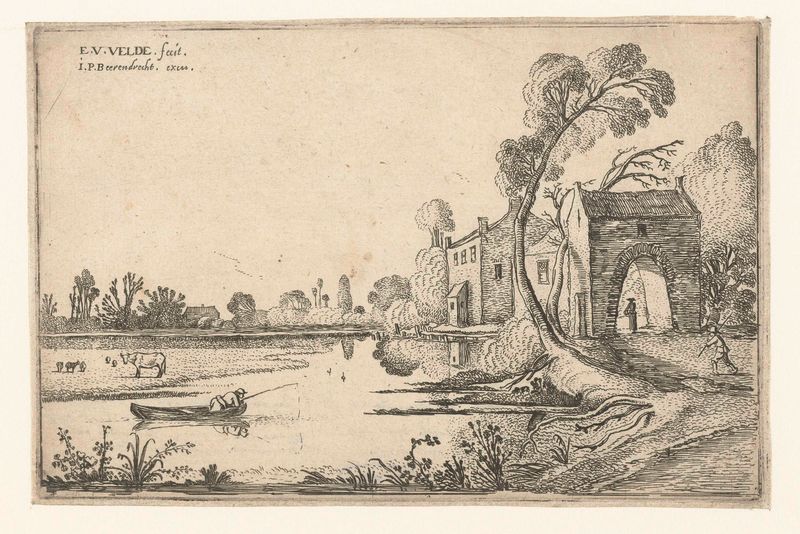
Landschap met rivier en poortgebouw
Esaias van de Velde
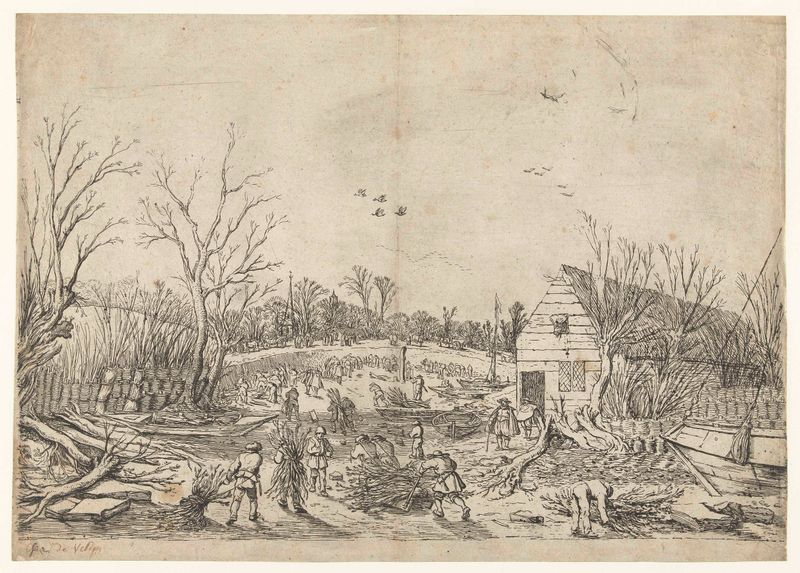
Herstelwerkzaamheden aan de doorgebroken Lekdijk bij 't Waal
Esaias van de Velde
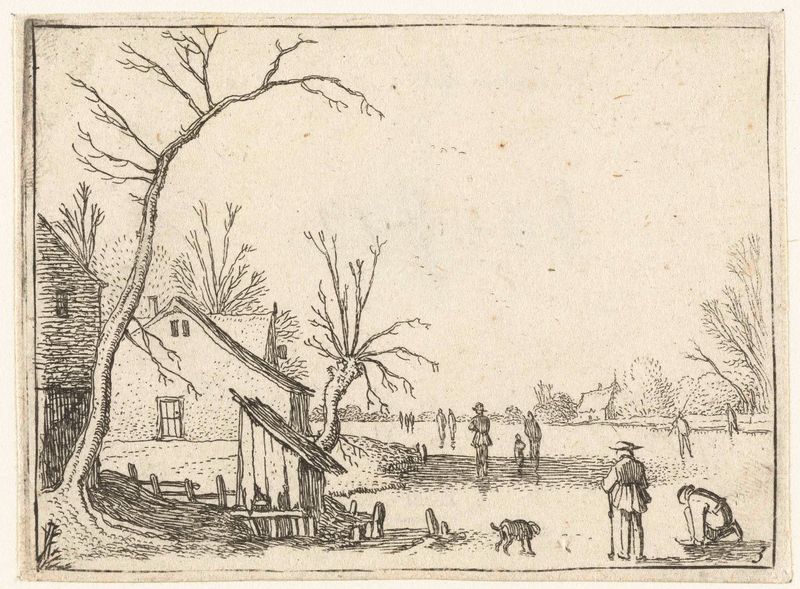
Boerderij bij bevroren rivier en schaatsers op het ijs
Esaias van de Velde
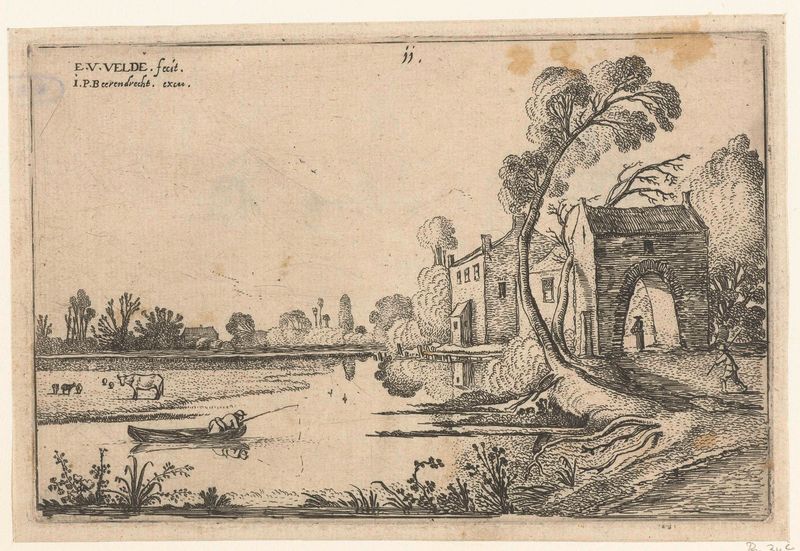
Landschap met een rivier en poortgebouw
Esaias van de Velde
Travelers by a Lake
Esaias van de Velde





