
Landschap met bomen en beek — History & Facts
Who listens when art speaks of silence? In Landschap met bomen en beek, tranquility envelops the viewer, inviting contemplation and nostalgia for the serene landscapes of yesteryears. Look to the foreground where lush, verdant trees stand sentinel over a winding brook. Notice how Moulijn masterfully captures the dappled light filtering through the foliage, creating a dance of shadow and illumination. The brushstrokes are fluid and expressive, drawing eyes along the gentle curve of the water, leading us to explore deeper into the tranquil expanse.
The palette is rich with greens and subtle earth tones, evoking a sense of harmony between nature and observer, urging us to breathe in the calm. Yet beneath this idyllic surface lies a complexity of emotion. The juxtaposition of the sturdy trees against the ephemeral flow of the water reflects the passage of time, hinting at memories long past. Each ripple in the brook may represent fleeting moments of joy or sorrow, and the stillness of the scene creates a poignant tension, as if the landscape itself is a guardian of lost tales.
Moulijn captures not just nature but the echoes of human experience intertwined with it. In 1901, Simon Moulijn painted this landscape while living in the Netherlands, a period marked by an increasing interest in Impressionism and its ability to capture fleeting impressions of light and atmosphere. As the art world shifted, Moulijn found himself among the pioneers of this movement, crafting works that reflected both his surroundings and the emotional landscapes of his own life, evoking a deep sense of connection to the natural world and its quiet stories.
More Artworks by Simon Moulijn
Browse all →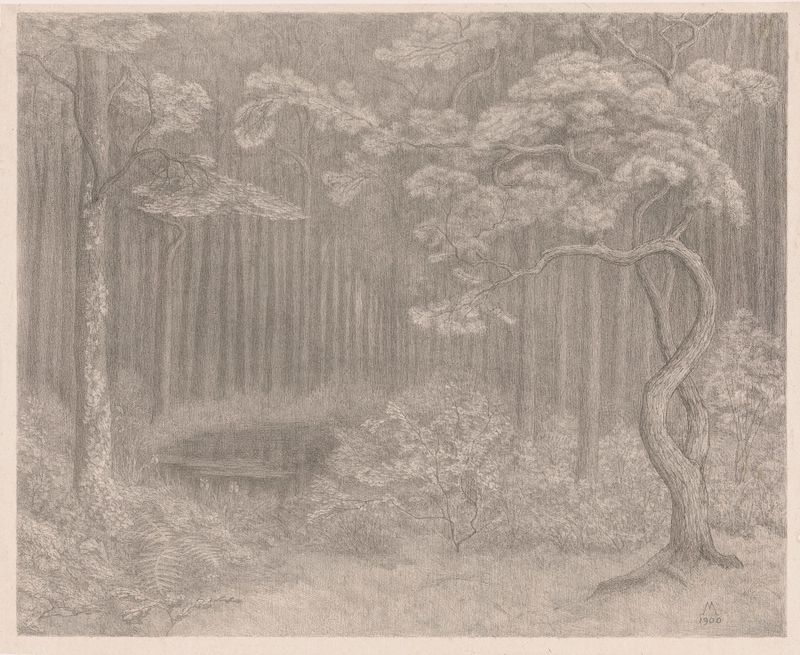
Bosgezicht
Simon Moulijn
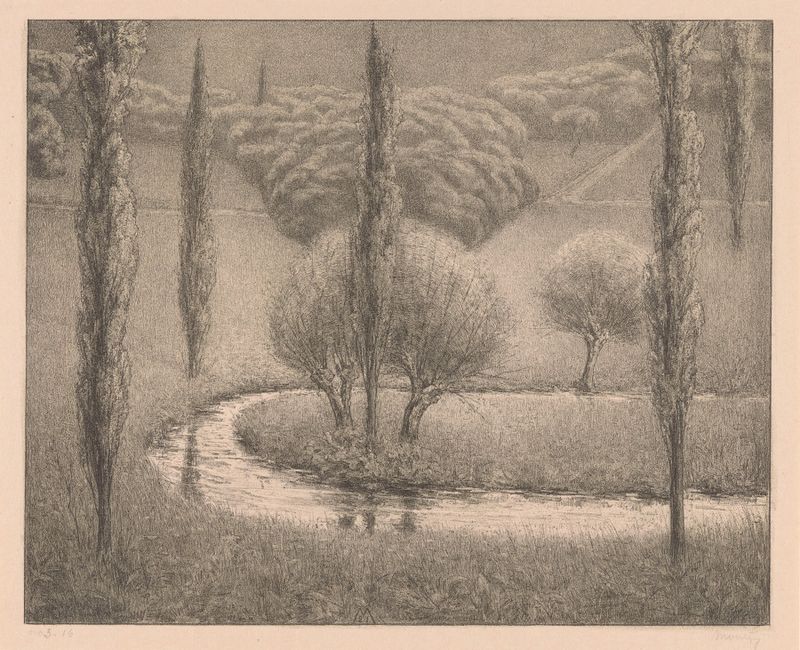
Landschap met wilgen en populieren
Simon Moulijn
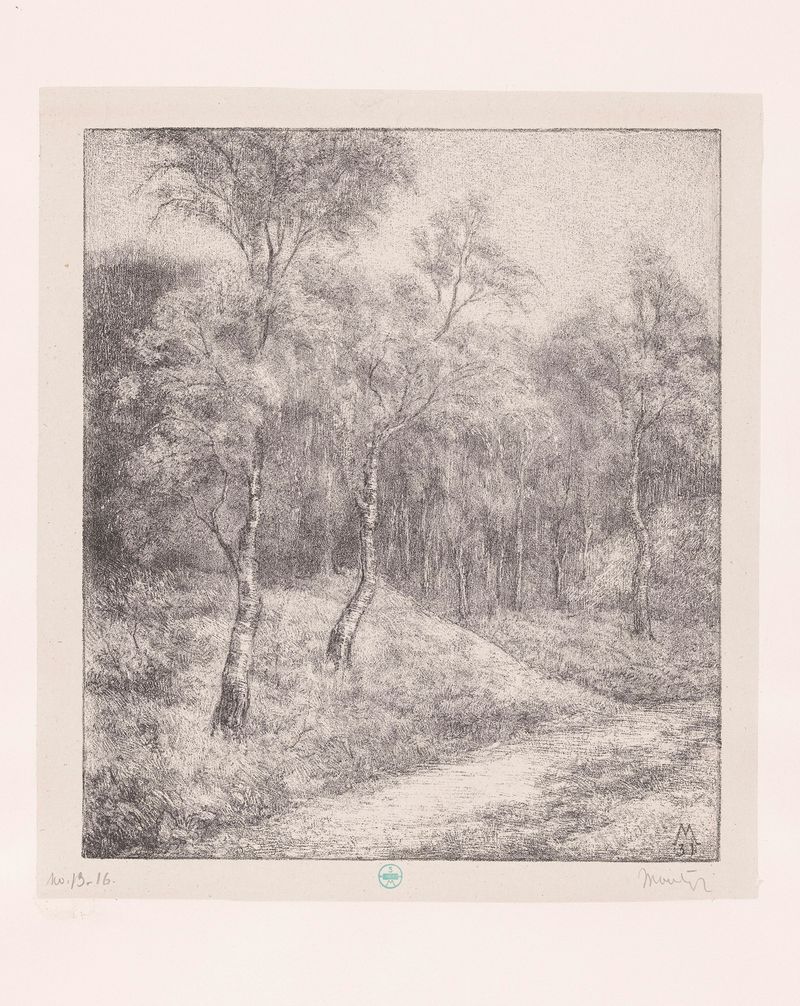
Bospad met berken
Simon Moulijn
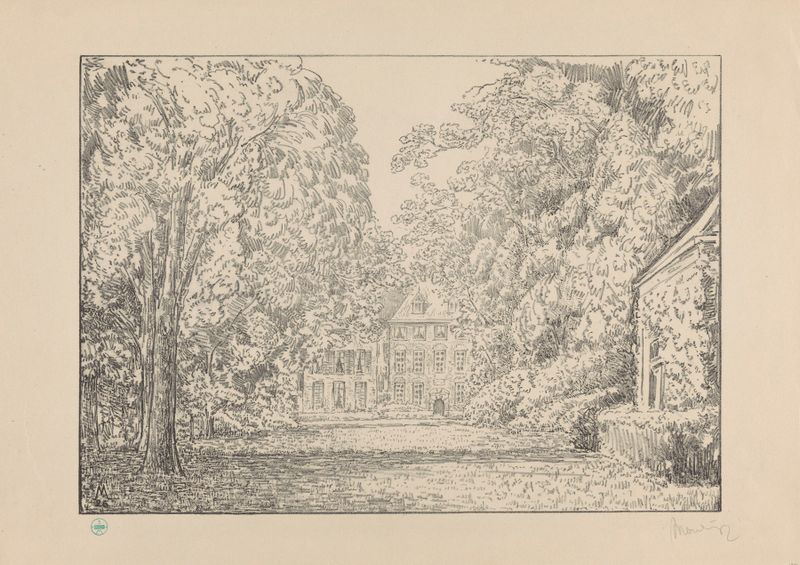
Gezicht op kasteel Duivenvoorde vanuit de tuin Duivenvoorde I
Simon Moulijn
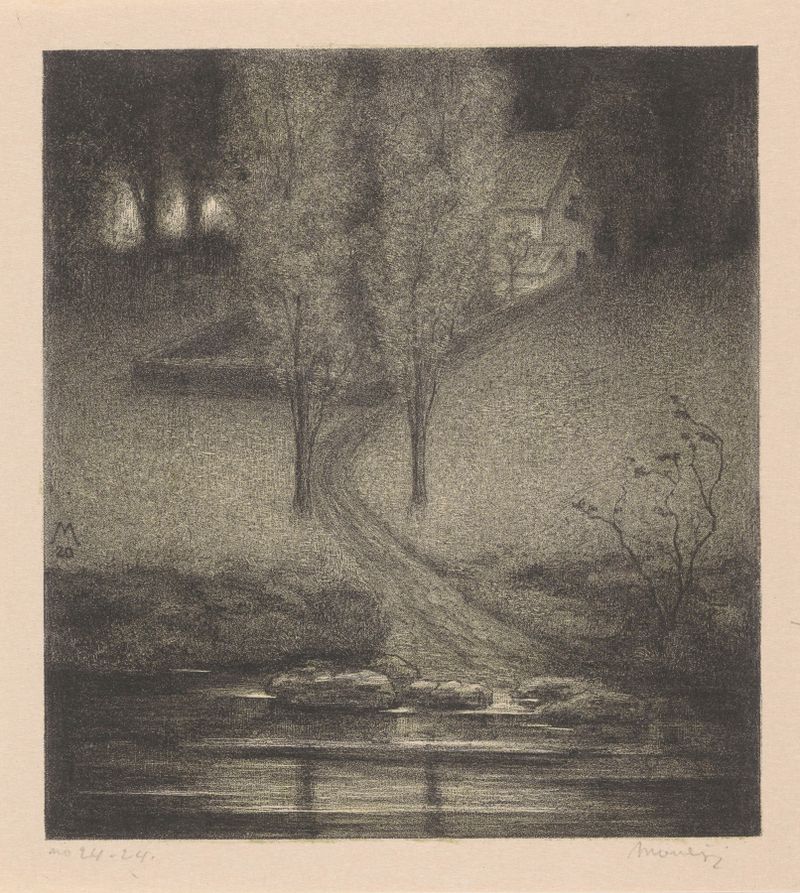
Populieren aan een beek
Simon Moulijn
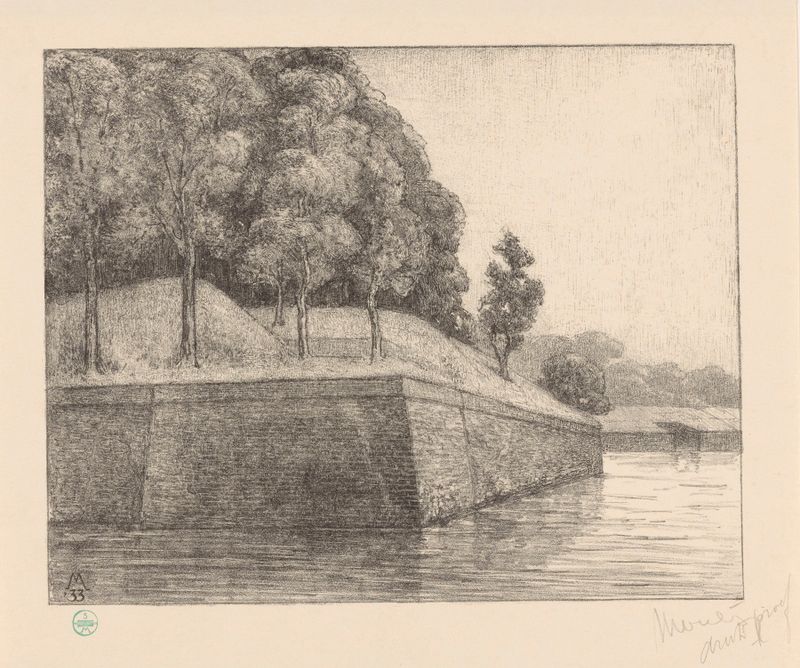
Gezicht op bastion Oud-Molen (westzijde)
Simon Moulijn
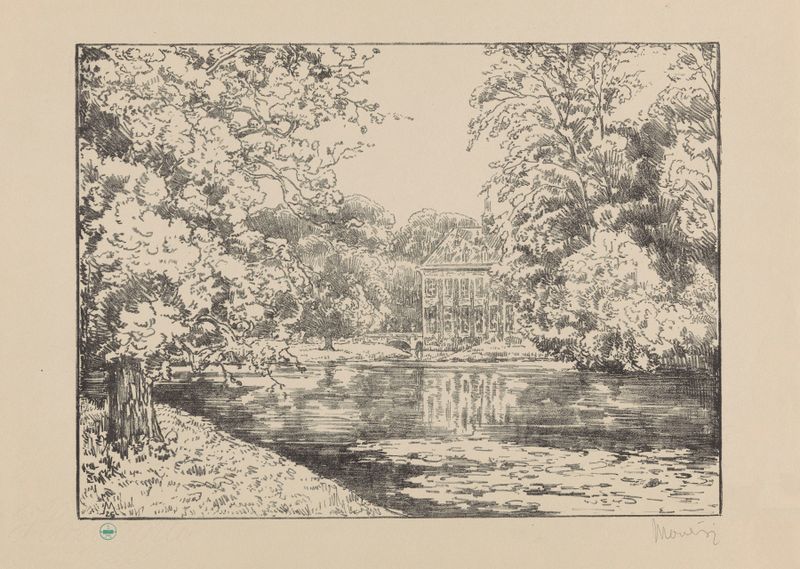
Kasteel Duivenvoorde aan vijver Duivenvoorde II
Simon Moulijn
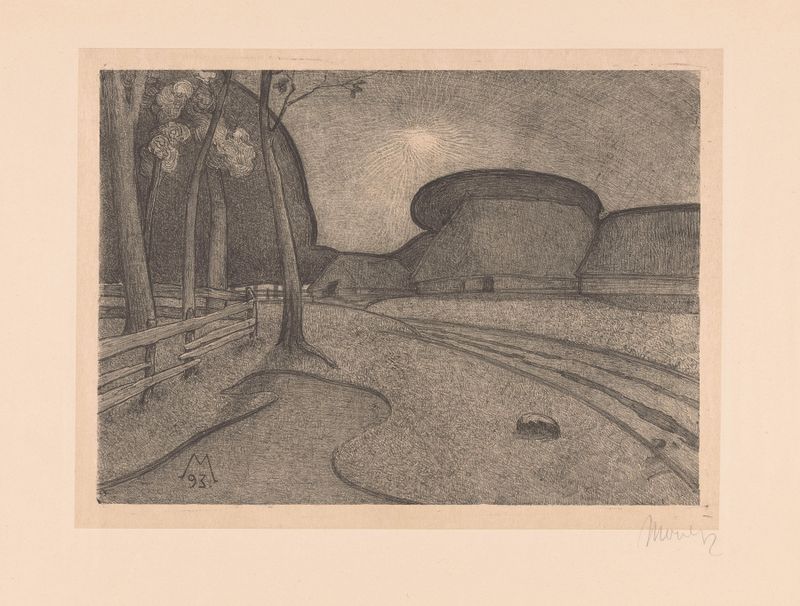
Landschap met boerderij Avond
Simon Moulijn
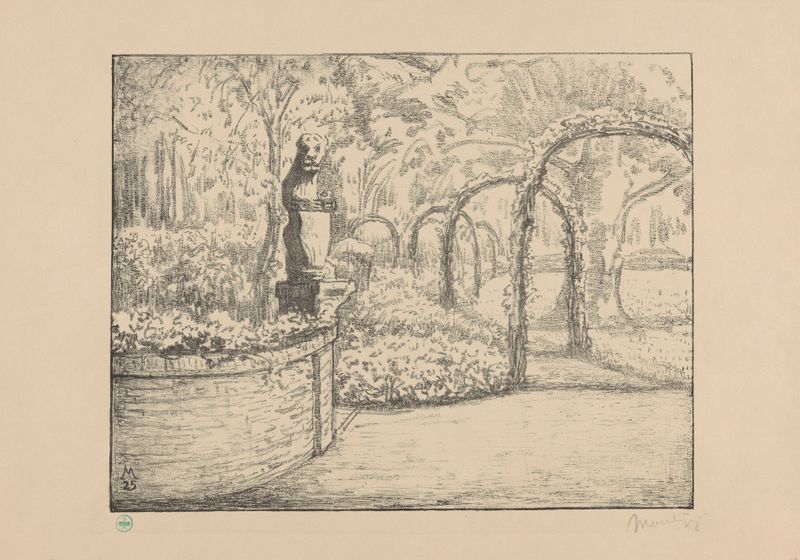
Tuin met rozenbogen op landgoed Zorgvliet Zorgvliet I
Simon Moulijn
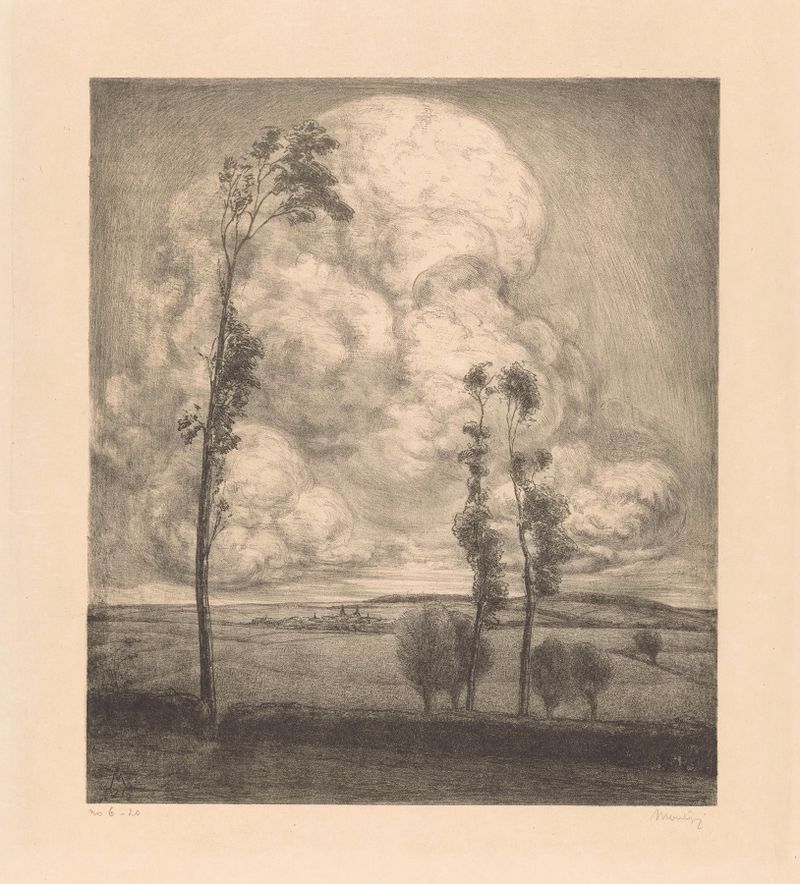
Wolken boven glooiend landschap
Simon Moulijn





