
Landschap met drinkend vee — History & Facts
Who listens when art speaks of silence? In Landschap met drinkend vee, the essence of tranquility unfurls as nature breathes, revealing a sacred dialogue between divinity and the mundane. Look to the foreground where a small group of cattle graze peacefully beside a gently flowing stream. Notice how the light dances across the water’s surface, shimmering like fleeting thoughts captured in a moment of reflection. The soft, earthy greens of the pasture contrast sharply with the muted browns of the cattle, ensuring that the viewer's gaze is drawn to the harmony of the scene.
Hollar's precise lines and delicate shading create an almost ethereal quality, invoking a sense of reverence for this pastoral vista. Delve deeper into the composition, and you will find layers of meaning woven through the landscape. The stillness of the water serves as a metaphor for inner peace, while the presence of the cattle suggests an intimate connection to nature's cycle and a divine providence that nurtures all living beings. The distant hills loom like guardians over the scene, reminding us of the ever-watchful presence of the divine in our lives, even in moments of quiet simplicity. Wenceslaus Hollar painted this work in 1650, during a period of profound change in Europe.
Living in the aftermath of the Thirty Years' War, the artist, originally from Bohemia, found refuge in England. It was a time when the art world was beginning to embrace realism and naturalism, reflecting societal shifts. Hollar’s landscapes, rich with detail and sensitivity, mark his significant contribution to this evolving narrative, celebrating nature’s beauty while inviting contemplation on its greater purpose.
More Artworks by Wenceslaus Hollar
Browse all →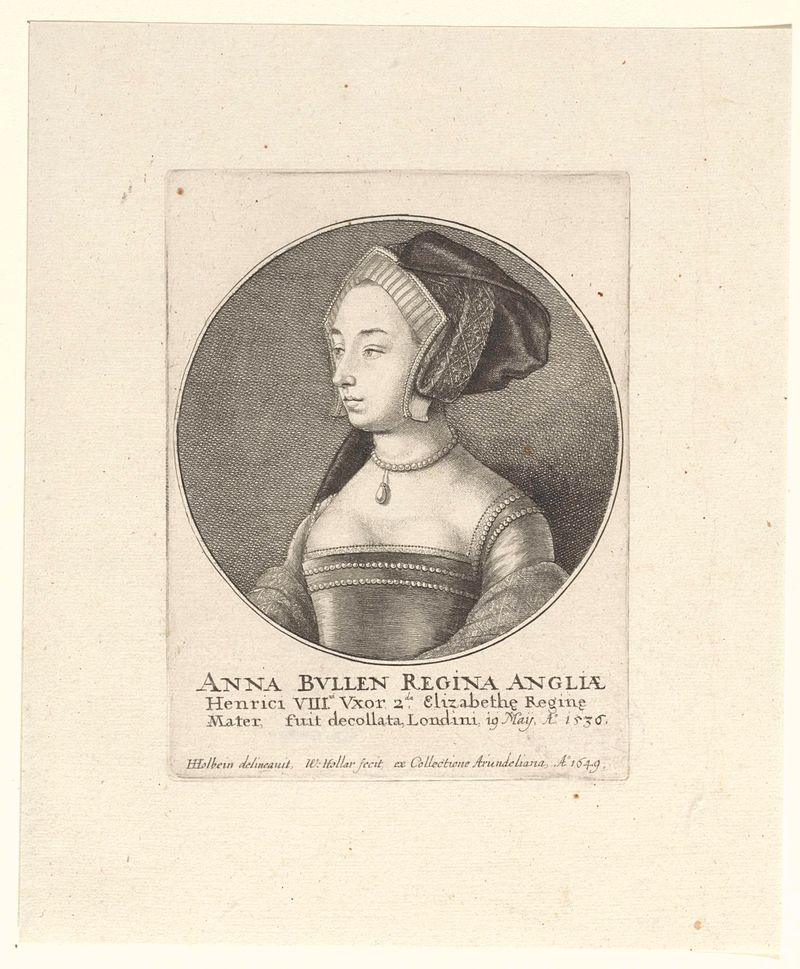
Portret van Anna Boleyn, koningin van Engeland
Wenceslaus Hollar
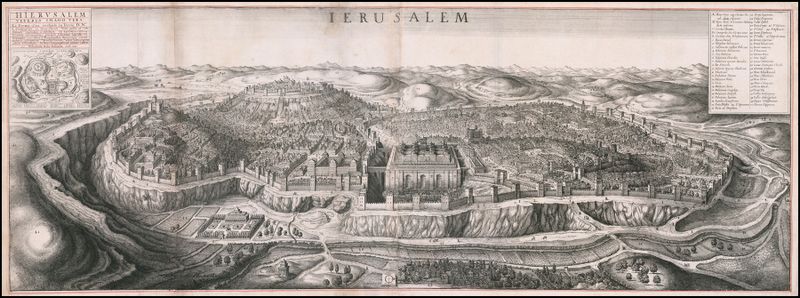
Bird’s eye view of Jerusalem
Wenceslaus Hollar
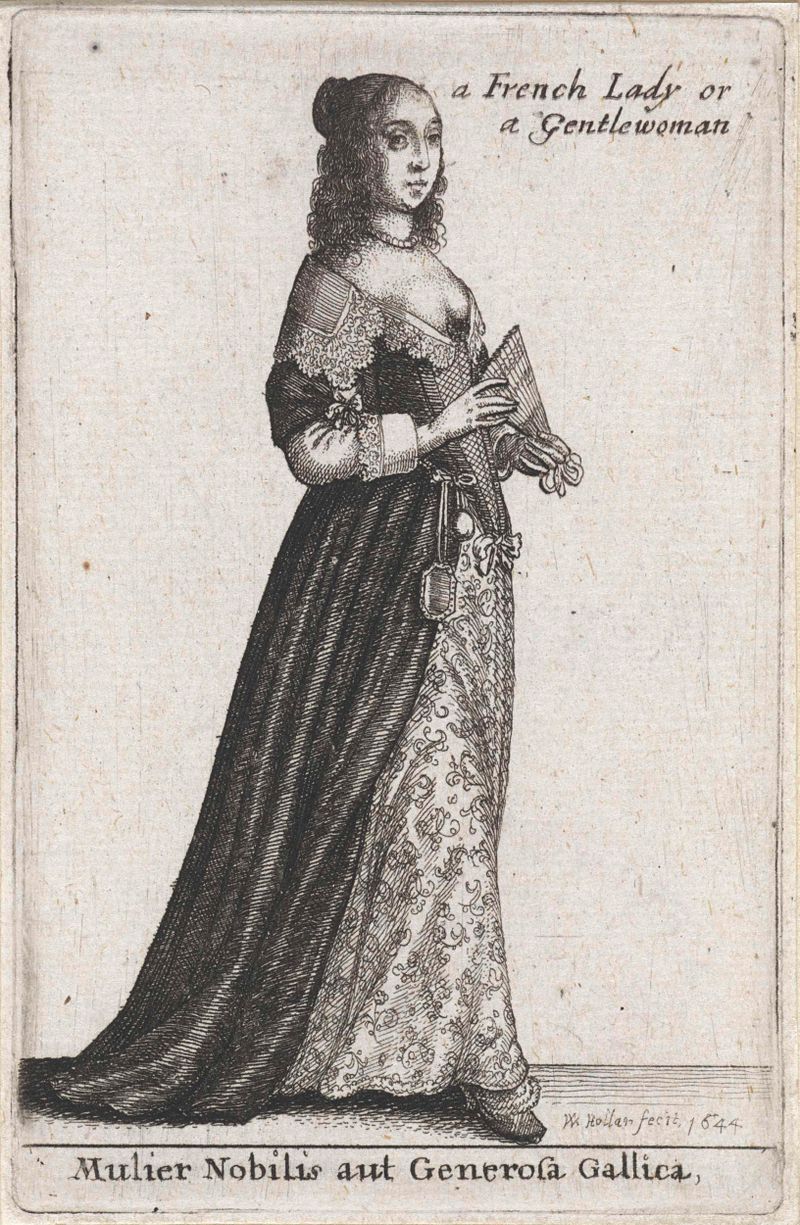
Mulier Nobilis aut Generosa Gallica / a French Lady or Gentlewoman
Wenceslaus Hollar
Titelprent voor: Ornatus Muliebris Anglicanus
Wenceslaus Hollar
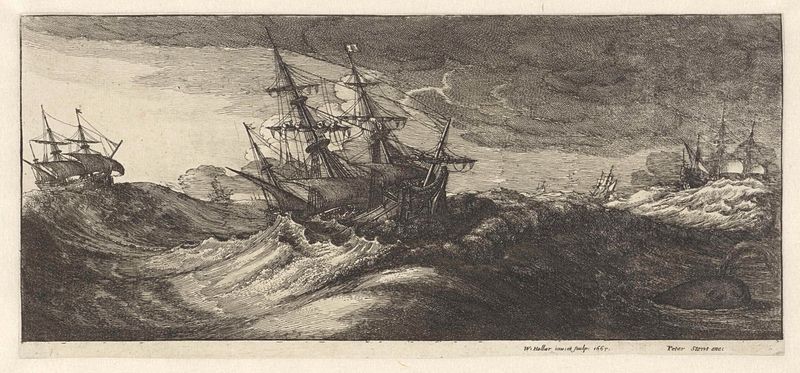
Oorlogsschepen en een walvis in een zeestorm
Wenceslaus Hollar
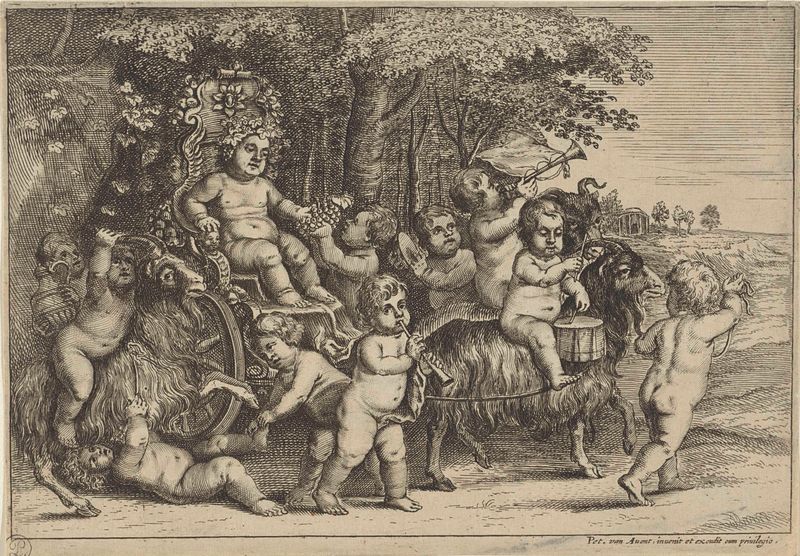
Optocht van bacchant en jongetjes op geiten
Wenceslaus Hollar
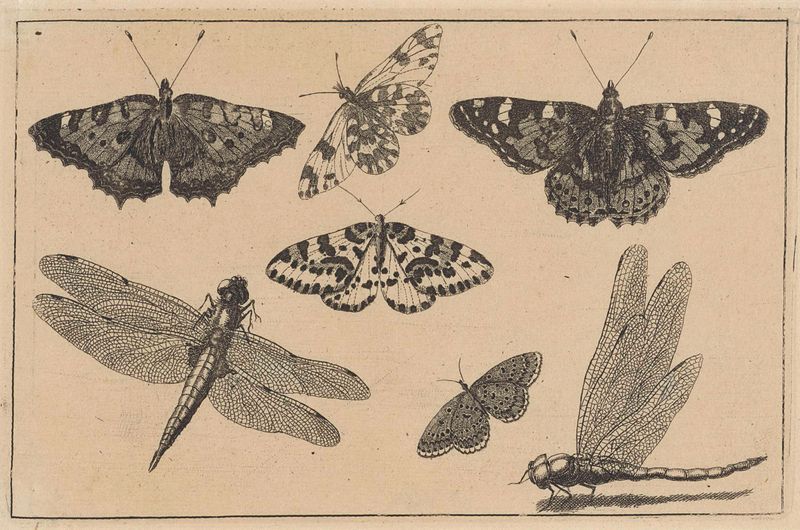
Twee libellen en vijf vlinders
Wenceslaus Hollar
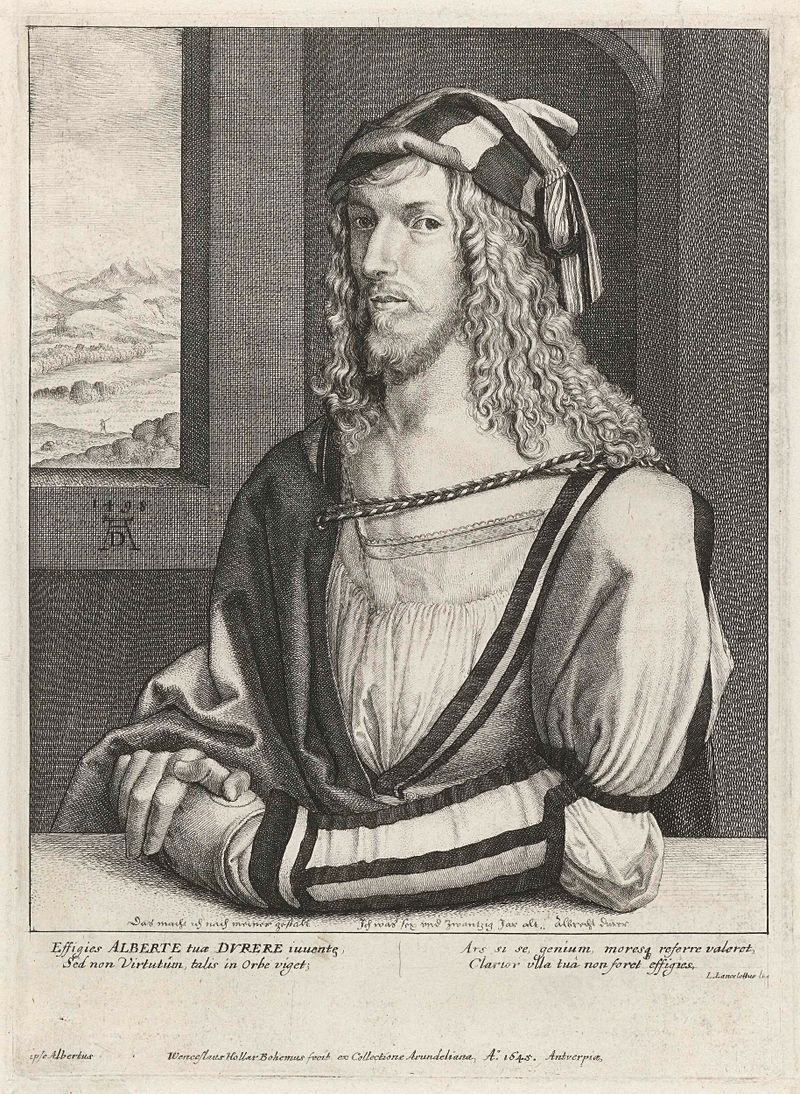
Portret van Albrecht Dürer
Wenceslaus Hollar
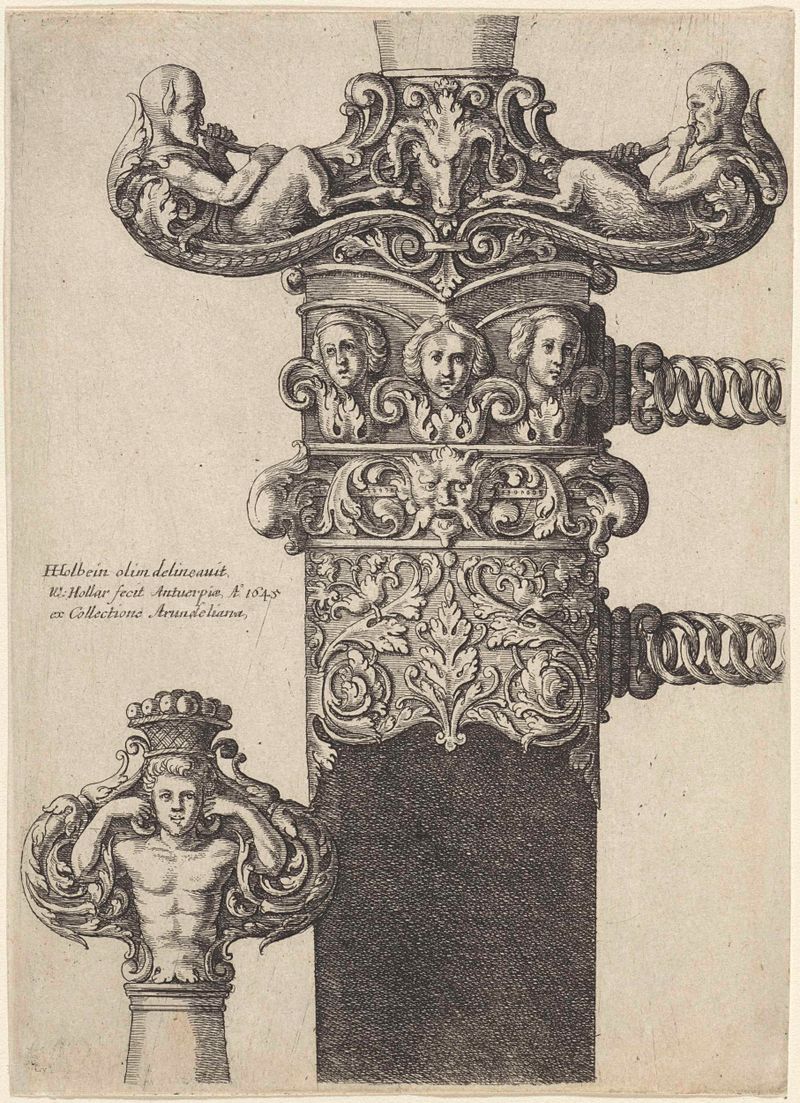
Ornamenteel ontwerp voor een dolk
Wenceslaus Hollar
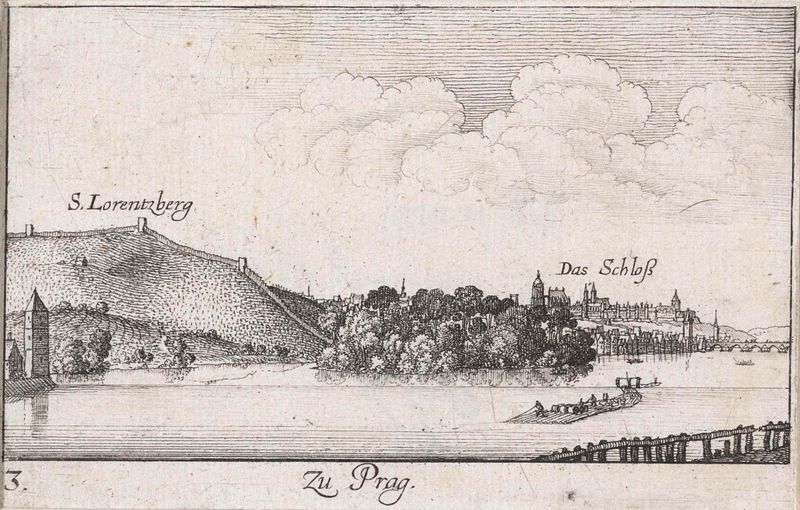
Gezicht op Praag vanaf de Moldau
Wenceslaus Hollar





