
Landschap met drinkend vee bij een stenen brug — History & Facts
What secret hides in the quiet of the canvas? In Landschap met drinkend vee bij een stenen brug, Wenceslaus Hollar captures a moment of tranquil emptiness that invites reflection and introspection. The serenity of the landscape resonates deeply, revealing the subtle tensions between nature and the presence of man. Look to the foreground, where the gentle curve of the stone bridge leads your eye to the herd of cattle drinking from the water below. Notice how the muted palette of greens and browns complements the soft, dappled light filtering through the trees, creating an atmosphere of calm.
Hollar's meticulous attention to detail in every blade of grass and the delicate ripples in the water serves to enhance the idyllic harmony of this pastoral scene. Yet, this peaceful tableau holds layers of meaning. The cattle, though seemingly content, evoke the notion of dependence on the land—a reminder of the fragility of life in nature. The bridge, a man-made structure, symbolizes the intersection of human ingenuity and the untamed world, suggesting a delicate balance that is easily disturbed.
This echoes a larger existential contemplation of solitude and emptiness, underscoring the transient beauty of the moment captured. In 1649, Hollar painted this landscape amid the tumult of the Thirty Years' War, a period that brought both destruction and reflection to Europe. Living in Antwerp at the time, he was influenced by the Baroque style while also drawing from techniques of earlier Flemish artists. The peacefulness in his work contrasts sharply with the chaos of his surroundings, allowing viewers to escape into a moment of stillness amidst the storm.
More Artworks by Wenceslaus Hollar
Browse all →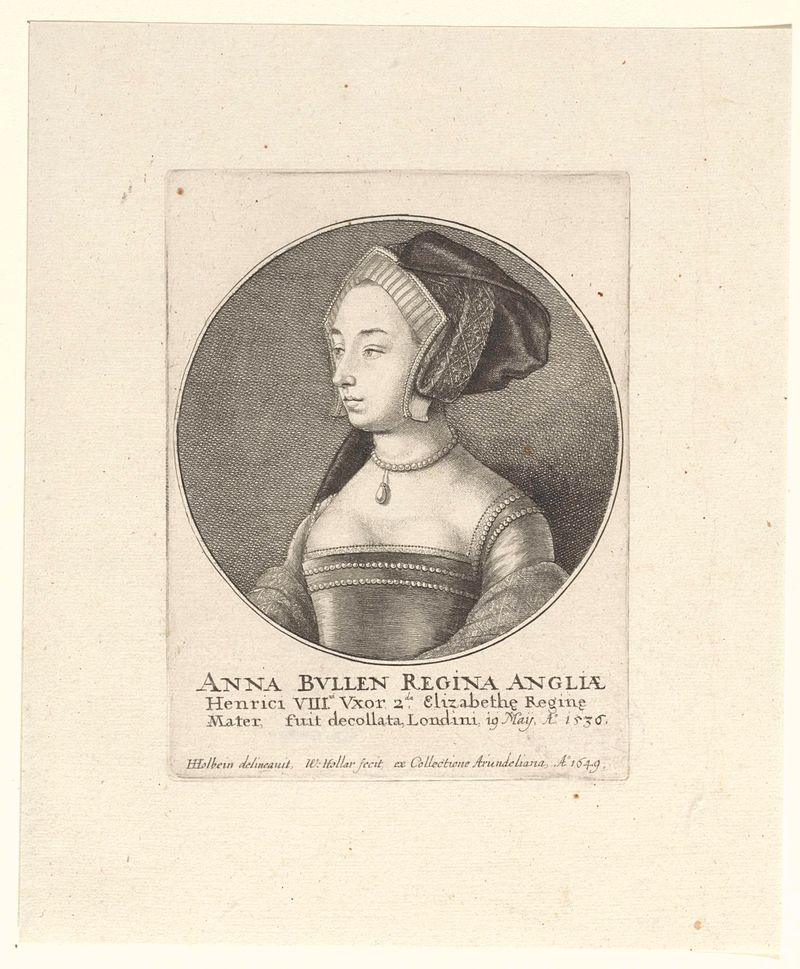
Portret van Anna Boleyn, koningin van Engeland
Wenceslaus Hollar
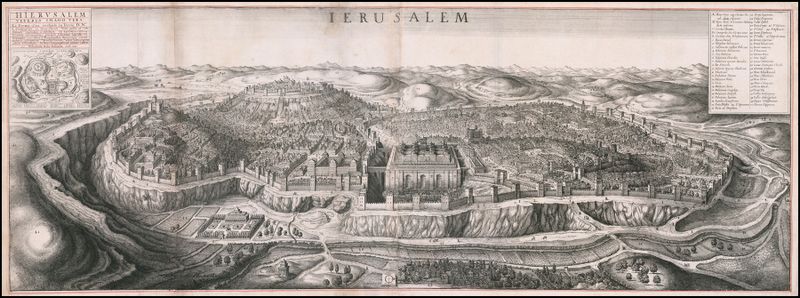
Bird’s eye view of Jerusalem
Wenceslaus Hollar
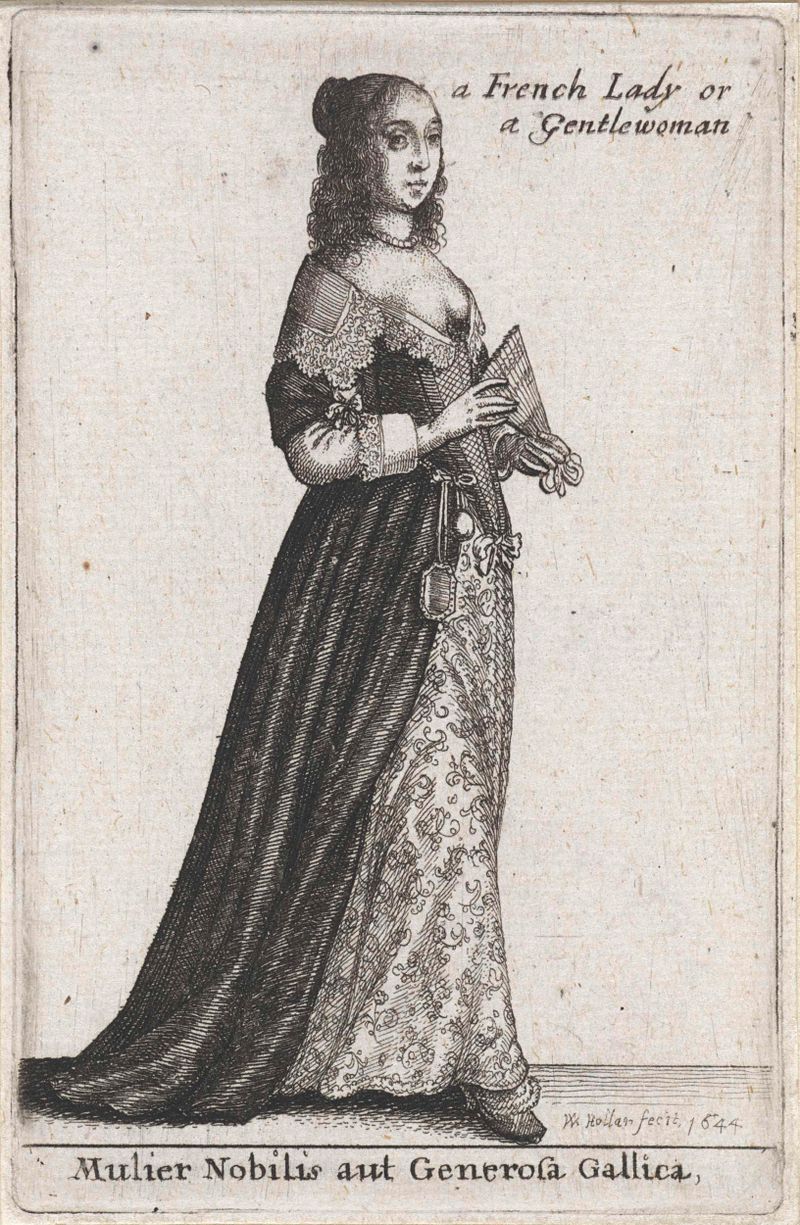
Mulier Nobilis aut Generosa Gallica / a French Lady or Gentlewoman
Wenceslaus Hollar
Titelprent voor: Ornatus Muliebris Anglicanus
Wenceslaus Hollar
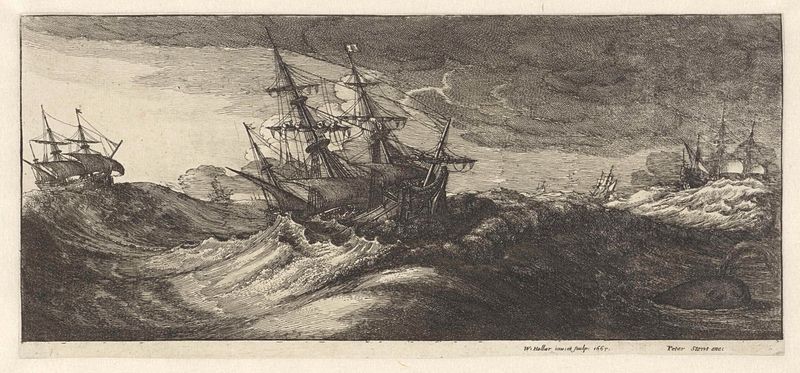
Oorlogsschepen en een walvis in een zeestorm
Wenceslaus Hollar
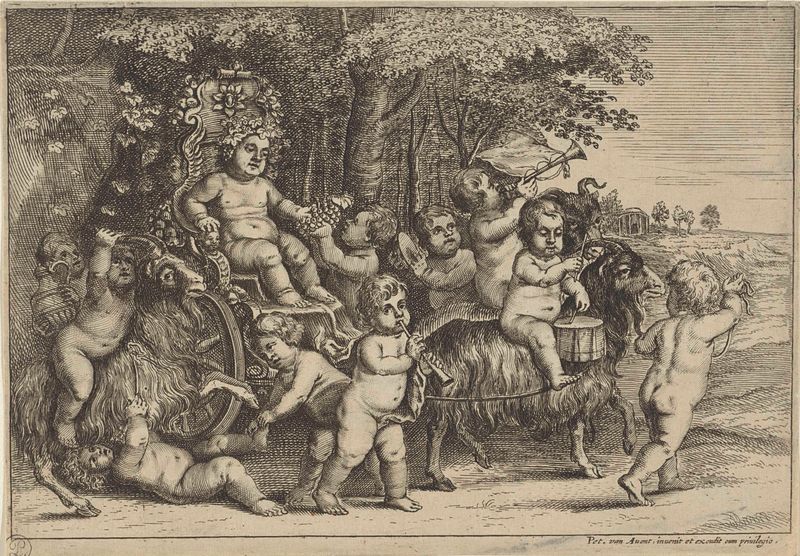
Optocht van bacchant en jongetjes op geiten
Wenceslaus Hollar
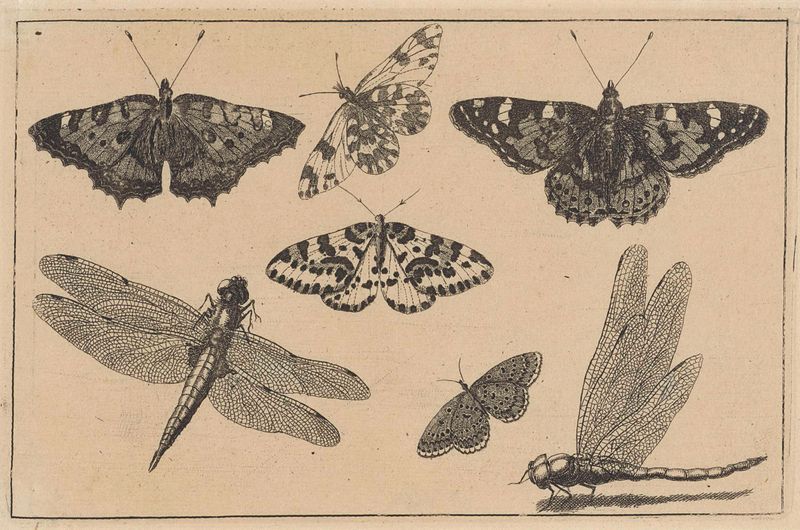
Twee libellen en vijf vlinders
Wenceslaus Hollar
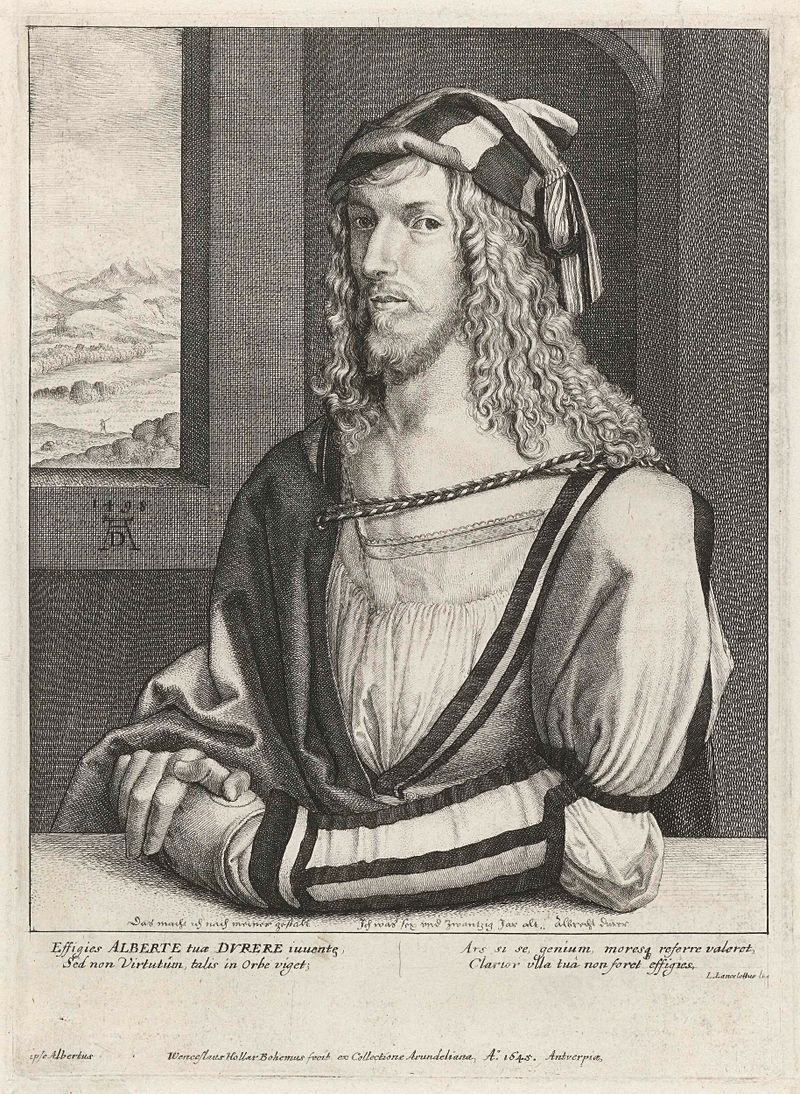
Portret van Albrecht Dürer
Wenceslaus Hollar
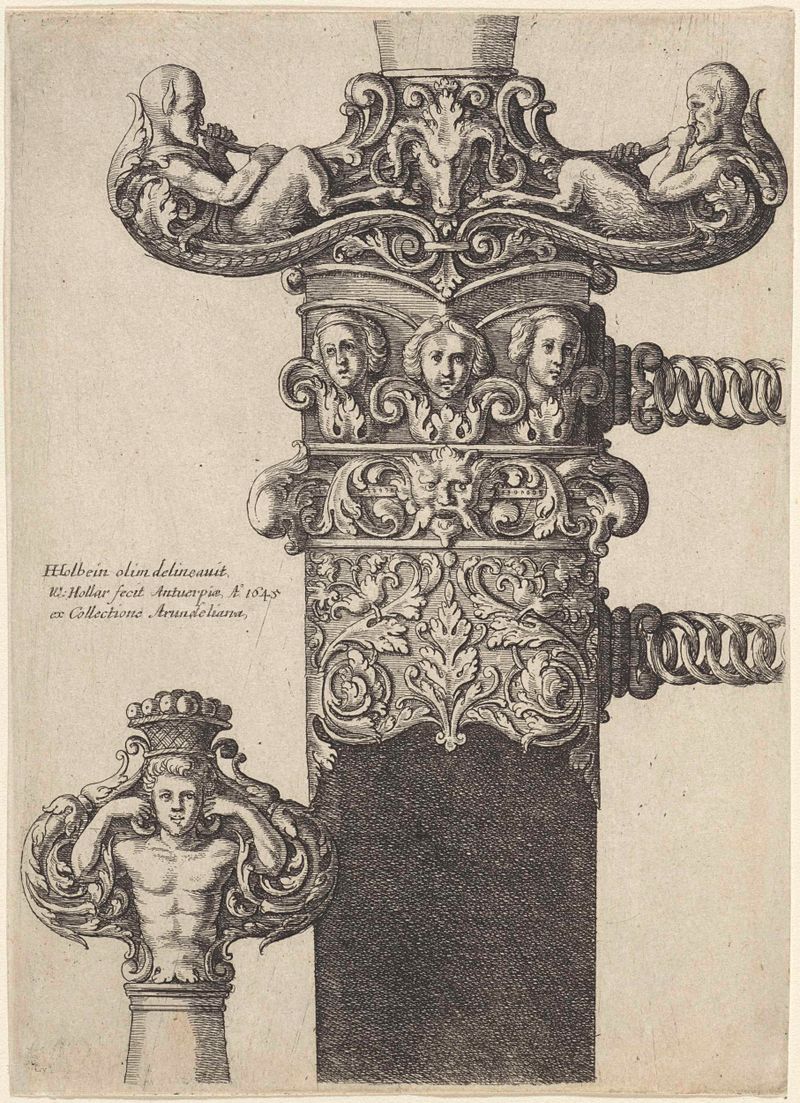
Ornamenteel ontwerp voor een dolk
Wenceslaus Hollar
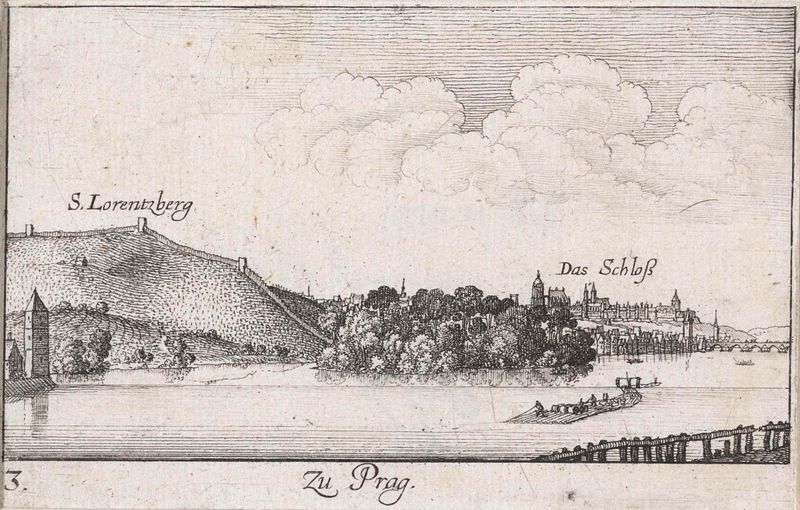
Gezicht op Praag vanaf de Moldau
Wenceslaus Hollar





