
Landschap met een man op een ezel — History & Facts
In Landschap met een man op een ezel, a delicate equilibrium unfolds, inviting viewers to contemplate the harmony of nature and human existence. Look closely at the center, where the solitary figure on the donkey draws your gaze immediately. The landscape stretches around him, bathed in a soft, golden light that highlights the gentle undulations of the hills. The verdant greens and earthy browns create a serene backdrop, while wisps of clouds float lazily in a cobalt sky, suggesting a tranquil afternoon.
Notice how the brushstrokes vary in intensity; the smooth blending of colors in the sky contrasts with the more textured depiction of foliage, evoking a sense of depth and vitality. In this work, juxtaposition is key—the calm landscape speaks to the simplicity of rural life, while the lone traveler hints at a deeper journey, both physical and introspective. The subtle play of light and shadow embodies the balance between presence and solitude, inviting contemplation of the observer's own place in the vast expanse of existence. A small stream reflects the landscape, symbolizing the flow of time and connection, while the figure quietly asserts his place within it. During the years 1651 to 1652, the artist created this piece amidst the flourishing art scene of the Dutch Golden Age.
Nooms was heavily influenced by the naturalistic style that dominated the era, reflecting a growing appreciation for landscapes as subjects worthy of artistic exploration. This period marked a shift towards celebrating the inherent beauty of everyday life, which resonated through his work and the broader artistic community.
More Artworks by Reinier Nooms
Browse all →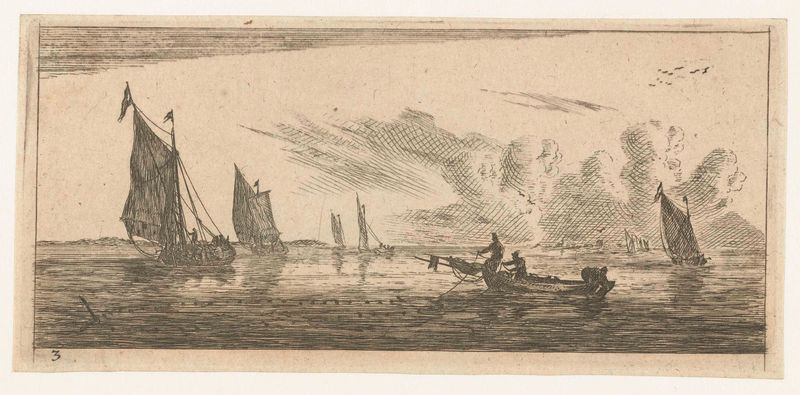
Zeegezicht met verschillende zeilschepen
Reinier Nooms
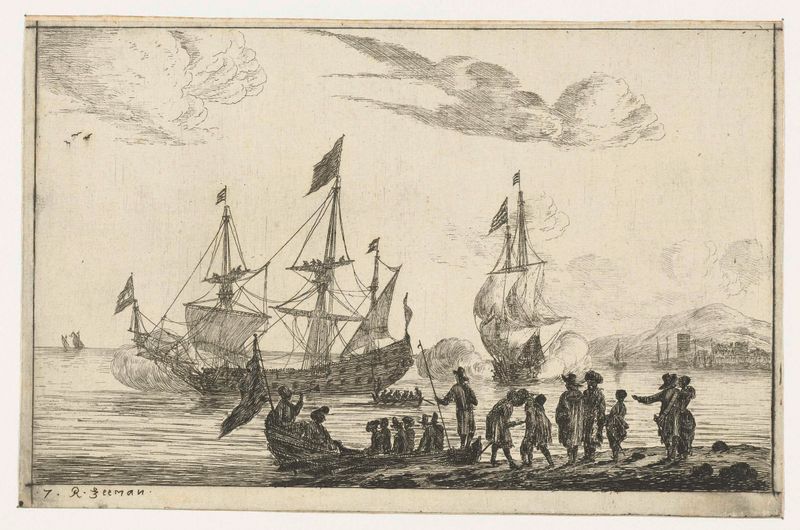
Havenscène met een spiegelsloep
Reinier Nooms
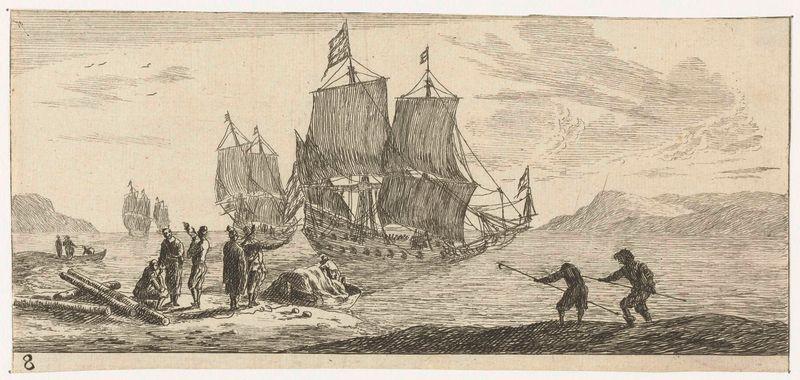
Vier grote zeilschepen in een baai
Reinier Nooms
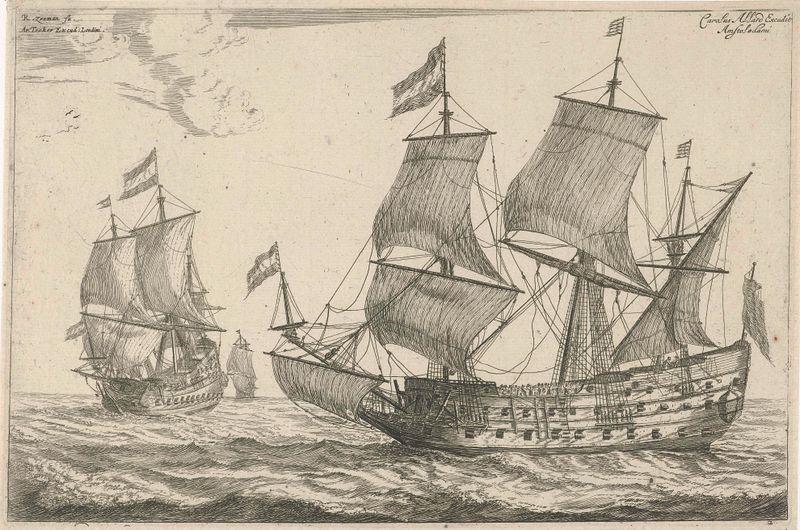
Twee grote oorlogsschepen
Reinier Nooms
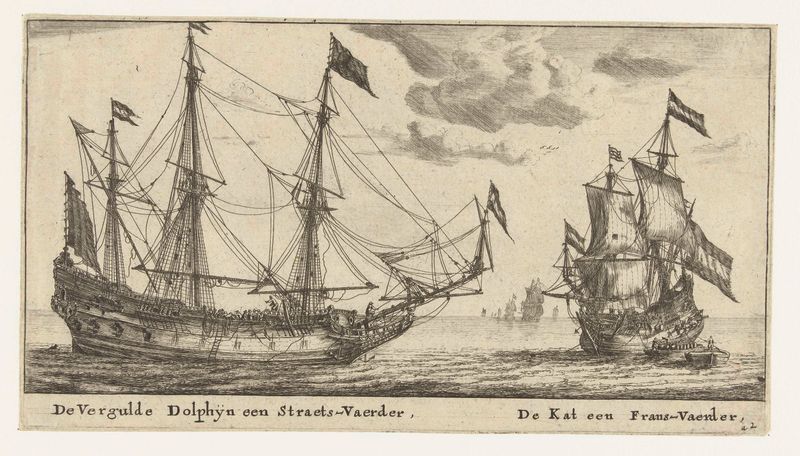
De schepen De Vergulde Dolfijn en De Kat
Reinier Nooms
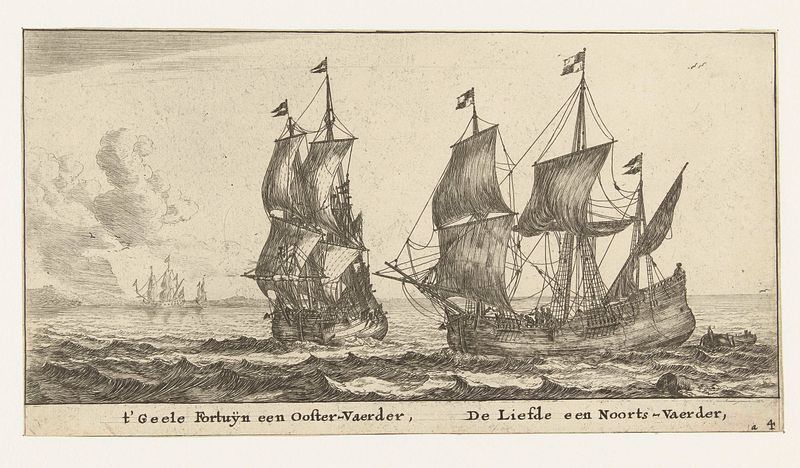
De schepen 't Gele Fortuin en De Liefde
Reinier Nooms
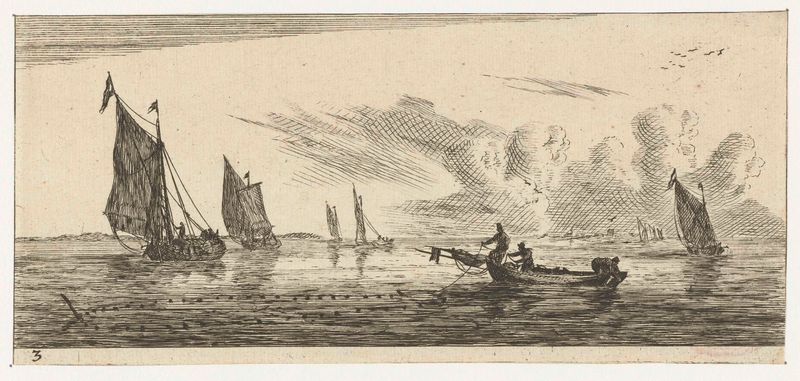
Zeegezicht met verschillende zeilschepen
Reinier Nooms
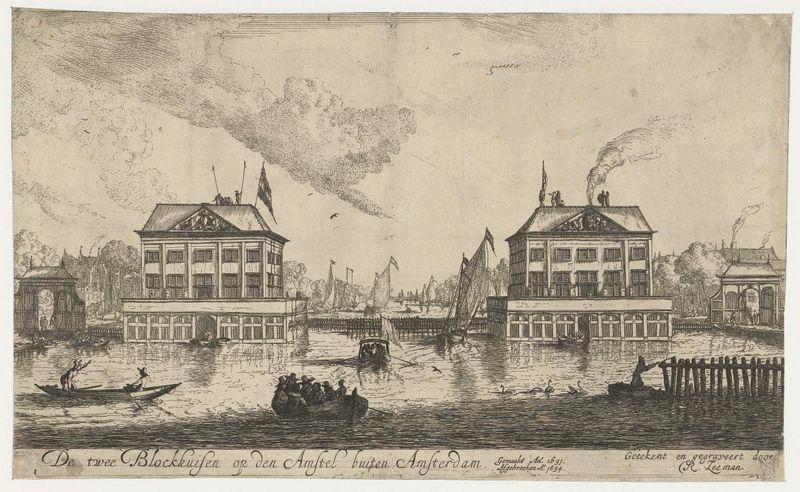
Gezicht op de twee Blokhuizen in de Amstel
Reinier Nooms
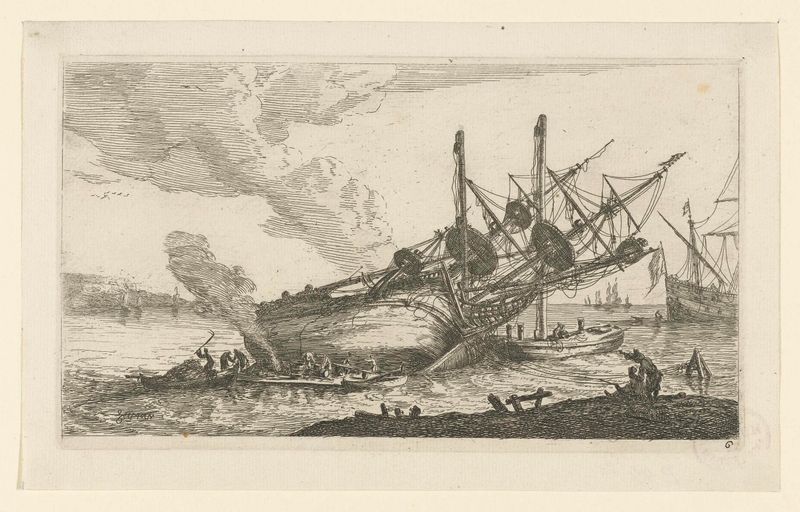
Reparaties aan de romp van een schip
Reinier Nooms
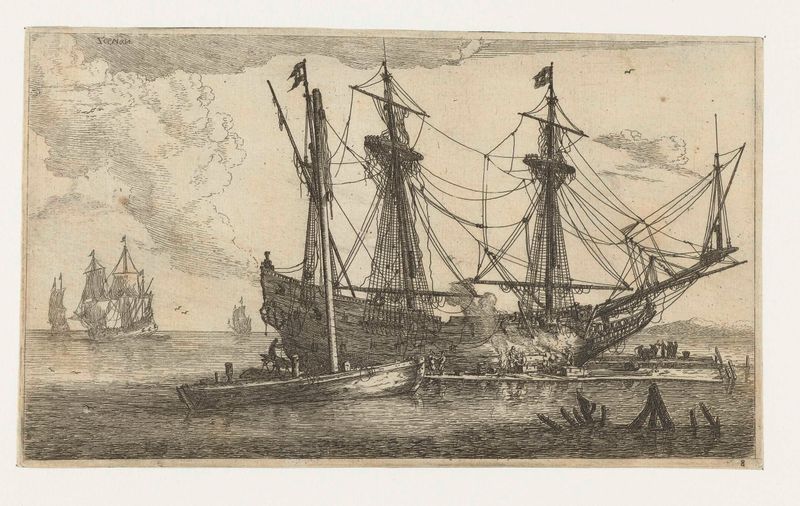
Reparaties aan de romp van een schip
Reinier Nooms





