
Landschap met een ruiter — History & Facts
What if beauty was never meant to be finished? A fleeting moment captured in time, suggesting that perfection lies not in completion but in the elegant tension of balance. Look to the center, where a solitary horseman traverses a gently undulating landscape. The muted greens and browns of the earth harmonize with the soft blue of the sky, each stroke whispering tales of nature's resilience and fragility. Notice how the delicate interplay of light and shadow creates an ethereal glow, drawing your eye to the horizon where the rider seems to dissolve into the setting sun.
Hollar's meticulous technique reveals an intimate relationship between the figures and their surroundings, bridging the human experience with the vastness of the natural world. Yet, beneath this serene surface lies a rich interplay of emotions. The rider, poised yet solitary, embodies a sense of exploration and contemplation, perhaps hinting at a deeper search for identity in the midst of nature's overwhelming grandeur. The seemingly endless landscape, both inviting and intimidating, reflects the duality of adventure and uncertainty — a reminder of the thin line that exists between solitude and companionship.
Each element within the painting conveys a story, urging viewers to find their own narrative within the balance of presence and absence. In 1650, Hollar was living in London, having fled his native Bohemia due to the Thirty Years' War. This period marked a flourishing of printmaking in England, where he was deeply influenced by the English landscape and the Baroque style. As he navigated the complexities of his own life, Landschap met een ruiter emerged as a testament to his mastery in marrying detail and atmosphere, offering a poignant glimpse into the beauty of transience and the artistry of balance.
More Artworks by Wenceslaus Hollar
Browse all →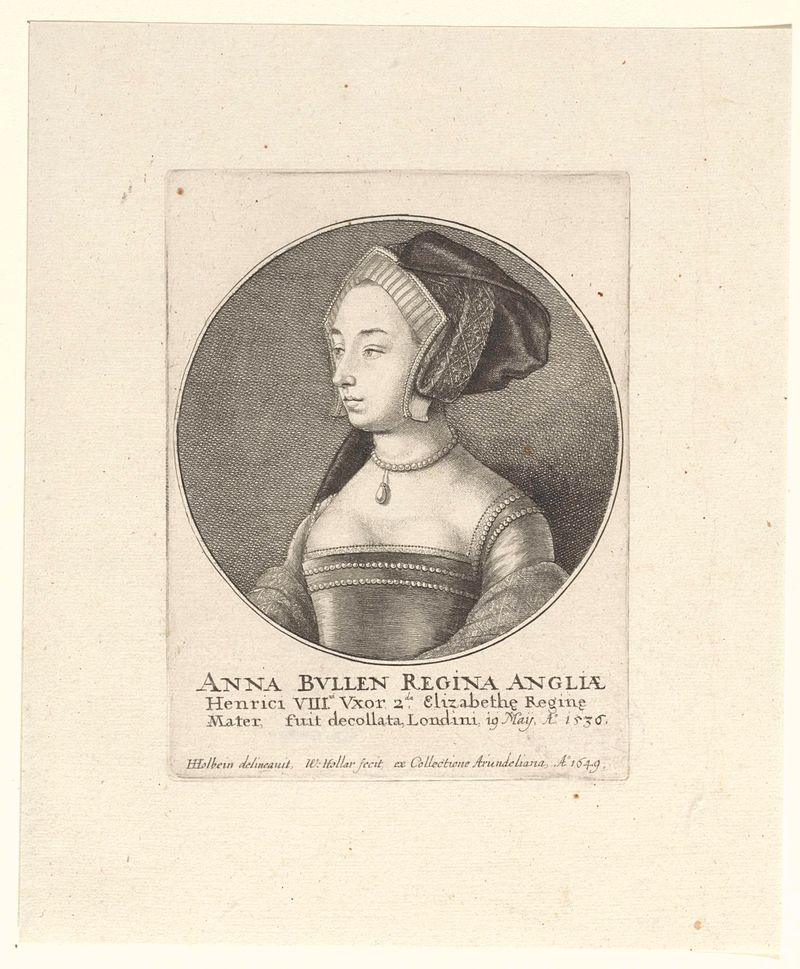
Portret van Anna Boleyn, koningin van Engeland
Wenceslaus Hollar
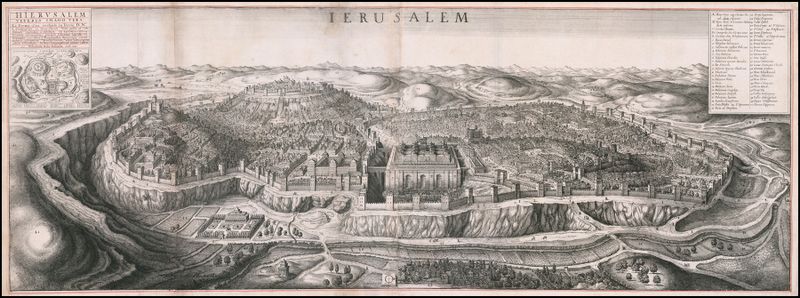
Bird’s eye view of Jerusalem
Wenceslaus Hollar
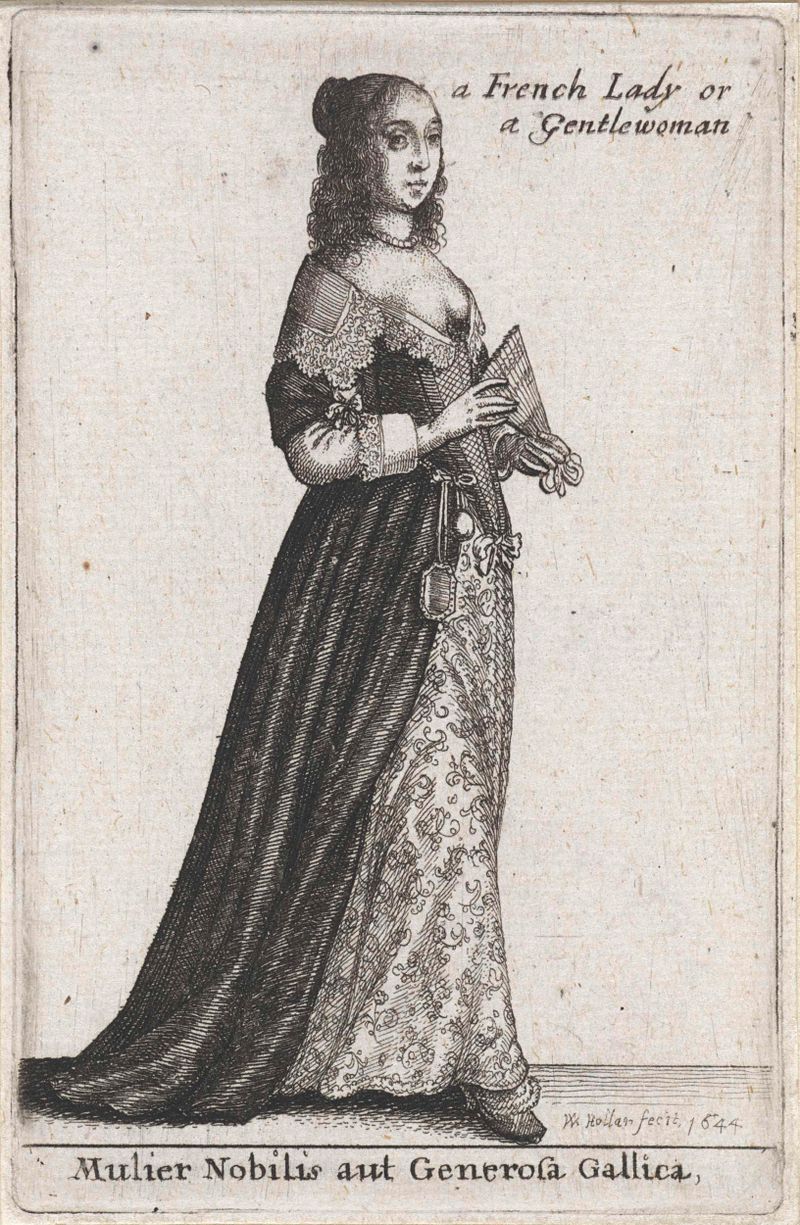
Mulier Nobilis aut Generosa Gallica / a French Lady or Gentlewoman
Wenceslaus Hollar
Titelprent voor: Ornatus Muliebris Anglicanus
Wenceslaus Hollar
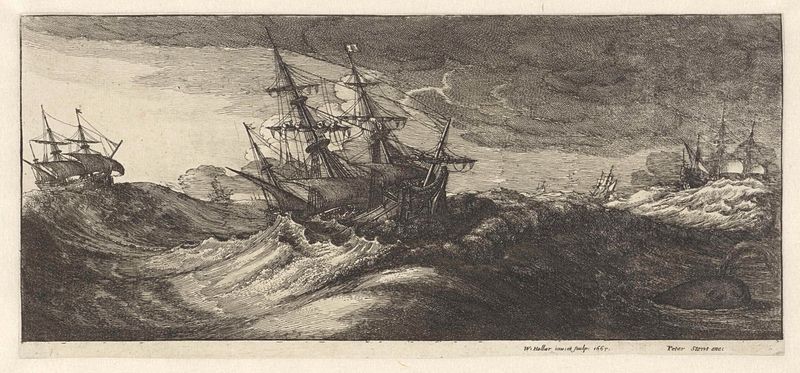
Oorlogsschepen en een walvis in een zeestorm
Wenceslaus Hollar
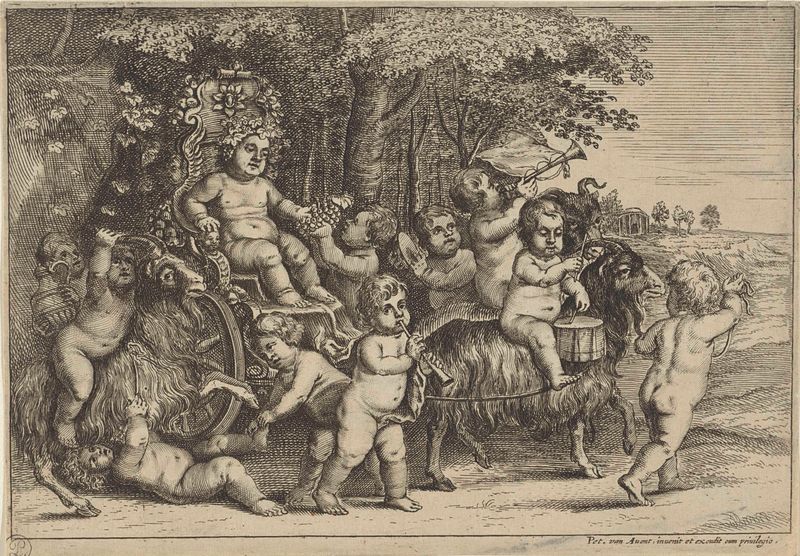
Optocht van bacchant en jongetjes op geiten
Wenceslaus Hollar
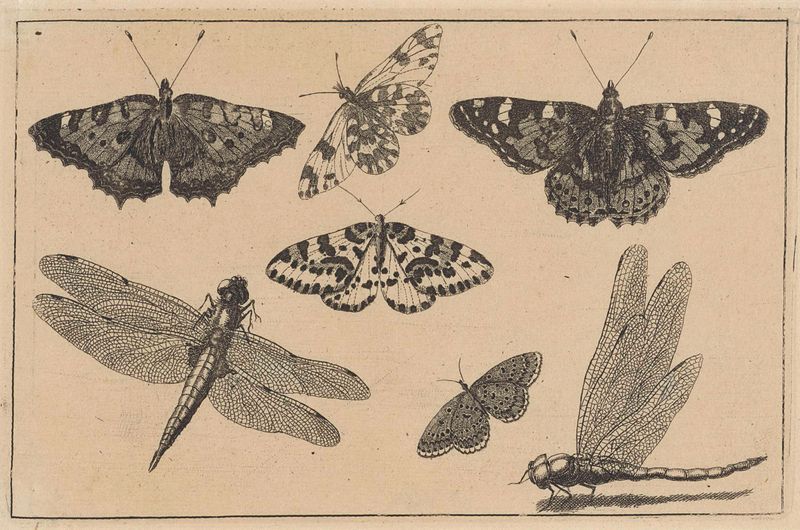
Twee libellen en vijf vlinders
Wenceslaus Hollar
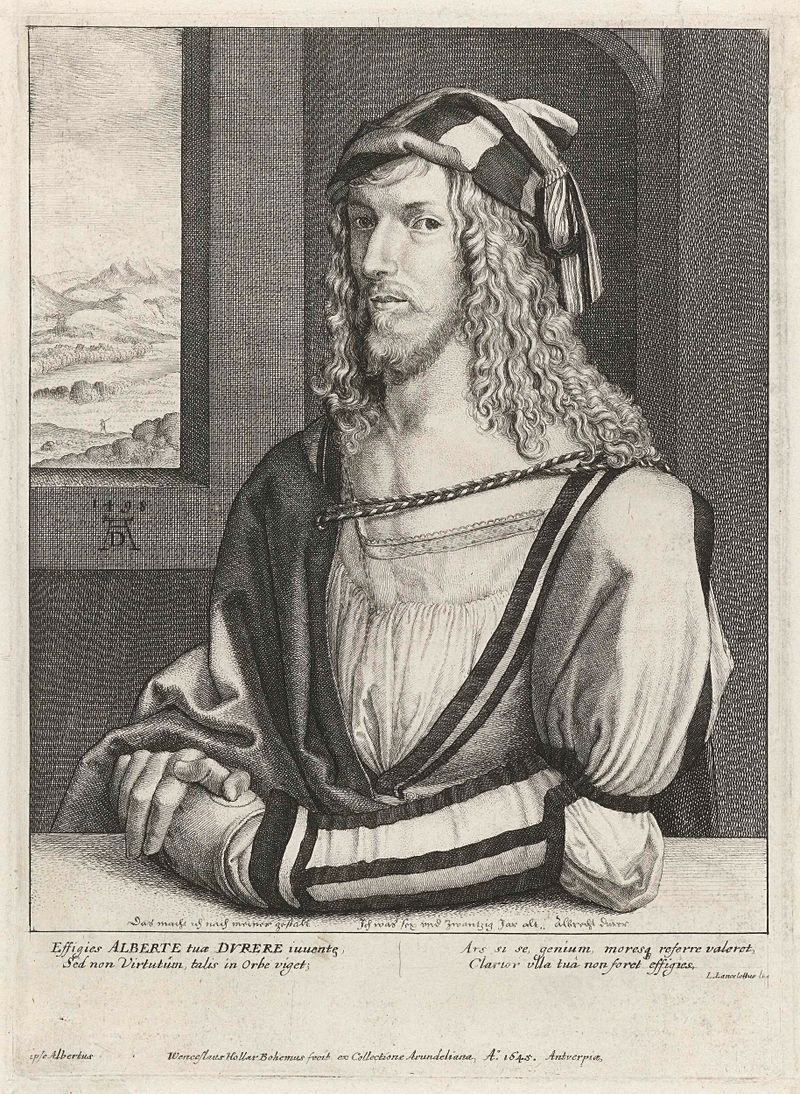
Portret van Albrecht Dürer
Wenceslaus Hollar
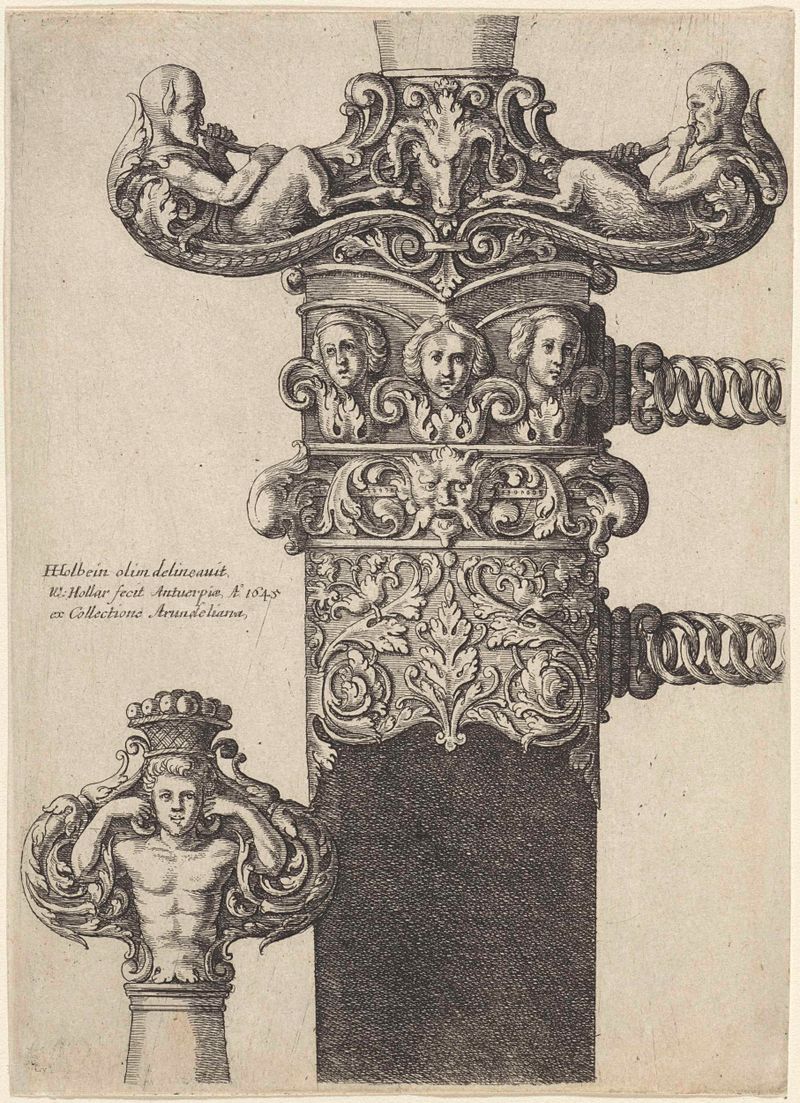
Ornamenteel ontwerp voor een dolk
Wenceslaus Hollar
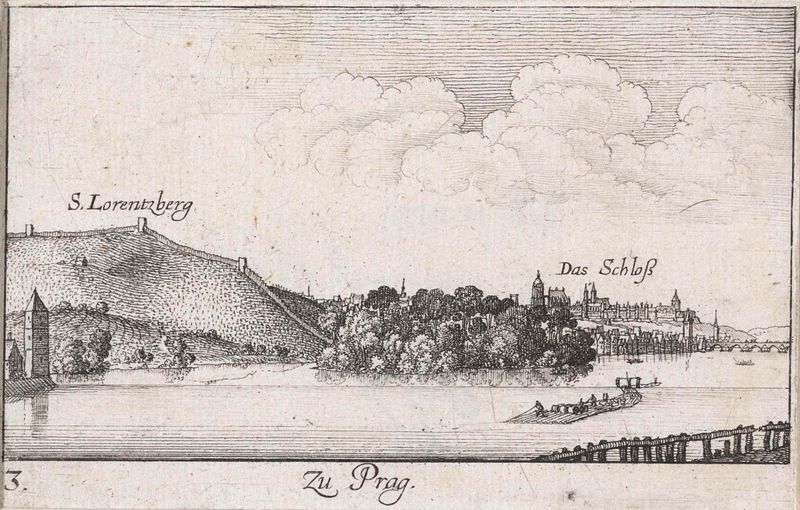
Gezicht op Praag vanaf de Moldau
Wenceslaus Hollar





