
Landschap met figuren en een kudde schapen — History & Facts
Can paint confess what words never could? In Landschap met figuren en een kudde schapen, a haunting landscape speaks volumes of solitude and longing, capturing a moment where silence reigns. Look to the left at the distant figures, small and almost swallowed by the vastness of the land. Their subtle gestures suggest a quiet dialogue with the sheep grazing nearby, while the muted greens and browns evoke an earthy stillness. The composition draws the eye to the horizon, where the sky’s soft blues and grays meet the undulating hills, creating a sense of expansive isolation.
The delicate lines of Hollar's etching enhance the ethereal quality, urging the viewer to linger in the space between figures and nature. Beneath the surface, the painting reveals the emotional tension of human existence within the natural world. The sheep, often symbols of innocence and gentleness, contrast sharply with the loneliness of the figures, emphasizing the connection and disconnection between humanity and its surroundings. Furthermore, the solitary trees dotting the landscape echo this sentiment, standing as silent witnesses to the scene, capturing the essence of solitude that permeates the work. Wenceslaus Hollar created this piece in 1644 while living in England, having fled the Thirty Years' War in his native Bohemia.
During this time, he was deeply immersed in the world of printmaking and etching, reflecting the Baroque influences of his surroundings. The interplay of nature and human form in this work resonates with the broader themes of displacement and introspection prevalent in his life, marking a poignant moment in his artistic journey.
More Artworks by Wenceslaus Hollar
Browse all →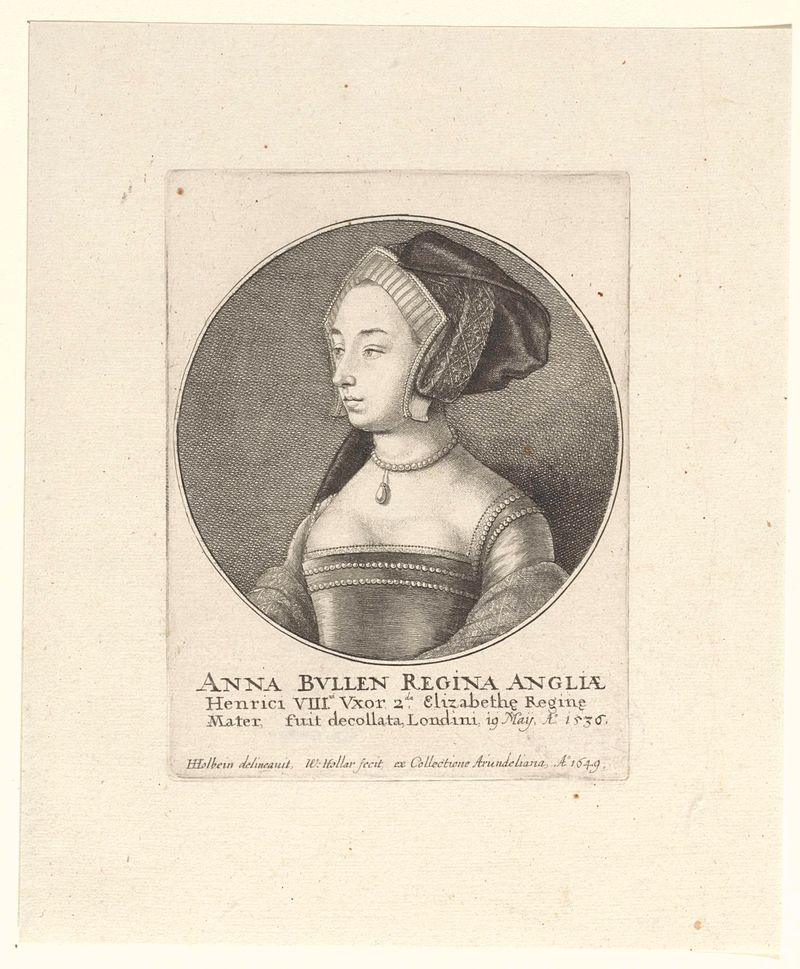
Portret van Anna Boleyn, koningin van Engeland
Wenceslaus Hollar
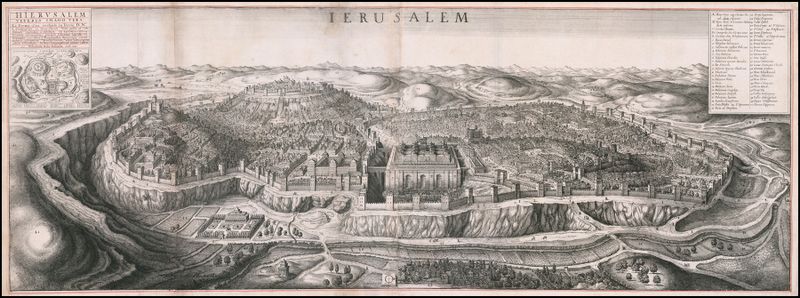
Bird’s eye view of Jerusalem
Wenceslaus Hollar
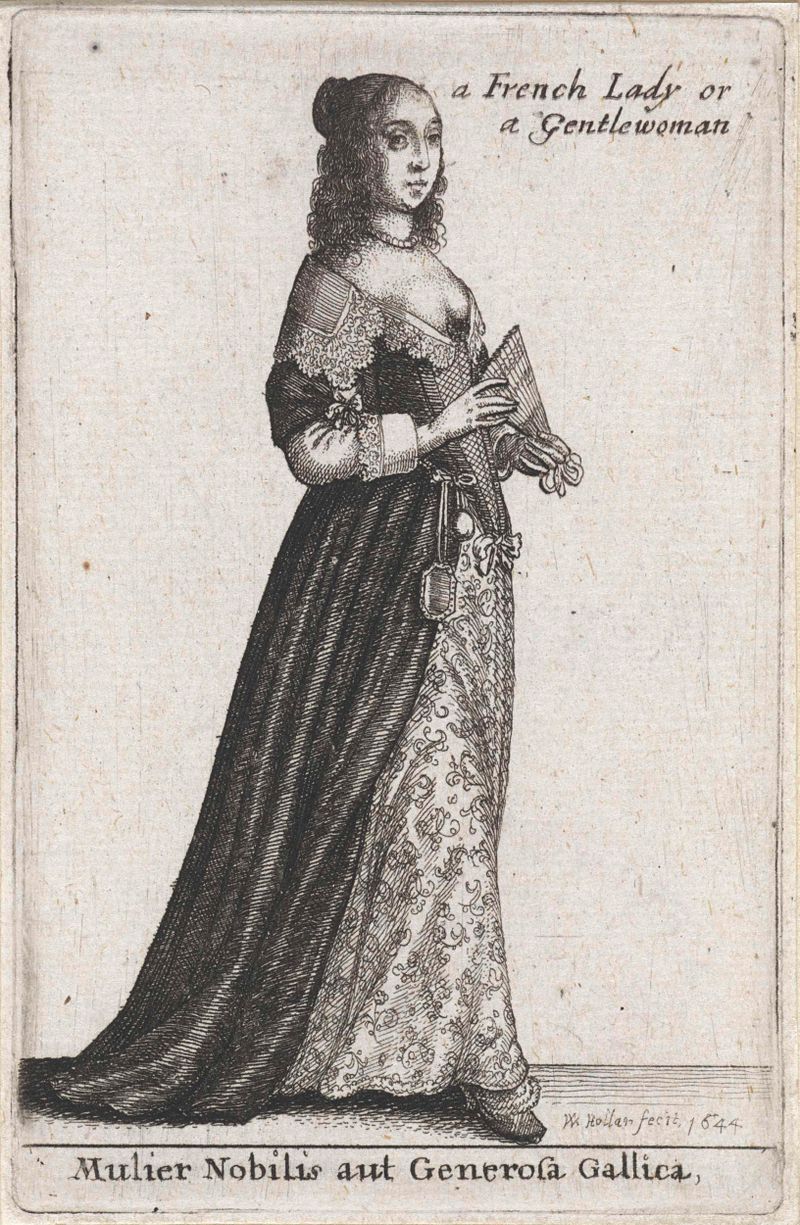
Mulier Nobilis aut Generosa Gallica / a French Lady or Gentlewoman
Wenceslaus Hollar
Titelprent voor: Ornatus Muliebris Anglicanus
Wenceslaus Hollar
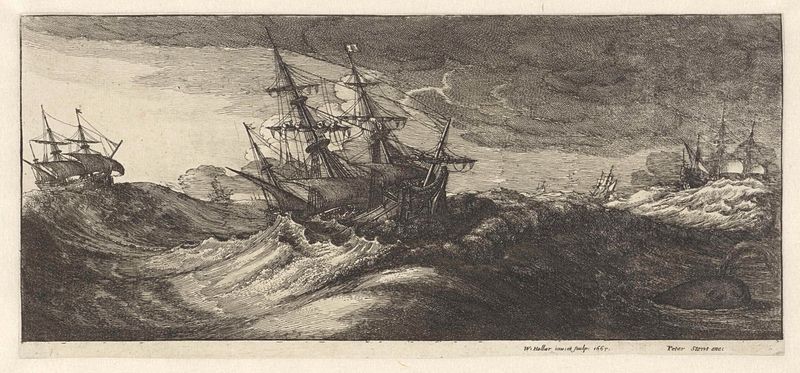
Oorlogsschepen en een walvis in een zeestorm
Wenceslaus Hollar
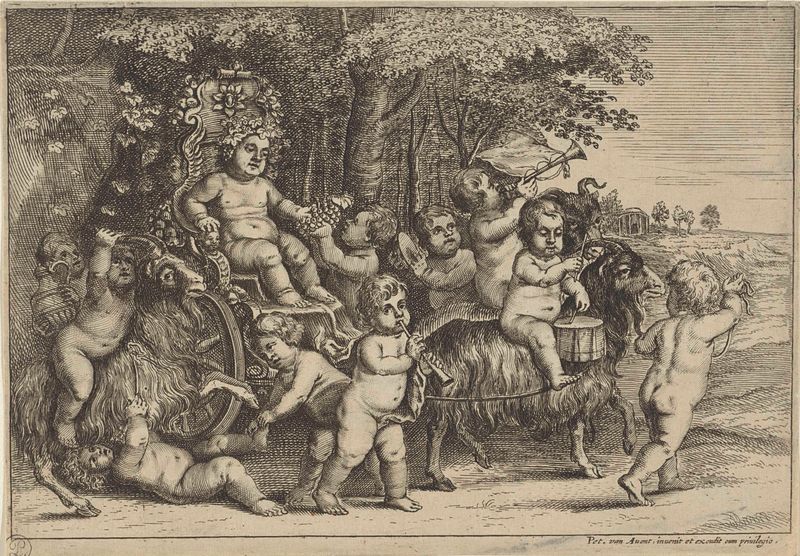
Optocht van bacchant en jongetjes op geiten
Wenceslaus Hollar
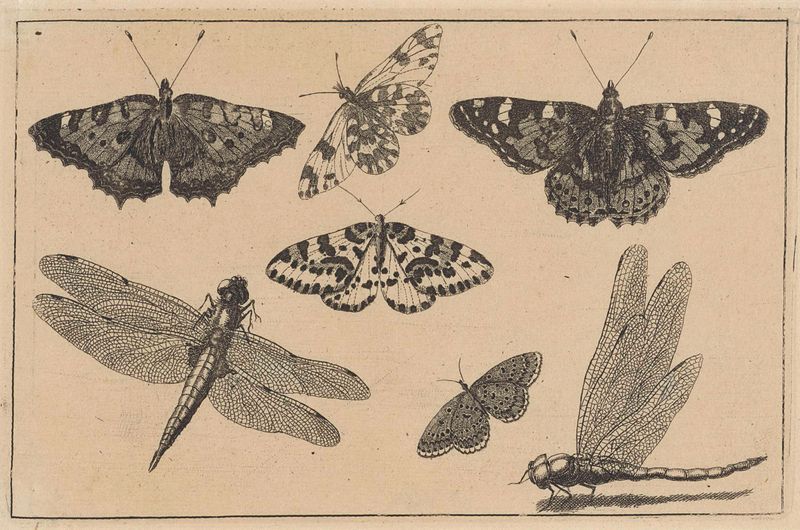
Twee libellen en vijf vlinders
Wenceslaus Hollar
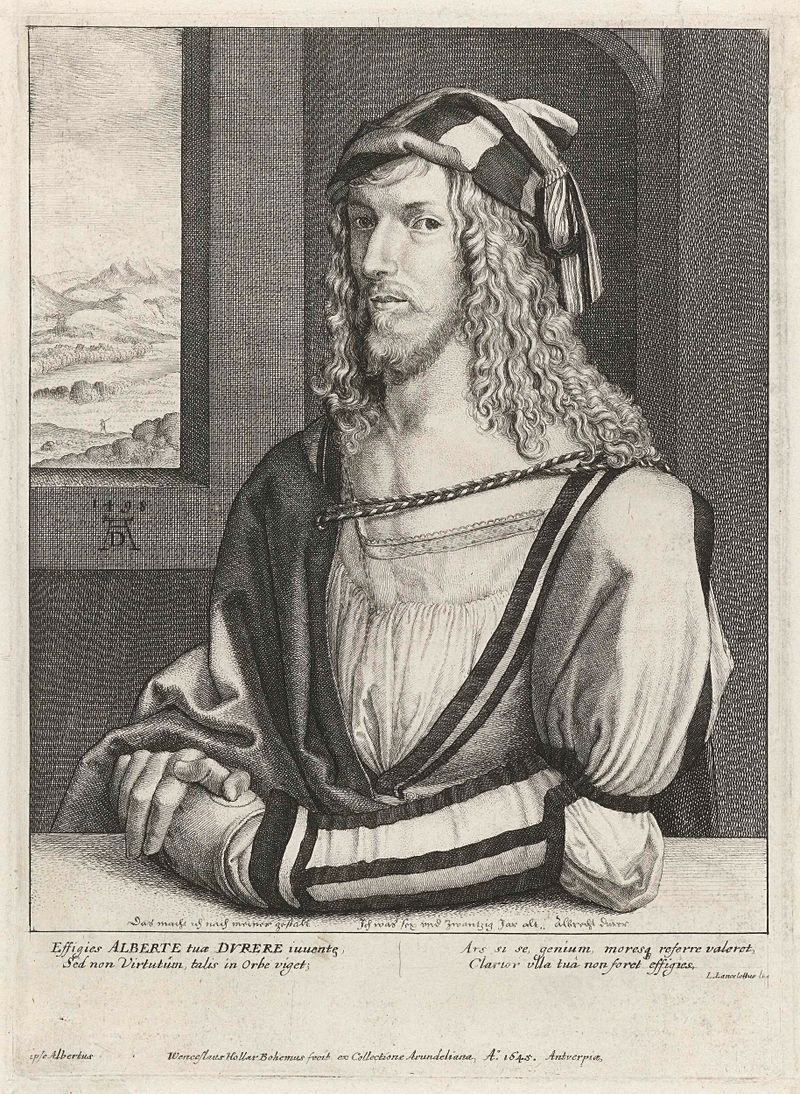
Portret van Albrecht Dürer
Wenceslaus Hollar
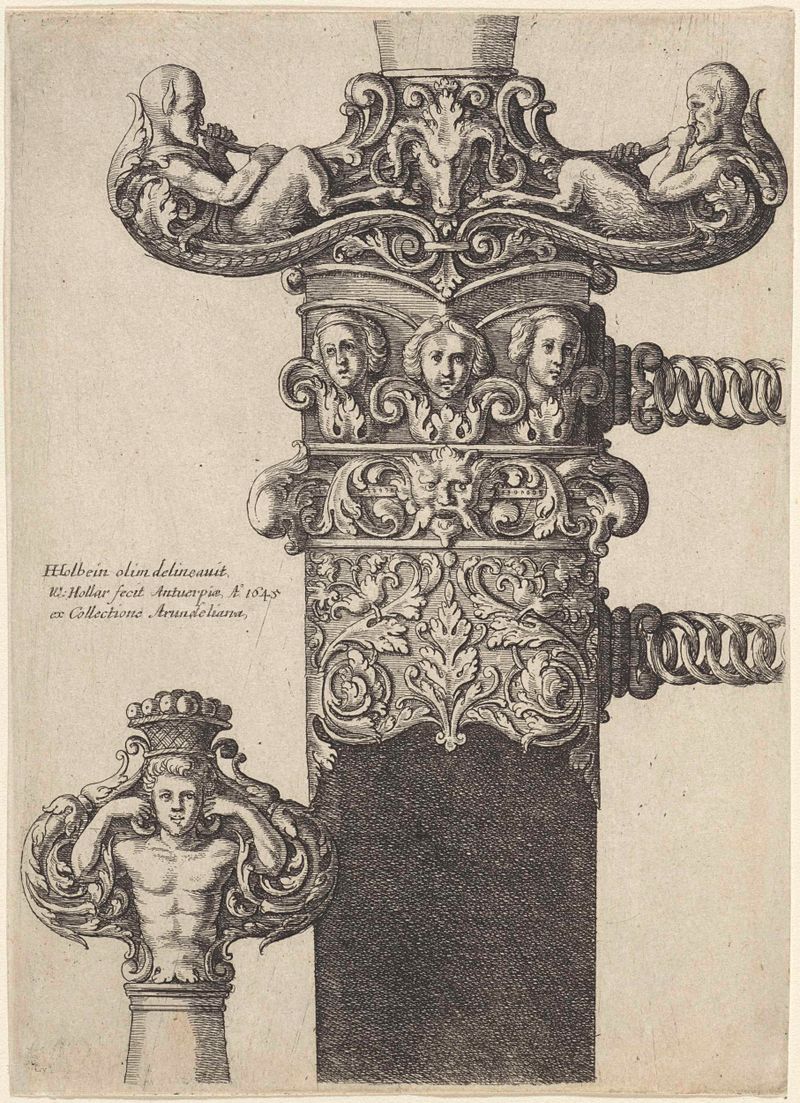
Ornamenteel ontwerp voor een dolk
Wenceslaus Hollar
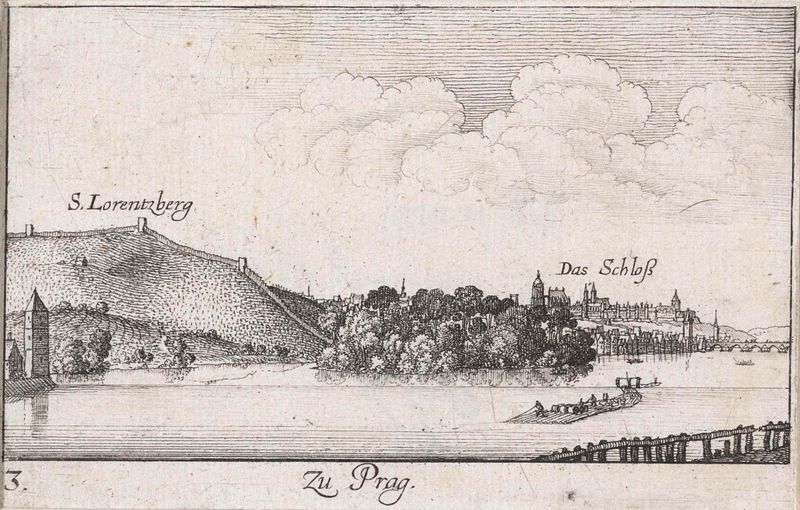
Gezicht op Praag vanaf de Moldau
Wenceslaus Hollar





