
Landschap met galgenveld bij Haarlem — History & Facts
Can beauty exist without sorrow? In Landschap met galgenveld bij Haarlem, the contrast between the serene landscape and the somber reminder of mortality invites profound contemplation. Look to the foreground where a gentle rise of land leads the eye into the depth of the canvas. A solitary gallows stands stark against a backdrop of lush fields and a tranquil sky, crafted in soft, muted tones. Notice how the light plays upon the foliage, illuminating vibrant greens that juxtapose the haunting figure of the gallows.
The painter’s deft brushwork creates a sense of space and perspective, coaxing the viewer to travel deeper into this unsettling duality. The presence of the gallows looms heavily over the pastoral scene, evoking a tension that permeates the quiet beauty of the landscape. It serves as a reminder of mortality, challenging the viewer to confront the coexistence of life and death. The subtle details—perhaps a farmer tending to his land or distant figures lost in thought—add layers of narrative, hinting at the lives that are entwined with this grim reality.
This duality reveals the artist's grasp of human experience and the inevitable nature of fate. In 1645, Esaias van de Velde painted this work during a time of great change in the Dutch Republic, where the impact of the Thirty Years' War and societal shifts were palpable. Living in Haarlem and navigating the burgeoning art market, he sought to express not only the beauty of his homeland but also the darker themes that resonated with the current ethos. This painting stands as a testament to his ability to weave together the sublime with the somber, capturing the complexity of existence itself.
More Artworks by Esaias van de Velde
Browse all →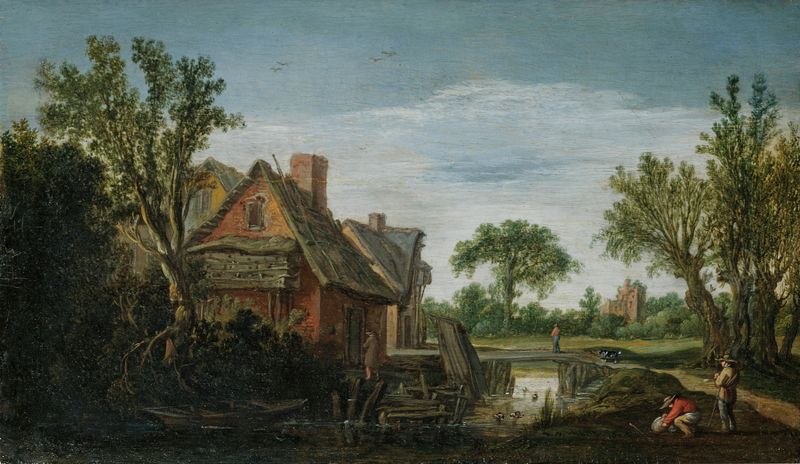
The Hague A Wooded River Landscape With Figures On A Path On A River Bank Beside A Village, A Bridge Beyond
Esaias van de Velde
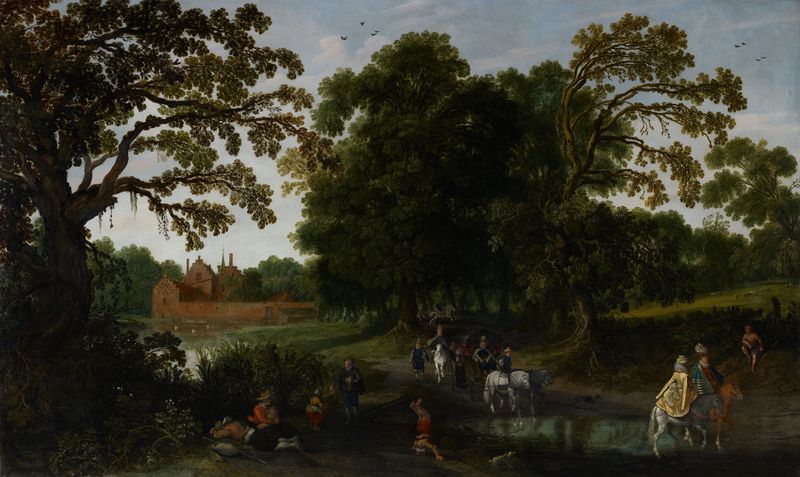
Courtly Procession before Abstpoel Castle
Esaias van de Velde
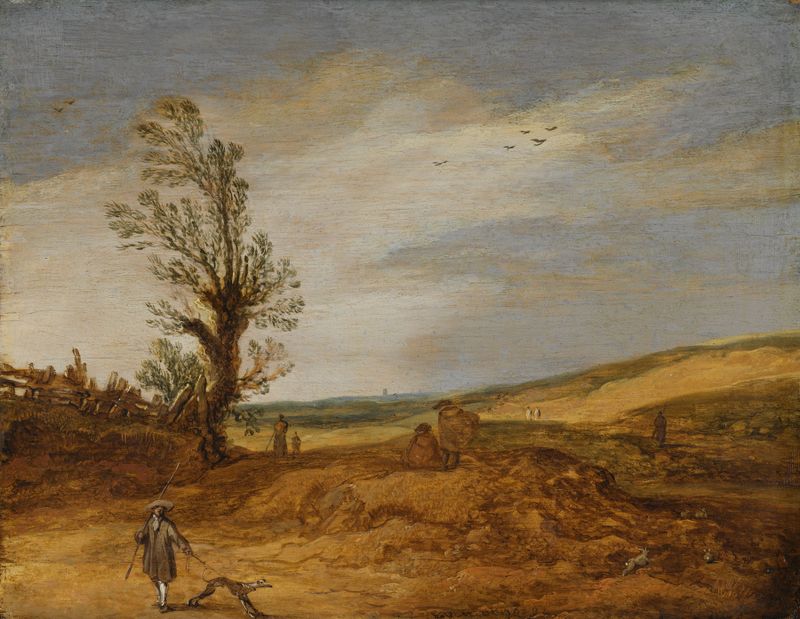
A View in the Dunes
Esaias van de Velde
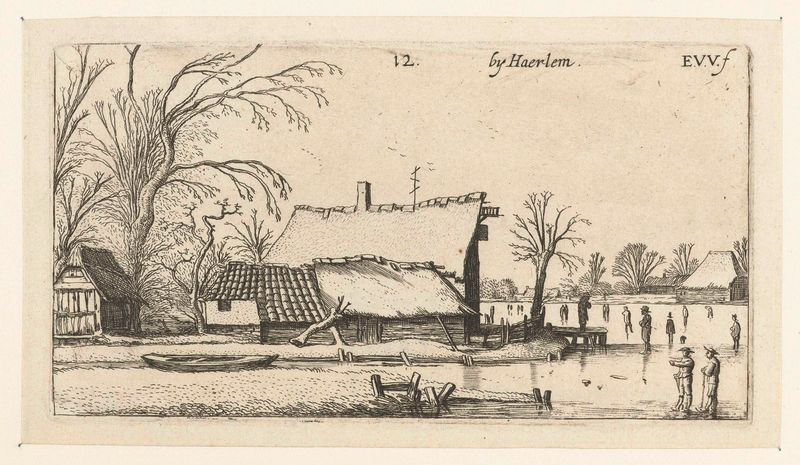
Boerderij bij een bevroren rivier met schaatsers
Esaias van de Velde
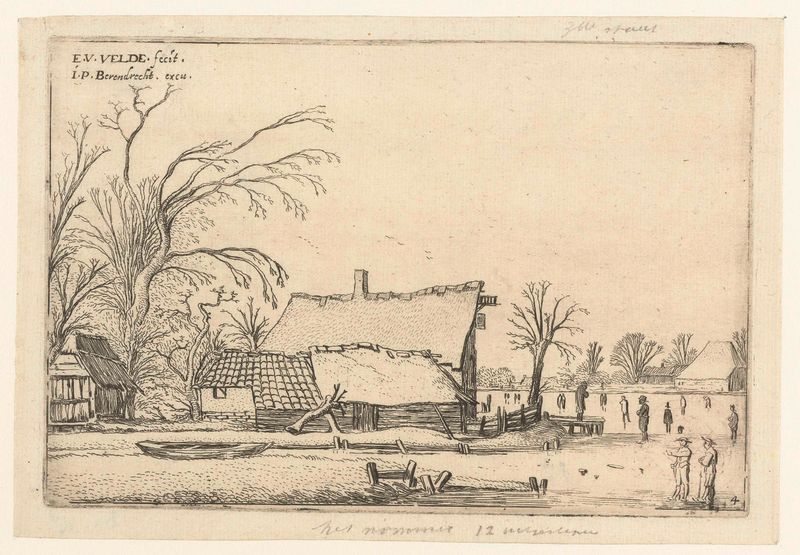
Boerderij bij een bevroren rivier met schaatsers
Esaias van de Velde
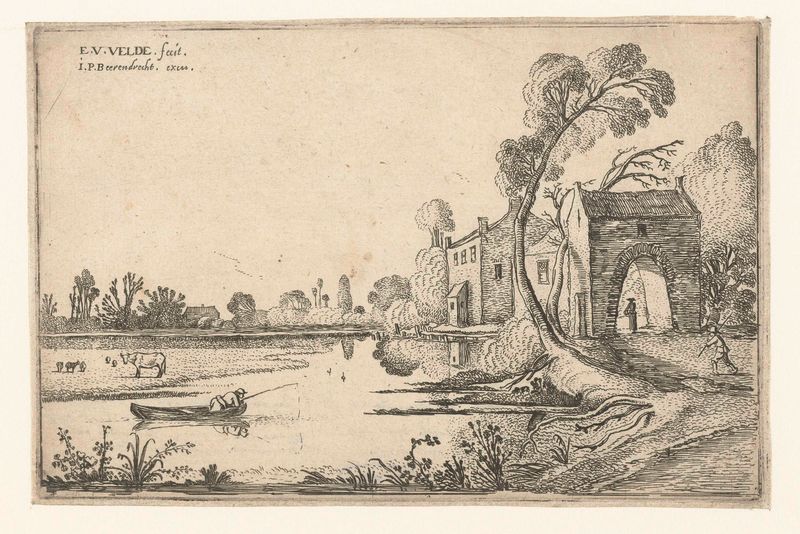
Landschap met rivier en poortgebouw
Esaias van de Velde
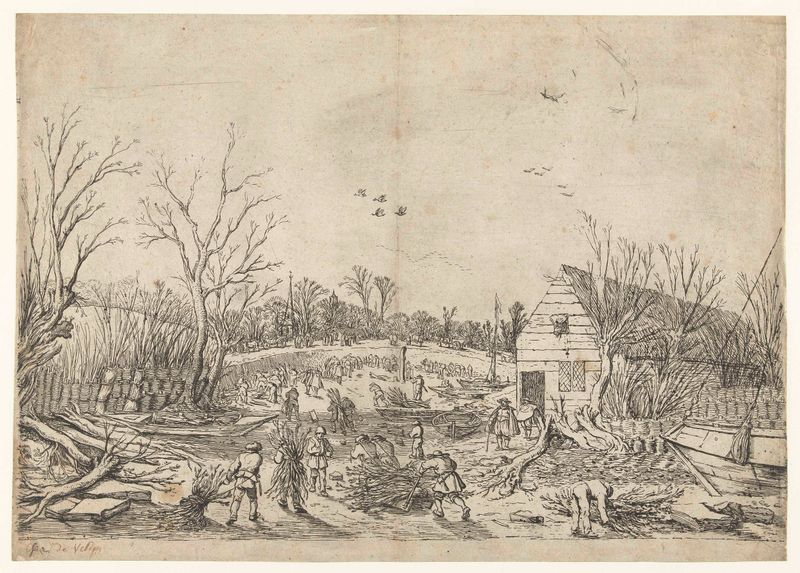
Herstelwerkzaamheden aan de doorgebroken Lekdijk bij 't Waal
Esaias van de Velde
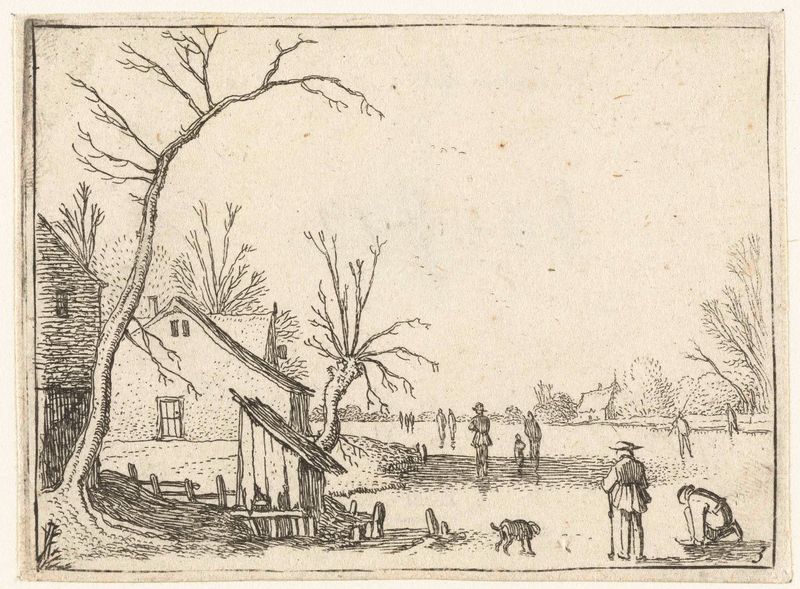
Boerderij bij bevroren rivier en schaatsers op het ijs
Esaias van de Velde
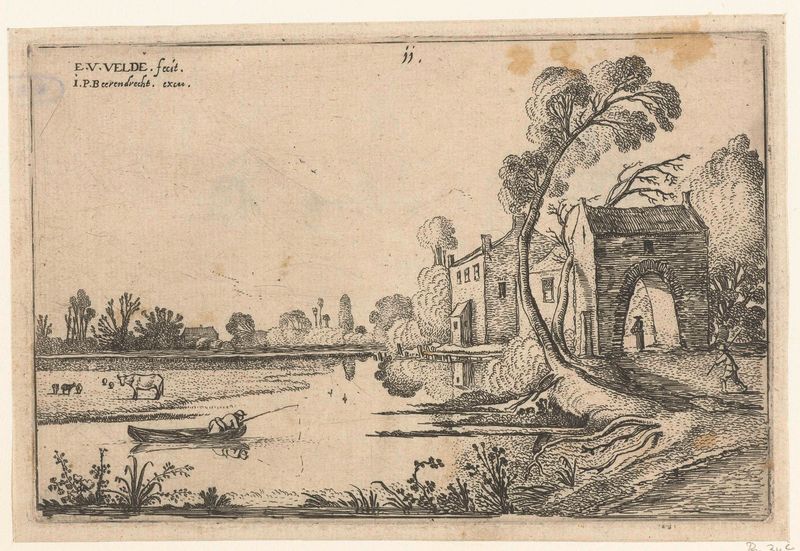
Landschap met een rivier en poortgebouw
Esaias van de Velde
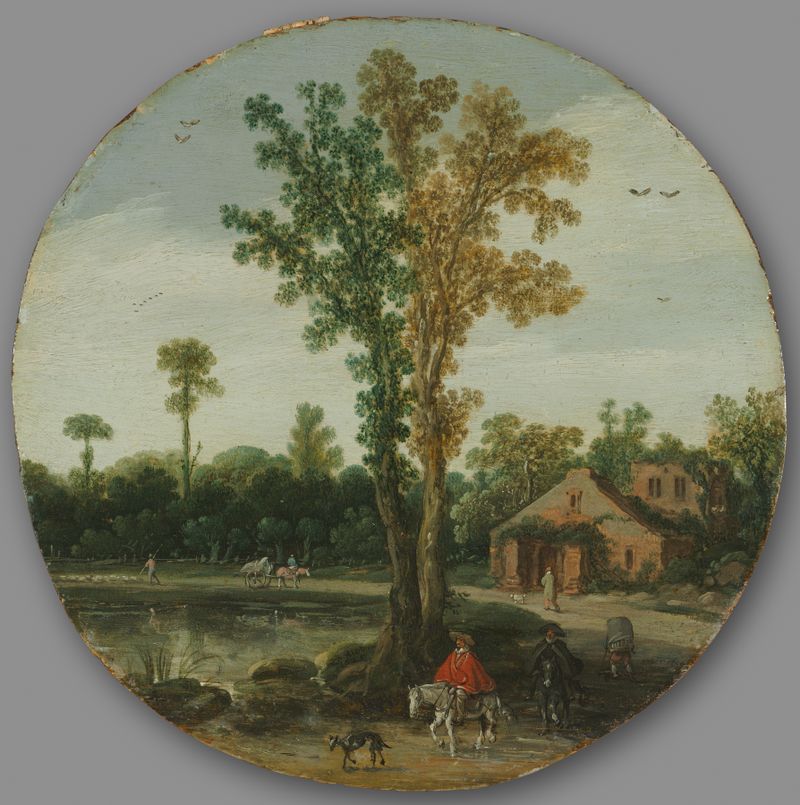
Travelers by a Lake
Esaias van de Velde





