
Landschap met gezicht op het Zevengebergte bij Bonn — History & Facts
In the stillness of a landscape, the essence of transformation hangs in the air, revealing stories untold and emotions unspoken. Look to the left at the gentle undulations of the hills, their verdant forms embracing the horizon. The cool blues and muted greens intertwine, crafting a serene yet dynamic tapestry that mirrors the quiet unfolding of nature. The artist masterfully balances light and shadow, with the sun’s rays kissing the peaks—an invite to gaze deeper, to contemplate not just what is visible, but what lies beneath. Notice the delicate interplay between the foreground’s lush foliage and the distant mountains, which stand as silent sentinels.
These elements create a tension between the immediate and the eternal, suggesting the fluidity of time and the possibility of change. Hollar’s meticulous detail reveals a world on the cusp of transformation, where every leaf seems to whisper secrets of growth and decay, echoing the cyclical nature of existence. In 1643, Wenceslaus Hollar was in a phase of his artistic evolution in the city of Bonn, Germany. The Thirty Years' War was reshaping Europe, and his work reflected the urgency of capturing fleeting beauty amidst chaos.
Influenced by the intricacies of the Baroque style and his travels across Europe, Hollar's landscapes offered a refuge, embodying both serenity and the potential for renewal in a tumultuous world.
More Artworks by Wenceslaus Hollar
Browse all →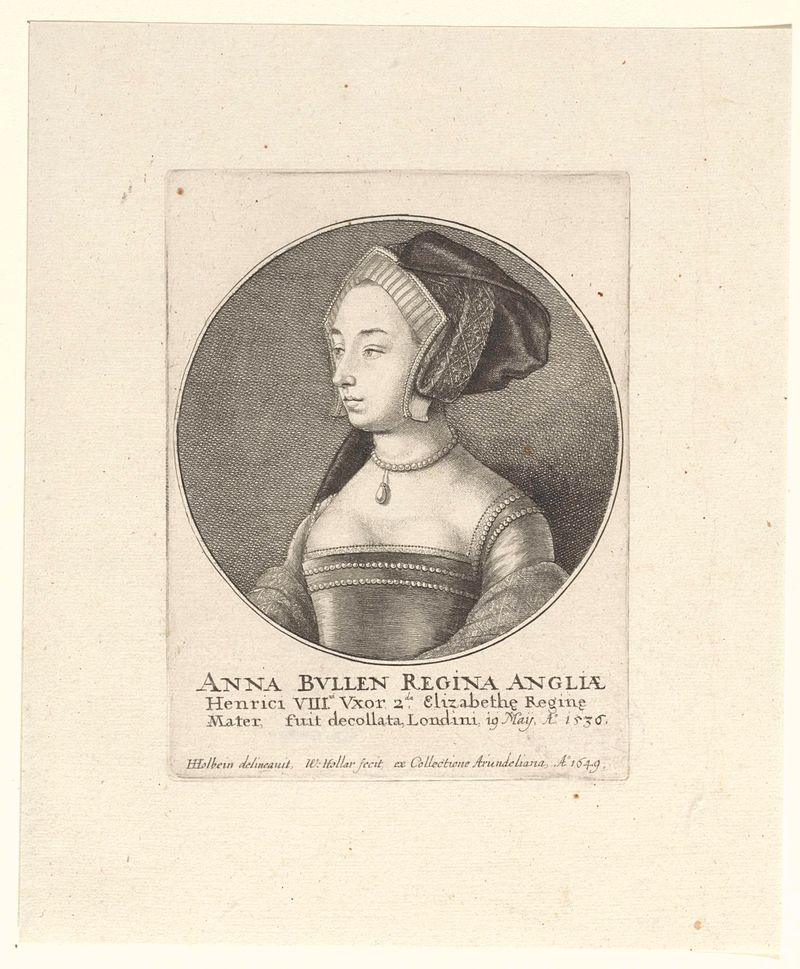
Portret van Anna Boleyn, koningin van Engeland
Wenceslaus Hollar
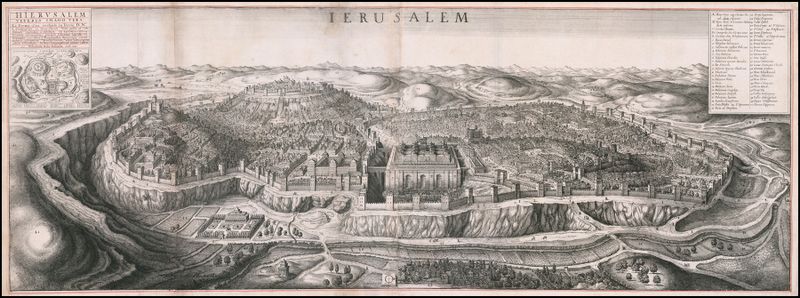
Bird’s eye view of Jerusalem
Wenceslaus Hollar
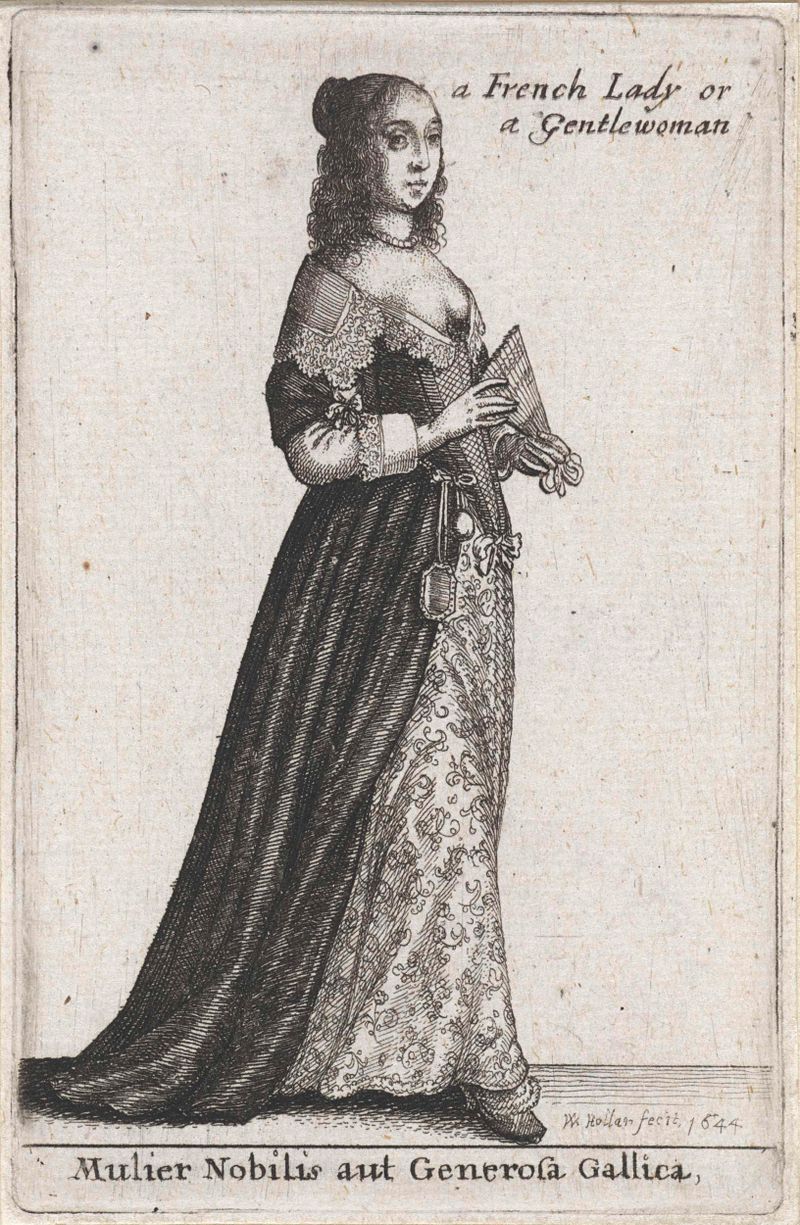
Mulier Nobilis aut Generosa Gallica / a French Lady or Gentlewoman
Wenceslaus Hollar
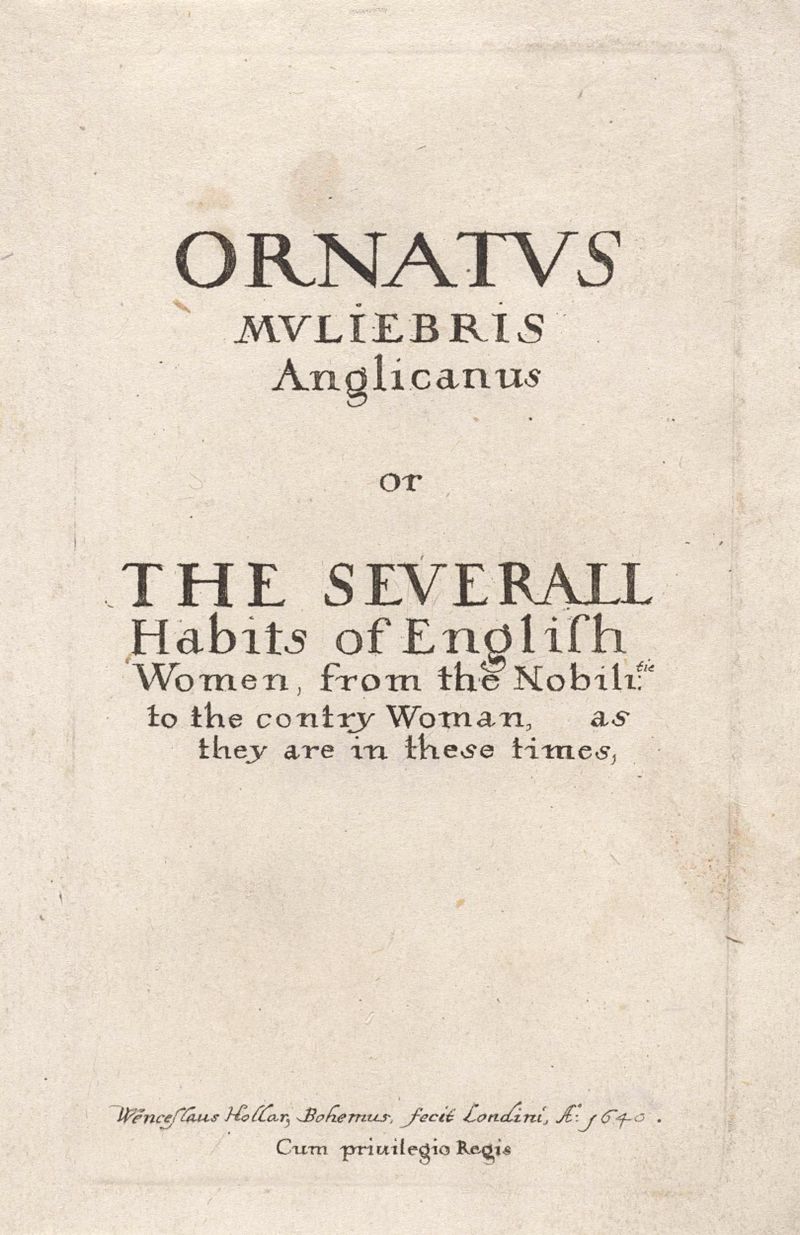
Titelprent voor: Ornatus Muliebris Anglicanus
Wenceslaus Hollar
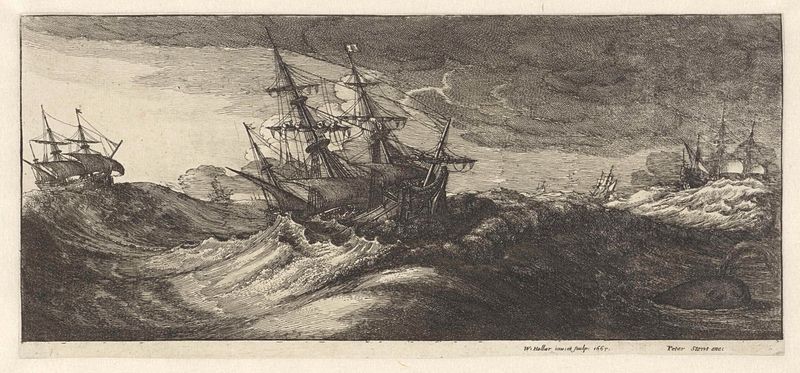
Oorlogsschepen en een walvis in een zeestorm
Wenceslaus Hollar
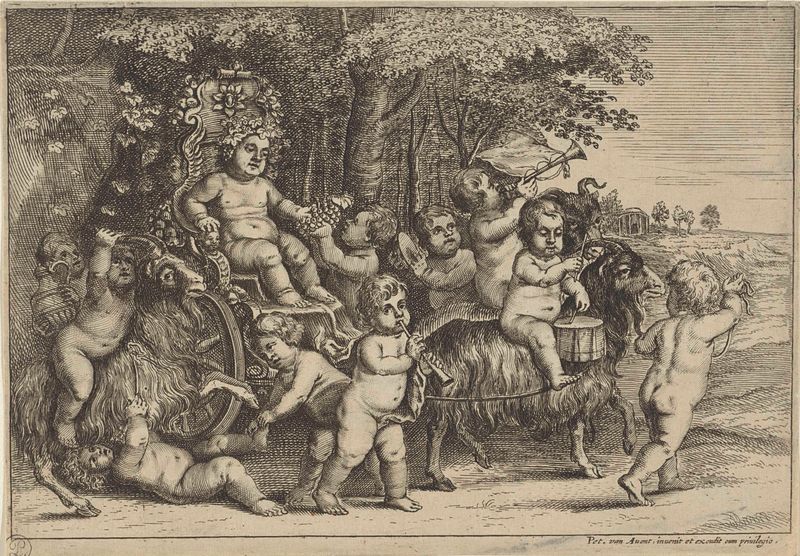
Optocht van bacchant en jongetjes op geiten
Wenceslaus Hollar
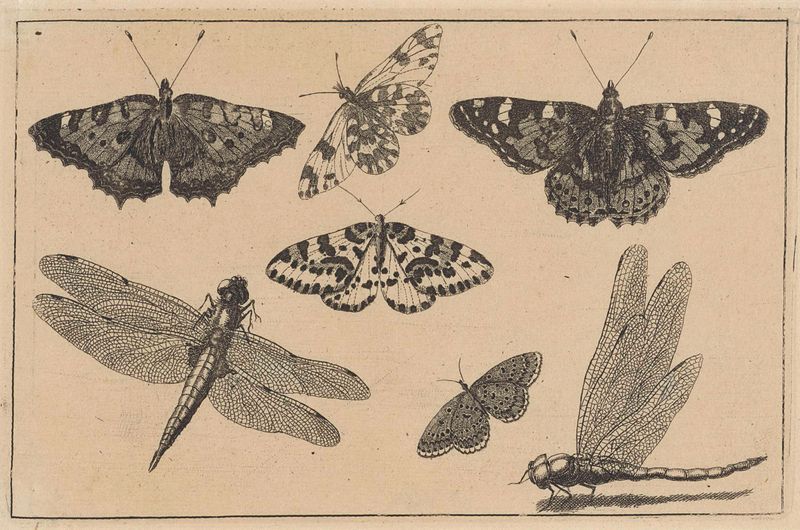
Twee libellen en vijf vlinders
Wenceslaus Hollar
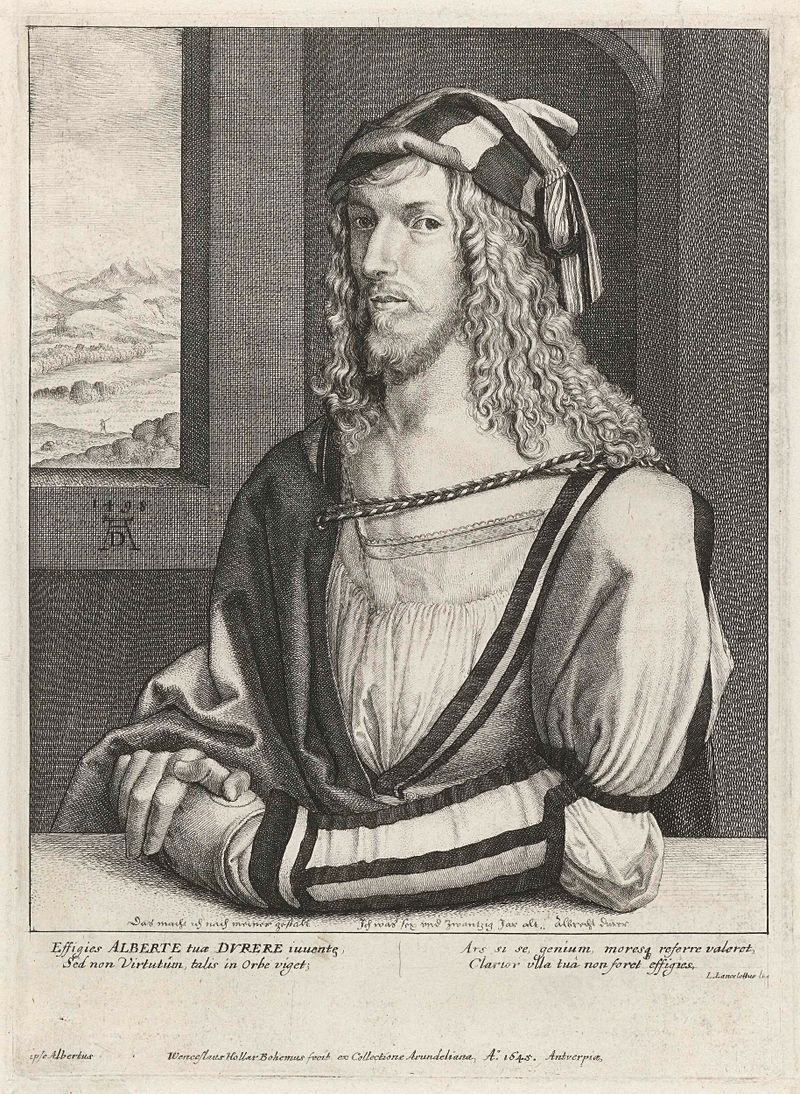
Portret van Albrecht Dürer
Wenceslaus Hollar
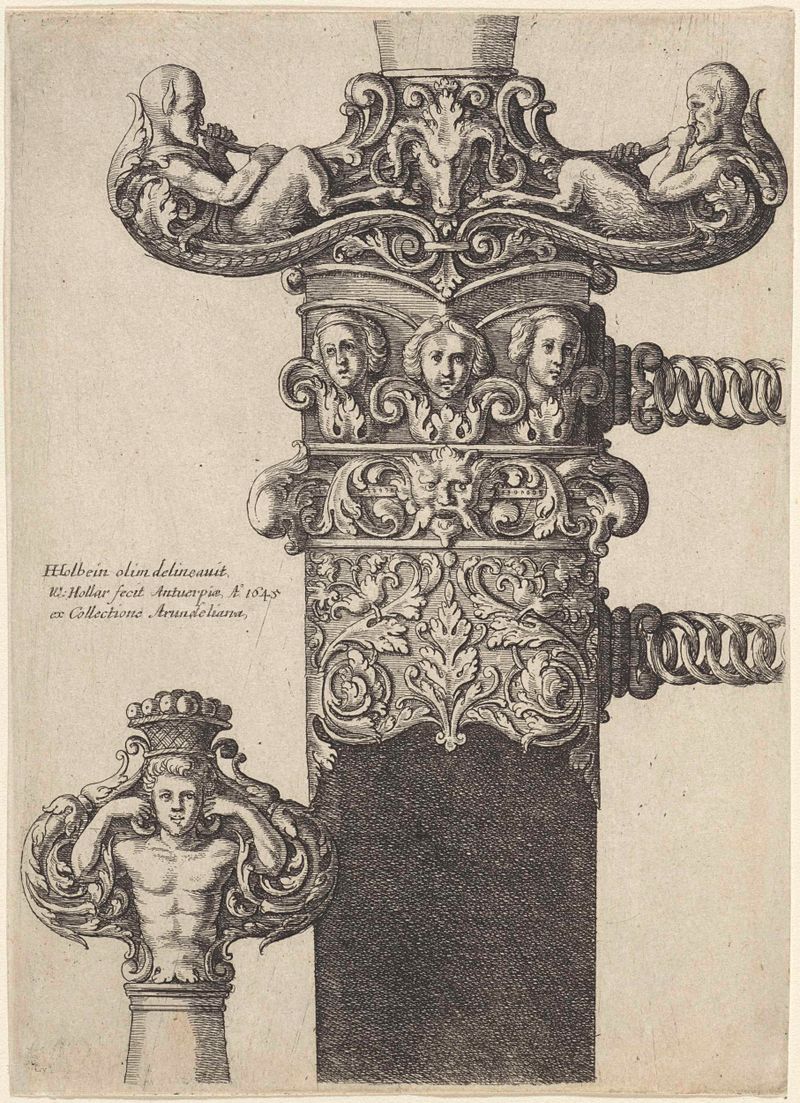
Ornamenteel ontwerp voor een dolk
Wenceslaus Hollar
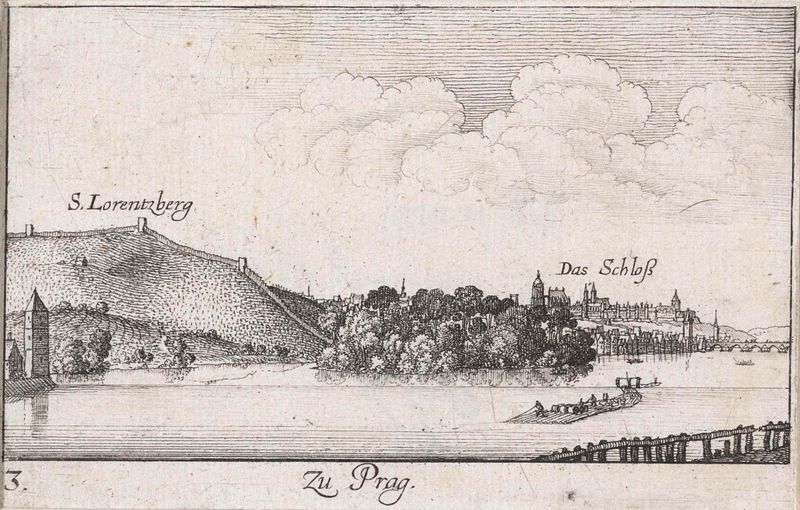
Gezicht op Praag vanaf de Moldau
Wenceslaus Hollar





