
Landschap met hooiwagen — History & Facts
This sentiment resonates deeply in the landscape of a world poised on the brink of revolution. Here, the quiet beauty of nature intertwines with the pulse of change, evoking a profound sense of anticipation and reflection. Look to the foreground, where the hay wagon sits steadfast against the backdrop of a vibrant horizon. The warm yellows and earthy greens create a rich tapestry that invites the viewer into the scene.
Notice how the light filters through the clouds, casting a soft glow that imbues the landscape with warmth and vitality. Each element is meticulously placed, drawing your gaze toward the wagon, a symbol of agrarian life that stands in stark contrast to the shifting tides of societal upheaval. Hidden within the details lies a commentary on the fleeting nature of tranquility. The swaying fields whisper of labor and harvest, while the distant hills suggest a world that is both inviting and uncertain.
The juxtaposition of nourishing earth and looming change echoes the sentiments of a populace grappling with their identity. The wagon, though a relic of the past, signifies the weight of tradition that clings to the edges of progress. In 1836, Pierre Louis Dubourcq painted this work during a time of significant political transformation in Europe. Living in France, he witnessed the aftermath of revolutions that were reshaping society and art itself.
As artists began to explore realism and the everyday lives of common people, Dubourcq’s landscape reflects both a love for nature and a silent acknowledgment of the shifting paradigms defining his world.
More Artworks by Pierre Louis Dubourcq
Browse all →
Een wijngaard bij Olevano
Pierre Louis Dubourcq
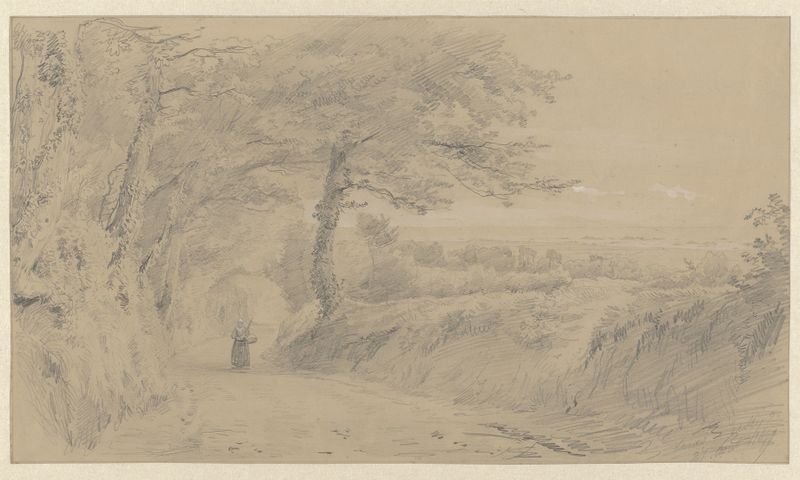
Landschap op Jersey
Pierre Louis Dubourcq

De tempel van Neptunus, Paestum
Pierre Louis Dubourcq
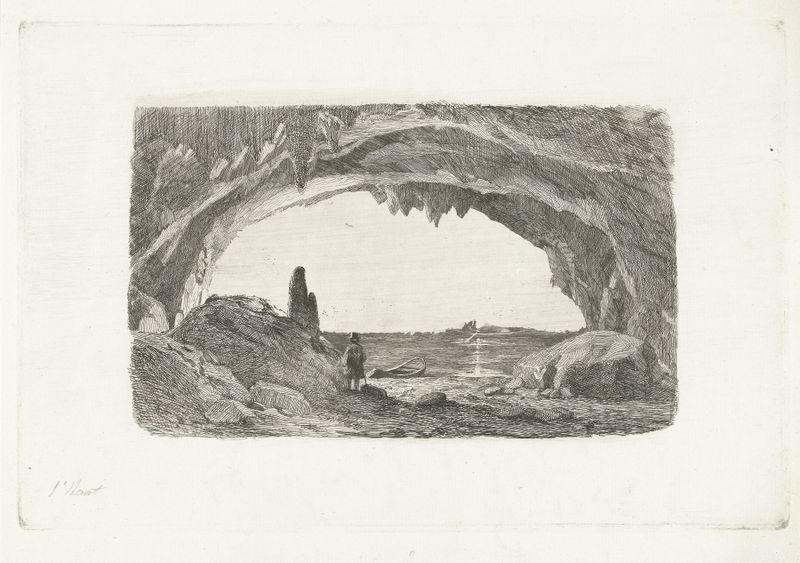
Man met roeiboot in de grotten van Han
Pierre Louis Dubourcq
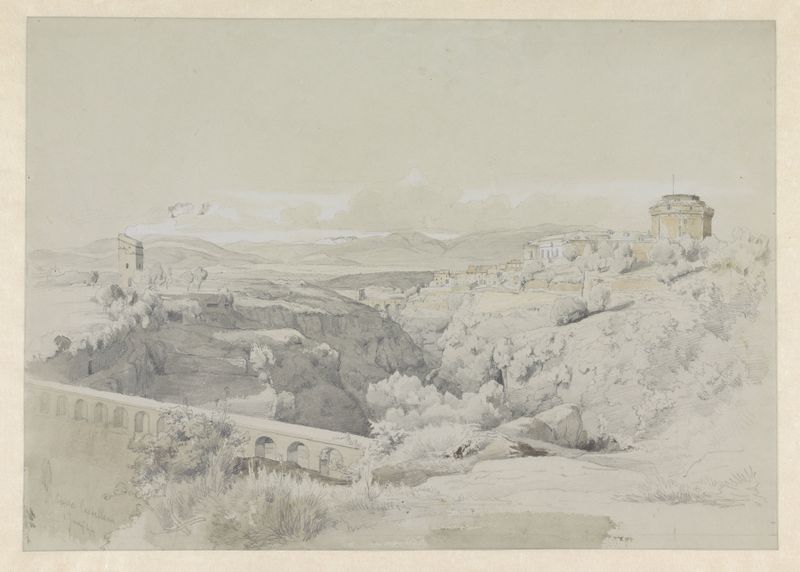
Gezicht op Civita Castellana
Pierre Louis Dubourcq

Paard en wagen op een weg
Pierre Louis Dubourcq
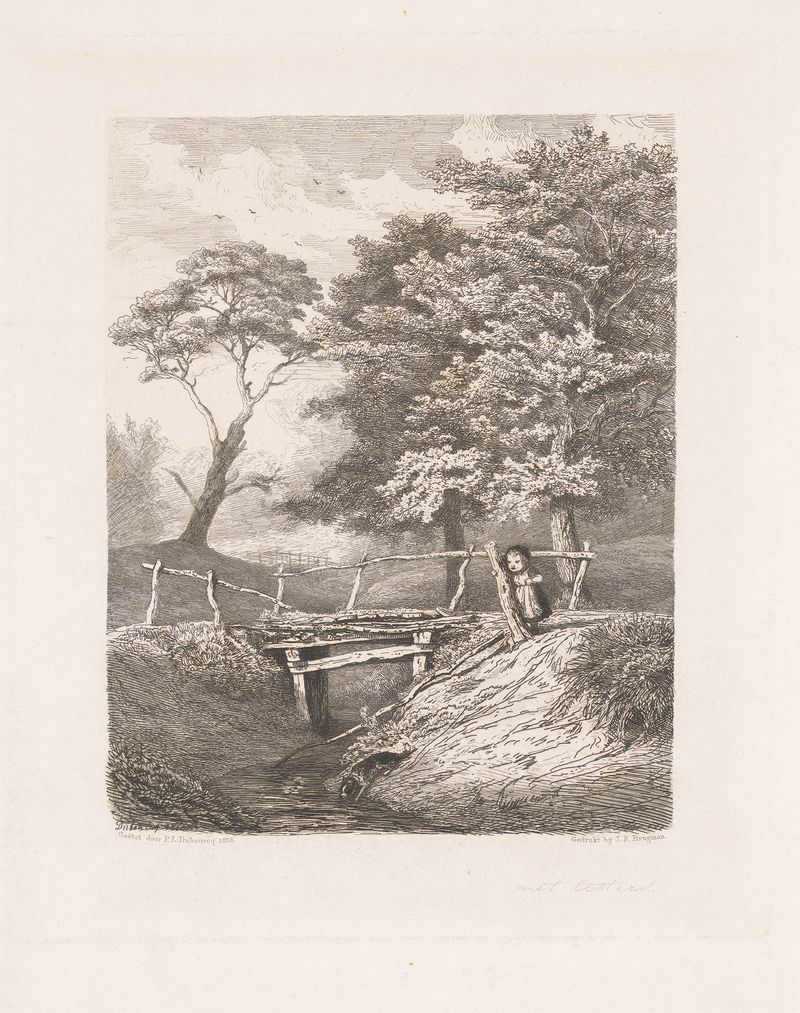
Meisje met hond bij houten brug
Pierre Louis Dubourcq

Kustlandschap te Granville
Pierre Louis Dubourcq

View of Castle Gerone on the island Ischia
Pierre Louis Dubourcq

De rivier de Nera bij Narni
Pierre Louis Dubourcq





