
Landschap met rivier aan de bosrand — History & Facts
In Landschap met rivier aan de bosrand, Wenceslaus Hollar captures the delicate equilibrium between serenity and turmoil woven into the natural world. This balance invites contemplation, urging the viewer to seek the hidden complexities beneath the surface of tranquility. Look to the left where the river glides gently, its surface reflecting the lush greenery above. The interplay of light and shadow creates an enchanting dance, with the vibrant greens of the foliage contrasting against the deeper hues of the water.
Notice how the trees arch gracefully, their limbs reaching across the canvas, framing the scene like an embrace that encapsulates the viewer’s gaze. Every stroke seems deliberate, as Hollar’s meticulous attention to detail reveals the artist's profound understanding of landscape and its inherent beauty. Yet, beneath this picturesque facade lies an undercurrent of unease. The juxtaposition of the serene river and the looming forest hints at an enigmatic tension, suggesting that beauty can mask the lurking shadows of nature's more ferocious elements.
The dappled light filtering through the foliage invites a moment of introspection, whispering of secrets held within the stillness, as if the landscape itself breathes, balancing fragility and strength. In 1649, while creating this piece, Hollar was living in England, having fled the tumult of his native Prague during the Thirty Years' War. This period was marked by personal and artistic challenges, yet it also offered him a unique opportunity to explore the subtleties of the English landscape. His work reflects not only a mastery of etching but also a deep connection to the world around him, recognizing that beauty often coexists with strife.
More Artworks by Wenceslaus Hollar
Browse all →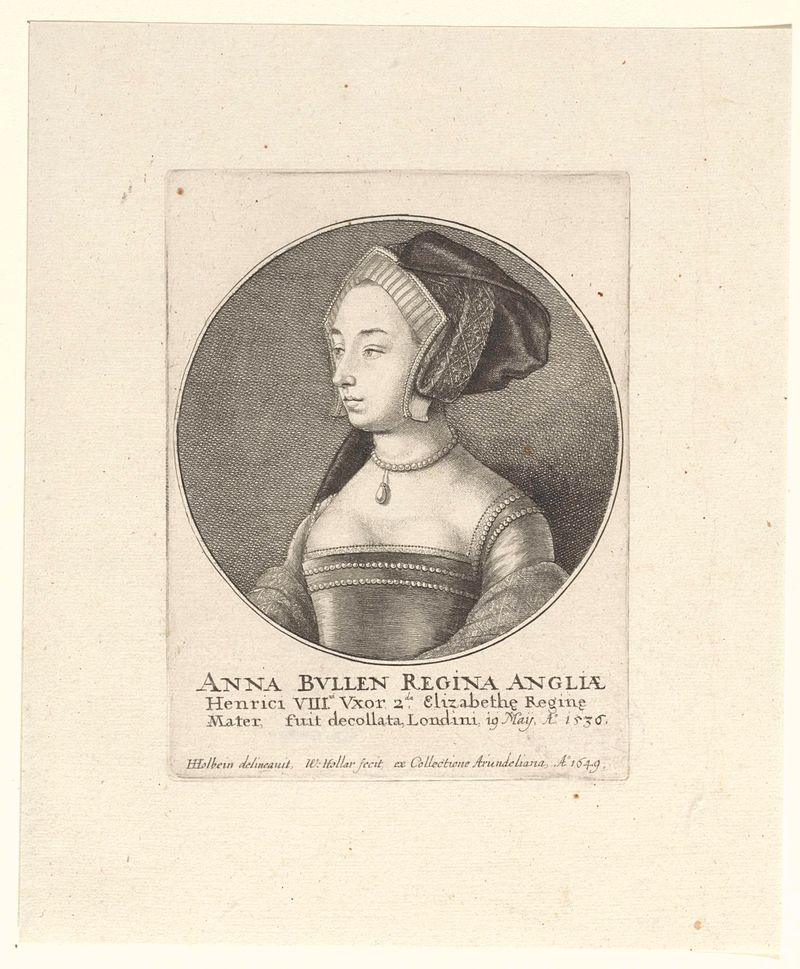
Portret van Anna Boleyn, koningin van Engeland
Wenceslaus Hollar
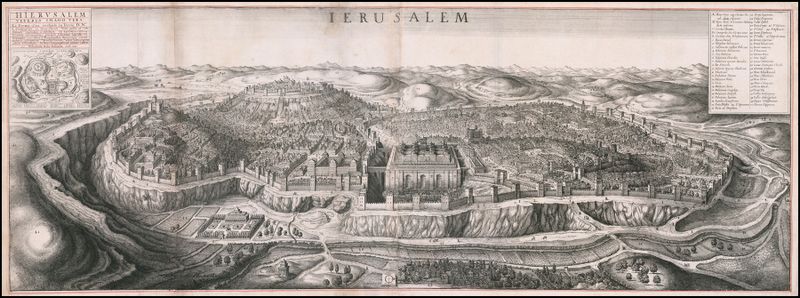
Bird’s eye view of Jerusalem
Wenceslaus Hollar
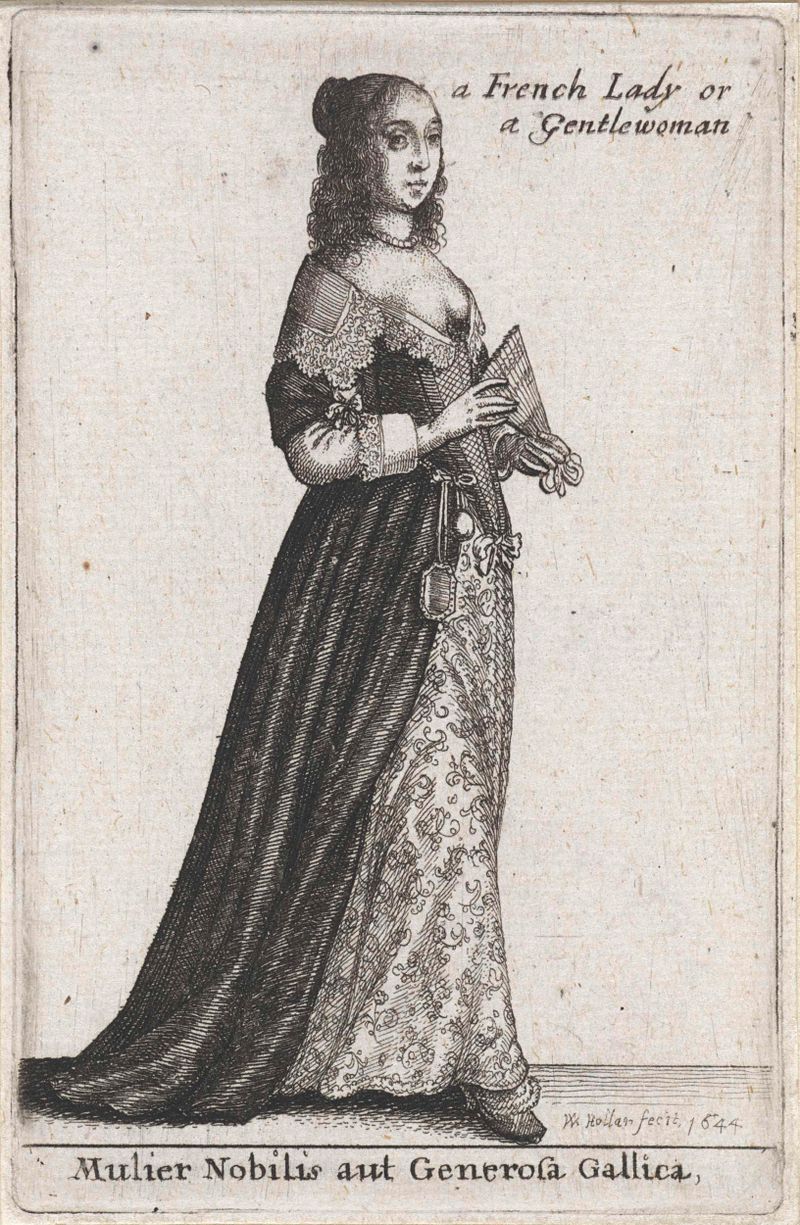
Mulier Nobilis aut Generosa Gallica / a French Lady or Gentlewoman
Wenceslaus Hollar
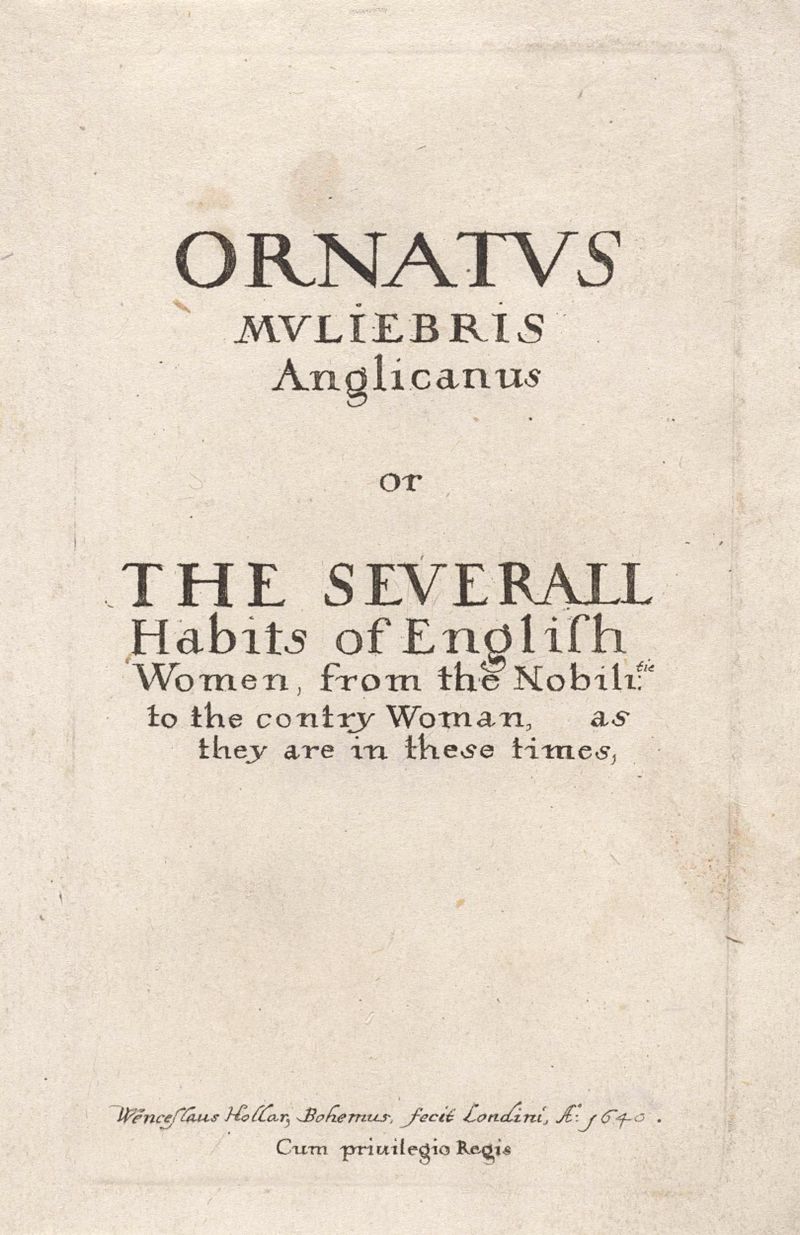
Titelprent voor: Ornatus Muliebris Anglicanus
Wenceslaus Hollar
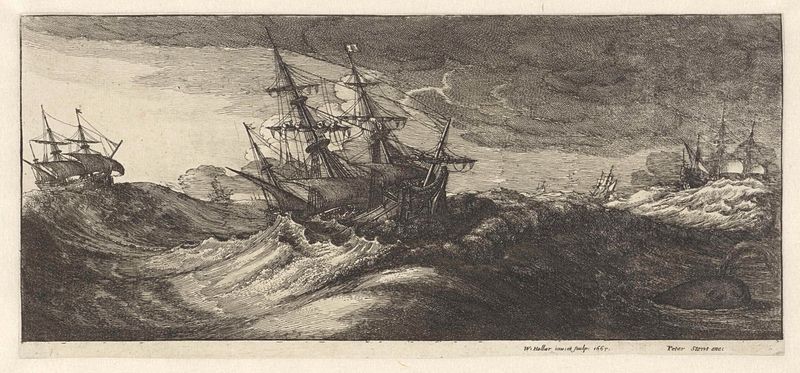
Oorlogsschepen en een walvis in een zeestorm
Wenceslaus Hollar
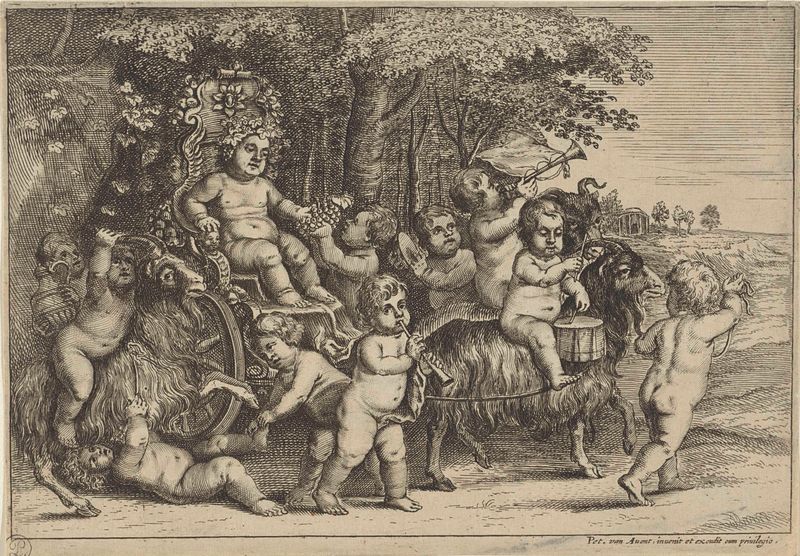
Optocht van bacchant en jongetjes op geiten
Wenceslaus Hollar
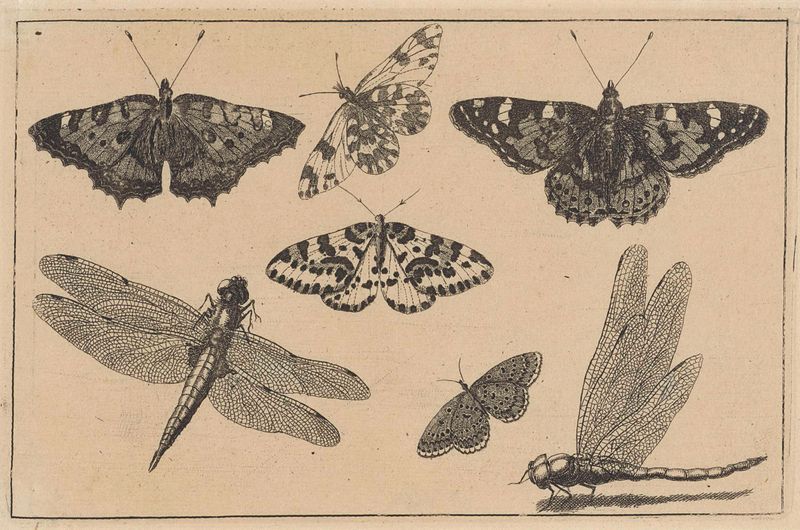
Twee libellen en vijf vlinders
Wenceslaus Hollar
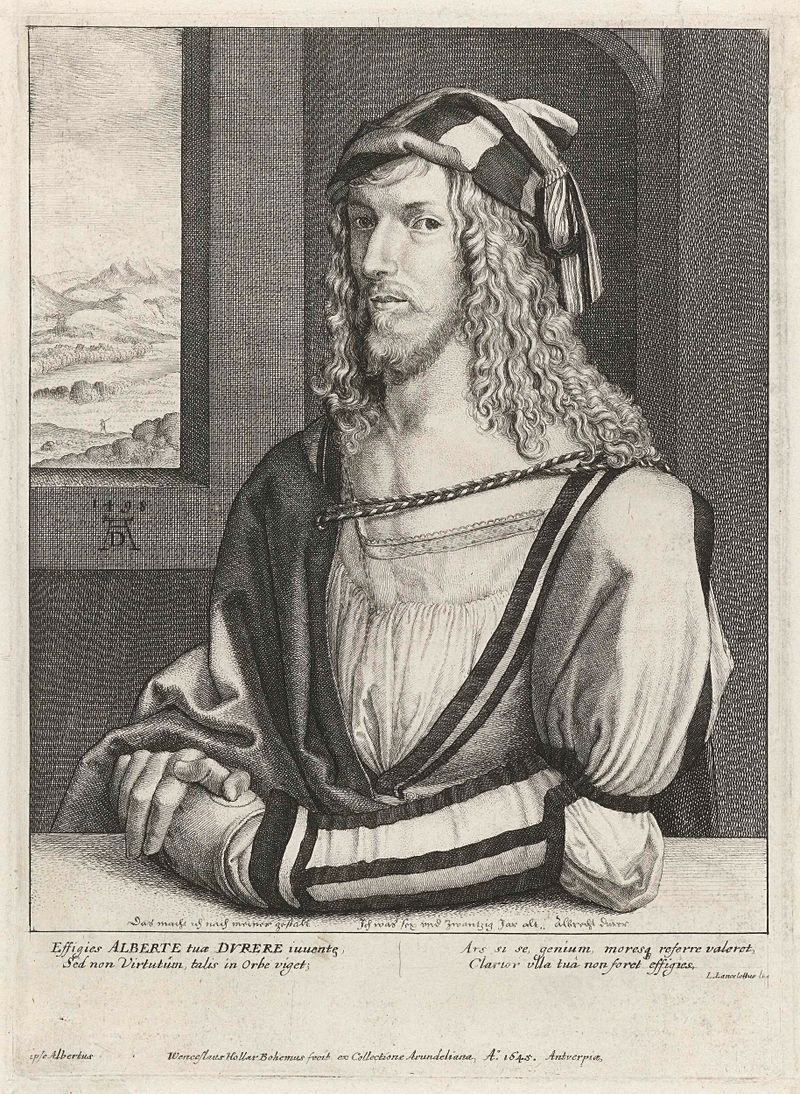
Portret van Albrecht Dürer
Wenceslaus Hollar
Ornamenteel ontwerp voor een dolk
Wenceslaus Hollar
Gezicht op Praag vanaf de Moldau
Wenceslaus Hollar





