
Landschap met ruïne van een romeinse tempel — History & Facts
Can beauty exist without sorrow? In the serene expanse of the canvas, we find a landscape that whispers of the past, inviting us into a dreamlike reverie where ancient ruins stand resolute against the passage of time. Look to the left at the delicate arch of the Roman temple's crumbling structure, its weathered stones bathed in a soft golden light. The surrounding verdant hills rise gently, their green hues contrasting strikingly with the pale, muted tones of the temple, symbolizing nature’s relentless reclaiming of mankind’s achievements. The artist’s brushwork is meticulous, with each stroke breathing life into the foliage, while the sky transitions from a gentle azure to wispy clouds that hint at the coming dusk. Within this tranquil composition lies a profound commentary on the impermanence of beauty.
The juxtaposition of the majestic ruins against the lush landscape evokes a sense of nostalgia, suggesting that even the grandest creations are but fleeting moments in the grand tapestry of existence. The temple, once a site of worship, now crumbles quietly, embodying the melancholic truth that all things are subject to decay and the inexorable flow of time. Esaias van de Velde painted this work between 1710 and 1747, a period marked by an exploration of landscape art in the Dutch Golden Age. Living in a time when art was increasingly appreciated for its aesthetic and emotional depth, he sought to convey the beauty in decay and the harmonious coexistence of nature and history.
This painting reflects not only his artistic prowess but also the cultural context in which he created, where the timelessness of landscapes became a poignant subject of reflection.
More Artworks by Esaias van de Velde
Browse all →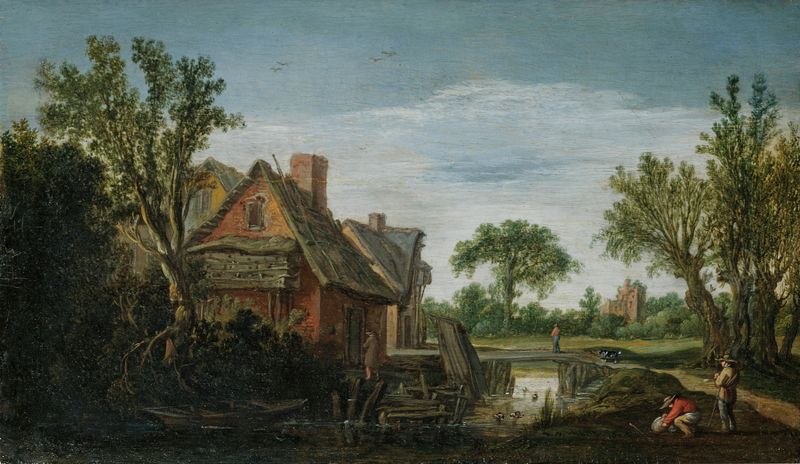
The Hague A Wooded River Landscape With Figures On A Path On A River Bank Beside A Village, A Bridge Beyond
Esaias van de Velde
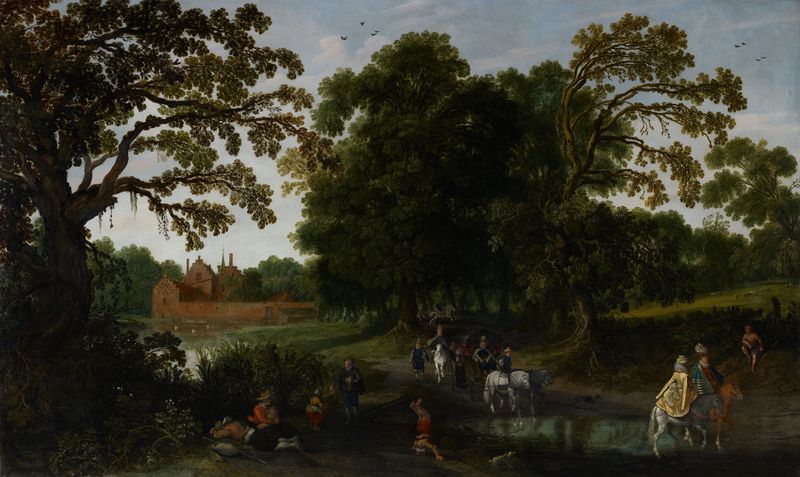
Courtly Procession before Abstpoel Castle
Esaias van de Velde
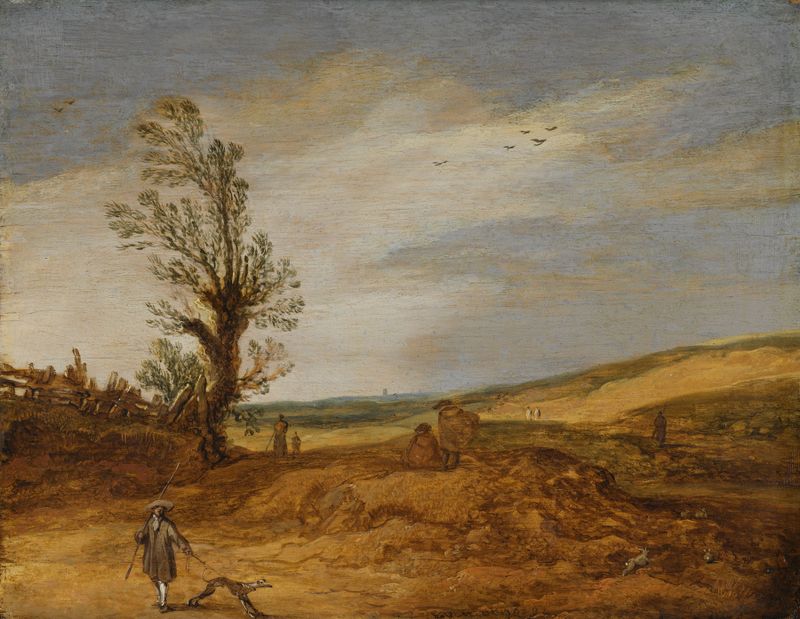
A View in the Dunes
Esaias van de Velde
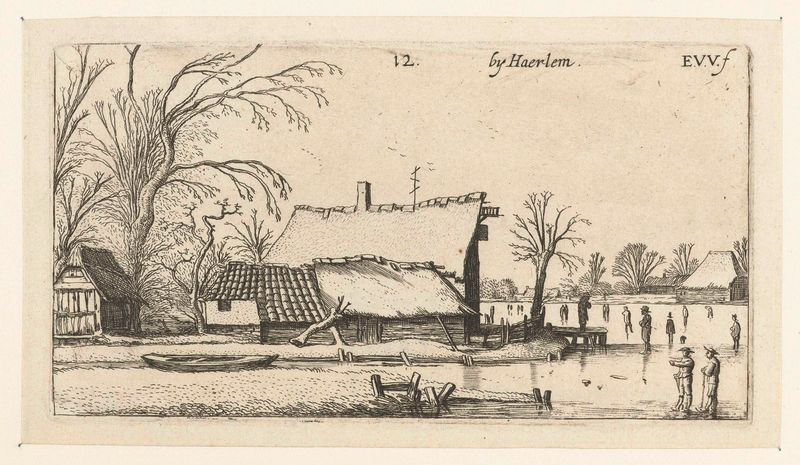
Boerderij bij een bevroren rivier met schaatsers
Esaias van de Velde
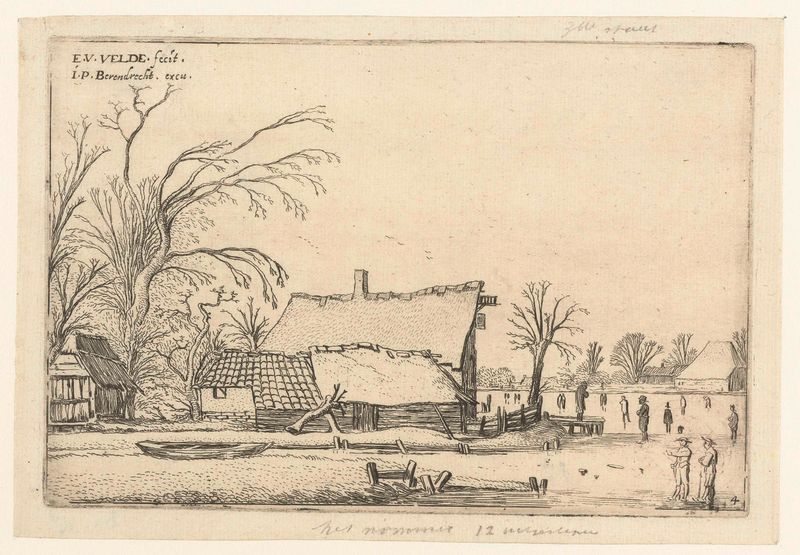
Boerderij bij een bevroren rivier met schaatsers
Esaias van de Velde
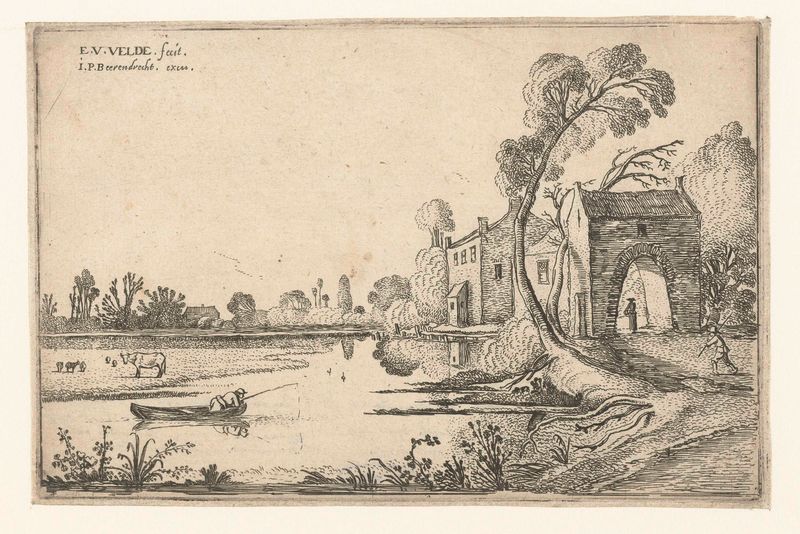
Landschap met rivier en poortgebouw
Esaias van de Velde
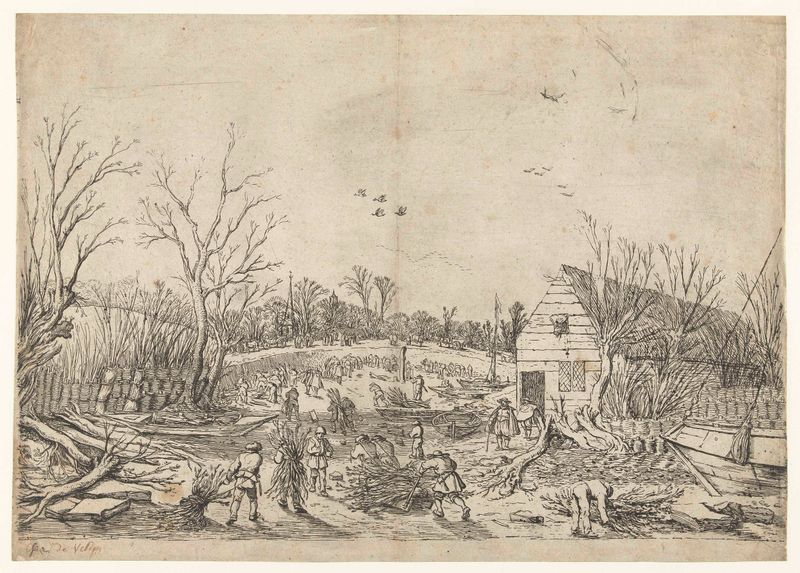
Herstelwerkzaamheden aan de doorgebroken Lekdijk bij 't Waal
Esaias van de Velde
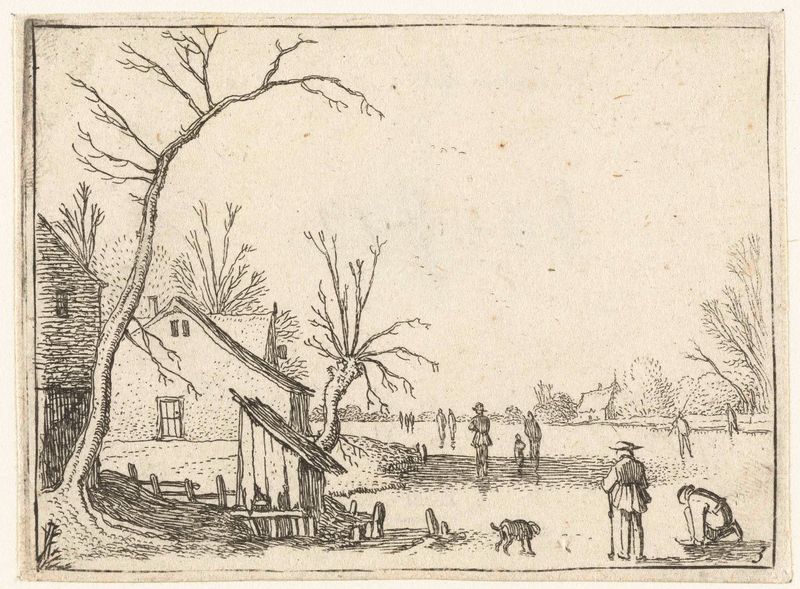
Boerderij bij bevroren rivier en schaatsers op het ijs
Esaias van de Velde
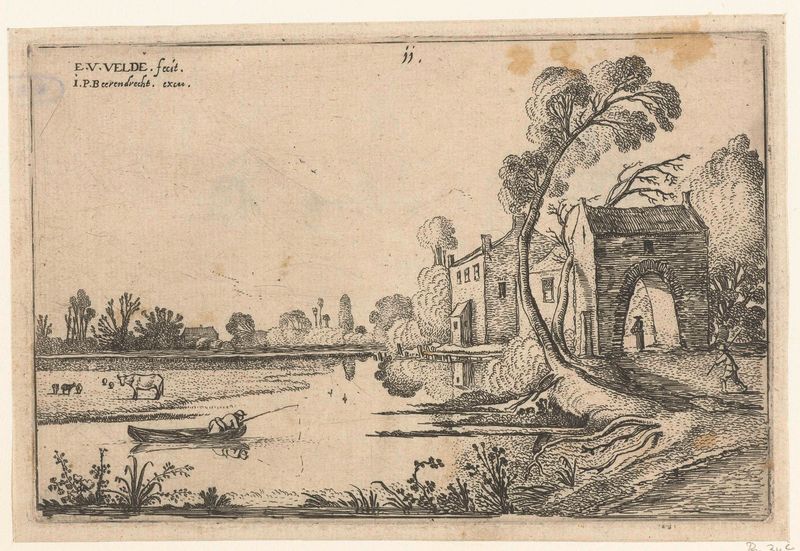
Landschap met een rivier en poortgebouw
Esaias van de Velde
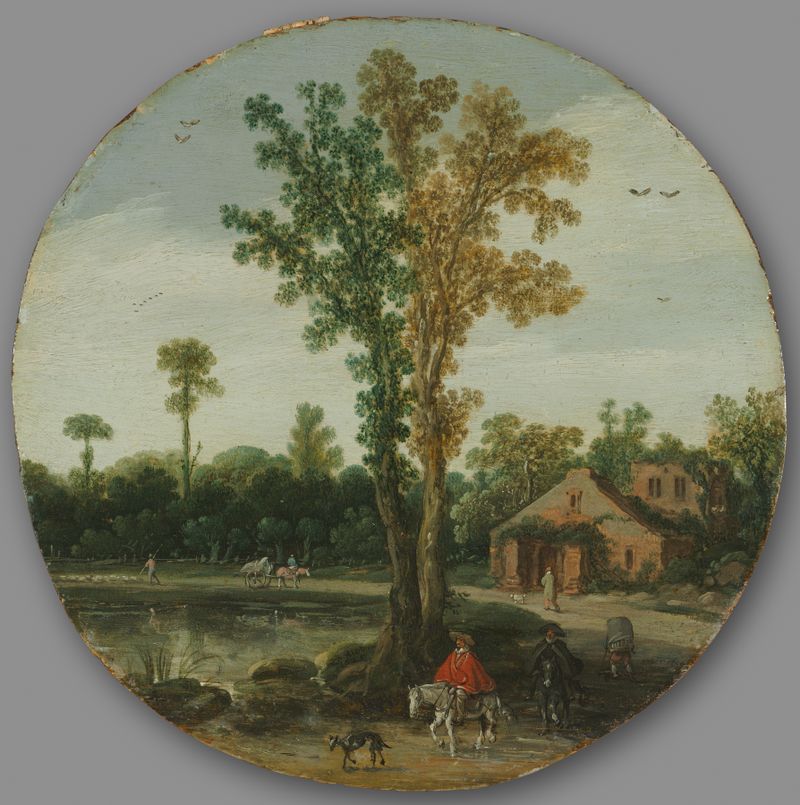
Travelers by a Lake
Esaias van de Velde





