
Landschap met twee wandelaars — History & Facts
Can paint confess what words never could? In Landschap met twee wandelaars, we encounter a delicate communion between the earthly and the ethereal, inviting us to ponder the intersection of faith and nature. Look to the center where two figures meander through a verdant landscape, their silhouettes softened by the gentle embrace of an atmospheric sky. The artist employs a subtle palette of greens and browns, weaving light and shadow to create depth and movement. Notice how the winding path draws the eye inward, inviting the viewer to traverse the scene alongside the wanderers.
Hollar's meticulous line work captures the interplay of texture in both foliage and sky, grounding the spiritual essence of the moment. Yet beneath this tranquil surface lies a profound exploration of faith. The figures, seemingly absorbed in conversation, may symbolize our search for meaning amidst the vastness of existence. The expansive landscape suggests the infinite, while the distant horizon hints at a journey not just of the physical realm but of the soul.
The harmony between humans and nature speaks to a deeper connection, inviting contemplation of the sacred within the ordinary. Created between 1652 and 1678, this piece emerged during a period of great change in Europe. Wenceslaus Hollar was living in the midst of the Thirty Years' War’s aftermath, when the devastation prompted a shift in artistic themes toward more introspective subjects. In this landscape, he found refuge, attempting to reconcile the turmoil of his time with a vision of peace and spiritual reflection.
More Artworks by Wenceslaus Hollar
Browse all →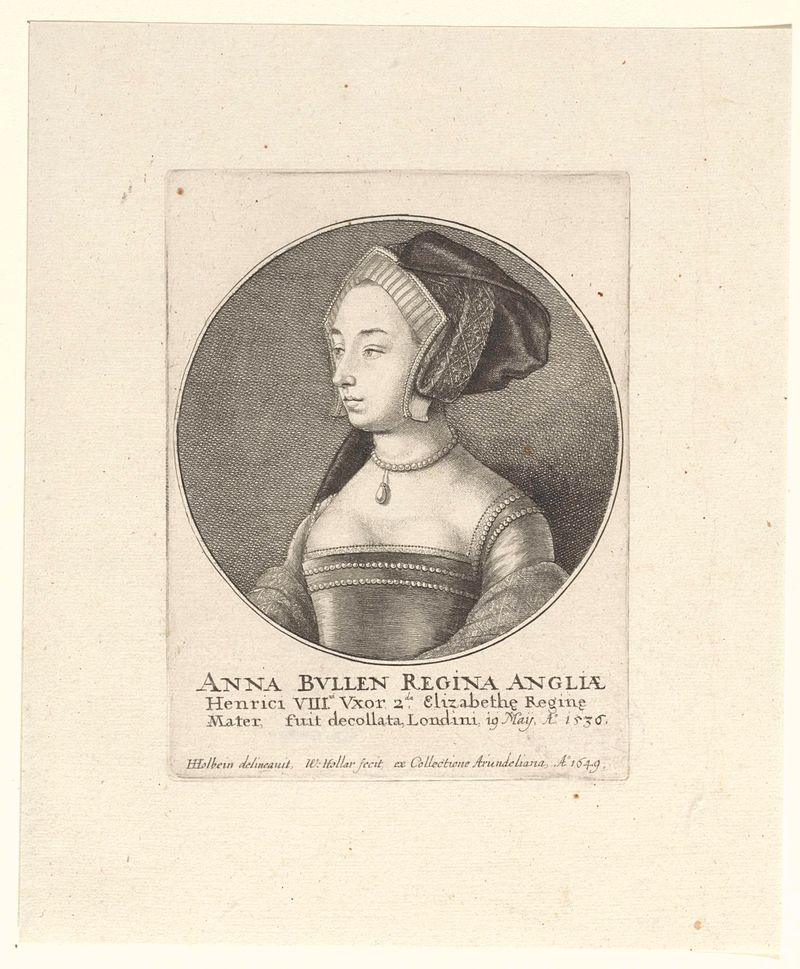
Portret van Anna Boleyn, koningin van Engeland
Wenceslaus Hollar
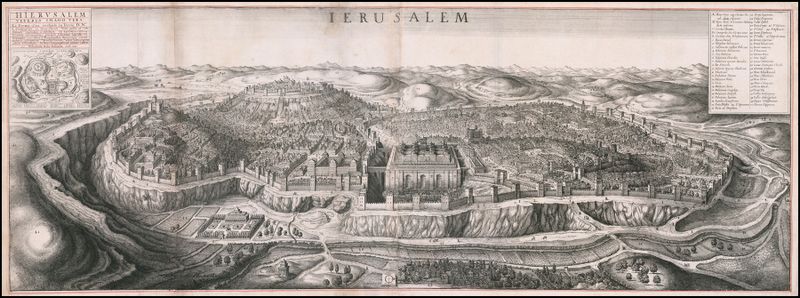
Bird’s eye view of Jerusalem
Wenceslaus Hollar
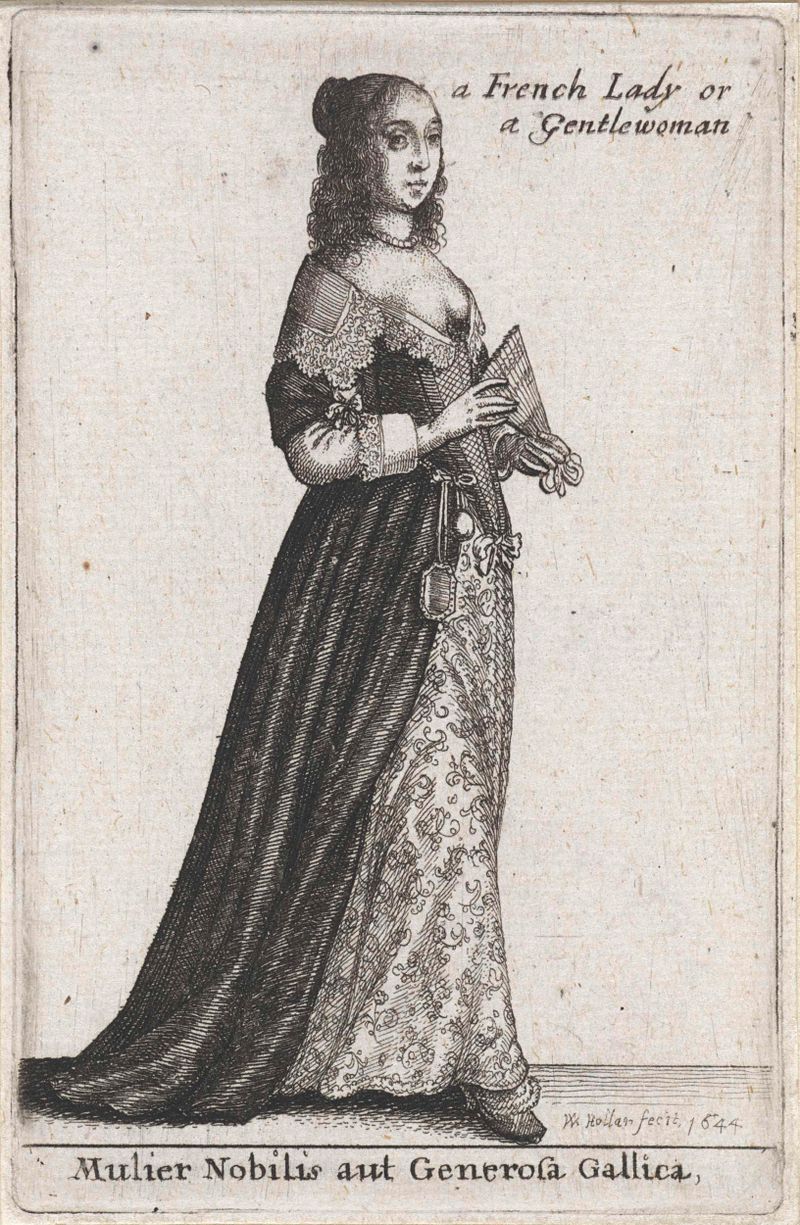
Mulier Nobilis aut Generosa Gallica / a French Lady or Gentlewoman
Wenceslaus Hollar
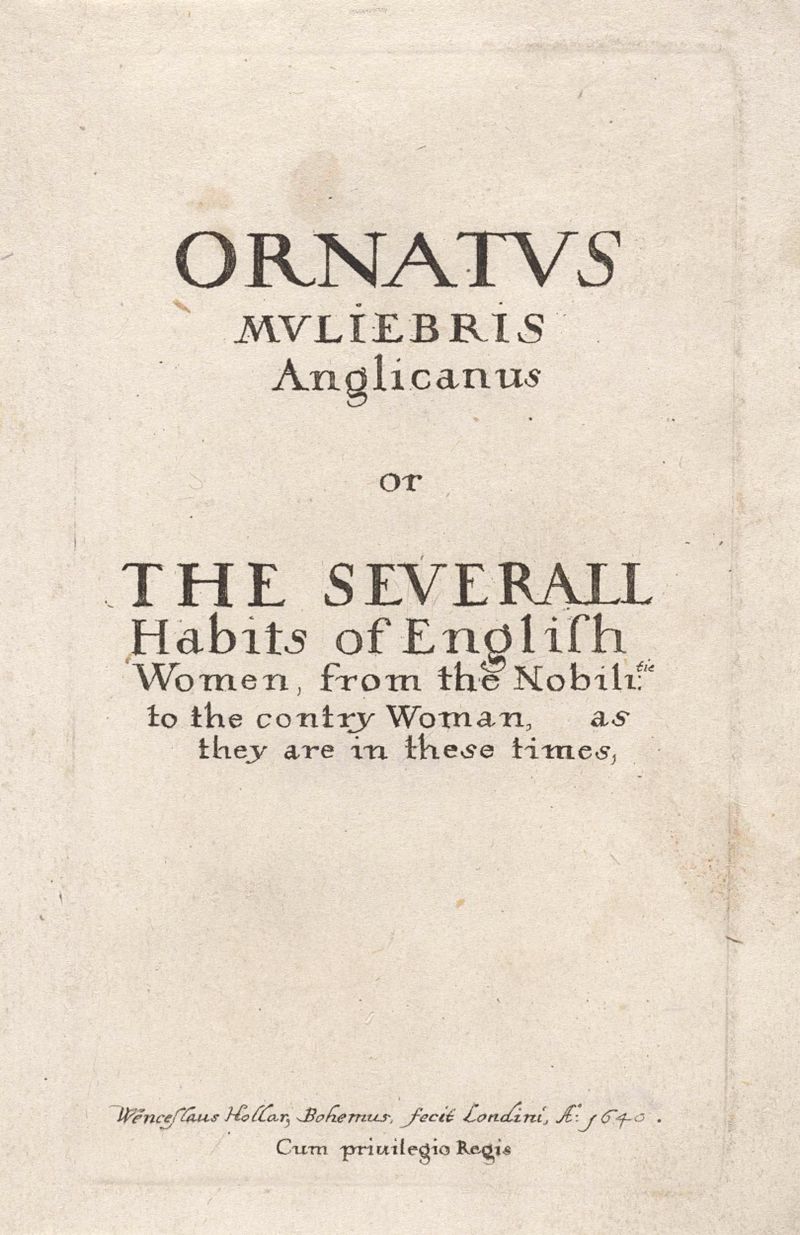
Titelprent voor: Ornatus Muliebris Anglicanus
Wenceslaus Hollar
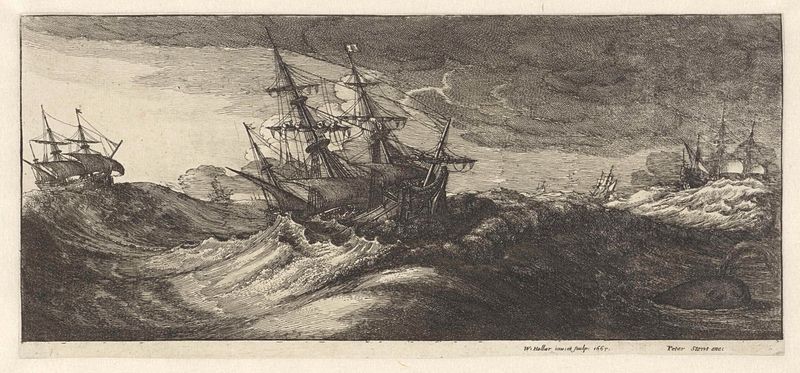
Oorlogsschepen en een walvis in een zeestorm
Wenceslaus Hollar
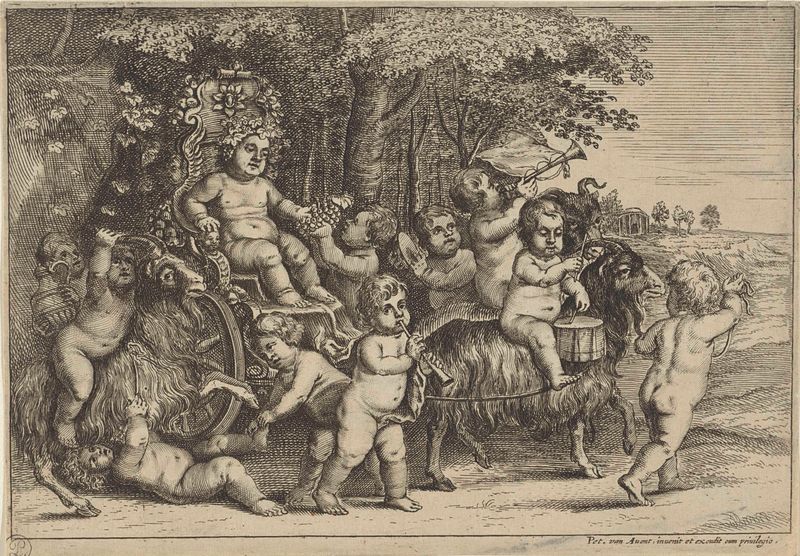
Optocht van bacchant en jongetjes op geiten
Wenceslaus Hollar
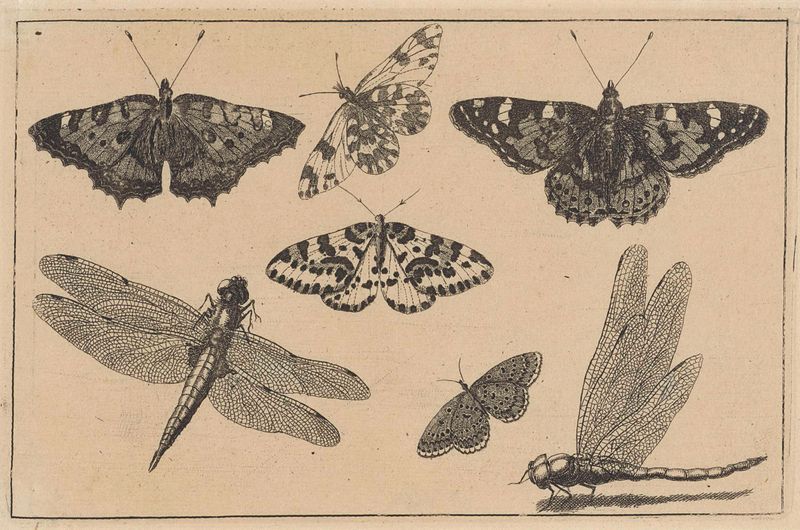
Twee libellen en vijf vlinders
Wenceslaus Hollar
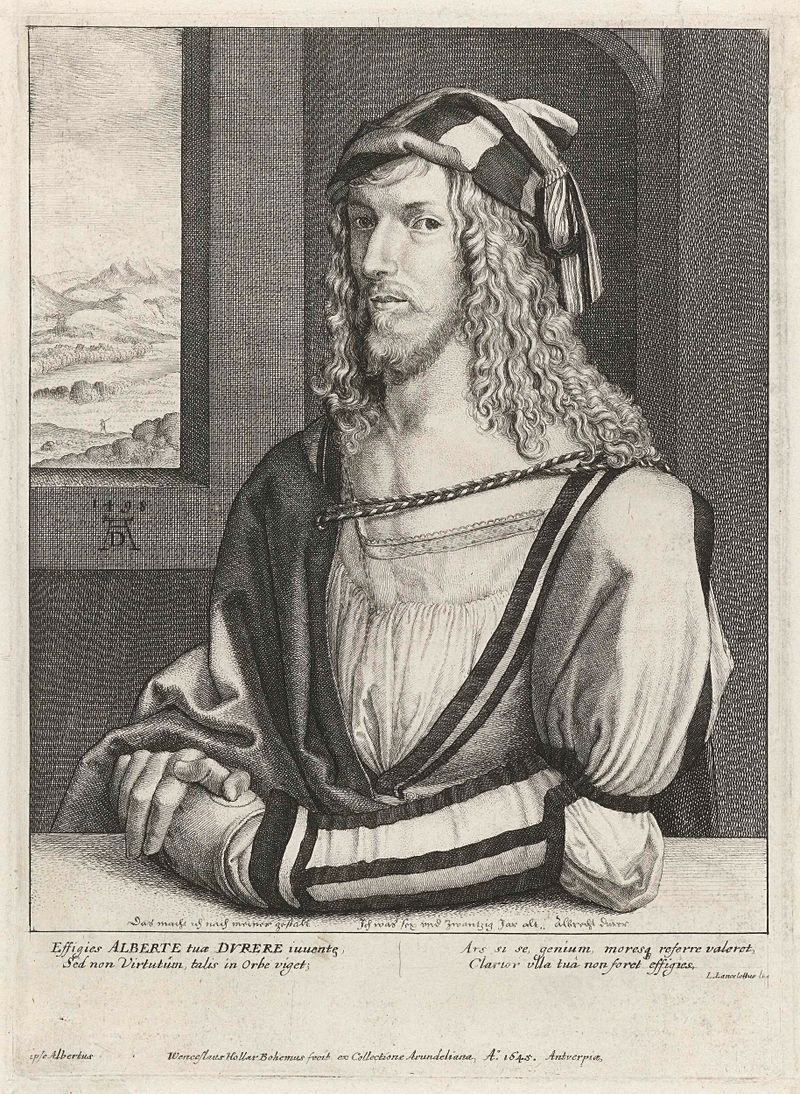
Portret van Albrecht Dürer
Wenceslaus Hollar
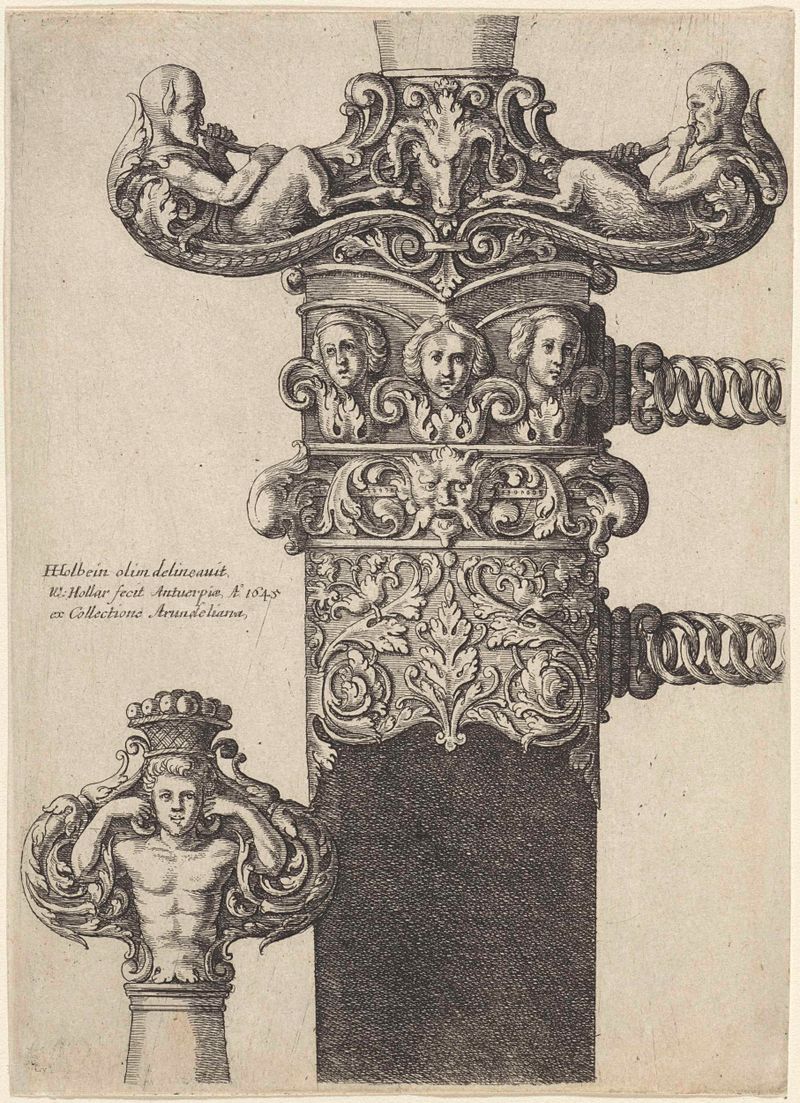
Ornamenteel ontwerp voor een dolk
Wenceslaus Hollar
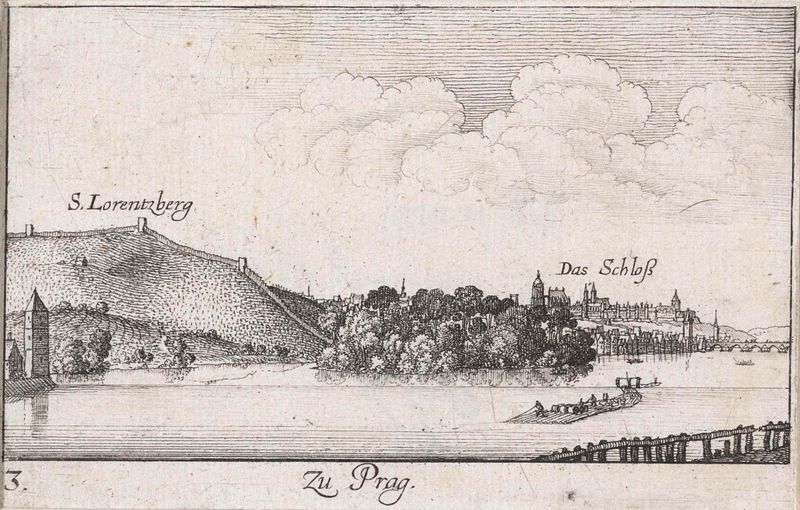
Gezicht op Praag vanaf de Moldau
Wenceslaus Hollar





