
Landschap nabij Straatsburg — History & Facts
Where does light end, and longing begin? Wenceslaus Hollar's Landschap nabij Straatsburg invites us into a realm where the play of shadow and light not only shapes the landscape but also echoes the depths of human emotion. Look to the left at the delicate silhouette of distant hills, softly kissed by a warm, golden glow. The artist skillfully employs fine lines to delineate the undulating terrain, where wisps of clouds linger like thoughts left unspoken. Notice how the light falls upon the trees in the foreground, their feathery branches almost reaching out with an intimate grace, connecting the viewer’s gaze to the expansive sky above, hinting at a world beyond the canvas.
This interplay of light and dark is not mere decoration; it is the heartbeat of the composition that draws one in. As you delve deeper, consider the tension between the vibrant greenery and the muted tones of the horizon, suggesting a journey from the familiar to the unknown. The winding path that leads into the scene represents a yearning for exploration, while the serene water reflects an inner stillness that contrasts the vibrant life around it. Here, one can sense a duality: the desire for adventure and the comfort of home, creating a poignant moment of solitude amidst the beauty of nature. Created between 1643 and 1644, this piece emerged during a time of significant personal turmoil for Hollar.
Living in exile due to the Thirty Years' War, he found himself in a world where the landscapes he once knew were transformed, mirroring his own dislocation. This artwork, a reflection on both the external landscape and internal longing, encapsulates his experience—a blend of nostalgia and the search for belonging in an ever-shifting world.
More Artworks by Wenceslaus Hollar
Browse all →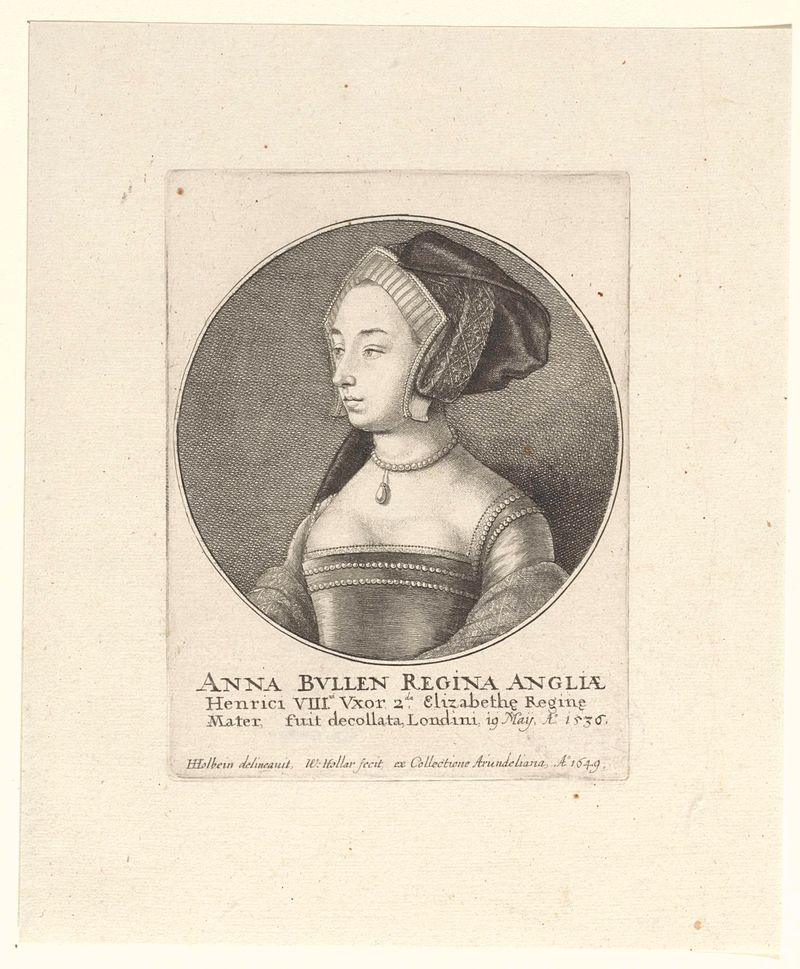
Portret van Anna Boleyn, koningin van Engeland
Wenceslaus Hollar
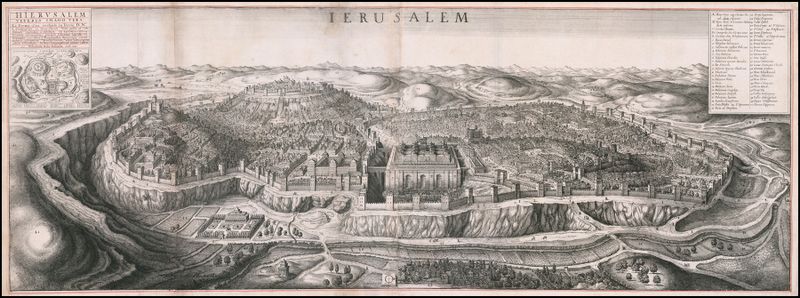
Bird’s eye view of Jerusalem
Wenceslaus Hollar
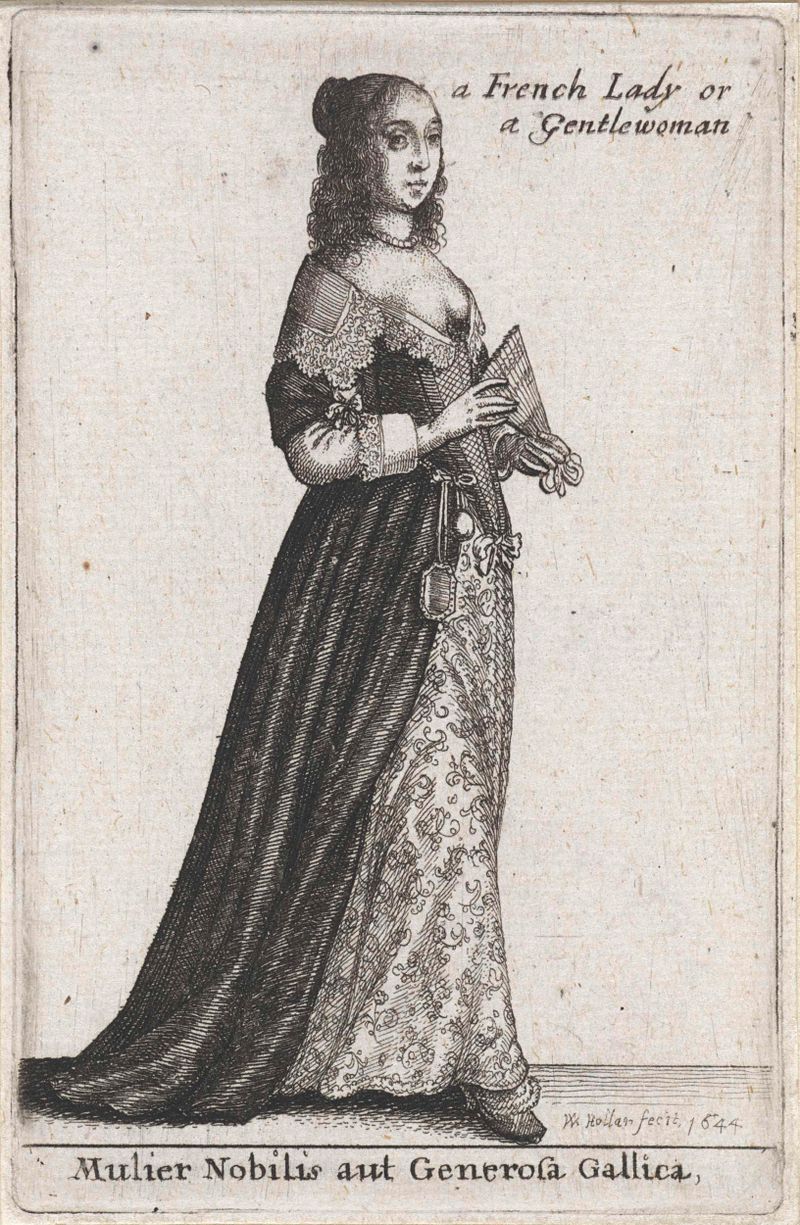
Mulier Nobilis aut Generosa Gallica / a French Lady or Gentlewoman
Wenceslaus Hollar
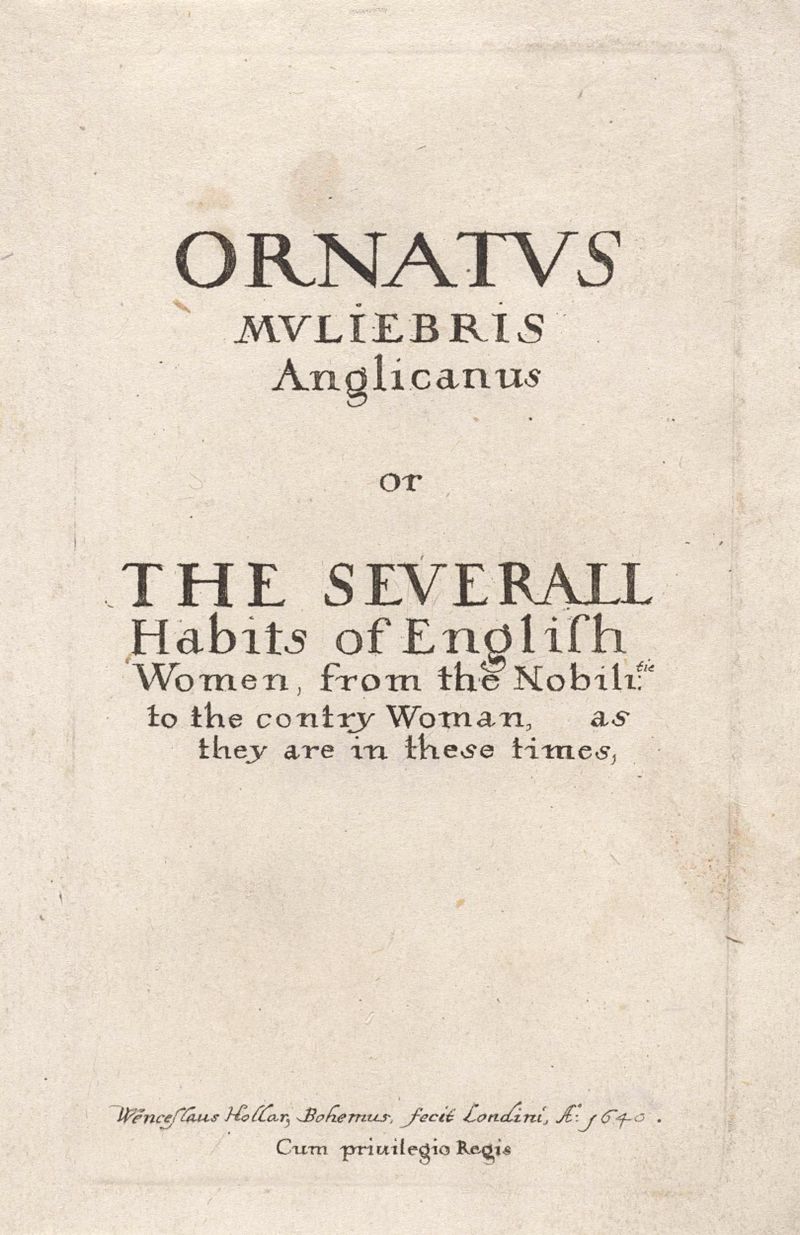
Titelprent voor: Ornatus Muliebris Anglicanus
Wenceslaus Hollar
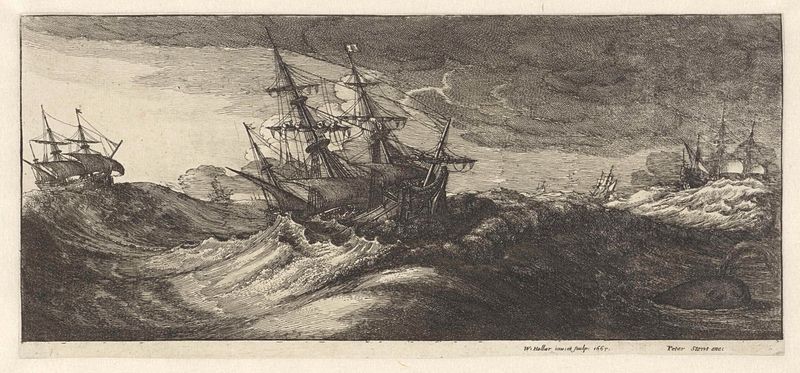
Oorlogsschepen en een walvis in een zeestorm
Wenceslaus Hollar
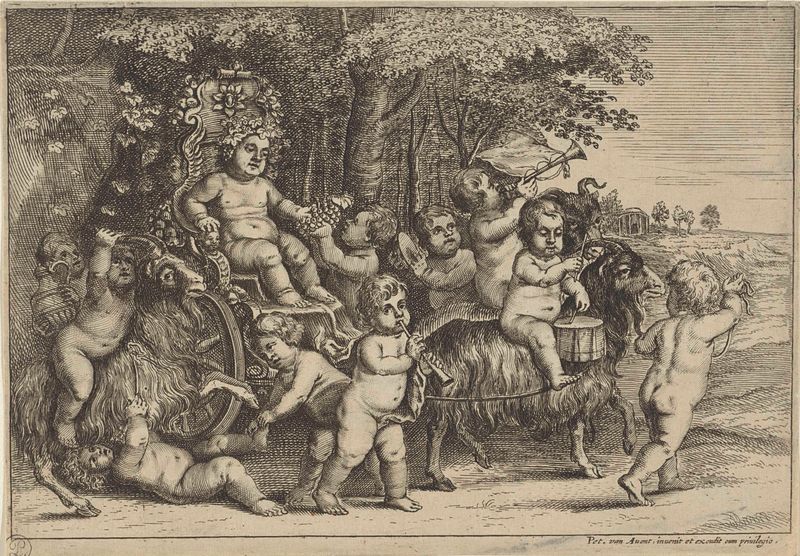
Optocht van bacchant en jongetjes op geiten
Wenceslaus Hollar
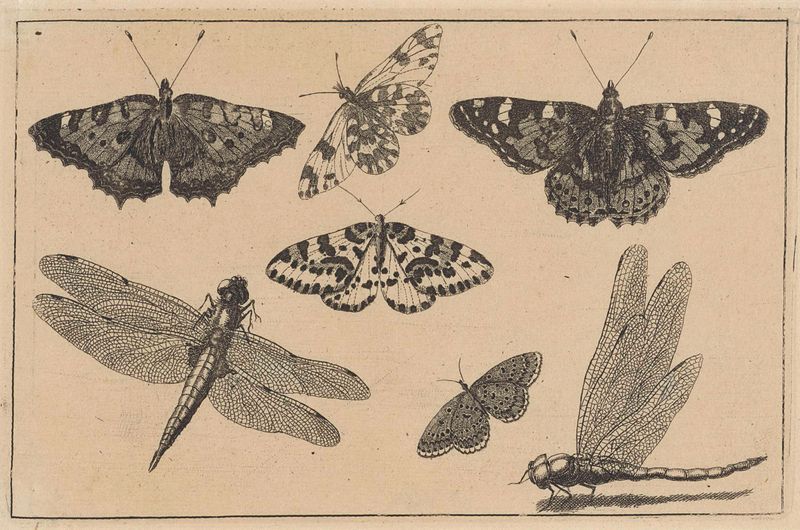
Twee libellen en vijf vlinders
Wenceslaus Hollar
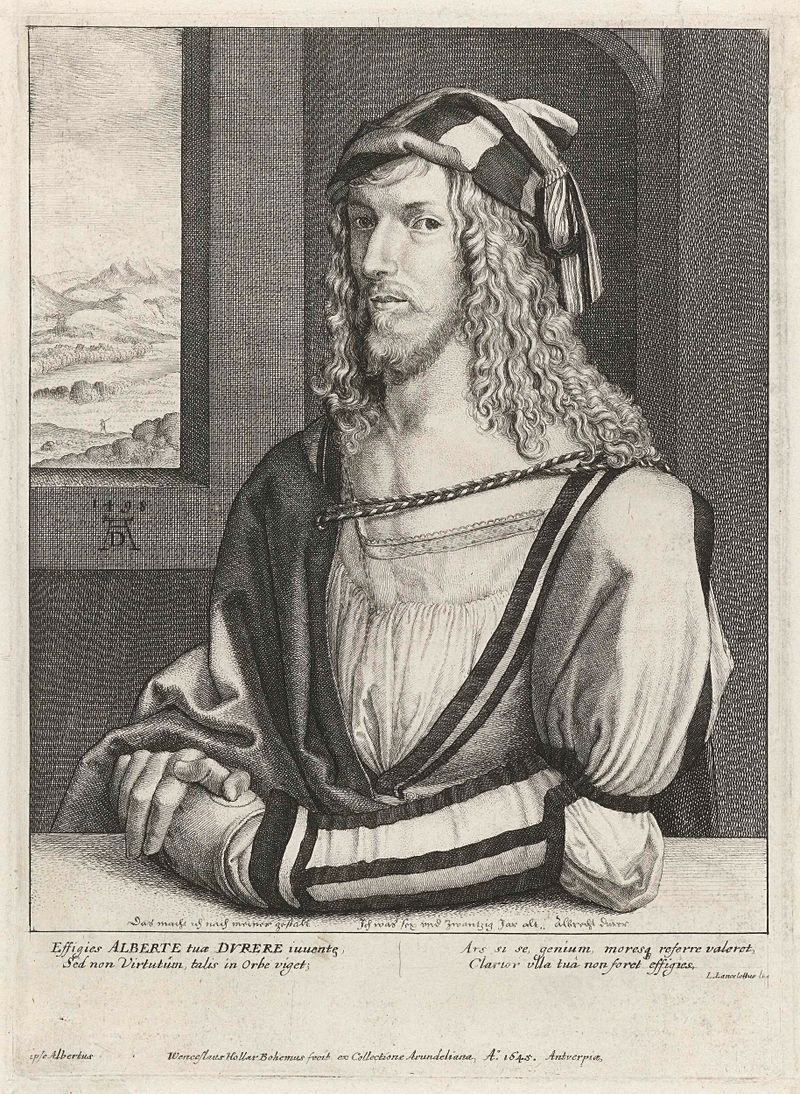
Portret van Albrecht Dürer
Wenceslaus Hollar
Ornamenteel ontwerp voor een dolk
Wenceslaus Hollar
Gezicht op Praag vanaf de Moldau
Wenceslaus Hollar





