Discover insights about this artwork
Last Miracle And The Death Of St. Zenobius — History & Facts
In Last Miracle And The Death Of St. Zenobius, Sandro Botticelli presents a vivid scene filled with rich colors. The painting features St.
Zenobius surrounded by figures in a dramatic moment of his death. The background is a serene landscape, contrasting with the emotional intensity of the foreground. Botticelli uses a palette of warm tones, enhancing the spiritual atmosphere of the work. The painting is executed in tempera on panel, a medium that Botticelli often favored for its vibrant colors and fine detail.
Viewers can observe the intricate details in the clothing of the figures and the delicate expressions on their faces. The composition is carefully arranged, guiding the viewer's eye through the narrative of the scene. Botticelli's technique showcases his mastery of light and shadow, adding depth to the figures. Sandro Botticelli was a prominent figure of the Italian Renaissance, known for his unique style and religious themes.
This work, created in the 1490s, reflects Botticelli's interest in storytelling through art. An interesting fact about this painting is that it depicts a lesser-known saint, St. Zenobius, emphasizing Botticelli's exploration of various religious narratives beyond the more famous figures.
The painting is housed in the Uffizi Gallery, a testament to its significance in Renaissance art.
More Artworks by Sandro Botticelli
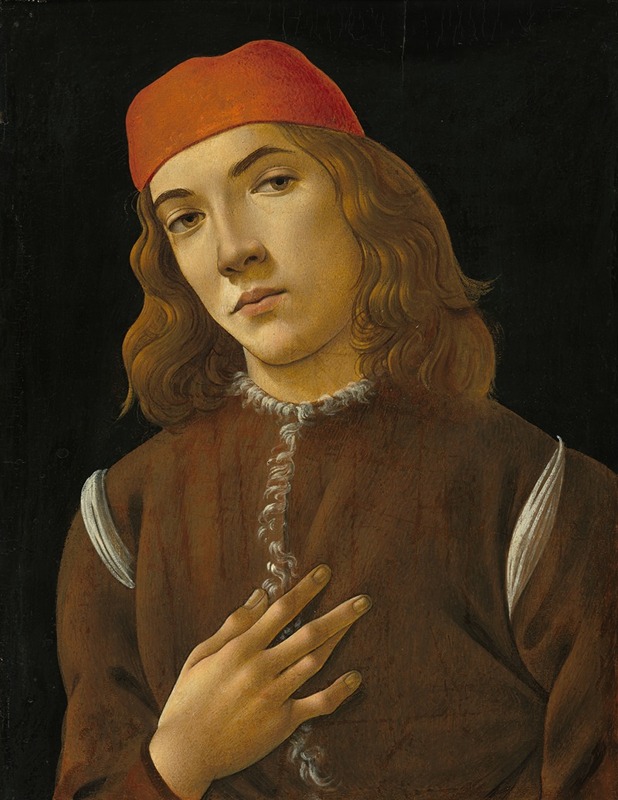
Portrait of a Youth
Sandro Botticelli
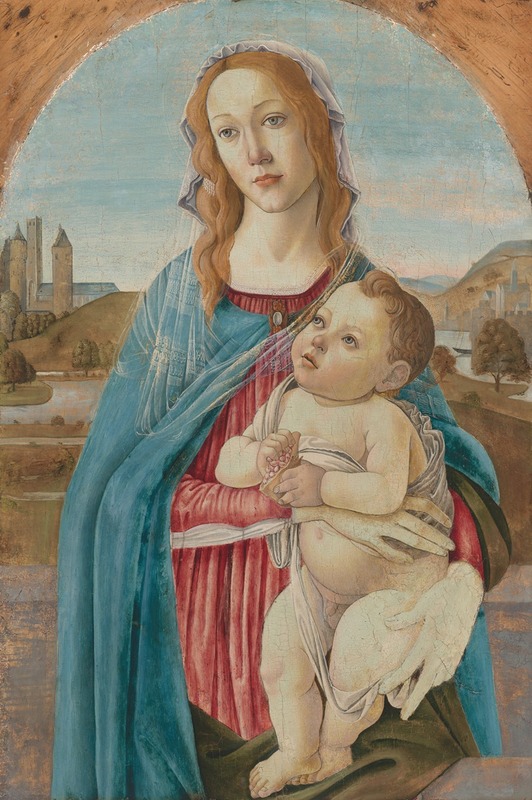
Virgin and Child
Sandro Botticelli
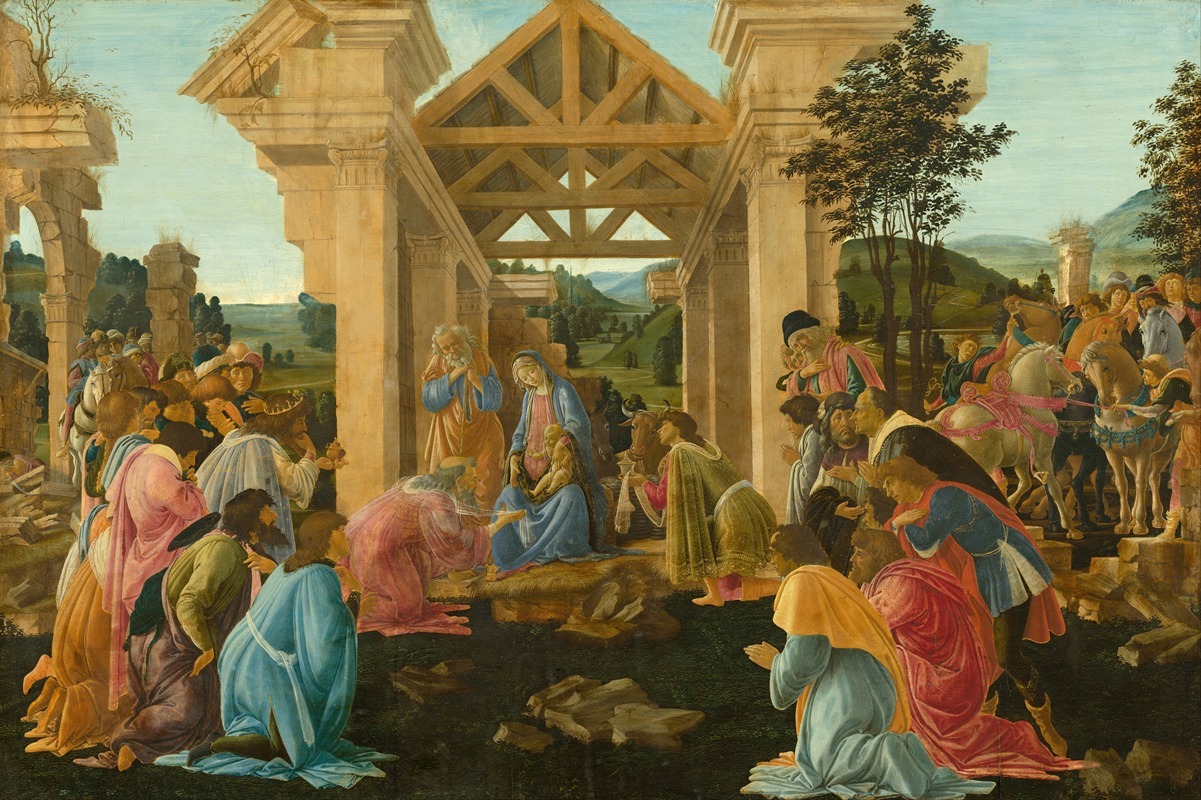
The Adoration Of The Magi
Sandro Botticelli

Madonna and Child with Angels
Sandro Botticelli
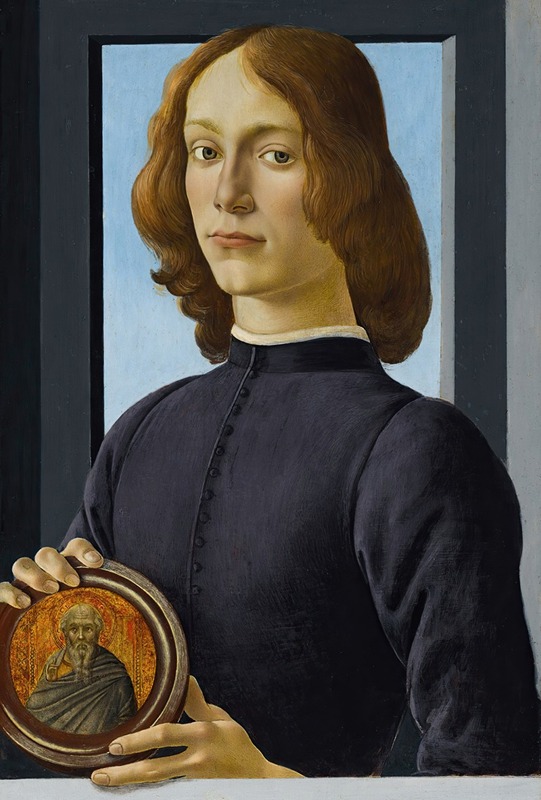
Portrait of a young man holding a roundel
Sandro Botticelli
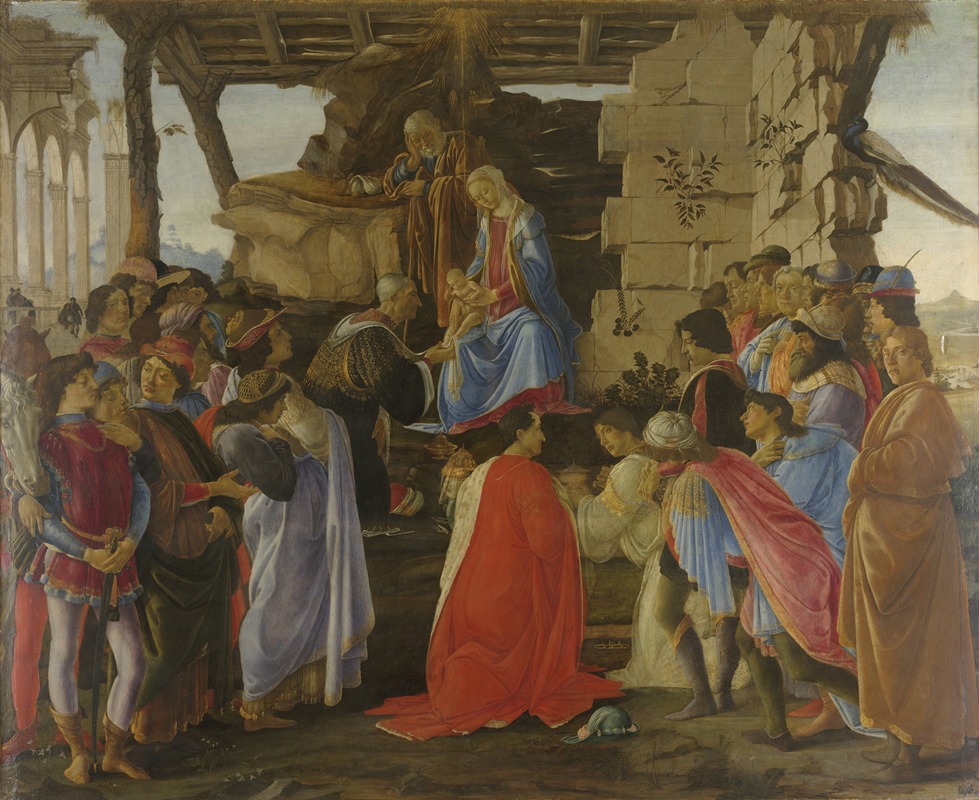
Adoration of the Magi
Sandro Botticelli
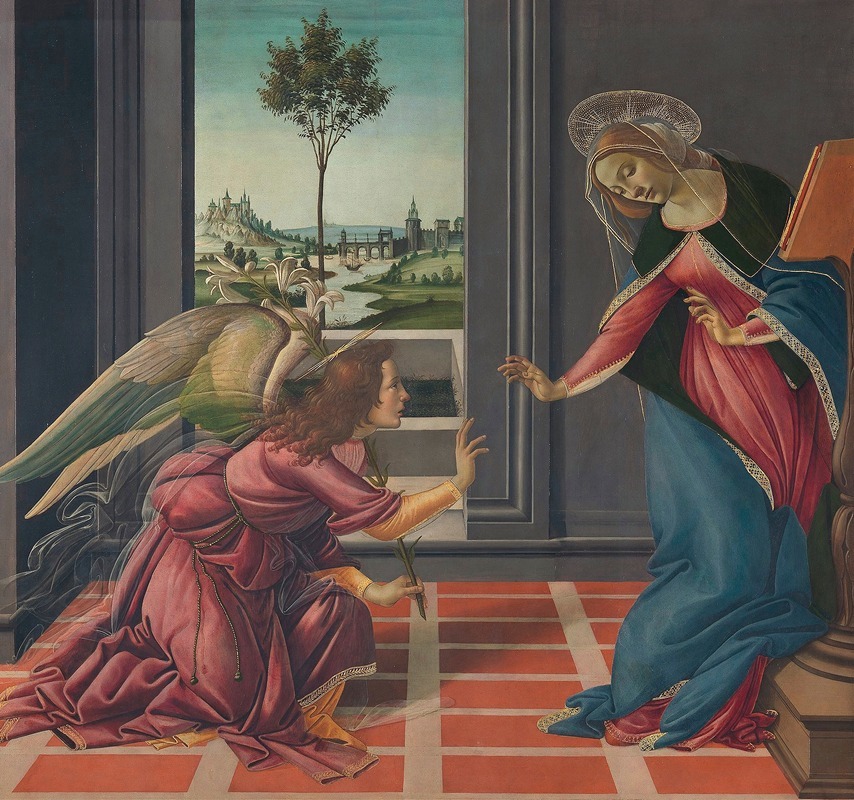
Annunciation
Sandro Botticelli
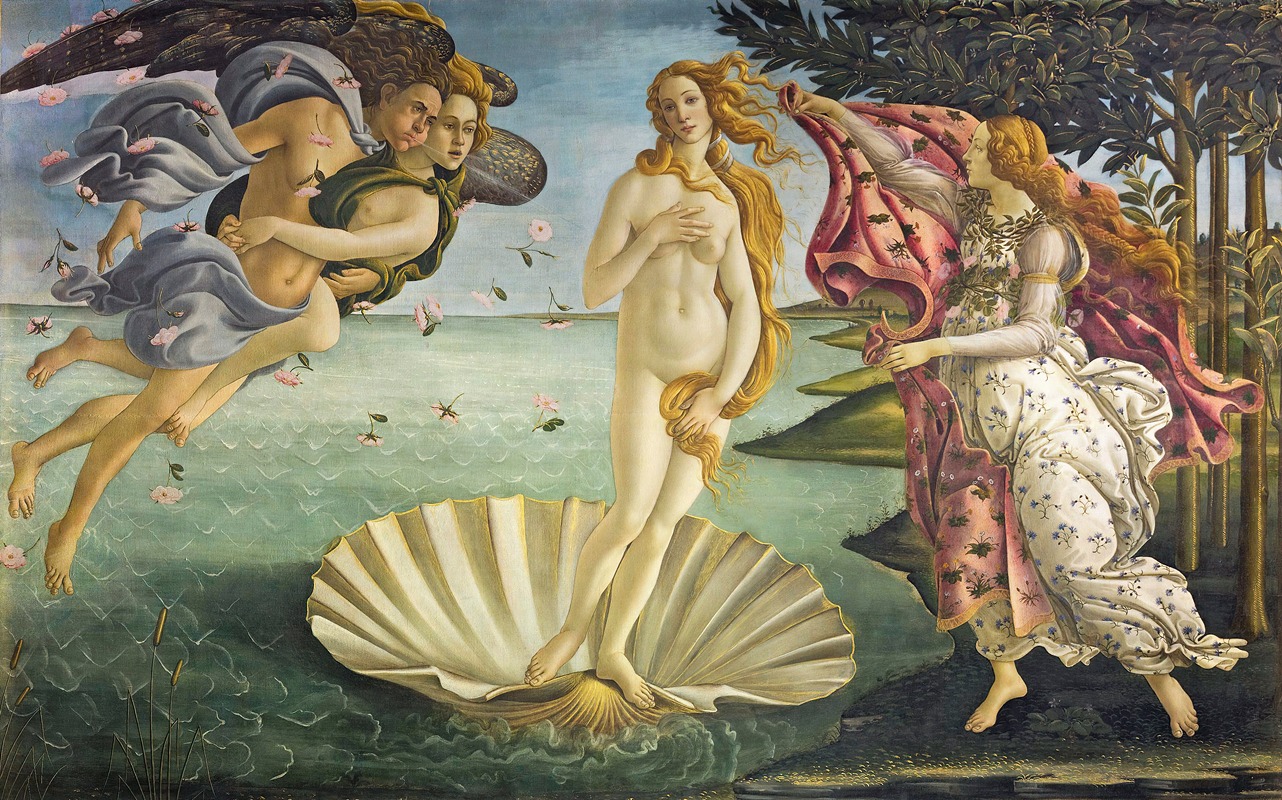
Birth Of Venus
Sandro Botticelli
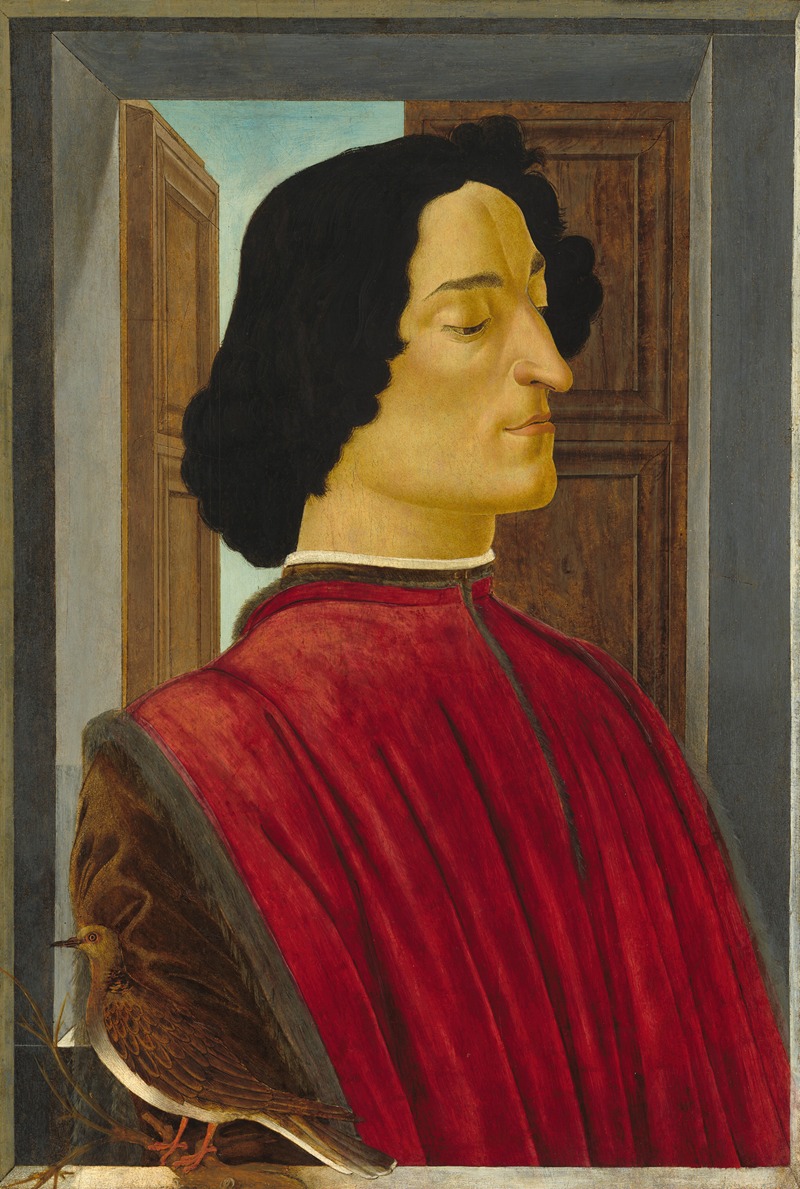
Giuliano de’ Medici
Sandro Botticelli
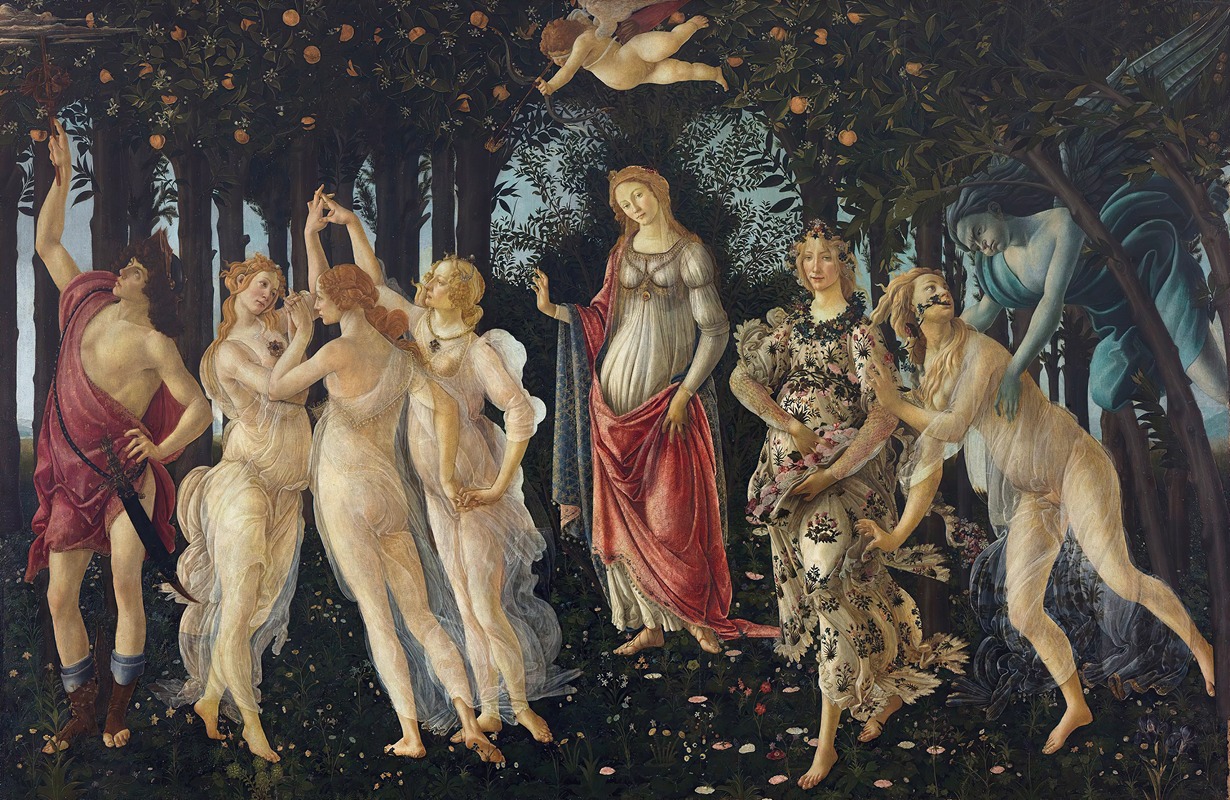
Spring
Sandro Botticelli