
Laughing model with a Cloth — History & Facts
What draws the eye first is not the striped cloth, nor the careful play of light, but the living spark of laughter caught just at the corner of the model’s mouth. In Laughing model with a Cloth, Albert Edelfelt chooses not the formal stillness of a sitter, but a fleeting, intimate moment: the model’s head turned, her dark eyes glinting with mischief, the pink and white folds of fabric framing her face like a stage for her expression. The brushwork in the cloth is loose, almost playful, echoing the mood of the woman herself, while the smooth modeling of her skin and the gentle shadow under her chin anchor her in the real world.
Light falls from the left, catching on her cheek and the tip of her nose, guiding us to the warmth of her smile. The background is nothing but a haze, so that every detail of personality and gesture stands out against it. Painted in 1880, this work belongs to a moment when artists across Europe were turning away from stiff academic poses and seeking the immediacy of life as it is lived. Such portraits—often studies rather than grand commissions—were favored by painters like Edelfelt for their freedom and their chance to experiment with light, color, and character.
In the late nineteenth century, the studio model was both muse and collaborator, and the finished canvas might be kept in the artist’s own collection, sold to a private patron, or exhibited as a demonstration of skill. Little is recorded of the journey of this particular painting, now documented in a private collection, but its laughter endures, inviting us to imagine the conversation and the moment just before the artist’s hand paused.
More Artworks by Albert Edelfelt

The Day of Rest
Albert Edelfelt
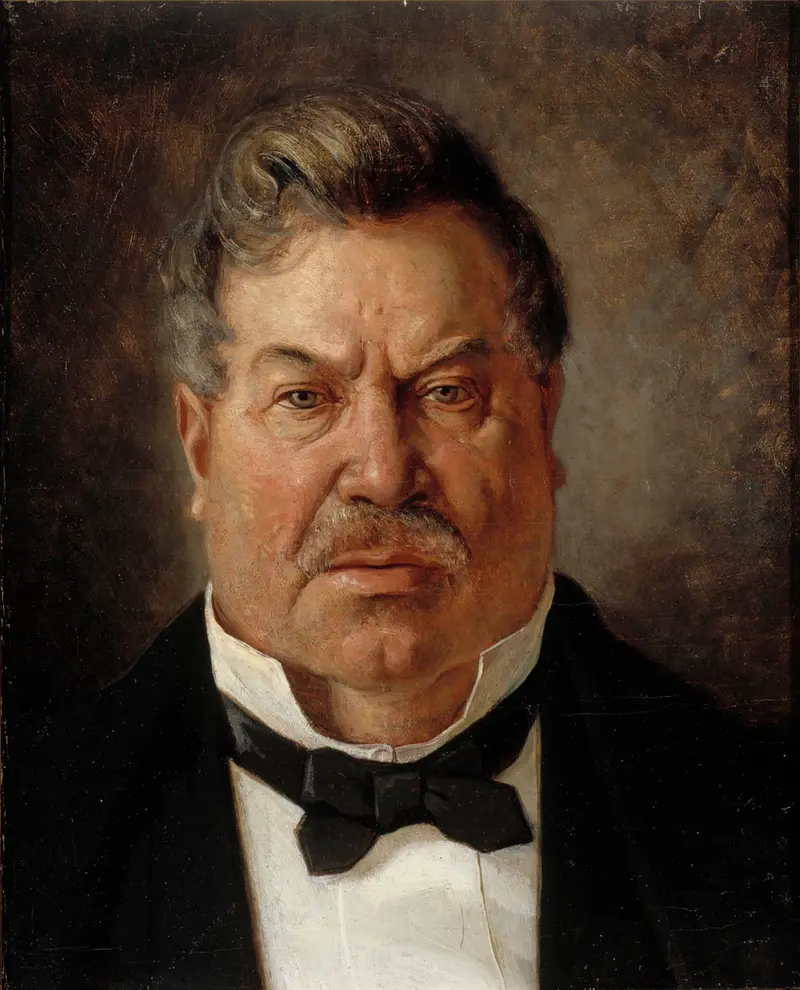
Portrait of August Streng
Albert Edelfelt
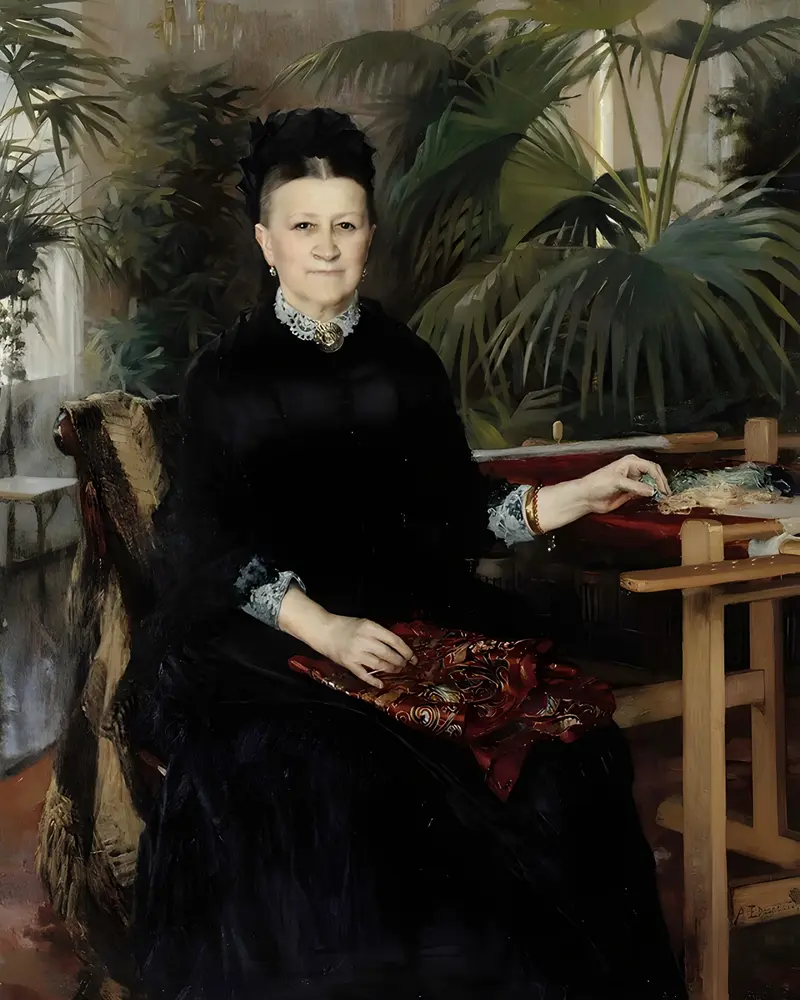
Portrait Of Mrs. Anna Sinebrychoff
Albert Edelfelt

The Poet, Larin Paraske
Albert Edelfelt

Parisian lady in a Peignoir
Albert Edelfelt
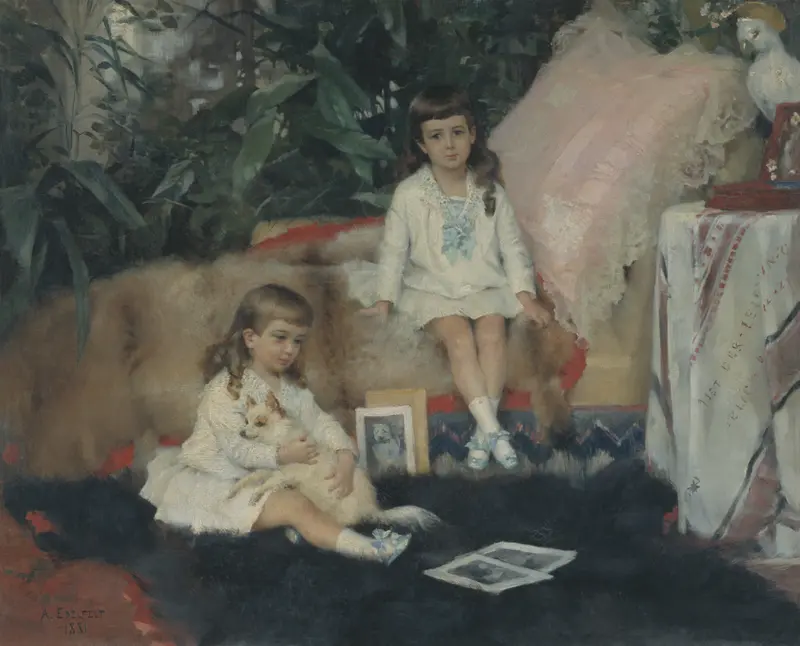
The Grand Dukes Boris and Kirill Vladimirovich as Children
Albert Edelfelt
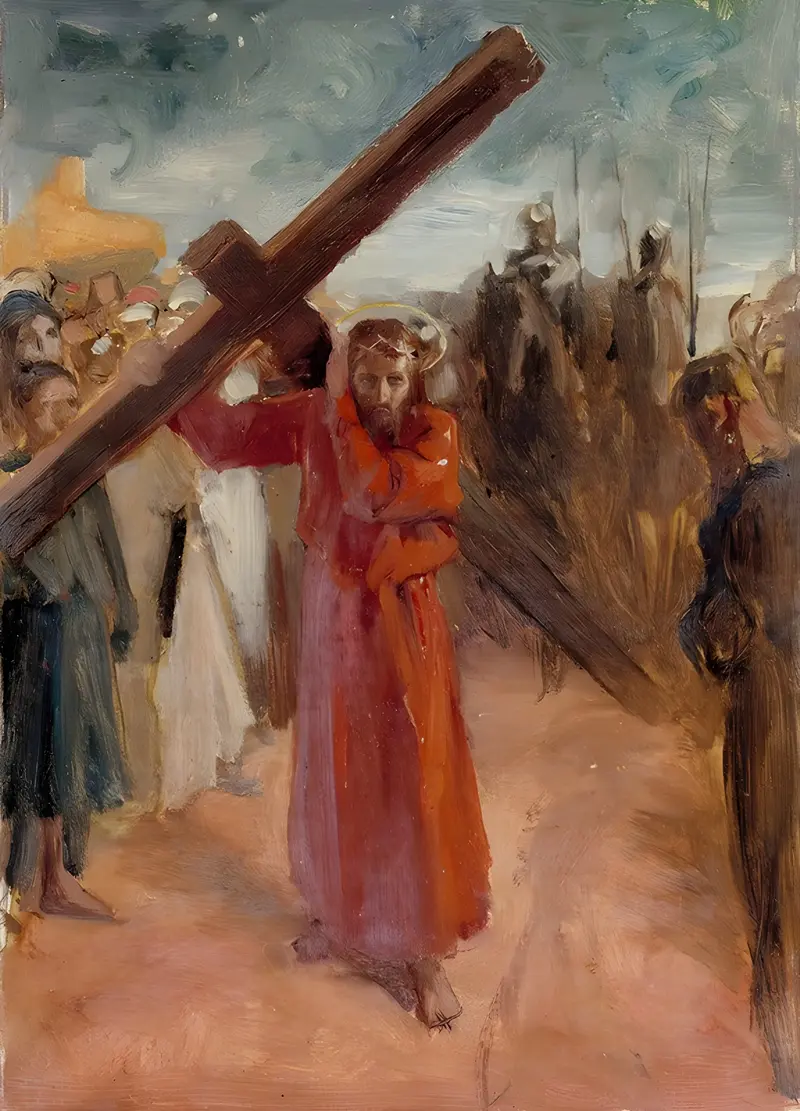
Christ Bears The Cross
Albert Edelfelt
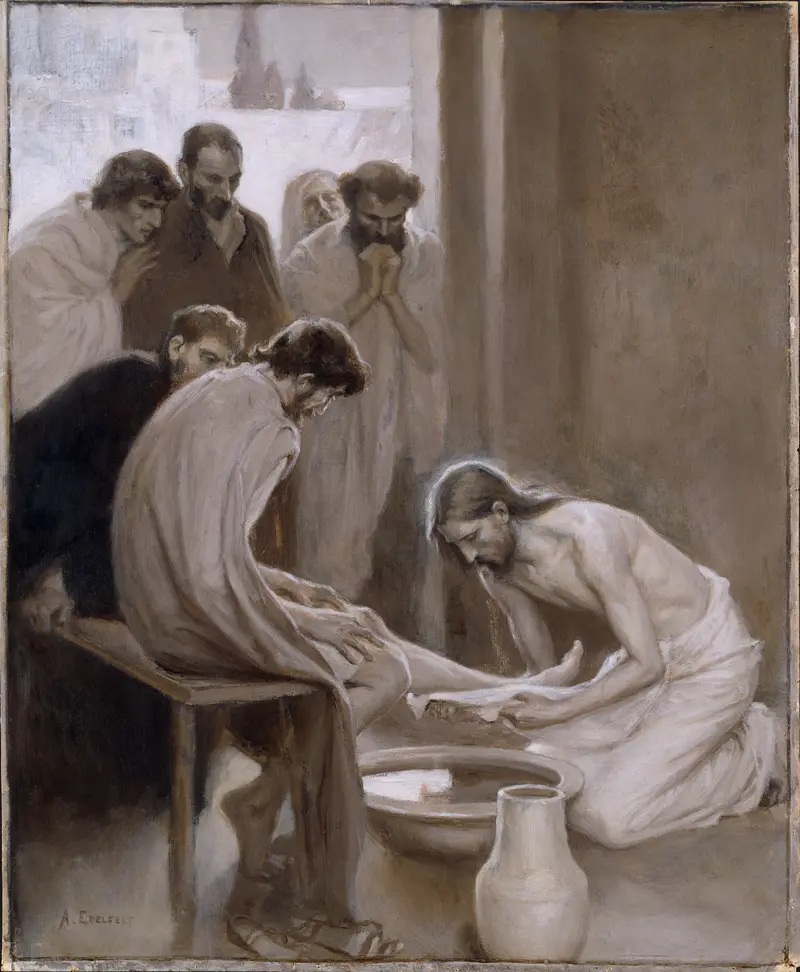
Jesus Washing the Feet of his Disciples
Albert Edelfelt

Larin Paraske with Kantele
Albert Edelfelt
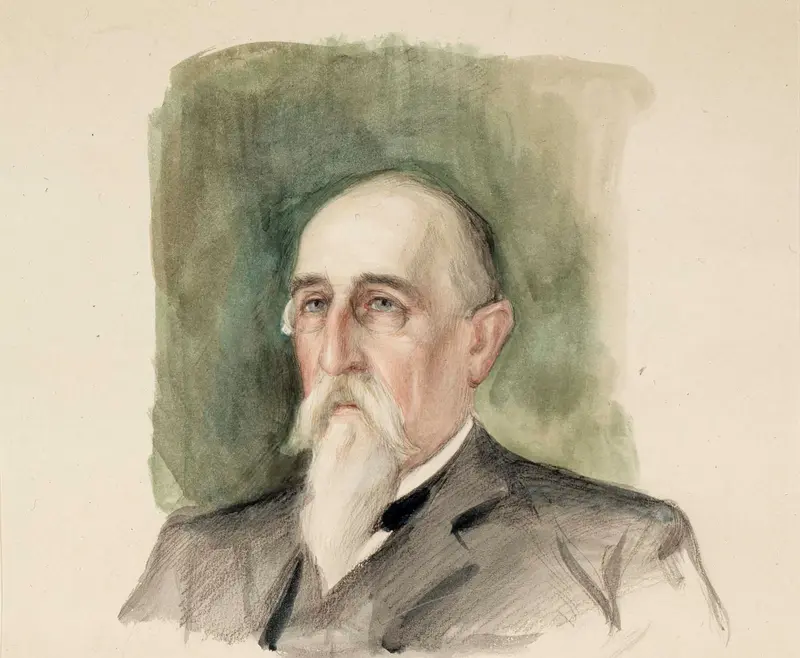
Leo Mechelin, Portrait Study
Albert Edelfelt





