
Laveuses au bord de l’eau — History & Facts
This haunting notion suggests the unspoken fears and quiet resilience lurking in the mundane. How do we confront the delicate balance between labor and vulnerability, especially in the reflective moments of our lives? Focus your gaze on the two washerwomen positioned on the bank, where gentle ripples of water kiss the earth. The soft interplay of light filters through the trees, illuminating the workers and highlighting the subtle hues of their garments, suggesting both labor and grace.
Notice the deep greens and muted browns surrounding them, creating a serene backdrop that contrasts sharply with the labor-intensive task at hand. The brushwork feels fluid, echoing the movement of water, while the figures are rendered in a way that conveys both their steadfastness and their solitude. Yet, there is an underlying tension in this tranquil scene. The women’s expressions hint at an emotional weight, perhaps a fear of the relentless cycle of work or the uncertainties of life that loom just beyond the tree line.
The water, a symbol of both cleansing and change, reveals a duality; it reflects their toil while hinting at what lies beneath the surface. The juxtaposition of the serene landscape with the laborious task evokes a poignant reminder of the struggles woven into everyday existence. In the period between 1860 and 1870, Corot was immersed in the evolving art world of France, where Impressionism was beginning to emerge. Working primarily outdoors, his paintings reflected a deep connection with nature and everyday life.
This piece captures both the beauty and the harsh reality faced by women of the time, showcasing the artist's skill in blending emotion with the landscape, a hallmark of his work during this transformative era.
More Artworks by Jean-Baptiste-Camille Corot
Browse all →
View of Genoa
Jean-Baptiste-Camille Corot
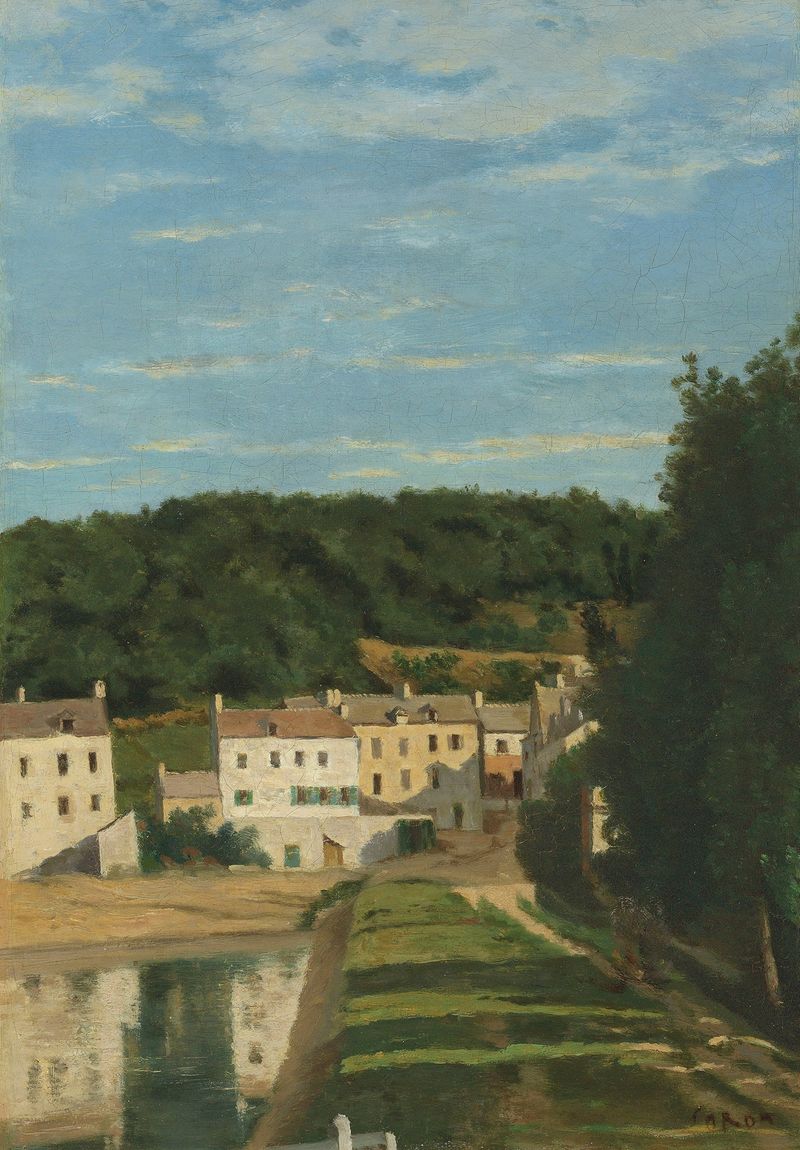
Les Maisons Cabassud À Ville D’avray
Jean-Baptiste-Camille Corot

La solitude. Souvenir de Vigen (Limousin)
Jean-Baptiste-Camille Corot
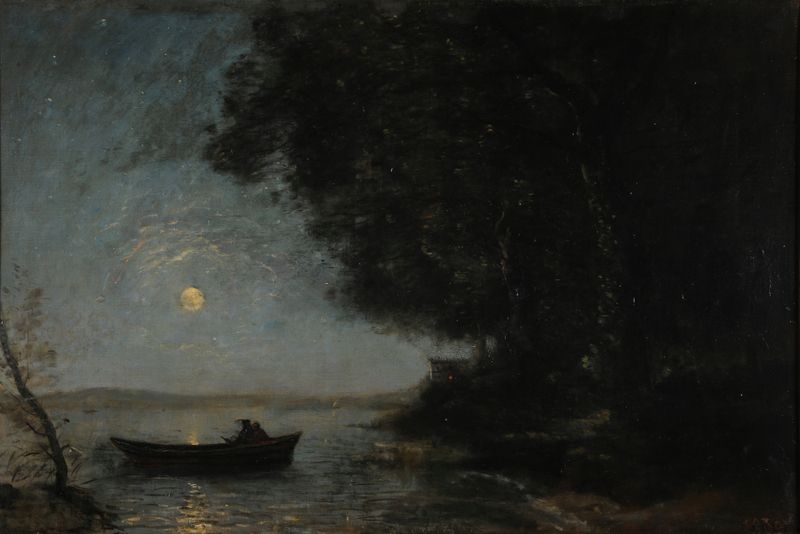
Le lac ; effet de nuit
Jean-Baptiste-Camille Corot
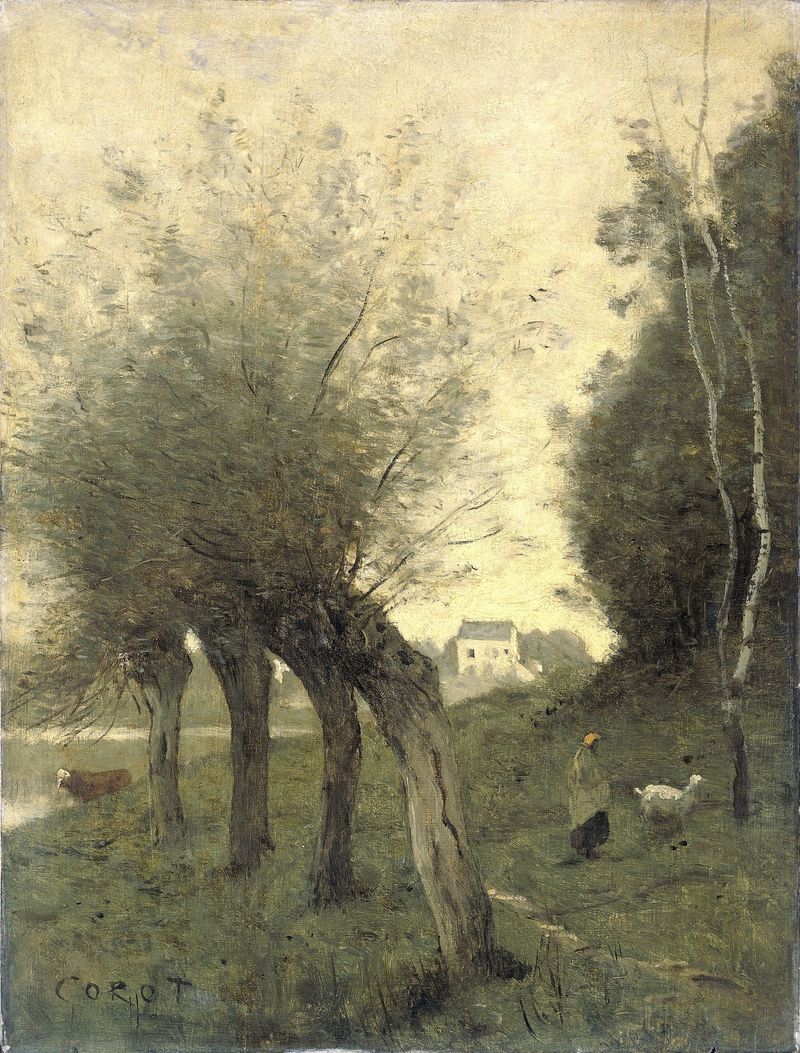
Landscape with Pollard Willows
Jean-Baptiste-Camille Corot
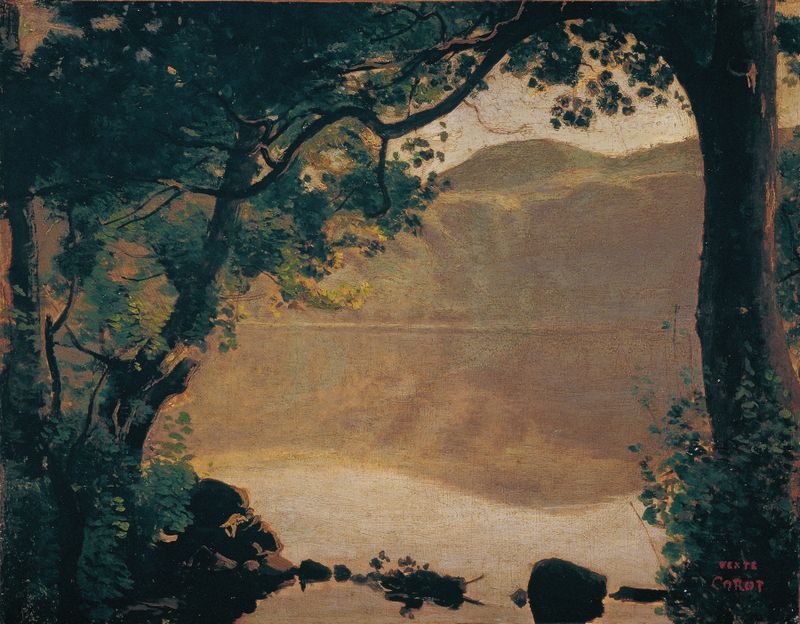
Der Nemisee
Jean-Baptiste-Camille Corot
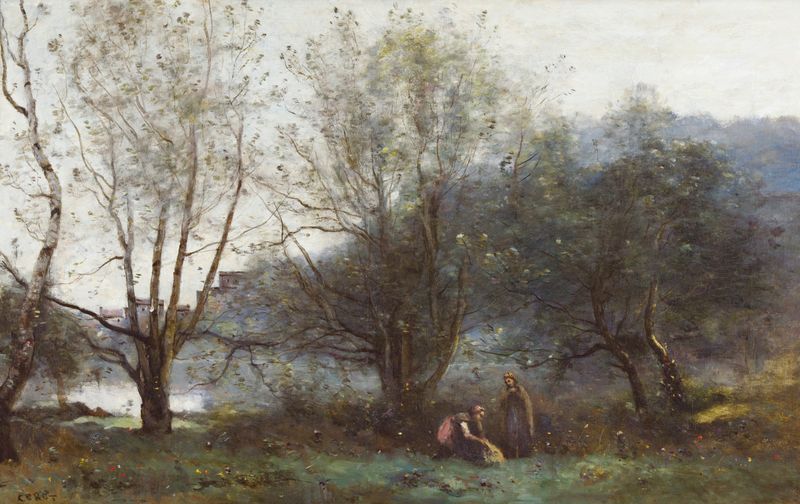
Les Étangs De Ville D’avray
Jean-Baptiste-Camille Corot
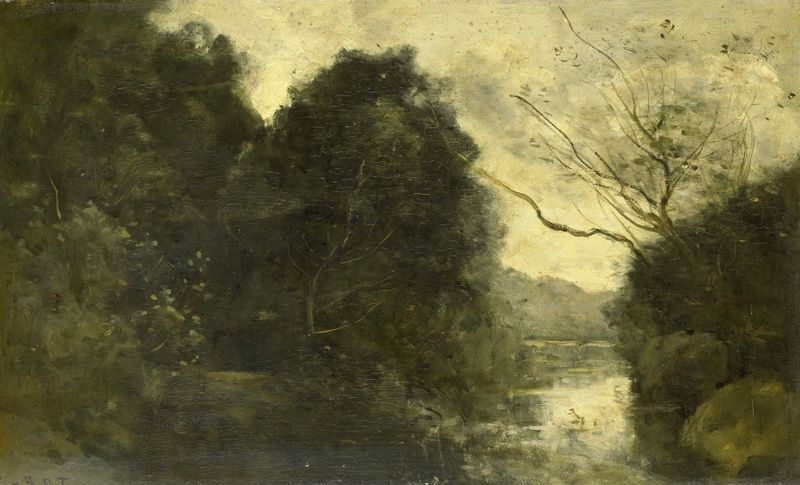
Pond in the Woods
Jean-Baptiste-Camille Corot
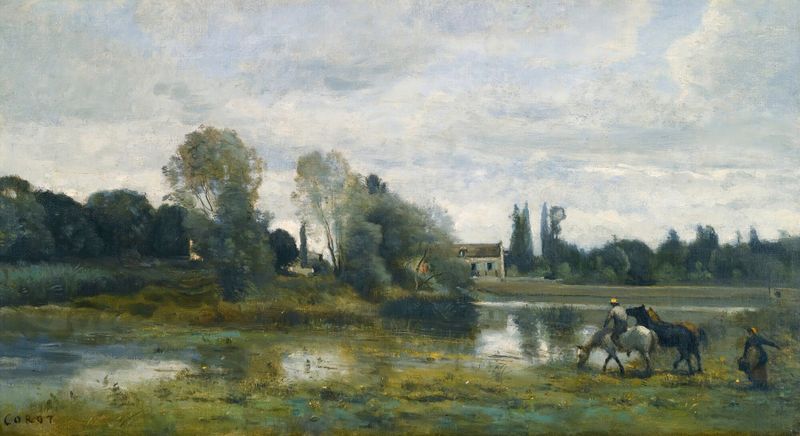
Ville D’avray; L’abreuvoir Des Chevaux
Jean-Baptiste-Camille Corot
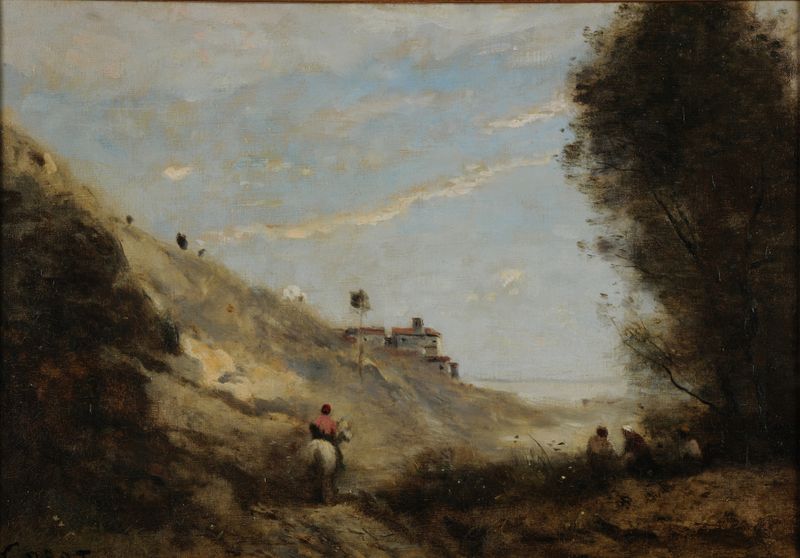
Le vallon au cavalier
Jean-Baptiste-Camille Corot





