
Le Berger Et Son Troupeau — History & Facts
Can paint confess what words never could? In the delicate strokes of Le Berger Et Son Troupeau, innocence reveals itself through the quiet harmony of life and nature, whispering stories that the heart understands but the mind struggles to articulate. Look to the left at the shepherd, whose weathered hands cradle the woolly head of a lamb, the embodiment of purity. The earthy palette — rich browns, tender greens, and soft whites — creates a serene atmosphere, drawing the viewer's gaze across the composition. Notice how the light cascades gently from the sky, infusing the scene with a golden warmth that highlights the textures of the sheep’s fleece and the shepherd’s humble attire, imbuing a sense of peace and harmony with the surrounding landscape. Amidst the pastoral tranquility lies a deeper narrative, as the shepherd and his flock symbolize a timeless bond between man and nature, innocence and responsibility.
The sheep, in their innocence, reflect the simplicity of rural life, while the shepherd’s gaze, both watchful and tender, speaks to the weight of stewardship. This duality evokes a poignant tension between the joys of pastoral life and the inevitable passage of time, urging viewers to contemplate the fragility of innocence. In 1892, while residing in Paris, Lhermitte created this work during a period marked by the rise of Naturalism in art, which sought to depict subjects with fidelity to life. The artist, celebrated for his ability to capture the nuances of rural existence, found inspiration in the landscapes and simple lives of villagers, infusing Le Berger Et Son Troupeau with a sincerity that resonates deeply with viewers, inviting them to connect with the enduring themes of innocence and guardianship in a rapidly changing world.
More Artworks by Léon Augustin Lhermitte
Browse all →
The Harvesters
Léon Augustin Lhermitte
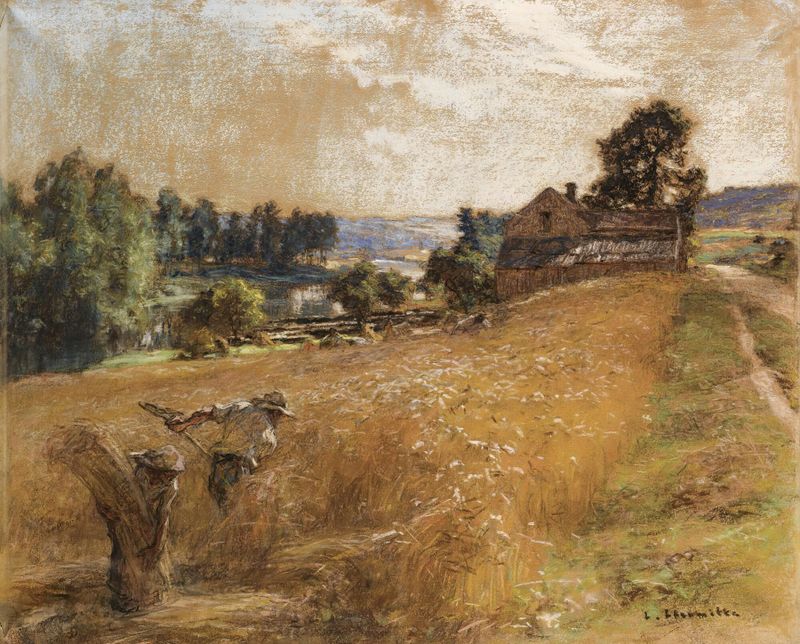
La Fenaison
Léon Augustin Lhermitte
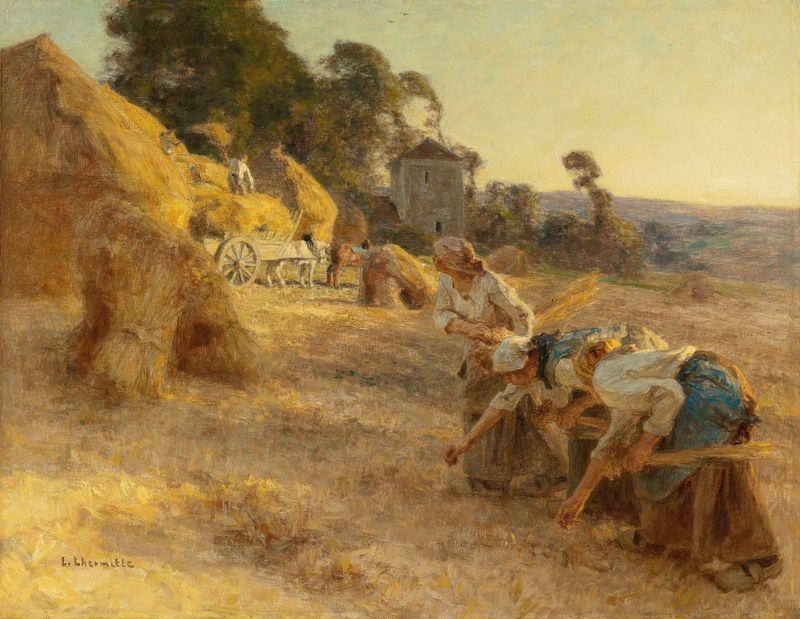
Glaneuses En Avant De Vieilles Meules
Léon Augustin Lhermitte
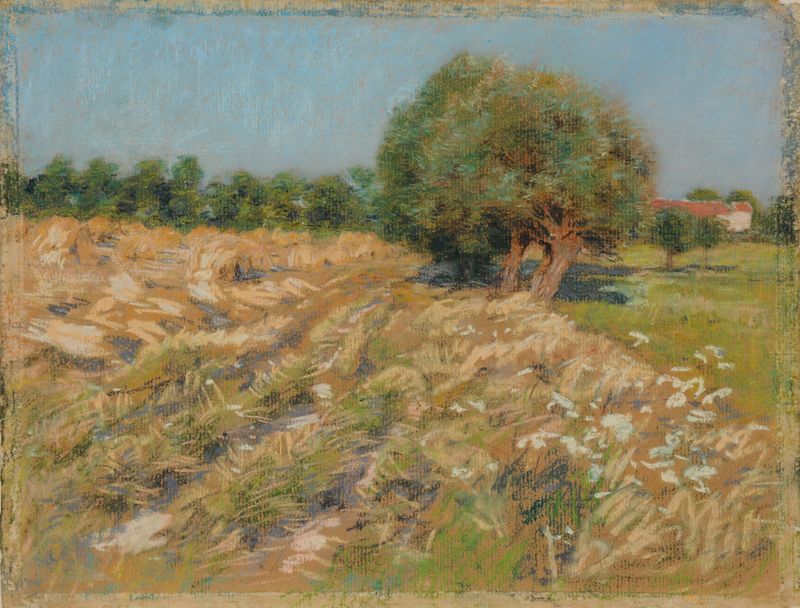
Le chemin de la ferme
Léon Augustin Lhermitte
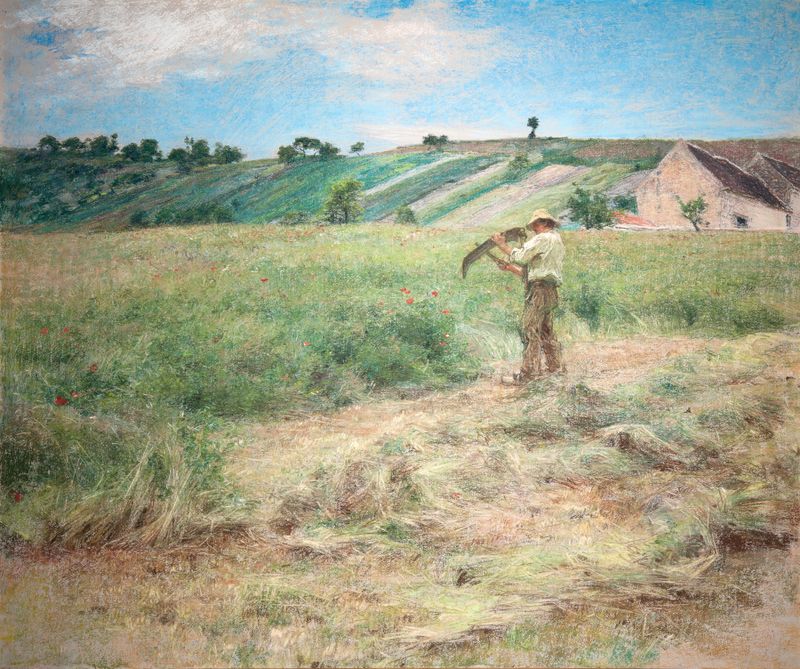
Haymaking
Léon Augustin Lhermitte
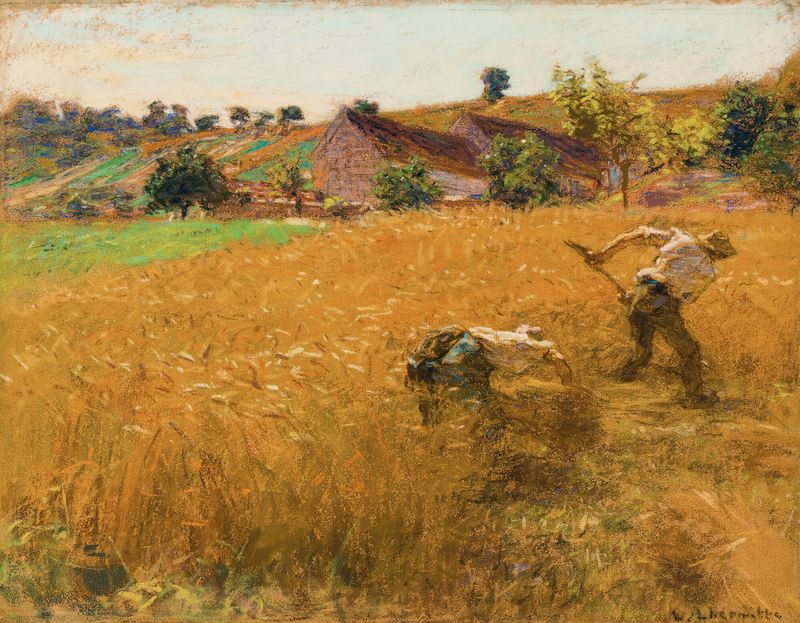
La Moisson
Léon Augustin Lhermitte
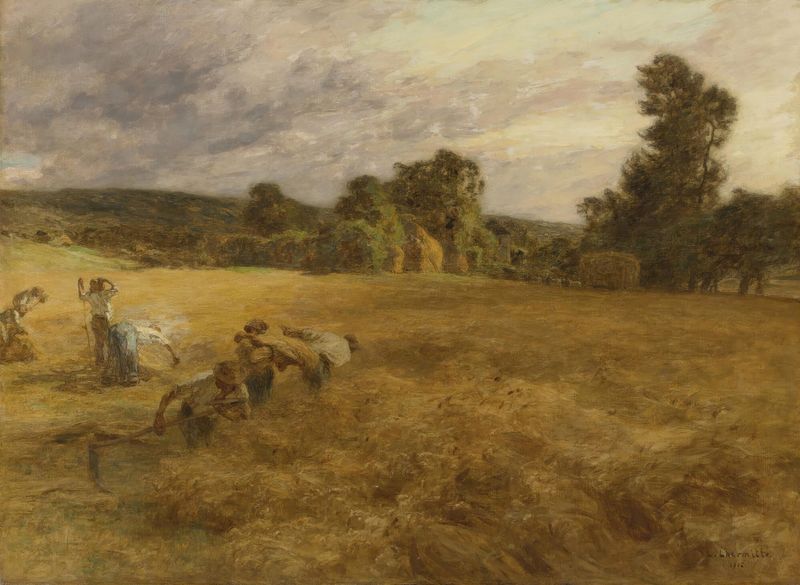
L’orage En Moisson
Léon Augustin Lhermitte
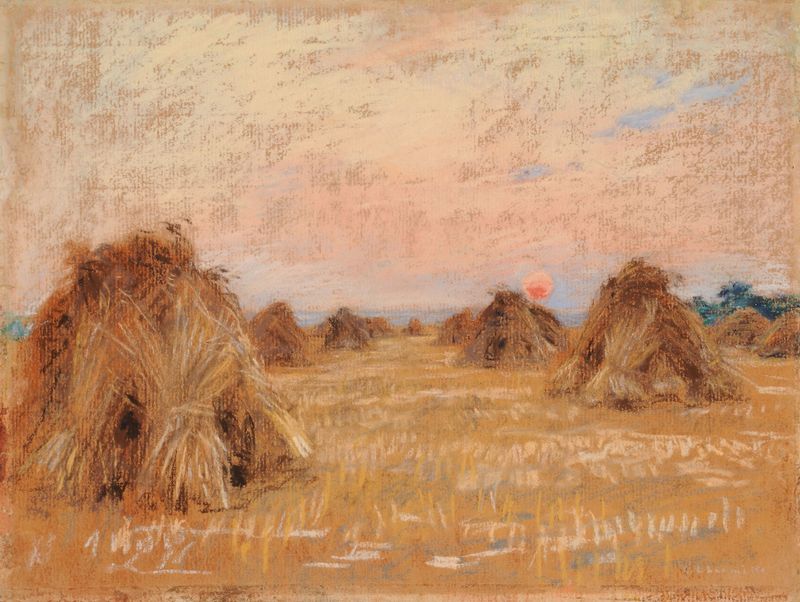
Fin de journée
Léon Augustin Lhermitte
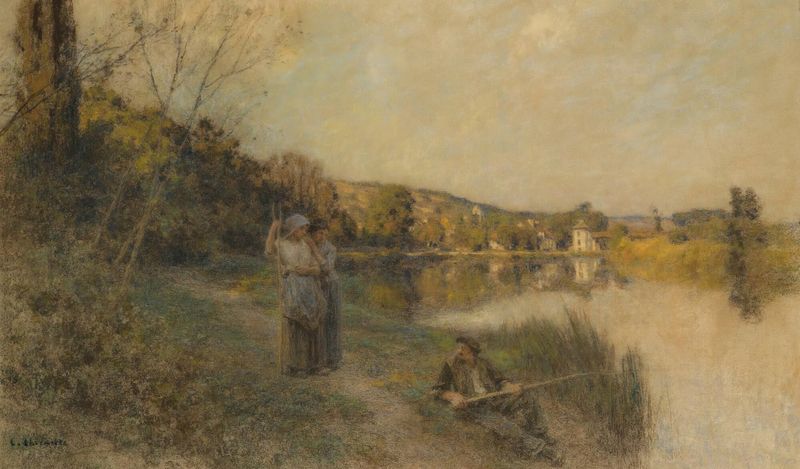
Fin De Belle Journee, Soleil Couchant, Pecheur
Léon Augustin Lhermitte

Quai au Sable, Chartèves
Léon Augustin Lhermitte





