Discover insights about this artwork
Le Chevreuil — History & Facts
In Le Chevreuil, Gustave Courbet presents a deer standing gracefully in a lush, green landscape. The colors are rich and vibrant, with deep greens and browns dominating the scene. The deer, depicted in a realistic manner, is the focal point against a backdrop of trees and foliage.
The natural setting enhances the sense of tranquility and harmony in the composition. The painting is executed in oil on canvas, a medium that allows for detailed textures and lifelike colors. Courbet's technique emphasizes realism, capturing the deer’s fur and the surrounding vegetation with precision. The dimensions of the artwork are approximately 70 x 90 cm, making it a sizable piece that draws the viewer's attention.
The careful attention to detail showcases Courbet's commitment to portraying nature authentically. Gustave Courbet, a leading figure in the Realism movement, aimed to depict everyday life and nature without idealization. Le Chevreuil is a testament to this philosophy, highlighting the beauty of a common animal in its natural habitat. Interestingly, Courbet often painted animals to symbolize freedom and the natural world, reflecting his belief in the importance of nature.
This work exemplifies his dedication to realism and his ability to capture the essence of the subject matter.
More Artworks by Gustave Courbet
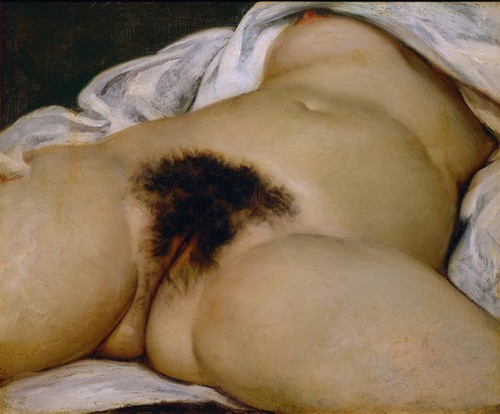
Origin of the World
Gustave Courbet
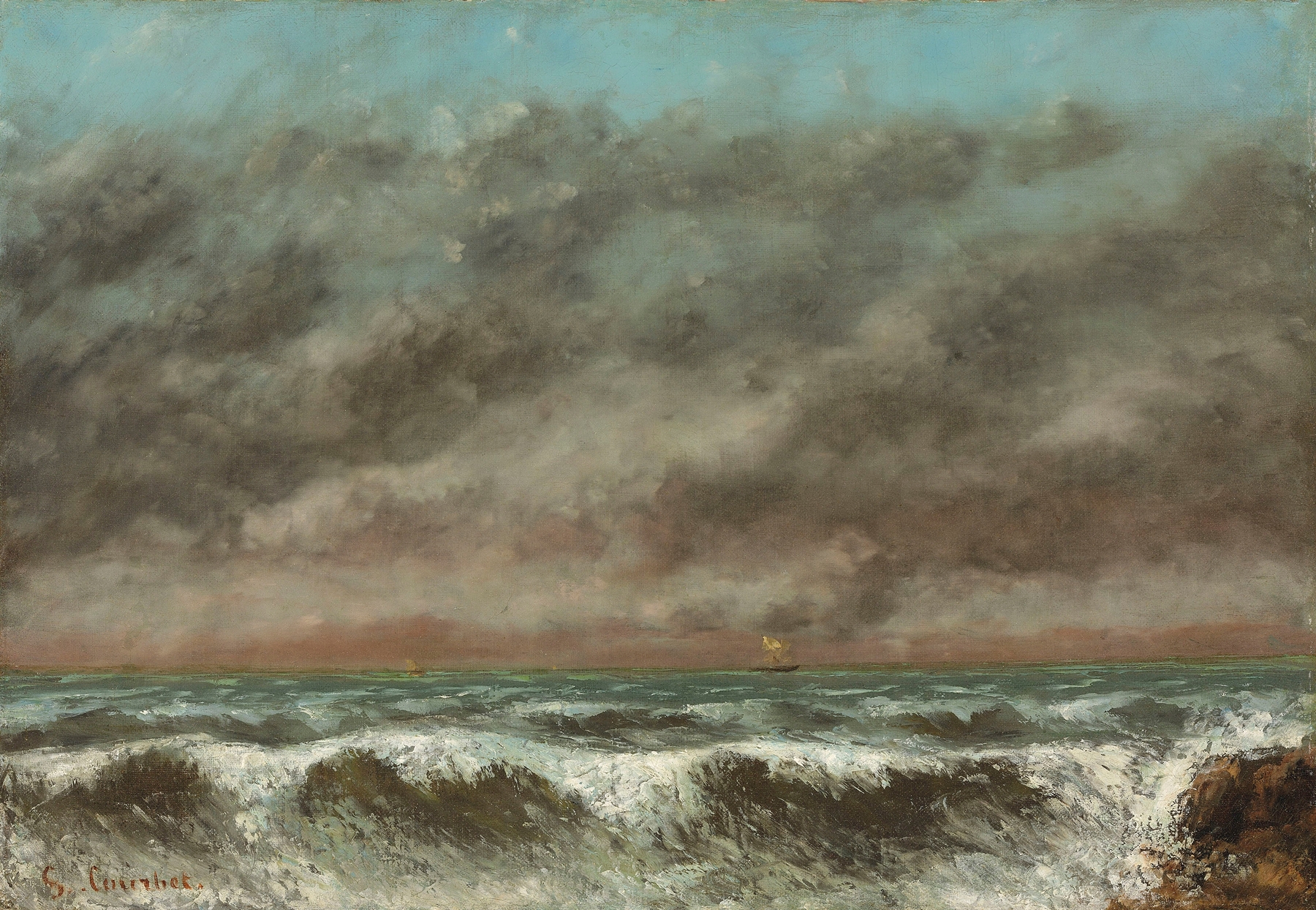
Marine
Gustave Courbet
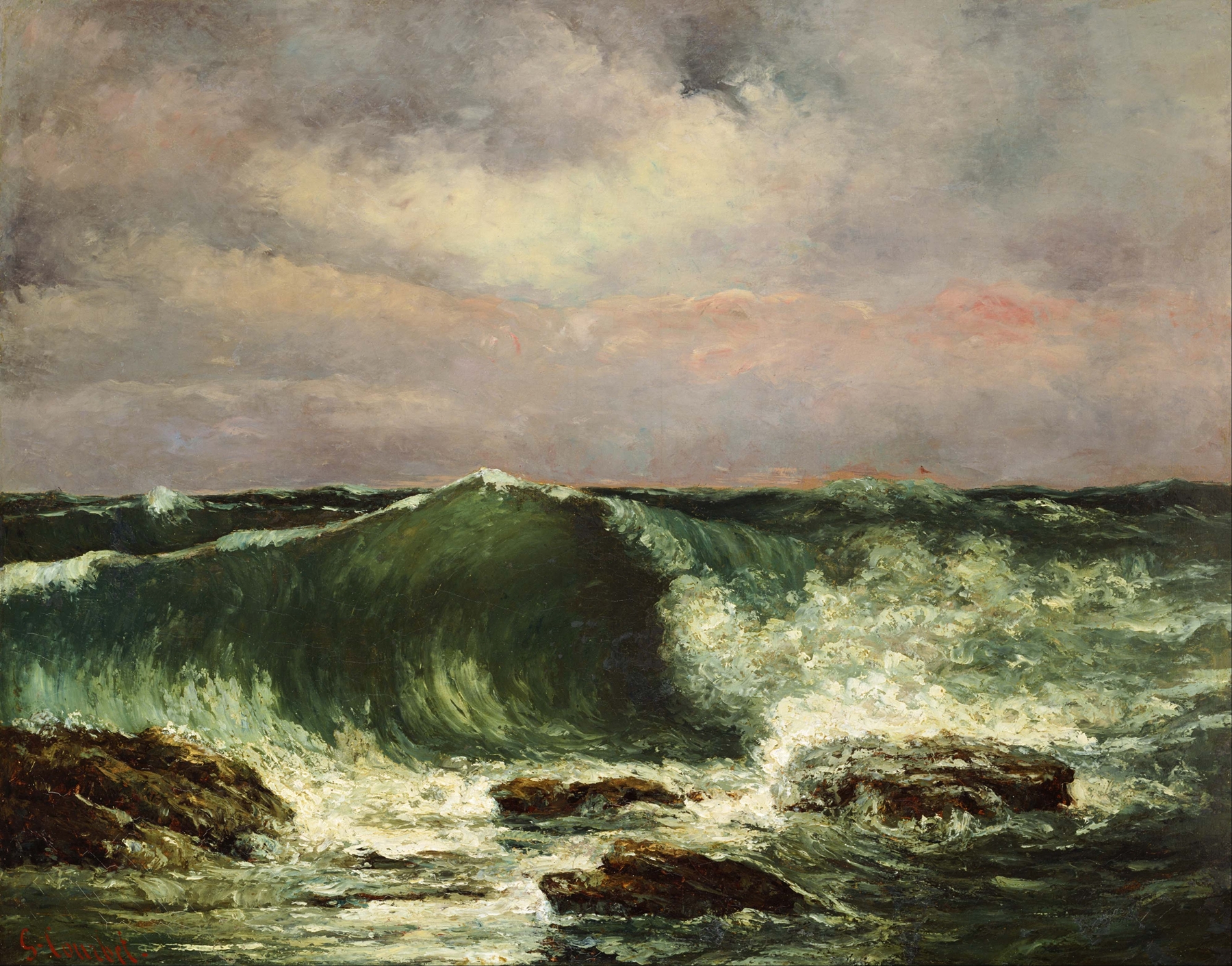
Waves
Gustave Courbet
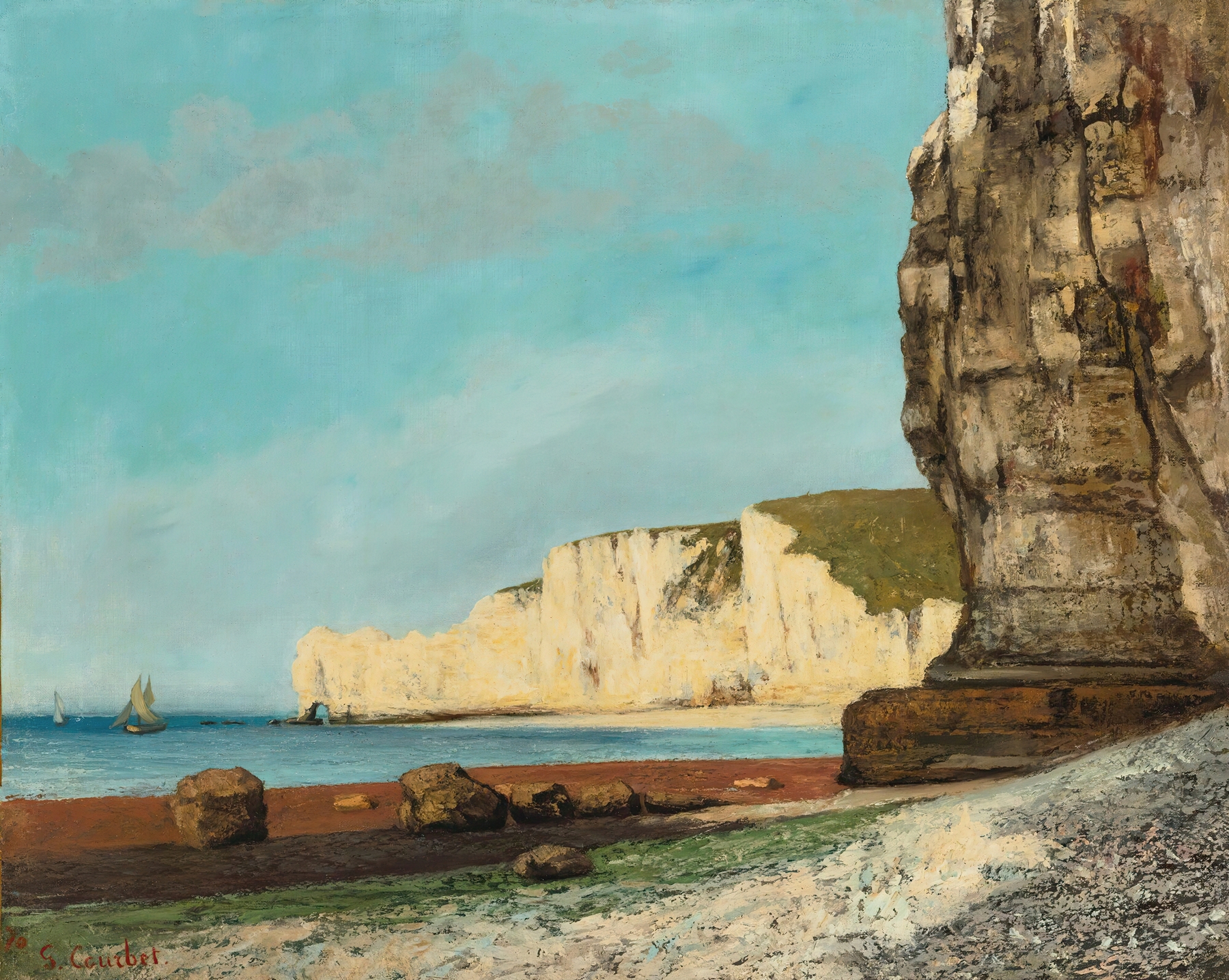
Étretat; Les Falaises
Gustave Courbet
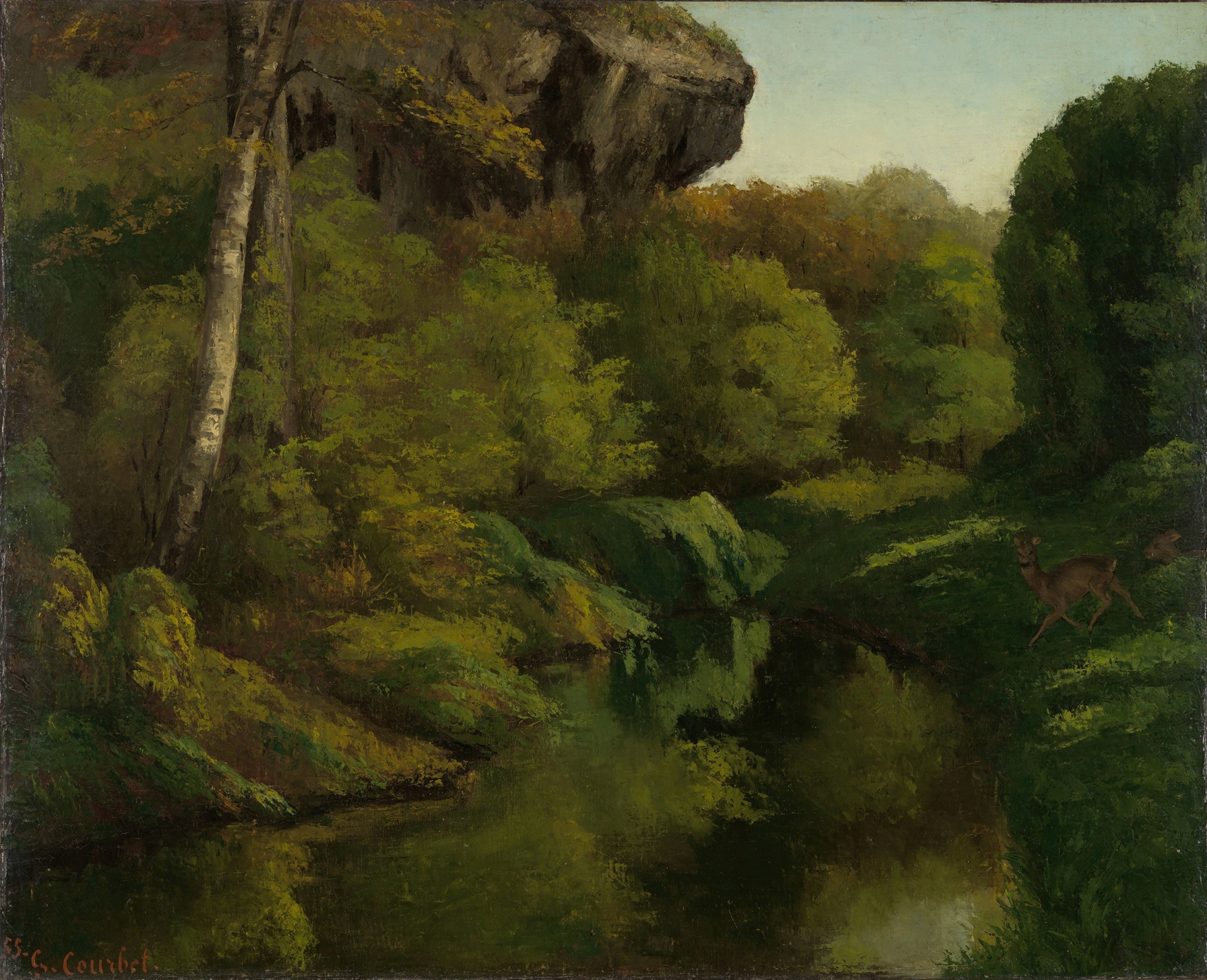
View in the Forest of Fontainebleau
Gustave Courbet
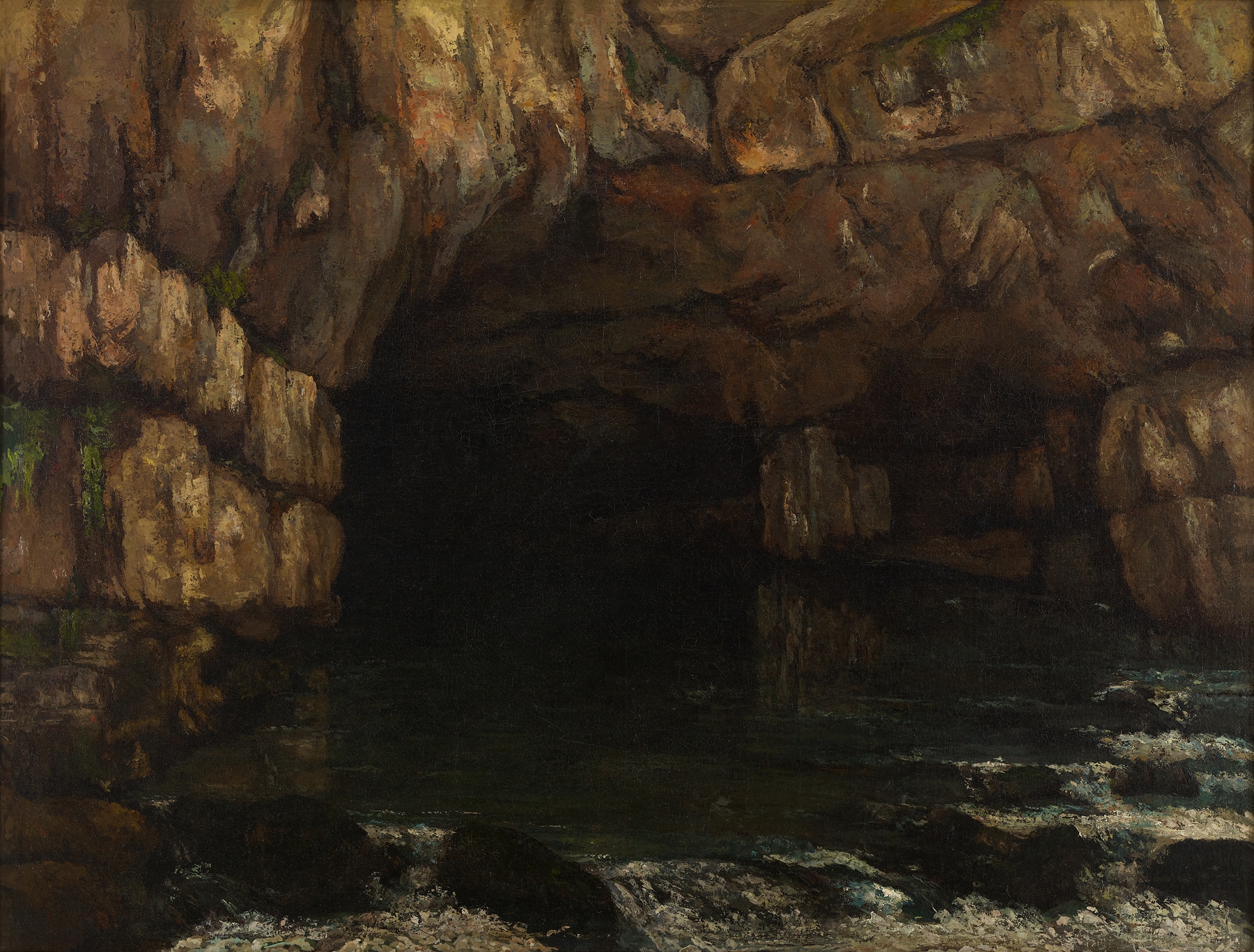
La source de la Loue (The Source of the Loue)
Gustave Courbet
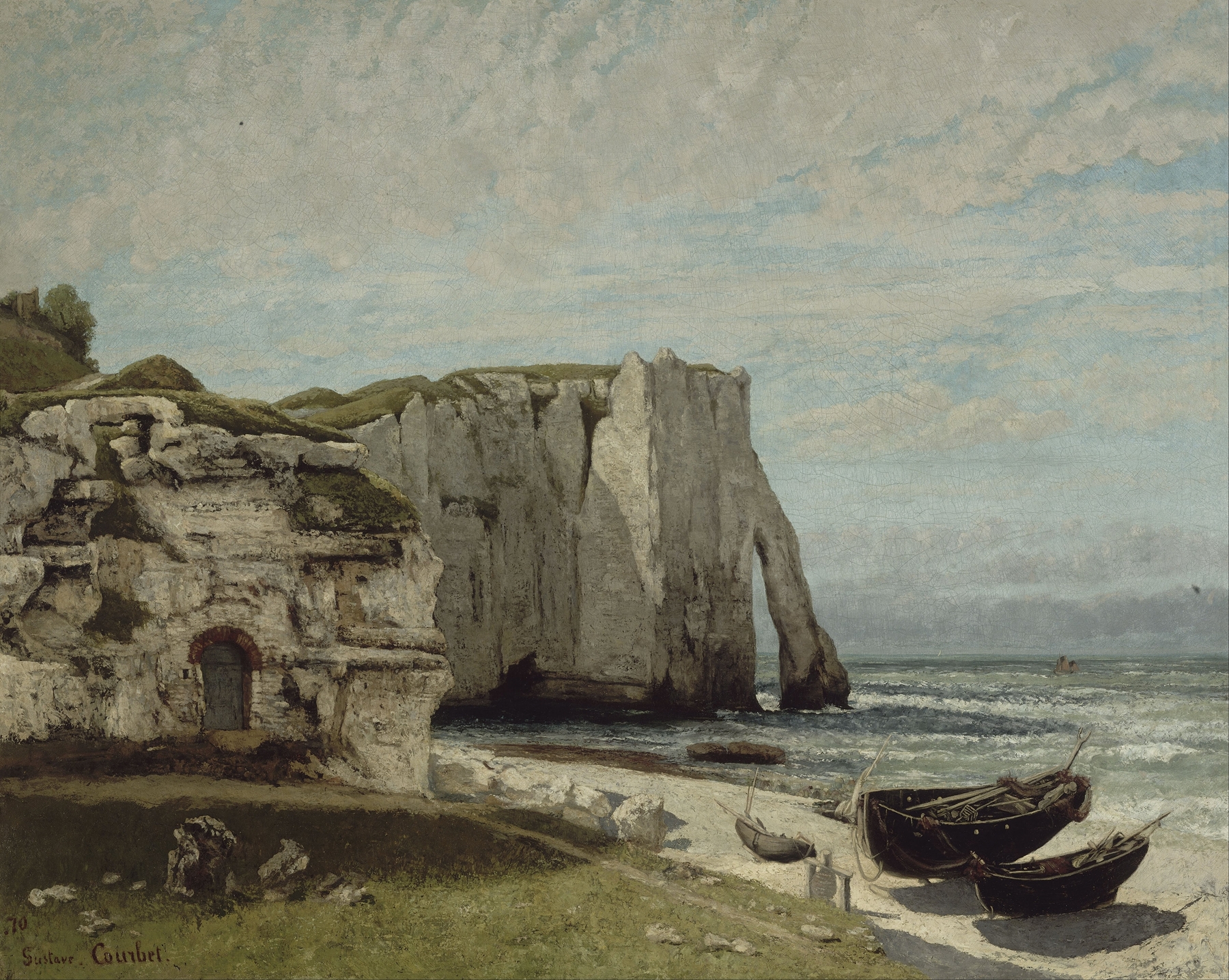
The Etretat Cliffs after the Storm
Gustave Courbet
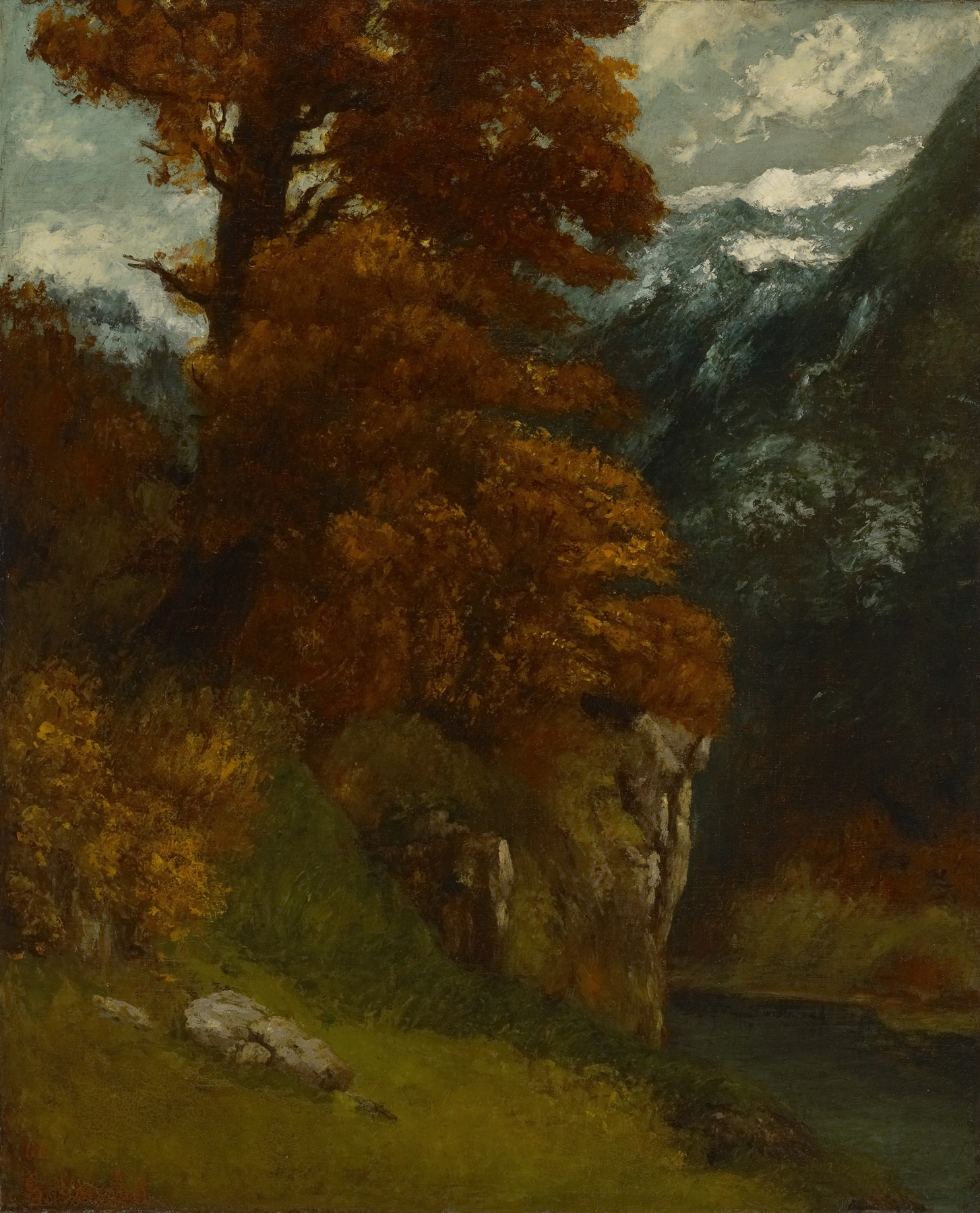
The Glen at Ornans (Bords du Doubs; Effet d’Automne)
Gustave Courbet
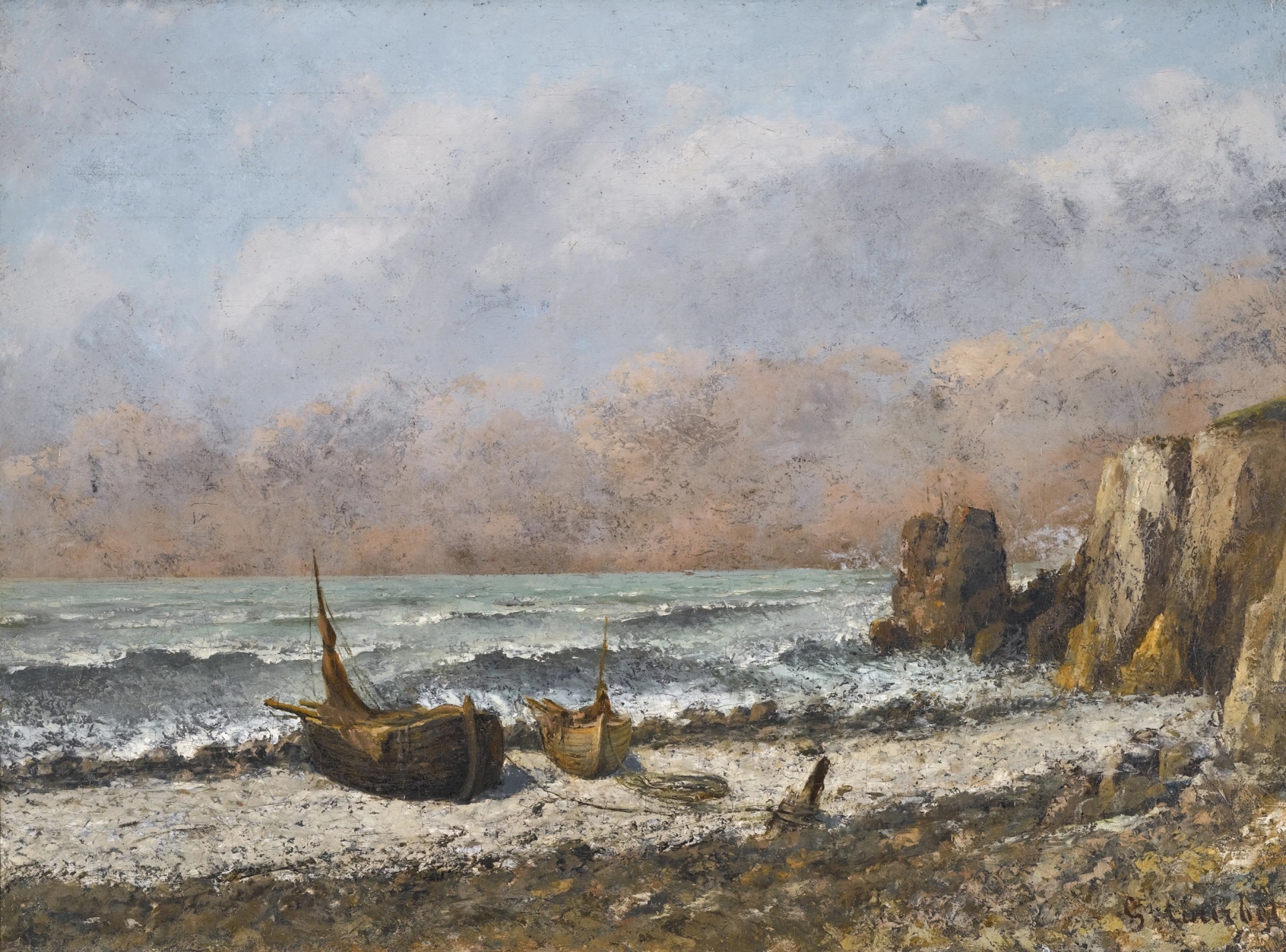
Deux bateaux sur la plage
Gustave Courbet
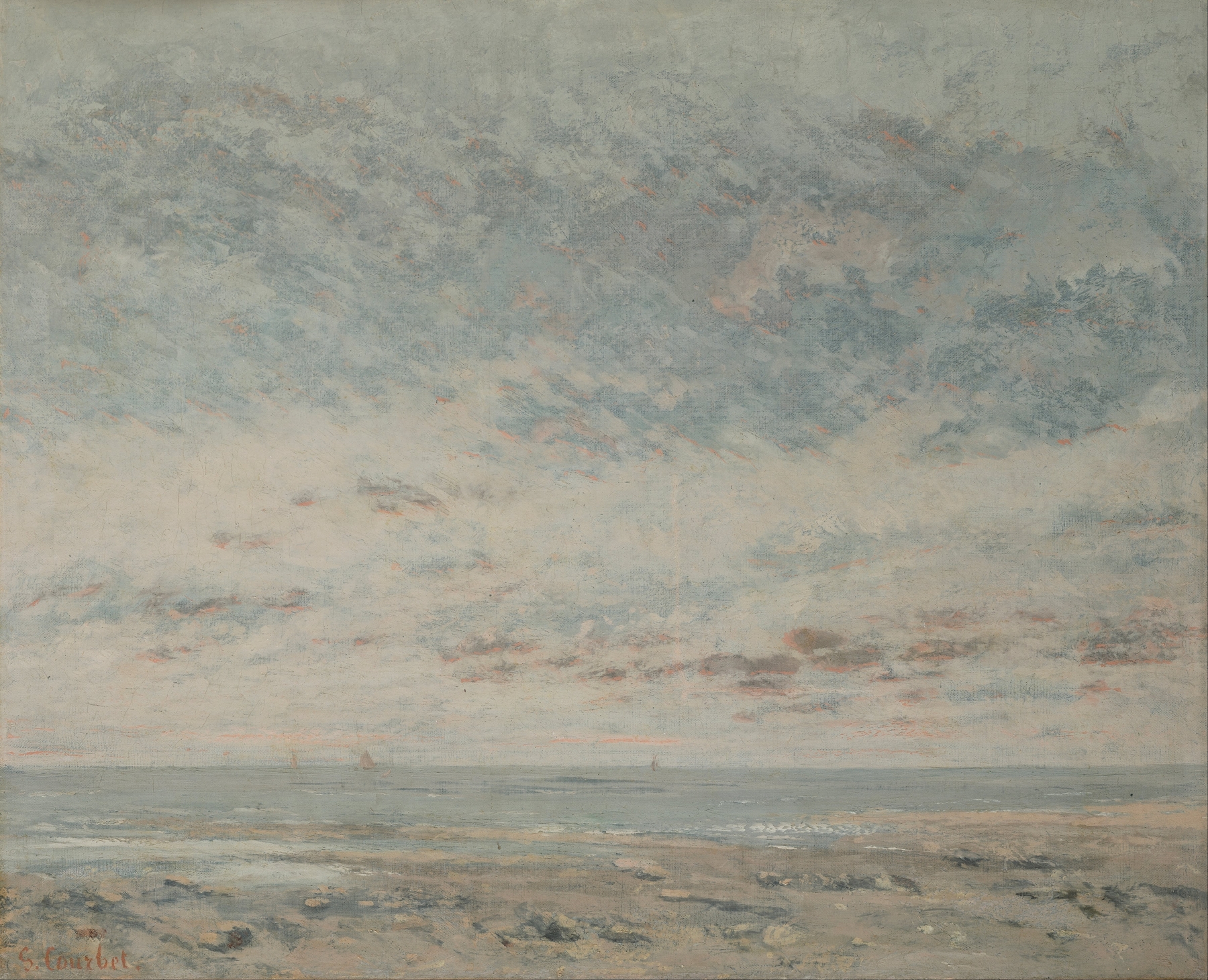
Low Tide at Trouville
Gustave Courbet