
Le cirque du Long- Rocher — History & Facts
Who listens when art speaks of silence? In the stillness of Le cirque du Long-Rocher, the atmosphere reverberates with an unfulfilled longing, capturing moments that transcend mere spectacle. Look to the center of the canvas where the acrobats intertwine, their limbs gracefully suspended in a dance of balance and poise. The soft palette of ochres and muted blues envelops the scene, reminiscent of twilight, drawing the eye to the delicate interplay of light and shadow. Notice how the subtle brushstrokes give texture to the performers' costumes, evoking a sense of movement that contrasts with the stillness of the audience, whose expressions remain obscured yet palpable. The painting speaks to the delicate tension between performance and perception, a contrast between the vibrancy of the circus and the shadows of those who watch in silence.
The composition reveals a longing not only for adventure and excitement but also for connection—each figure, while engaged in the art of performance, seems to harbor a desire to bridge the gap to their audience. This emotional undercurrent resonates with the oft-overlooked narrative of isolation amidst the thrill of the spectacle. In 1888, Auguste Louis Lepère created this work while immersed in the vibrant yet tumultuous art scene of Paris. As a printmaker and painter, he was influenced by the Impressionist movement, embracing new techniques that blurred the lines between reality and artistic interpretation.
This period marked a transition in his career, where he began to explore themes of community and the fleeting nature of joy, encapsulating the essence of the human experience within his art.
More Artworks by Auguste Louis Lepère
Browse all →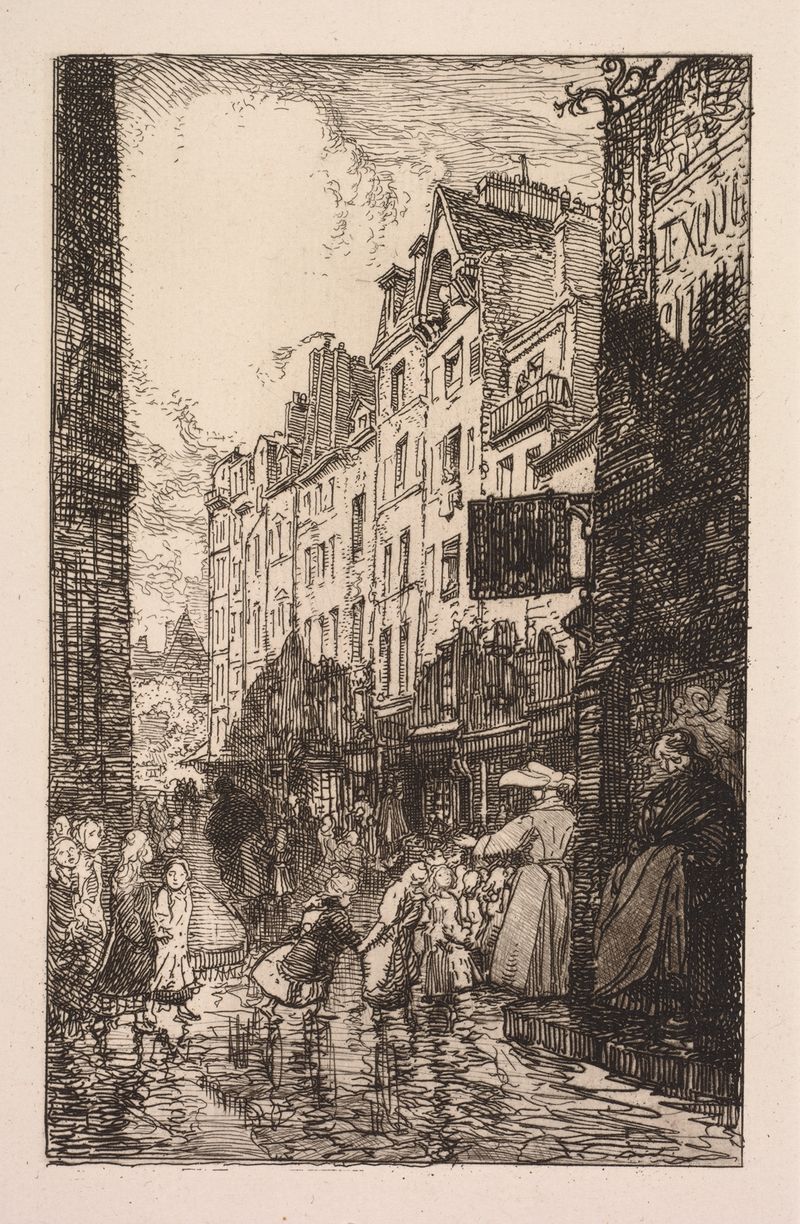
La Rue des Prêtres Saint-Séverin
Auguste Louis Lepère
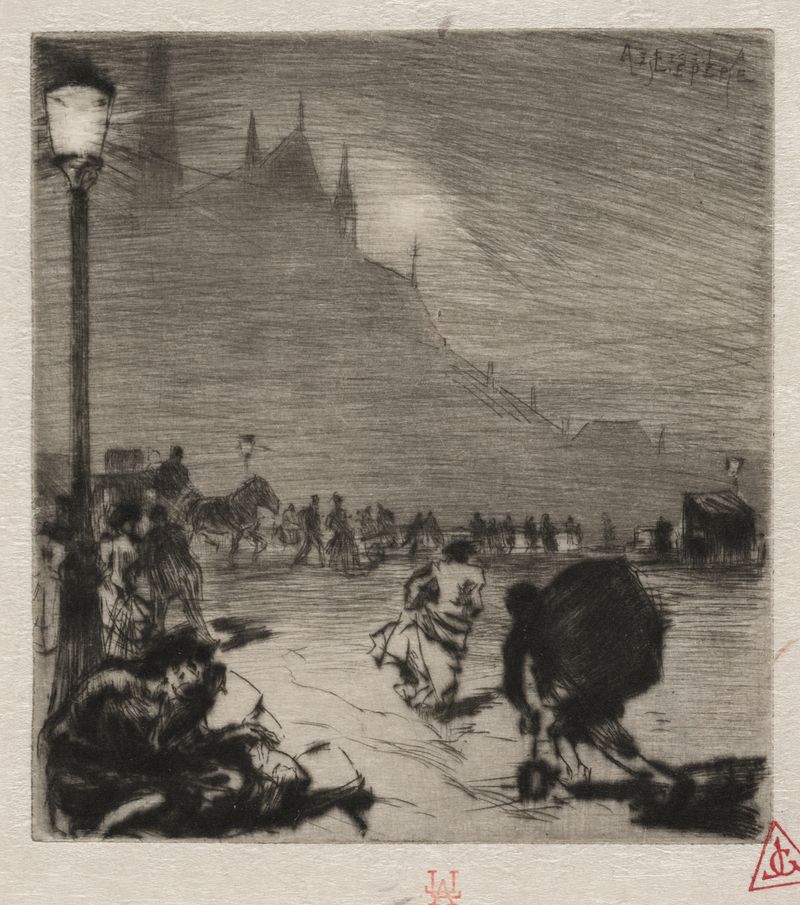
Au Coin du Pont-aux-Doubles
Auguste Louis Lepère
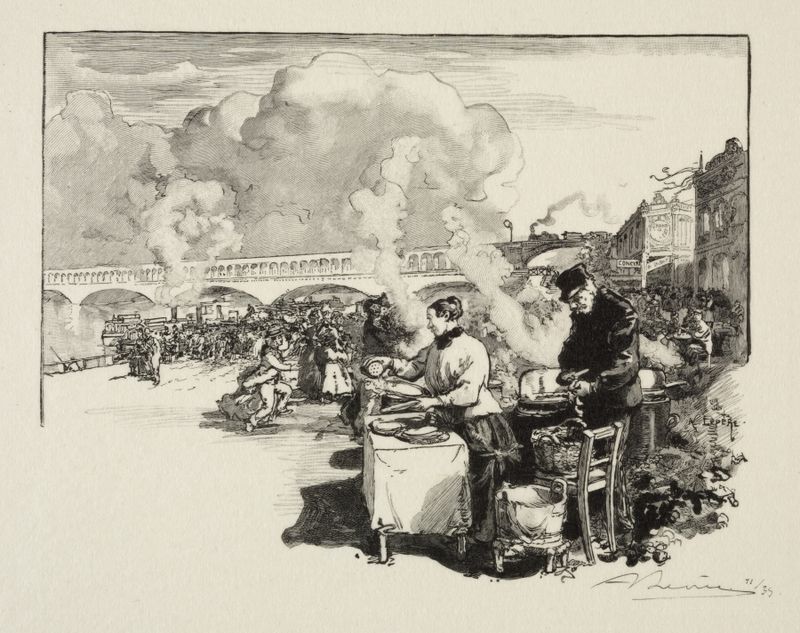
Debarcadère des bateaux-omnibus
Auguste Louis Lepère

La Seine, au quai de la Rapée
Auguste Louis Lepère
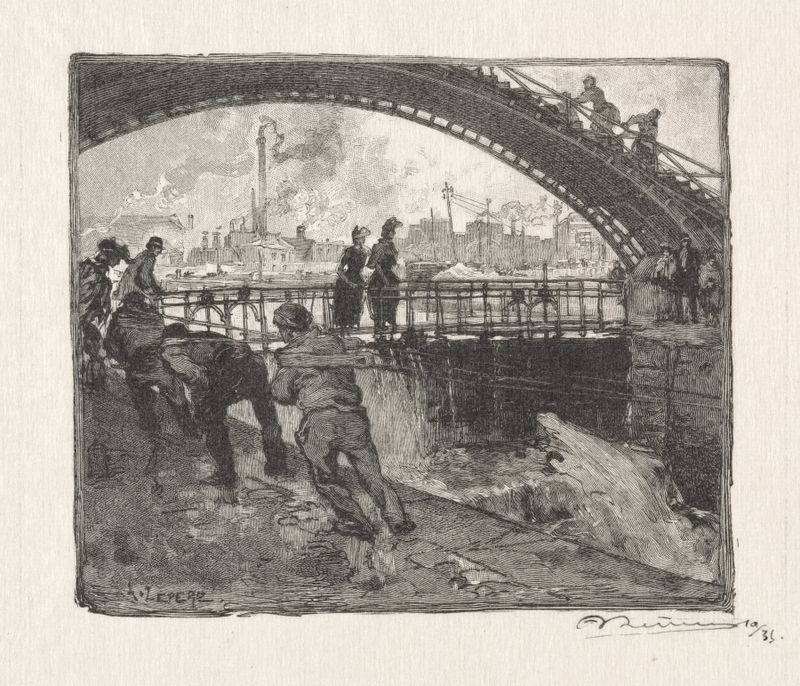
L’Ecluse du Canal St. Martin
Auguste Louis Lepère

Le Boulevard Montmartre, le Soir
Auguste Louis Lepère

Une Chasse au Mont Gérard
Auguste Louis Lepère
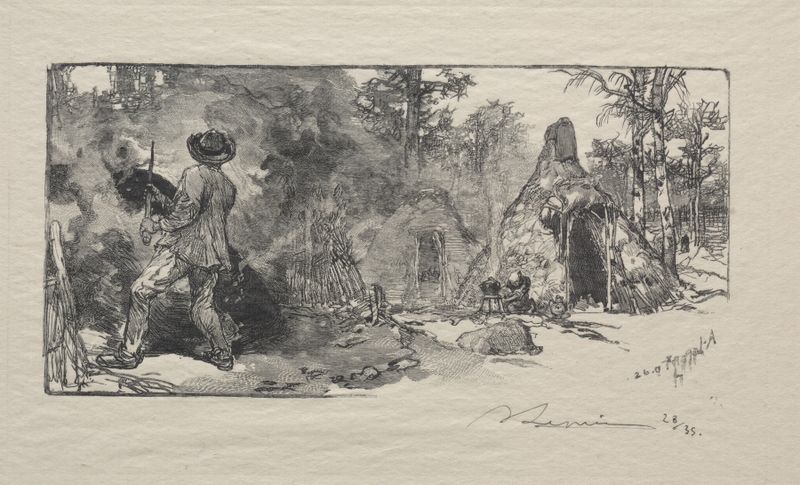
Les Charbonniere
Auguste Louis Lepère
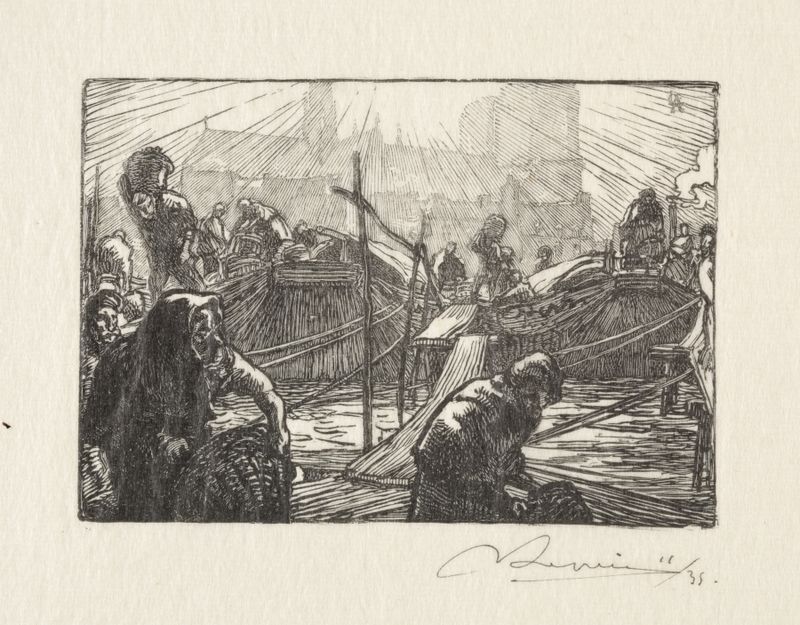
Notre Dame vue du Marché aux pommes
Auguste Louis Lepère

Le Palais des Arts Liberaux, Intèrieur
Auguste Louis Lepère





