
Le clocher de Vétheuil — History & Facts
Who listens when art speaks of silence? In the stillness of Le clocher de Vétheuil, one can almost hear the whispers of nature amidst the chaos of life. Look to the left at the serene waterway, its reflective surface mirroring the delicate hues of twilight. The church steeple, framed against a slowly fading sky, stands as a stark focal point, drawing your gaze upward. Notice how the soft blues and muted earth tones blend, creating a tranquil atmosphere that is both calming and eerily contemplative.
The brushwork, seemingly spontaneous, captures the gentle ripples of water, infusing the scene with a sense of movement within stillness. Amidst the tranquil settings, there lies a tension between the serenity of the landscape and the chaotic energy of life that surrounds it. The juxtaposition of the towering steeple against the fleeting clouds suggests a struggle between permanence and transience. Small details, such as the distant figures on the riverbank, evoke a sense of human presence, yet they appear almost insignificant against the vastness of nature — a poignant reminder of our ephemeral existence. Stanislas Lépine painted this work during a time when French art was undergoing significant transformation, likely in the late 19th century.
At this juncture, he was deeply influenced by the Impressionist movement and sought to explore the interplay of light and atmosphere. While he remained somewhat in the shadows of more famous contemporaries, his focus on rural scenes and the subtle nuances of landscape painting marked a crucial contribution to the evolving narrative of French art in that era.
More Artworks by Stanislas Lépine
Browse all →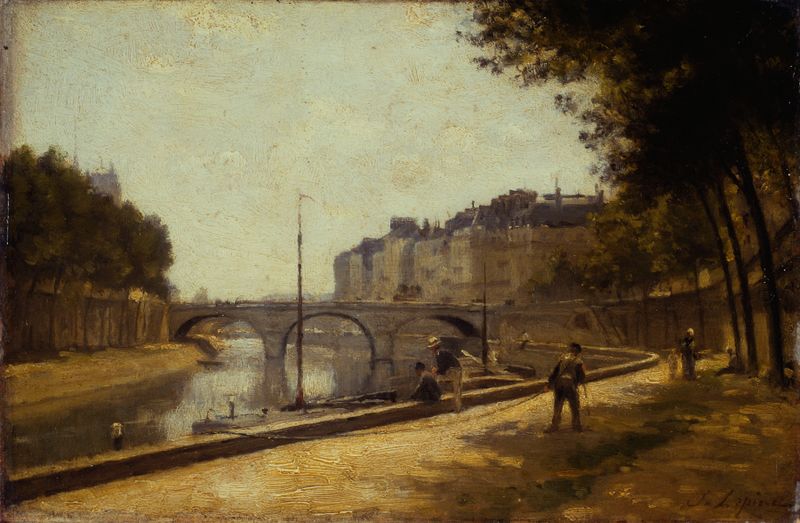
Le pont Saint-Michel
Stanislas Lépine
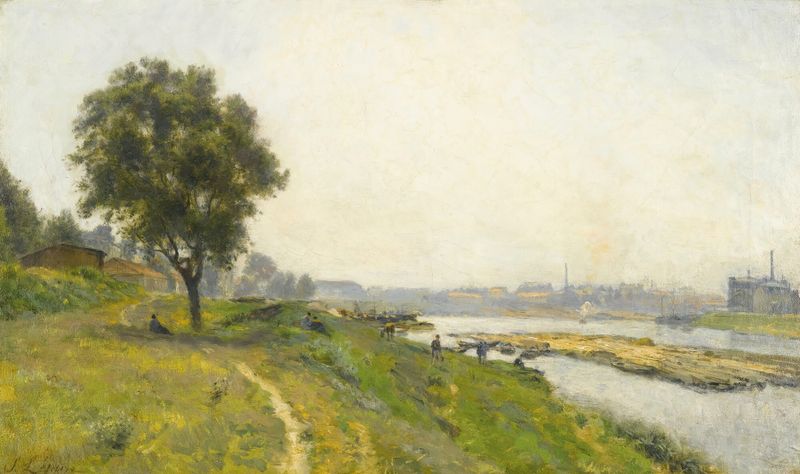
Ivry-Sur-Seine. Le Confluent Avec La Marne
Stanislas Lépine

View on the Seine, Paris
Stanislas Lépine
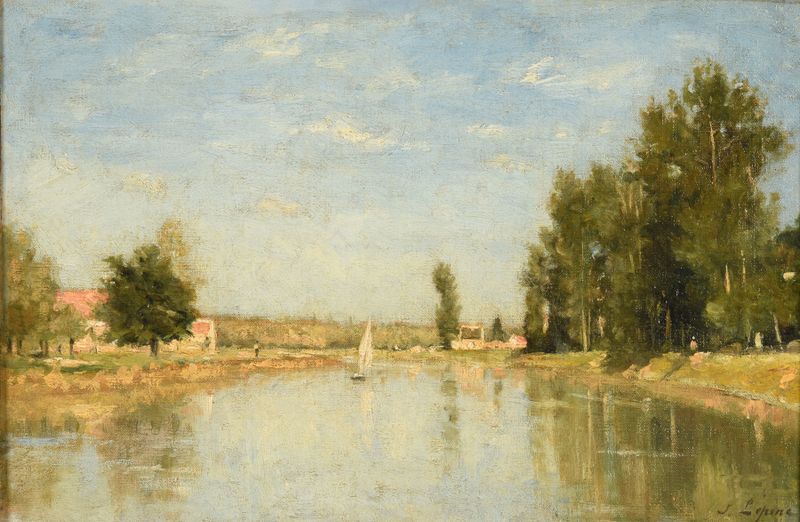
Les Bords de la Marne
Stanislas Lépine

L’île de la Cité et l’île Saint-Louis, vues du pont d’Austerlitz
Stanislas Lépine
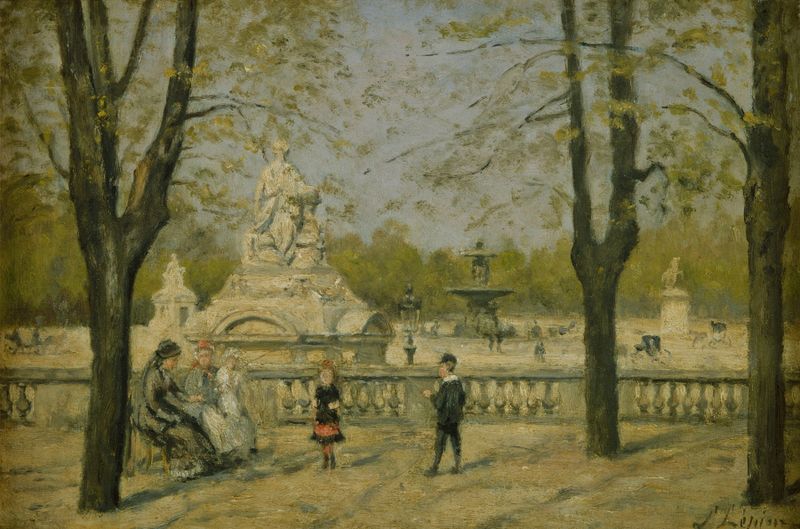
La place de la Concorde, vue de la terrasse des Tuileries
Stanislas Lépine
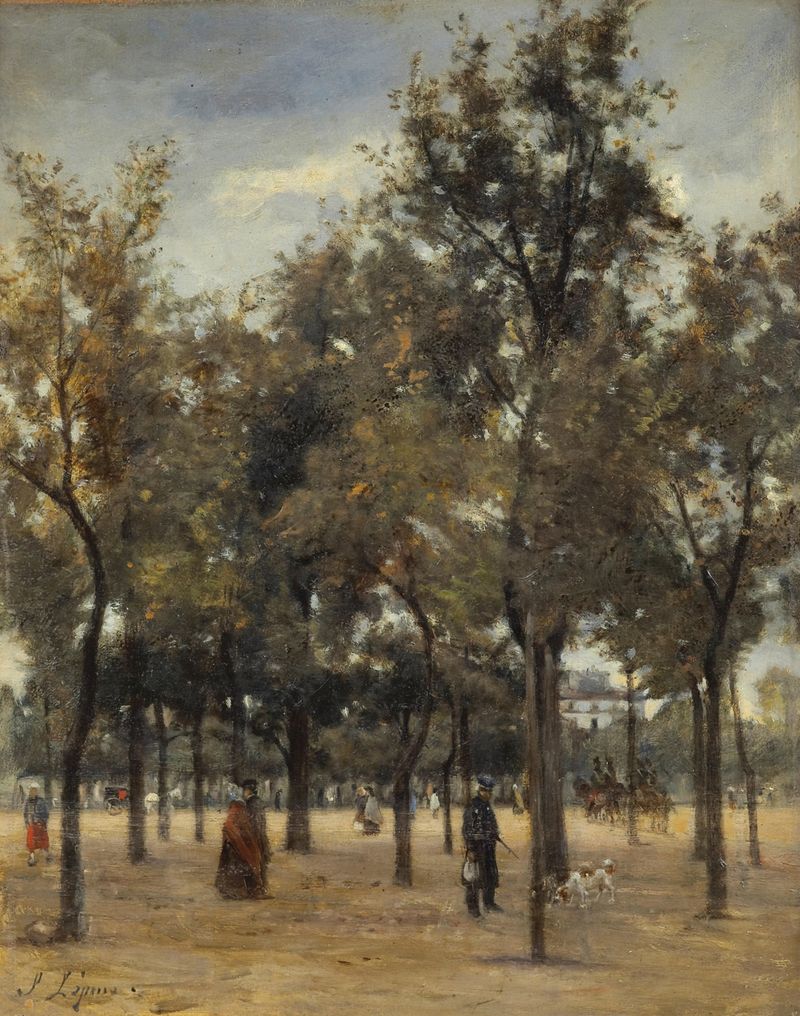
L’esplanade des Invalides
Stanislas Lépine
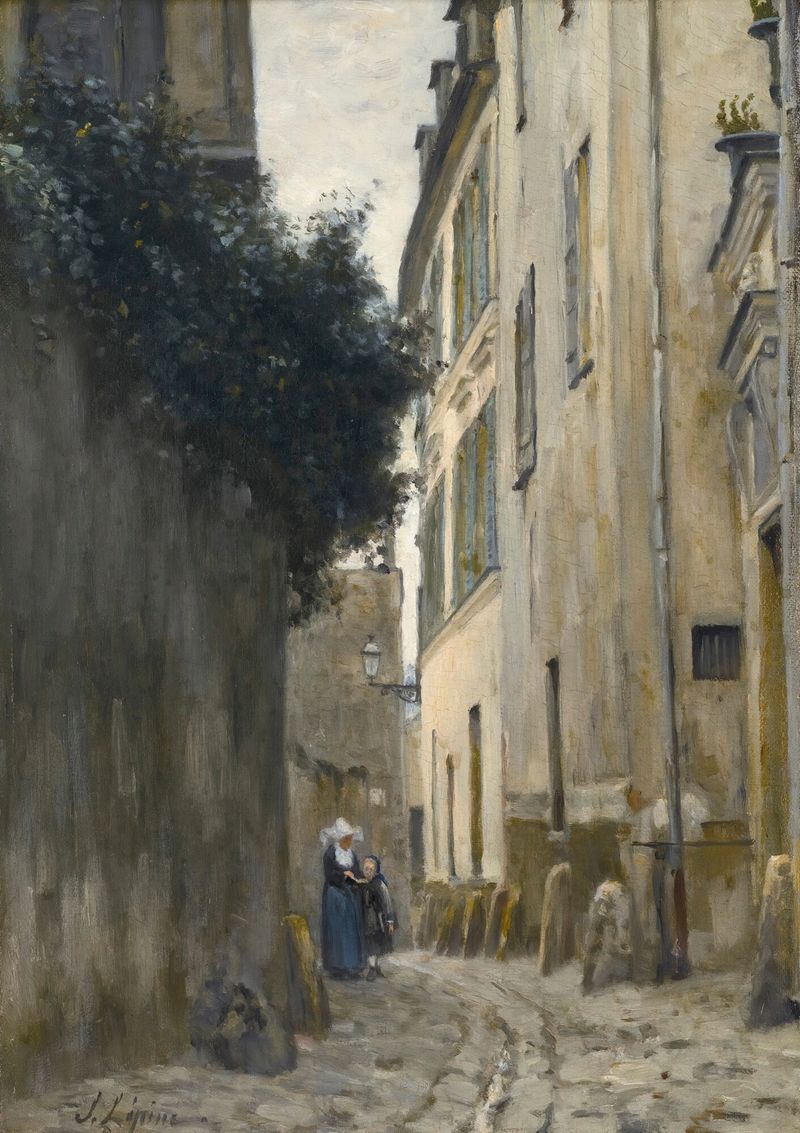
Montmartre. La Rue Saint-Vincent
Stanislas Lépine

Le Bassin de la Villette en hiver
Stanislas Lépine
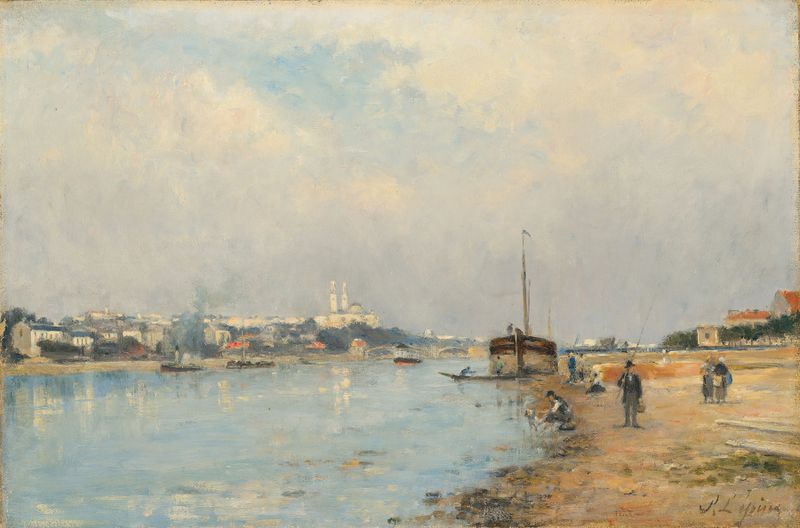
La Seine. Le Trocadéro et le pont de Grenelle, vus du quai de Javel
Stanislas Lépine





