Le dejeuner des cuisiniers — History & Facts
A moment of camaraderie and fatigue fills the center of Le dejeuner des cuisiniers, where a group of cooks, still in their aprons and caps, gather for a humble meal. The artist, Augustin Théodule Ribot, draws the eye immediately to the cluster of seated figures, their bodies angled inward, hands busy with bowls and spoons. The standing cook at the center, one hand on his hip, seems to preside over the break, his posture relaxed but watchful.
The cross-hatched background presses the figures forward, isolating their world from any kitchen bustle that might lie beyond the frame. Light falls from the left, catching the faces and hands, lending a quiet dignity to this pause in their labor. Works like this print, made in 1860, speak to the rise of genre scenes in nineteenth-century France, when artists turned their attention to the lives of workers and the everyday rituals of the lower classes. Ribot was known for his sympathetic depictions of cooks and kitchen maids, a subject he returned to in both painting and print.
Such images were not grand commissions but rather intimate glimpses, often collected by the burgeoning middle class who found resonance in scenes of honest toil and shared bread. History has kept few traces of the individual sitters or the precise kitchens they served, but the print remains—an invitation to linger with these cooks, to imagine the warmth of their meal and the stories exchanged in the margins of work.
More Artworks by Augustin Théodule Ribot

The Scullion
Augustin Théodule Ribot
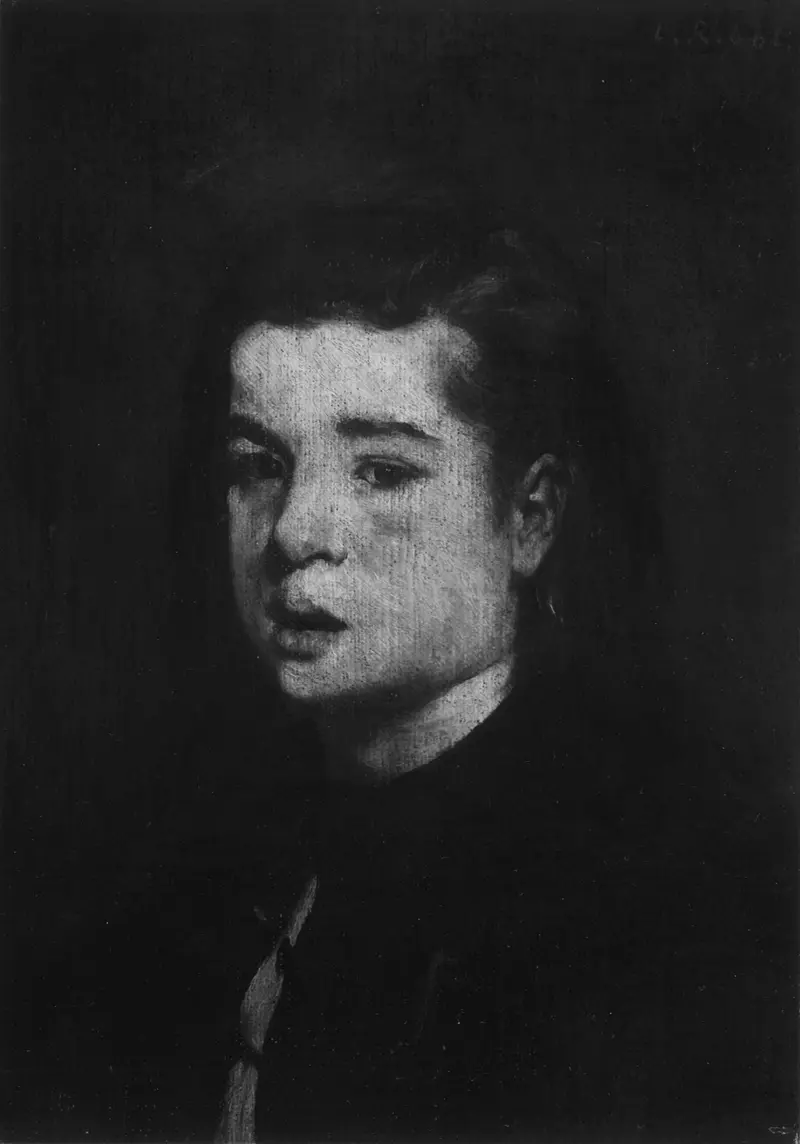
The Artist's Daughter
Augustin Théodule Ribot
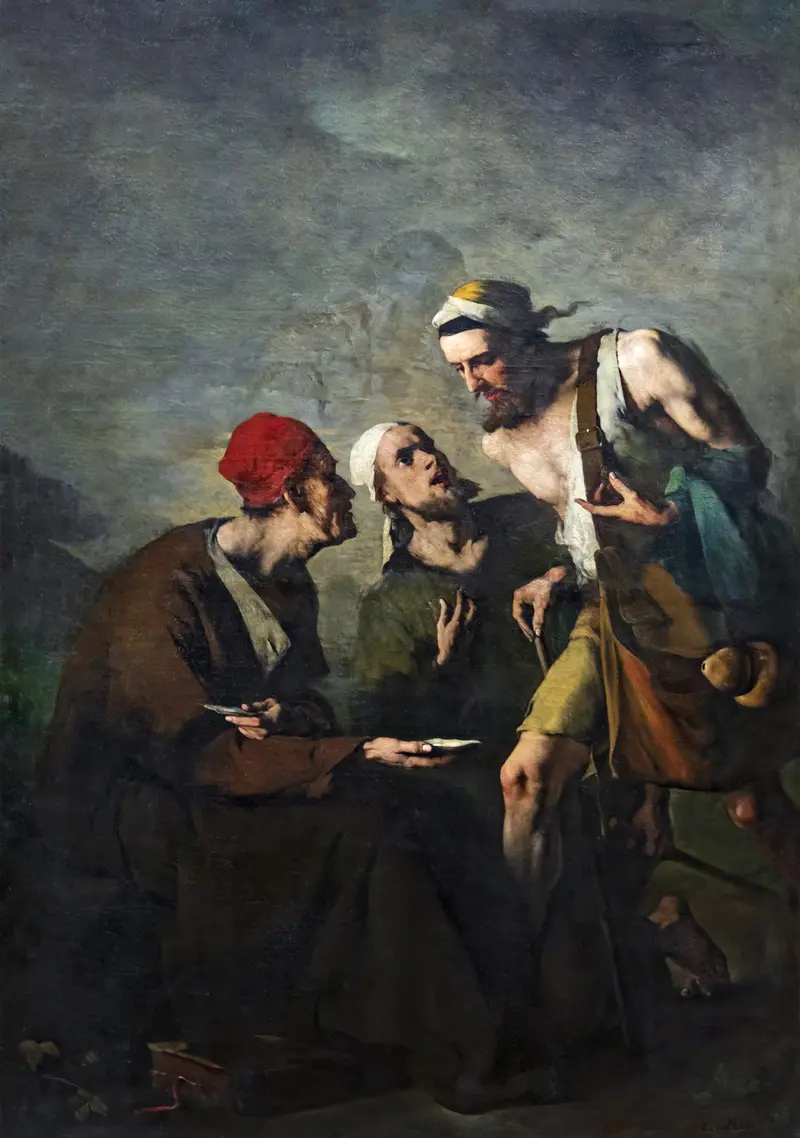
The oyster and the Litigant's
Augustin Théodule Ribot
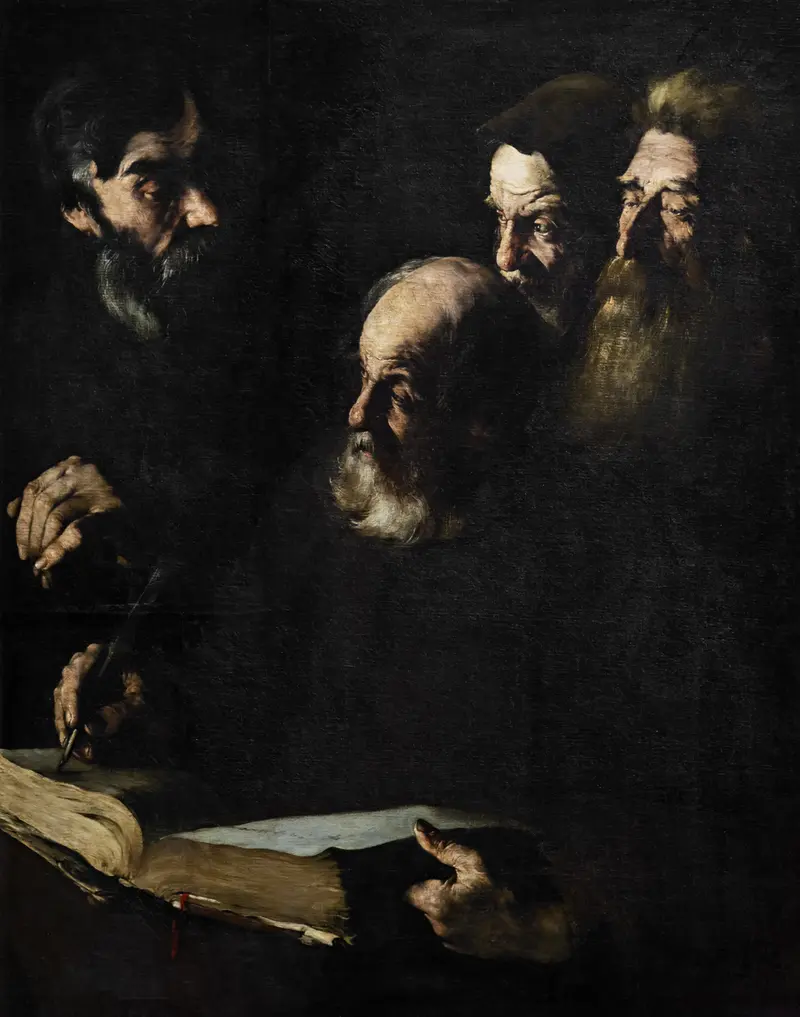
The philosophers
Augustin Théodule Ribot
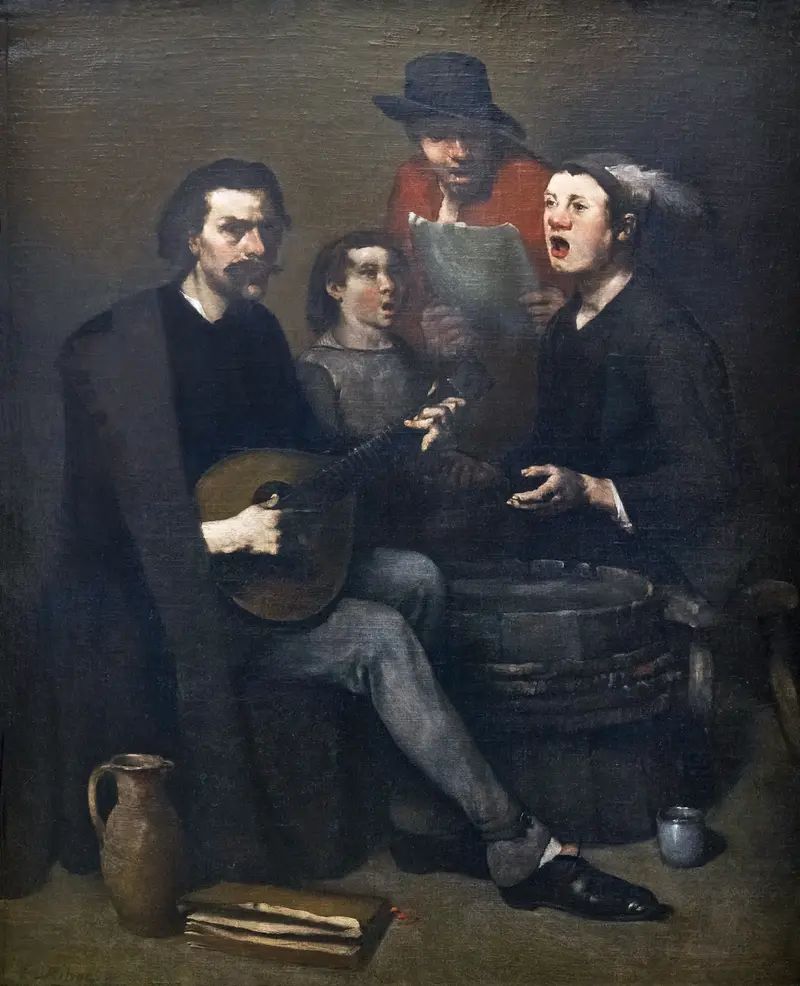
Singers
Augustin Théodule Ribot
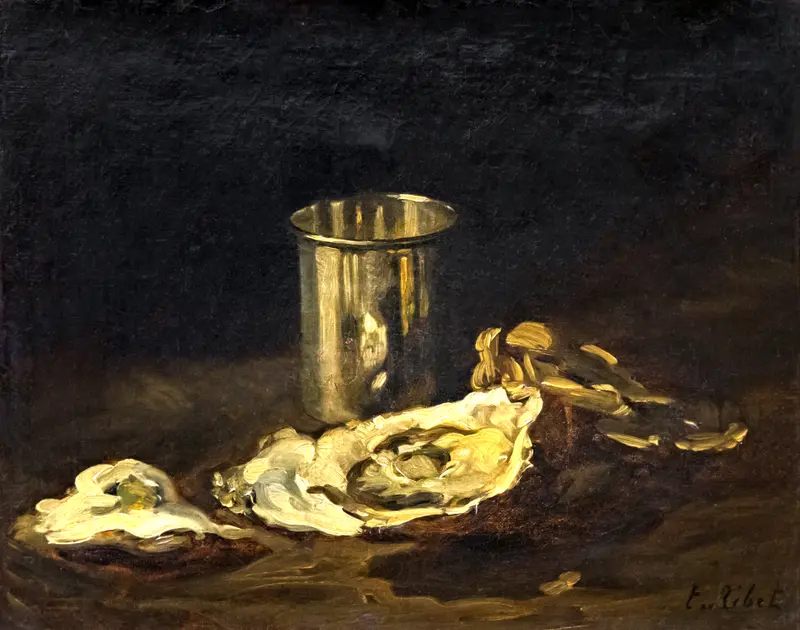
Oyster and timbale
Augustin Théodule Ribot
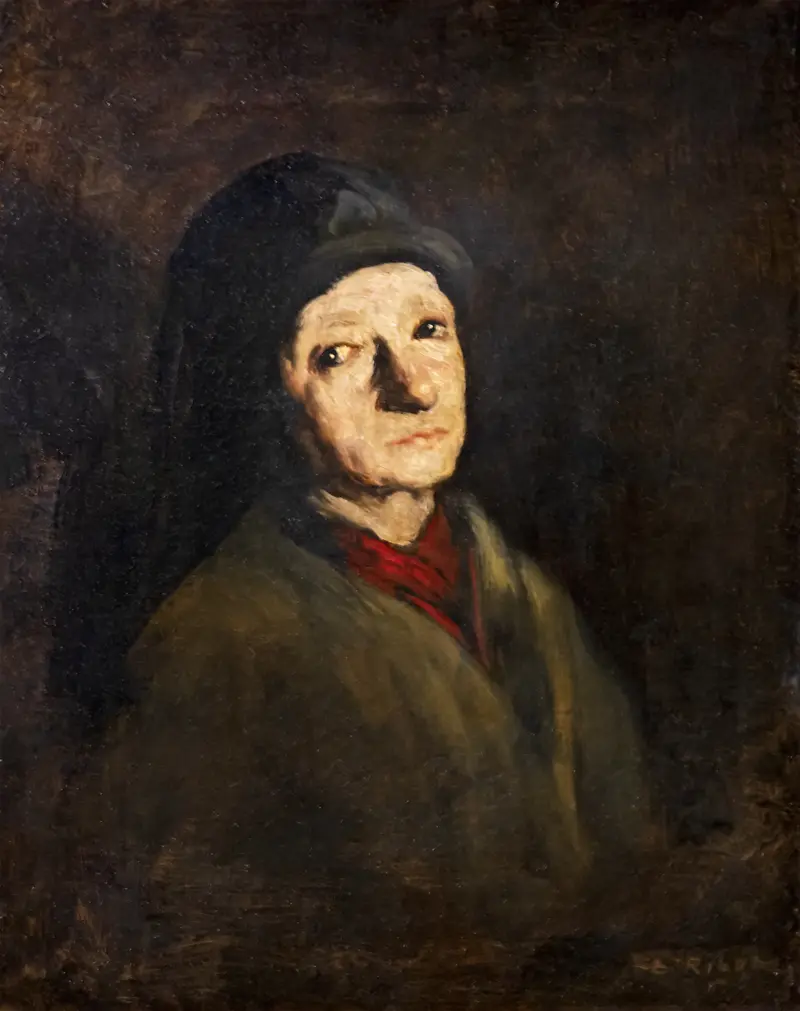
Portrait of the artist's mother
Augustin Théodule Ribot
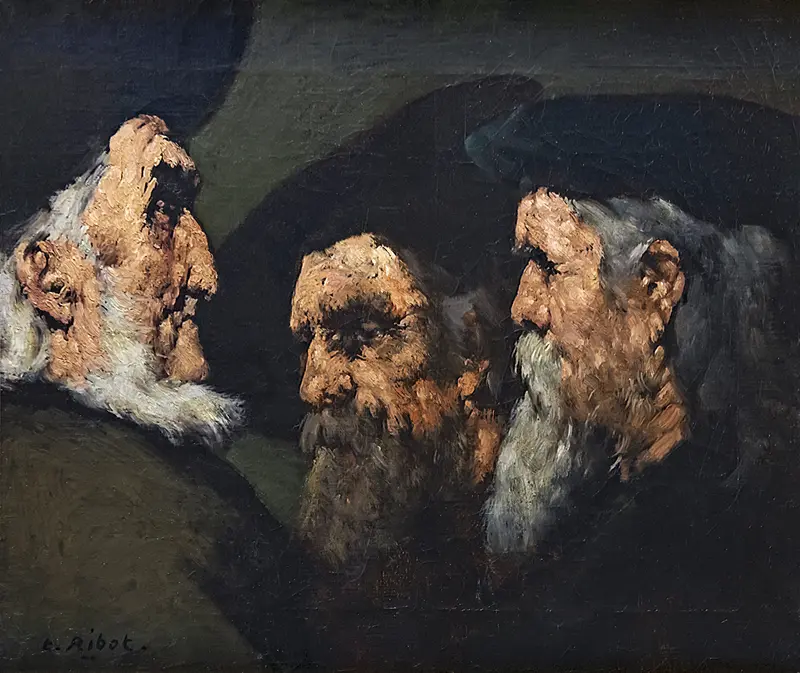
Three old jews
Augustin Théodule Ribot
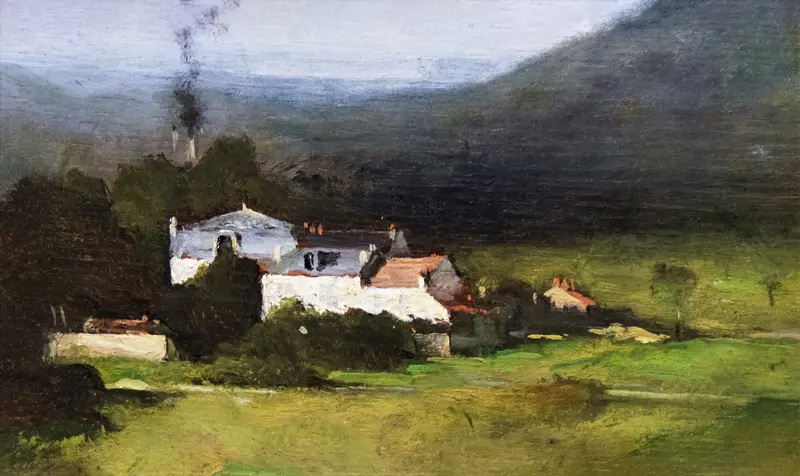
' Landscape ', known as ' La Maison de Corot in Ville-d'Avray '
Augustin Théodule Ribot
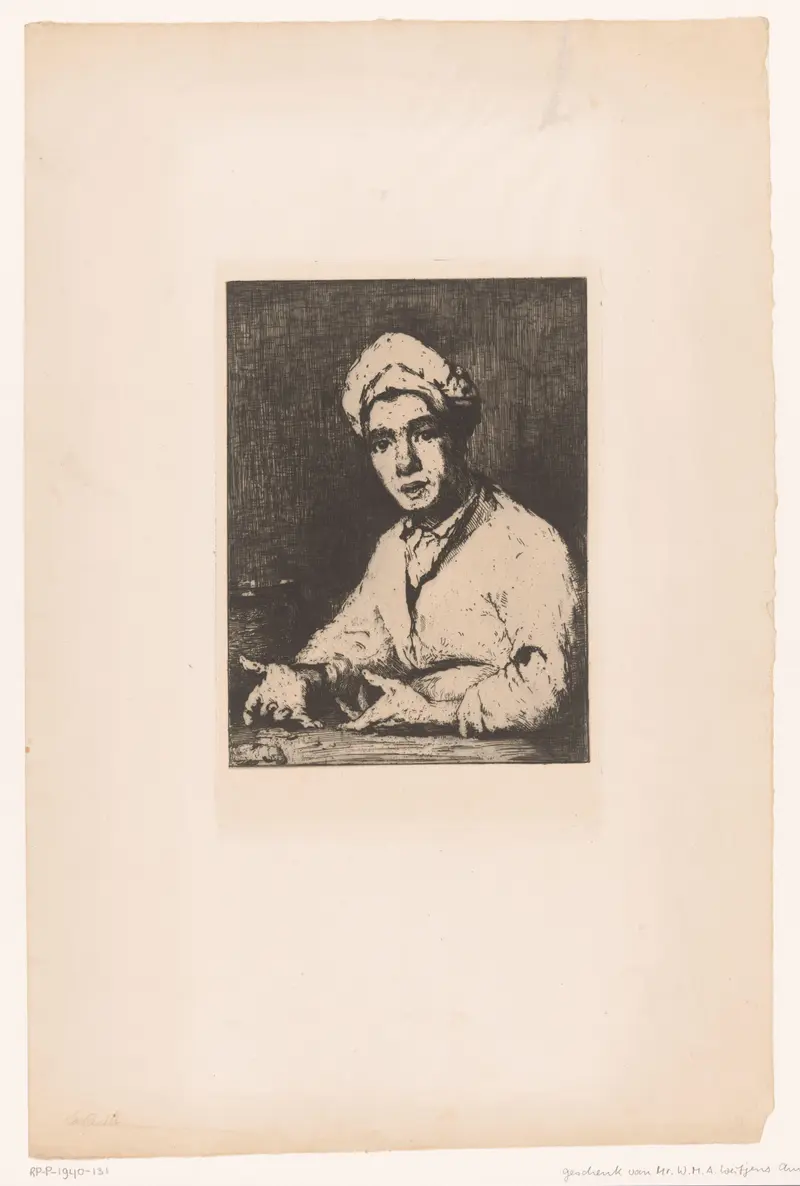
La recette du cuisinier
Augustin Théodule Ribot