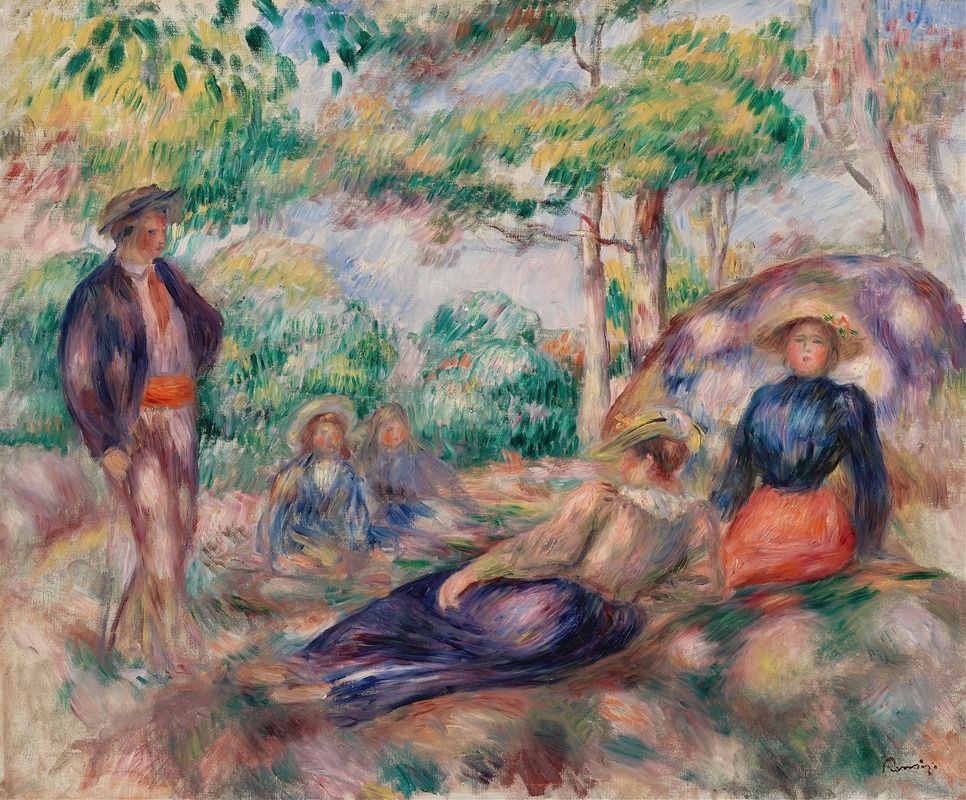
Discover insights about this artwork
Le descañona. (She fleeces him.) — History & Facts
In Le descañona, Francisco de Goya presents a striking scene with a woman depicted in the act of fleecing a man. The colors are rich and dark, with deep shadows contrasting against the lighter tones of the figures. The setting appears intimate, possibly in a domestic space, emphasizing the personal nature of the interaction.
The expressions on the characters' faces convey a mix of cunning and vulnerability. This painting is executed in oil on canvas, a medium that allows for the depth and texture seen in Goya's work. The approximate dimensions are 60 x 80 cm, making it a medium-sized piece that draws the viewer's attention. The brushwork is loose yet deliberate, characteristic of Goya's style during this period.
The composition is dynamic, with the figures arranged to create a sense of movement and tension. Francisco de Goya was a prominent Spanish painter known for his critical approach to society and human behavior. Le descañona reflects his interest in the darker aspects of human nature, often exploring themes of deception and exploitation. An interesting fact about this work is that it was created during a time when Goya was transitioning from the Rococo style to a more personal and expressive approach.
This painting exemplifies his ability to capture complex human emotions in everyday situations.
More Artworks by Francisco de Goya
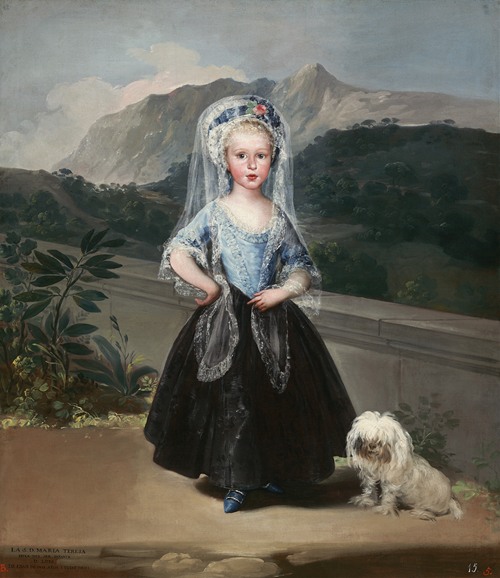
María Teresa de Borbón y Vallabriga,later Condesa de Chinchón
Francisco de Goya
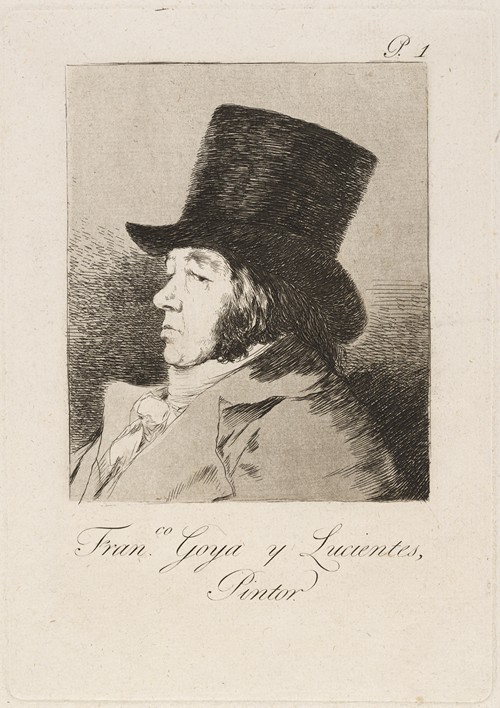
Francisco Goya y Lucientes, Pintor (Francisco Goya y Lucientes, painter)
Francisco de Goya
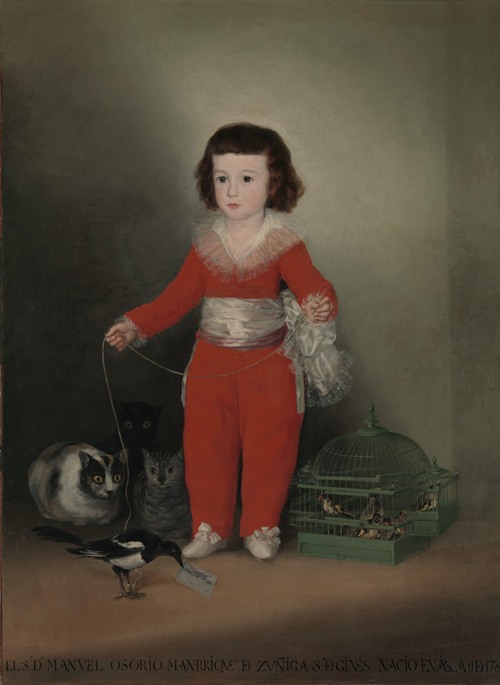
Manuel Osorio Manrique de Zuñiga (1784–1792)
Francisco de Goya
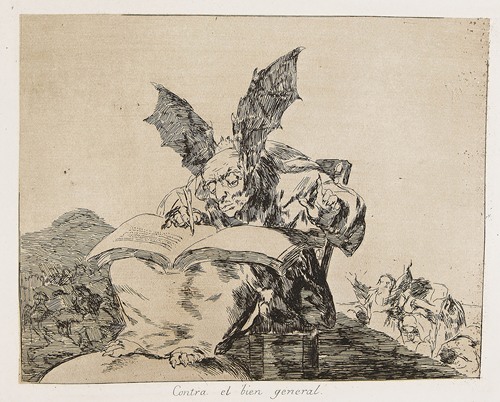
Los desastres de la guerra
Francisco de Goya
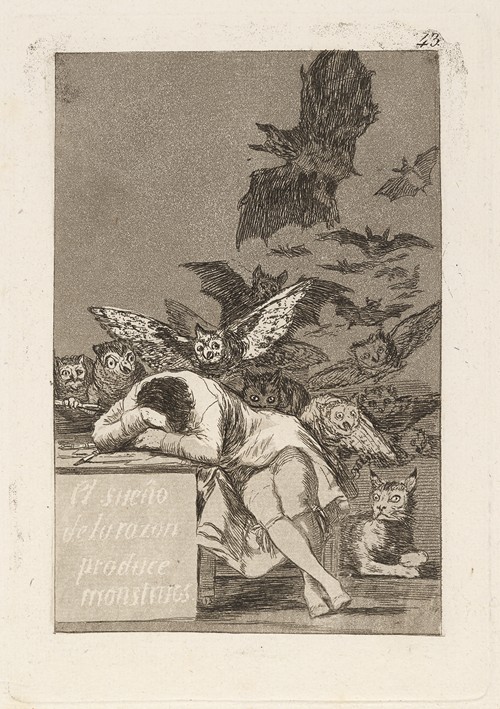
El sueño de la razon produce monstruos. (The sleep of reason produces monsters.)
Francisco de Goya
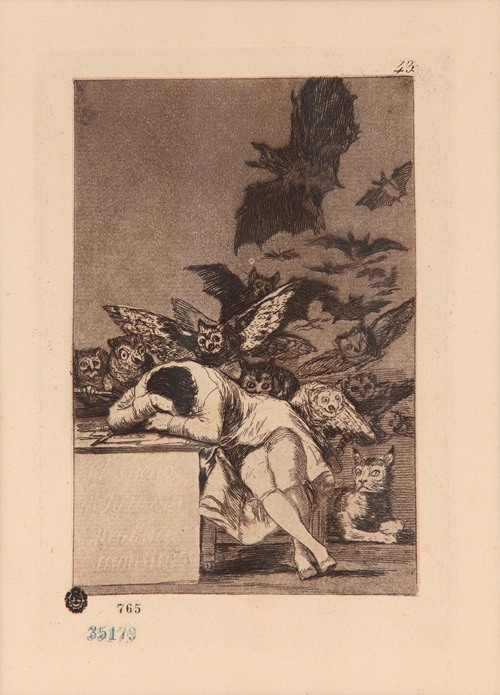
El sueño de la razon produce moustruos (Serie Caprichos)
Francisco de Goya
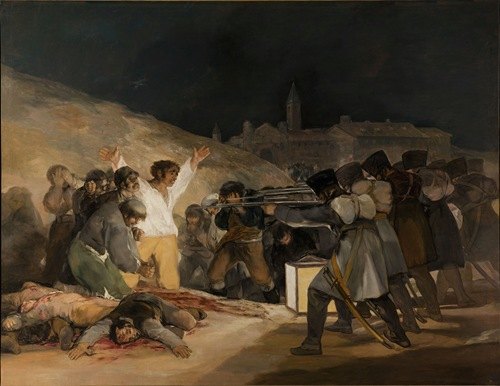
The Third of May
Francisco de Goya
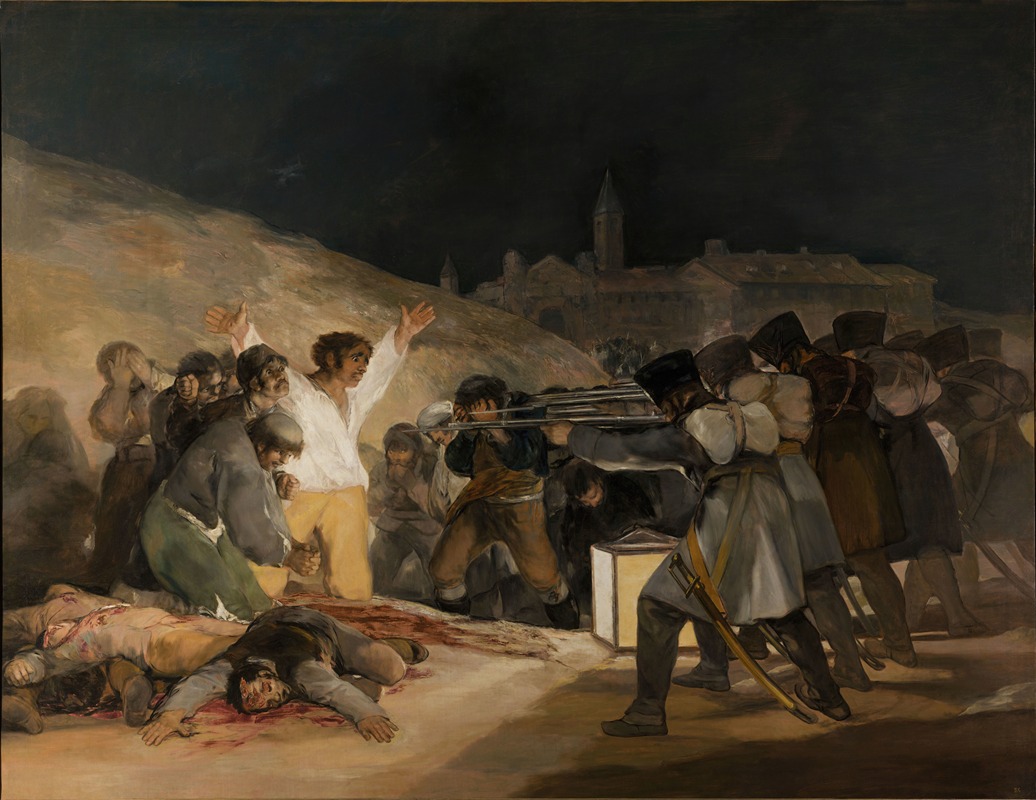
The Third of May 1808
Francisco de Goya
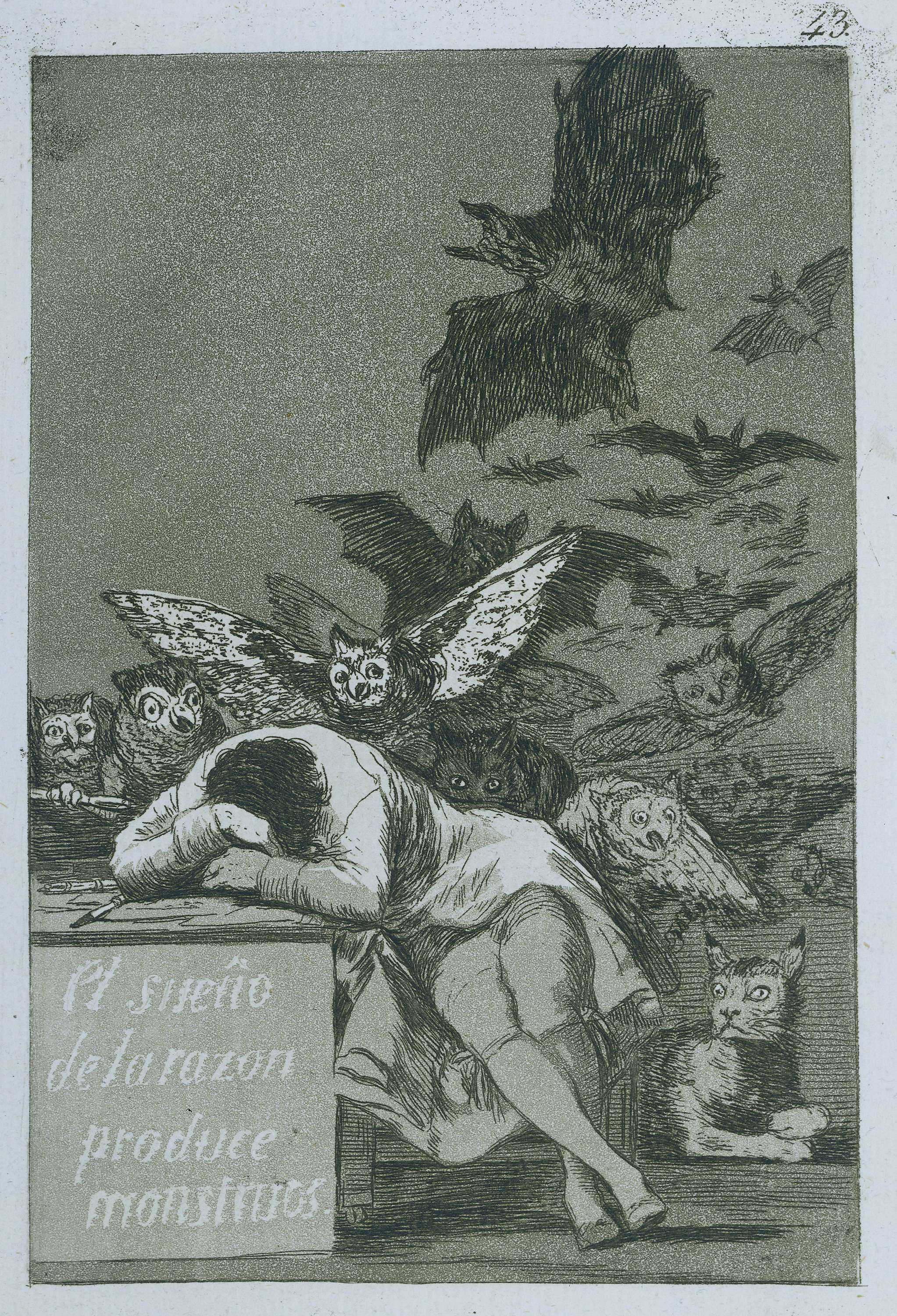
De slaap van de rede brengt monsters voort
Francisco de Goya
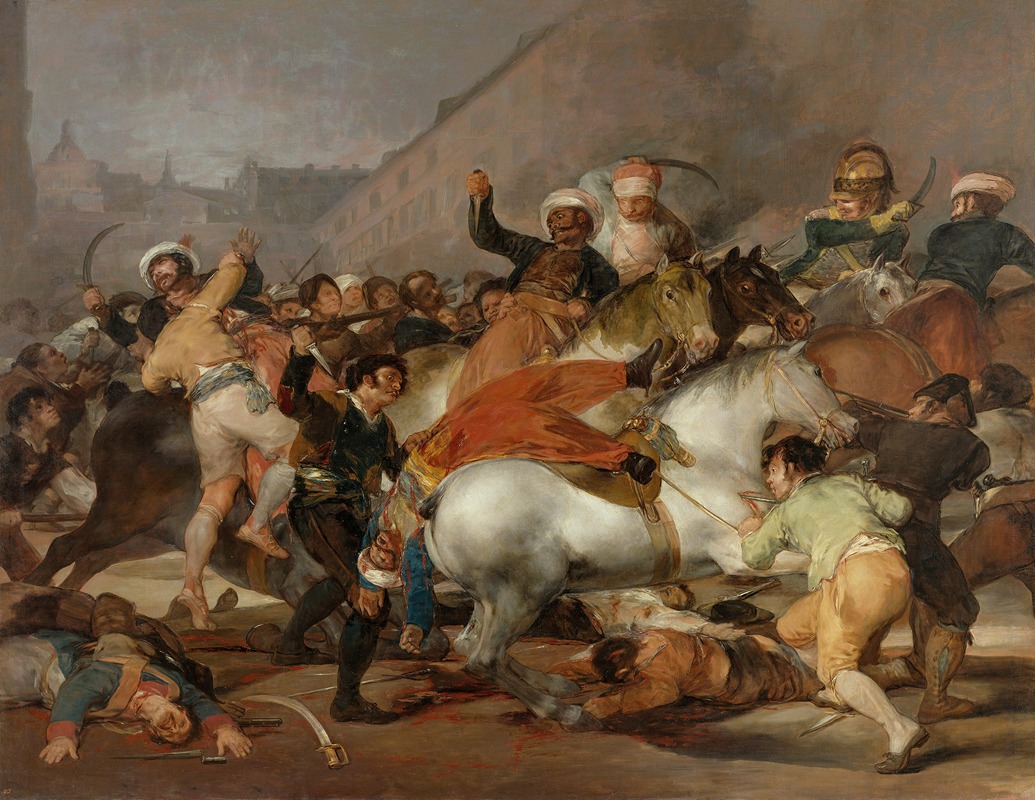
The Charge of the Mamelukes (1814)
Francisco de Goya