
Le faux poivrier (Provence) — History & Facts
In moments of serenity, we can find solace, an oasis for the soul amid life’s chaos. Look to the left, where vibrant splashes of greens and soft blues converge under a gentle sun. The rhythmic brushstrokes depict a tranquil landscape, inviting the viewer to breathe deeply and feel the warmth radiating from the canvas. The painting captures the essence of Provence, with its lush foliage blending seamlessly into a sky kissed by soft, golden light.
The artist employs a pointillist technique, allowing the colors to dance together, creating a harmonious blend that entices the eye to linger over each detail. Notice the subtle contrasts between the bright foreground and the shadowy areas that suggest depth, revealing the interplay of light and nature. Delicate touches of orange evoke a sense of warmth while the varying shades of green suggest life’s complexity. This harmony of colors conveys an emotional tranquility, whispering secrets of a quiet afternoon.
In the distance, the soft curves of the hills cradle the scene, grounding it in the earth while inviting contemplation of the vast beauty beyond. Henri-Edmond Cross painted Le faux poivrier in 1907 while residing in the south of France, a period marked by his exploration of color and light. During this time, he was immersed in the evolving world of Post-Impressionism, experimenting with new techniques and seeking to express the essence of his surroundings. The work reflects both his personal journey and the cultural shifts of the era, blending the natural beauty of Provence with the artist's intimate emotional landscape.
More Artworks by Henri-Edmond Cross
Browse all →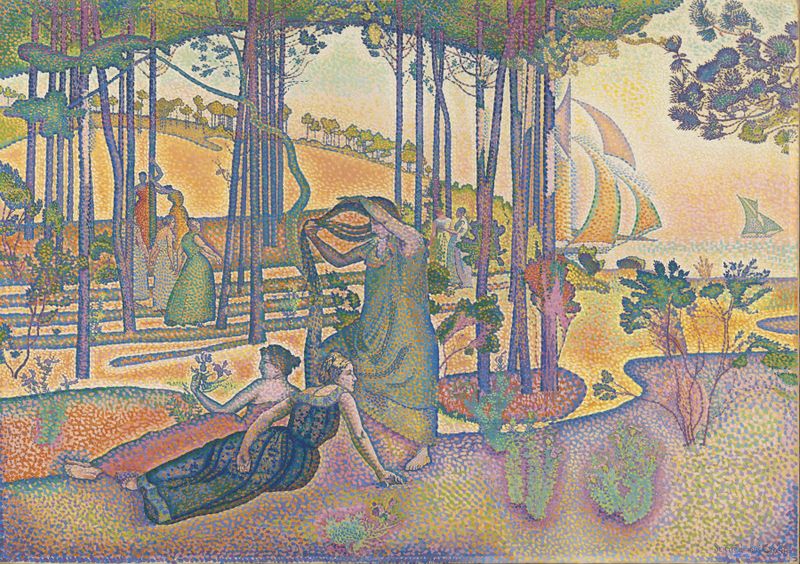
The Evening Air
Henri-Edmond Cross

Landscape
Henri-Edmond Cross
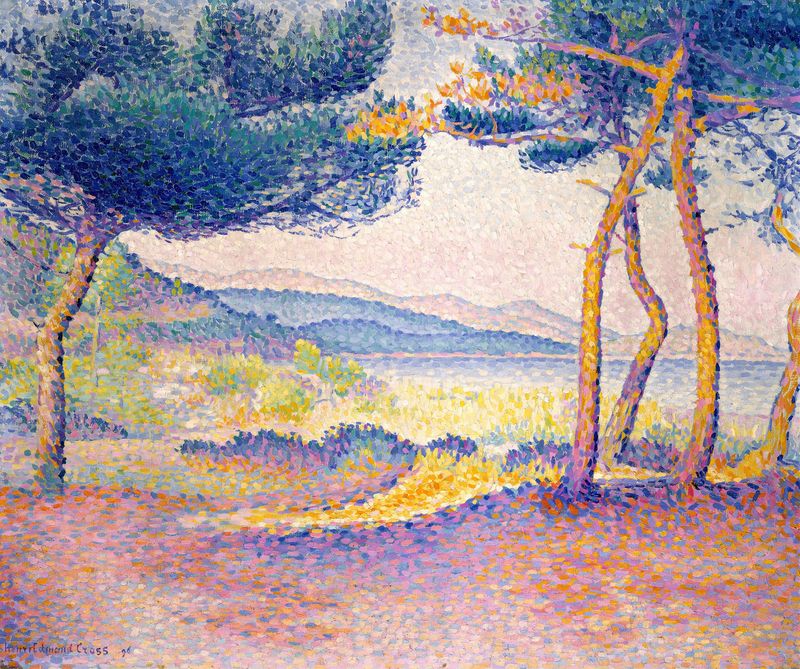
Pines Along the Shore
Henri-Edmond Cross
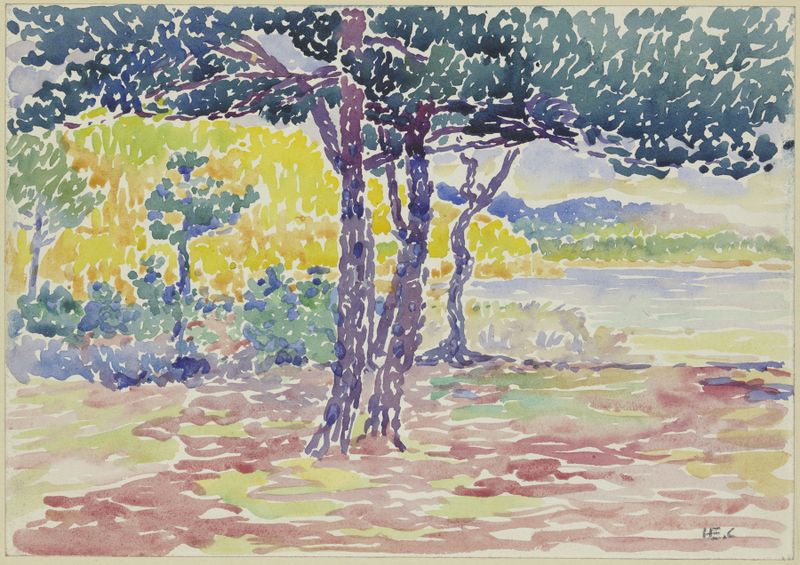
Meeresgestade
Henri-Edmond Cross

La Plage De Saint-Clair
Henri-Edmond Cross
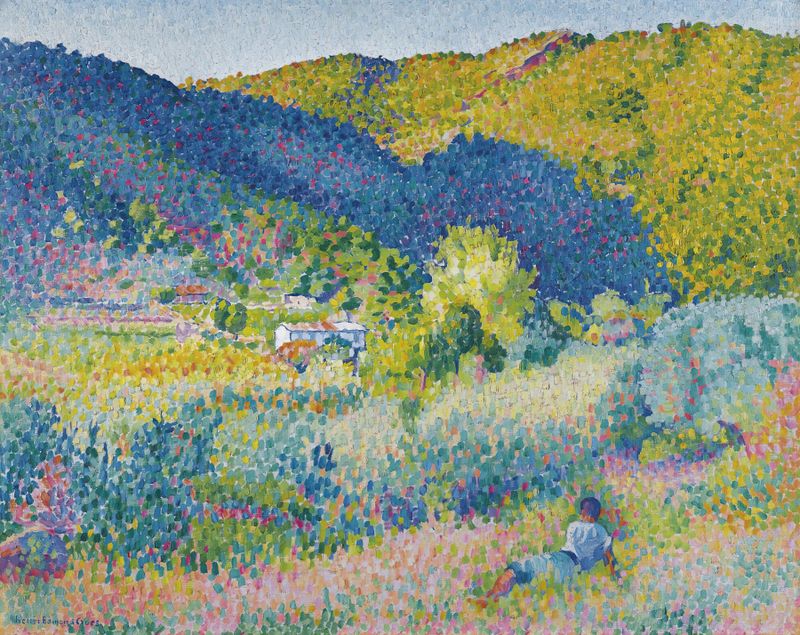
Paysage De La Chaine Des Maures
Henri-Edmond Cross
The Artist’s Garden at Saint-Clair
Henri-Edmond Cross
Murano, matin
Henri-Edmond Cross
Landscape
Henri-Edmond Cross
Pérouse, la terrasse
Henri-Edmond Cross





