
Le grand théàtre des Alpes et glaciers — History & Facts
In the midst of chaos, the brush becomes a lifeline to the sublime, capturing the tumult of nature and spirit intertwined. Look to the left, where jagged peaks rise fiercely against the turbulent sky, their white snowcaps stark and brilliant. Notice how the artist employs a palette of deep blues and grays, creating a sense of foreboding that envelops the composition. The swirling clouds, rendered with expressive strokes, seem to grasp the mountains in a vice-like grip, while patches of lighter hues suggest moments of clarity breaking through the darkness.
This contrast pulls the viewer's gaze across the canvas, inviting an exploration of both the beauty and terror that coexist in this alpine tableau. Beneath the surface of this dramatic landscape lies a duality of emotion—an underlying tension between tranquility and tempest. The swirling forms of the clouds represent chaos, yet the steadfast mountains stand as a testament to resilience. Small details, such as the hints of light piercing through the cloud cover, evoke hope amid turmoil, a reminder of nature's power to both nurture and devastate.
This interplay embodies the artist's meditation on the fragility of existence, illustrating the delicate balance between despair and serenity. During the years 1915 to 1945, chaos reigned in the world, marked by two world wars that reshaped societies. Caspar Wolf, working primarily in Switzerland during this tumultuous period, channeled these external conflicts into his art. He was influenced by the Romantic tradition, emphasizing the sublime aspects of nature, and sought to convey the emotional resonance of the landscape amid the chaos enveloping humanity.
More Artworks by Caspar Wolf
Browse all →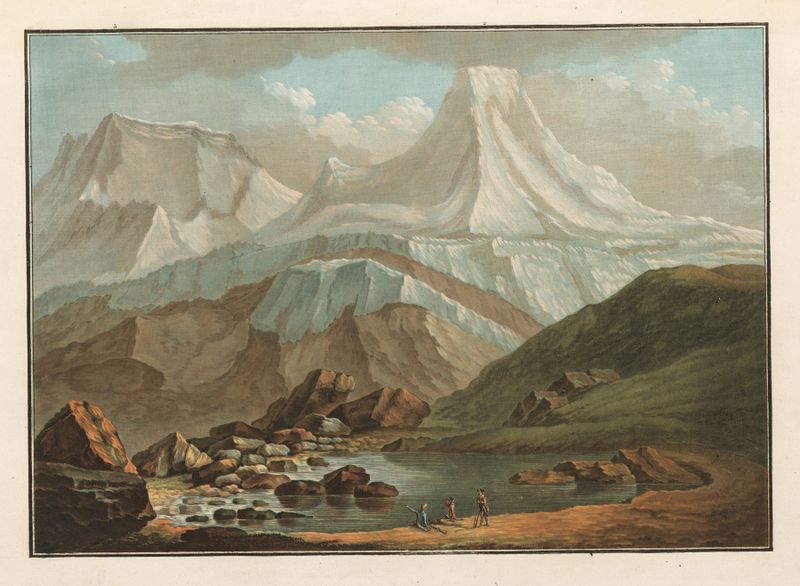
Vue du Gross-Horn et du Breit-Horn avec le petit lac d’Oberhorn
Caspar Wolf
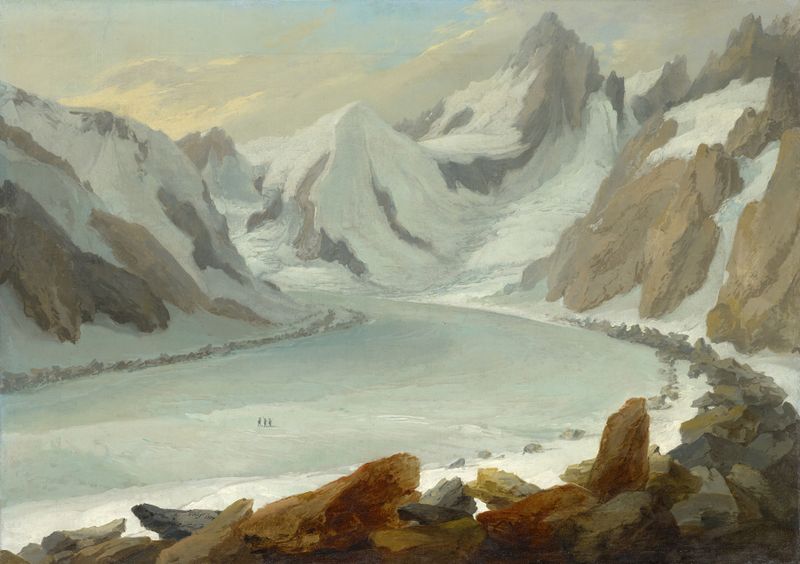
Finsteraargletscher mit Blick auf das Finsteraarhorn
Caspar Wolf
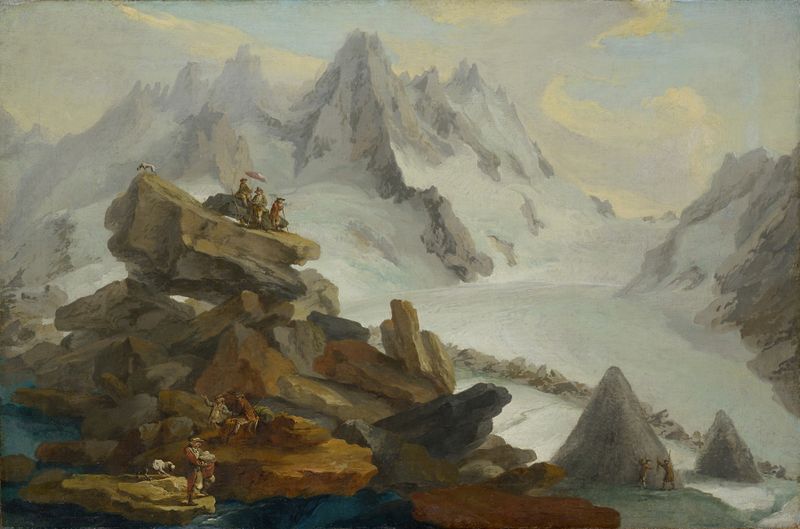
Glacier Lauteraar
Caspar Wolf

Glacier de Lauteraar Canton de Berne Province d’Oberhasli
Caspar Wolf
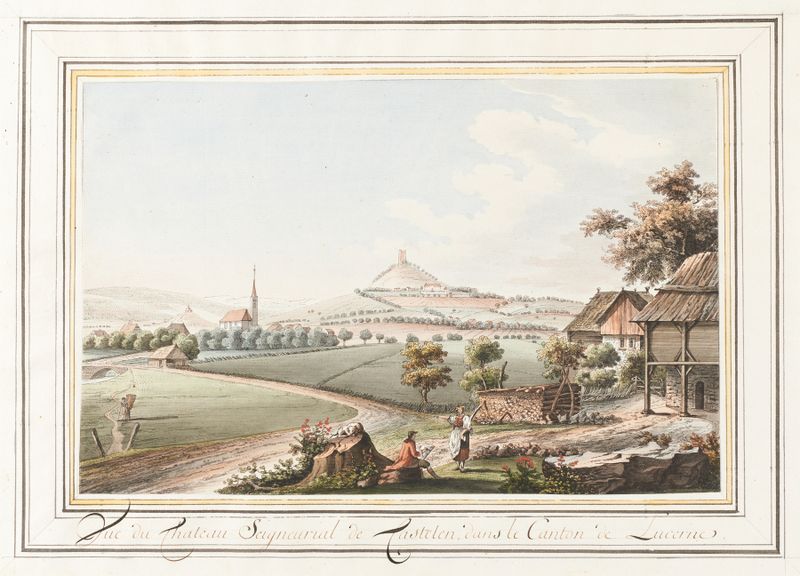
Vue du Chateau Seigneurial de Castelen dans le Canton de Lucerne
Caspar Wolf

Wasserfall im Tobel bei Muri
Caspar Wolf
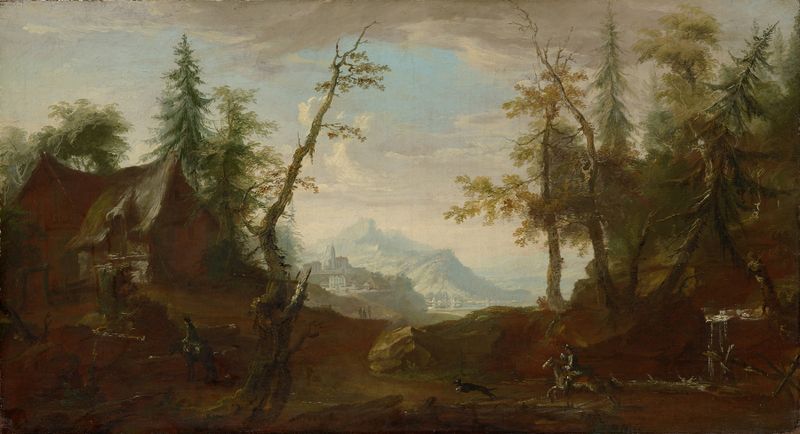
Farmhouse in a Forest Glade with Riders
Caspar Wolf
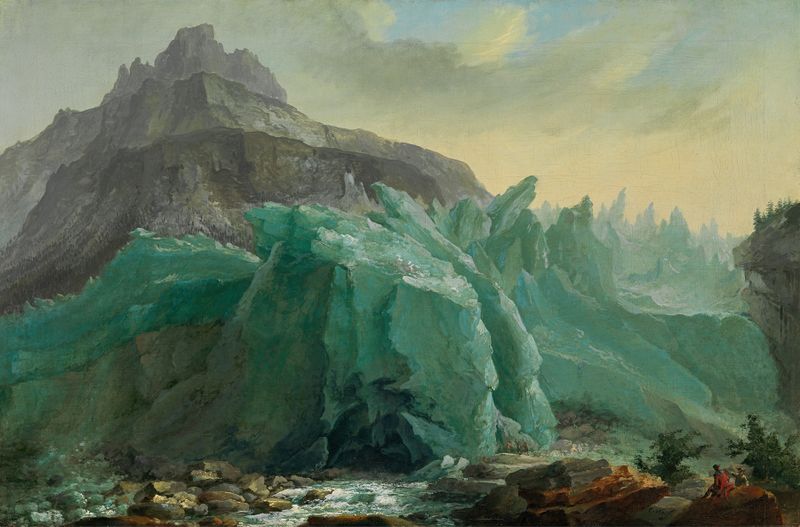
The Lower Grindelwald Glacier with Lütschine and the Mettenberg
Caspar Wolf
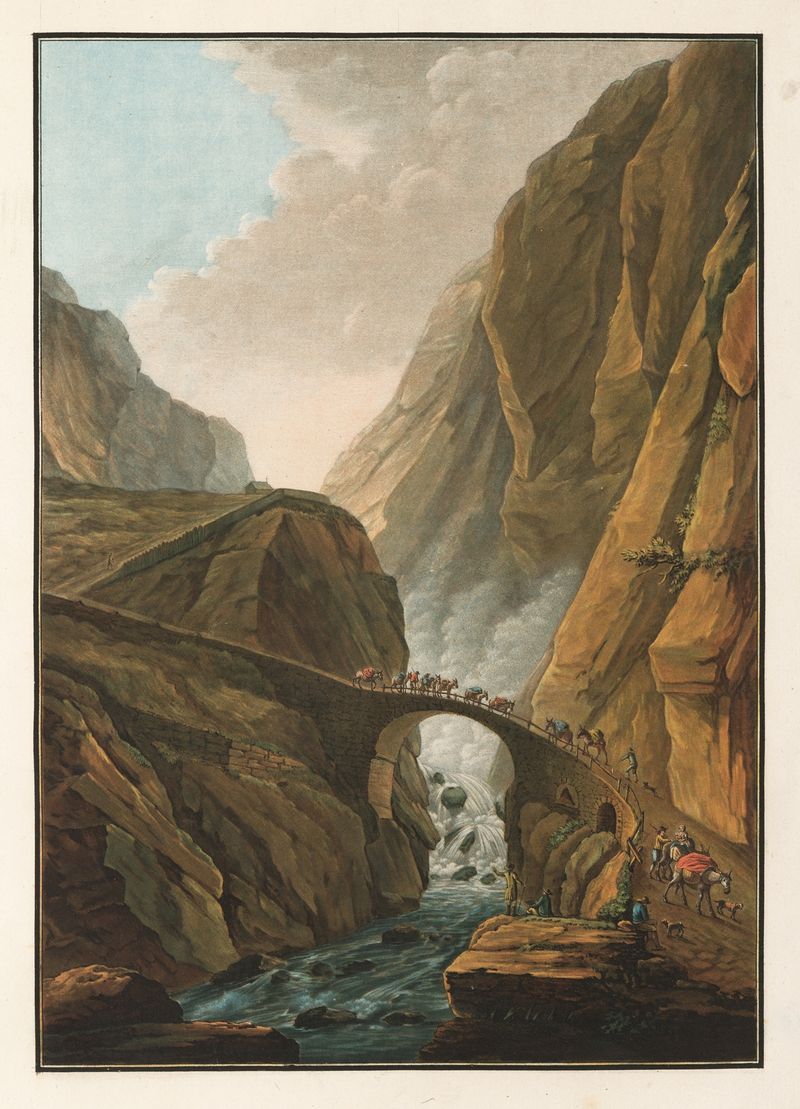
Teufelsbrücke
Caspar Wolf
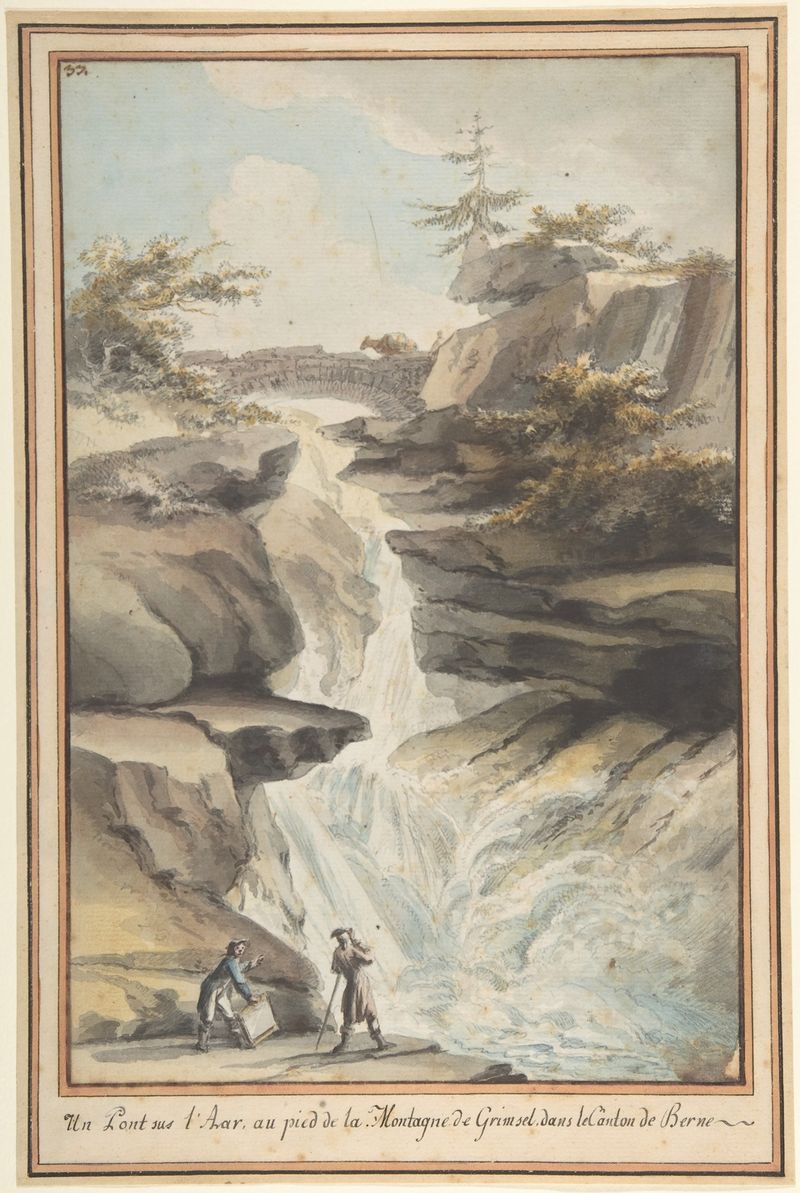
A Bridge on the Aar, at the Foot of the Grimsel, in the Canton of Berne
Caspar Wolf





