
Le jardin de Beaumarchais. — History & Facts
When did color learn to lie? In Le jardin de Beaumarchais, vibrant hues dance across the canvas, yet an unsettling emptiness lingers beneath the surface. Look to the foreground where lush green foliage spills forth, inviting yet deceptive. The delicate brushstrokes breathe life into the leaves, yet they obscure an absence—a garden that feels simultaneously teeming with potential and eerily vacant. Notice how the sunlight filters through the branches, casting dappled shadows that play tricks on your perception, hinting at secrets hidden just out of reach. Within this picturesque scene, a profound dichotomy emerges.
The vibrant blooms, with their rich reds and soft yellows, seem to promise joy, yet their brilliance sharpens the sting of solitude. The garden, once a sanctuary, now becomes a mirror reflecting the viewer's own isolation. The meticulous details of the flora contrast starkly with the barren paths winding through them, inviting contemplation on the nature of beauty and loss. In 1834, while painting this piece, Bénard was rooted in Paris, where the romantic movement was gaining momentum.
He navigated the shifting tides of artistic expression amidst a burgeoning fascination with nature and emotion. This period was marked by a collective yearning for connection, even as the industrial revolution began to encroach upon the natural world—a tension that resonates through the layers of this garden scene.
More Artworks by Auguste-Sébastien Bénard
Browse all →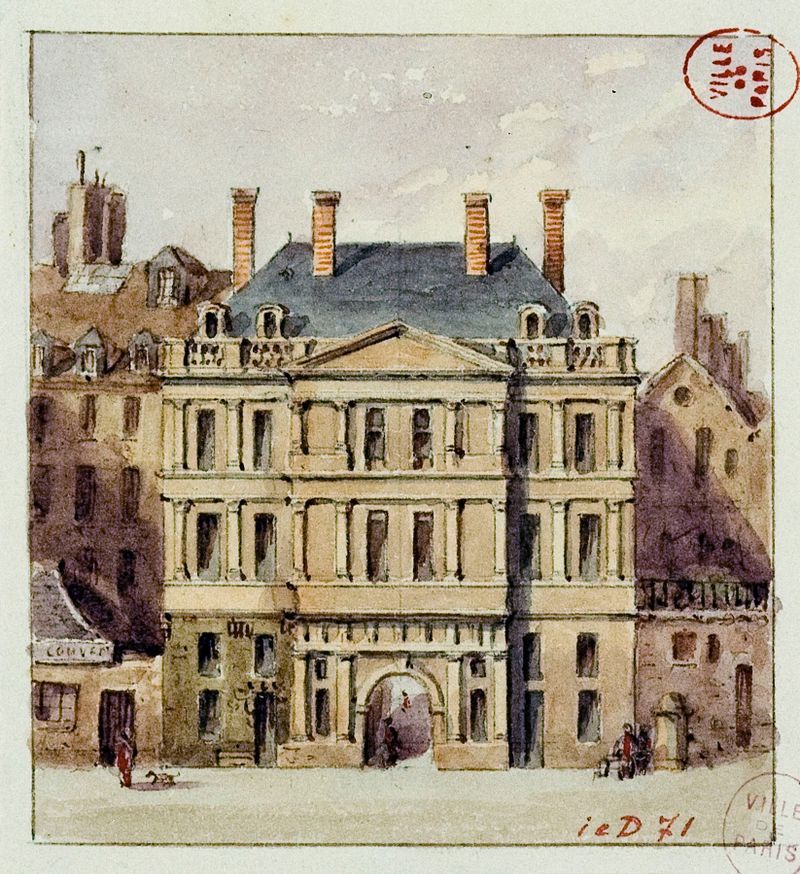
Cour de la Sainte Chapelle.
Auguste-Sébastien Bénard
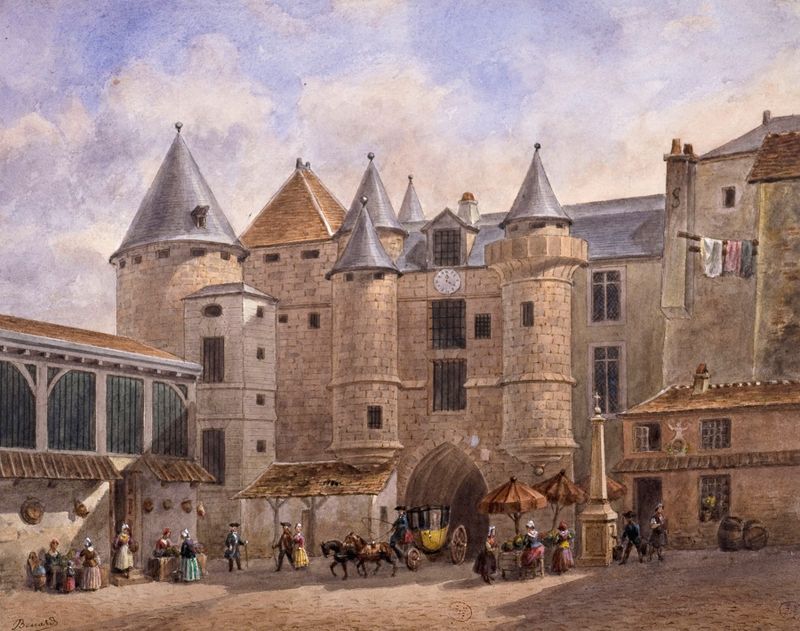
Le Grand Châtelet du XVIIIème siècle.
Auguste-Sébastien Bénard

Place de l’Hôtel de Ville.
Auguste-Sébastien Bénard

Salle souterraine du Palais de Justice.
Auguste-Sébastien Bénard

Voûtes du quai de Gesvres
Auguste-Sébastien Bénard

Monument expiatoire élevé à la mémoire du duc de Berry, à l’emplacement de l’ancien Opéra
Auguste-Sébastien Bénard
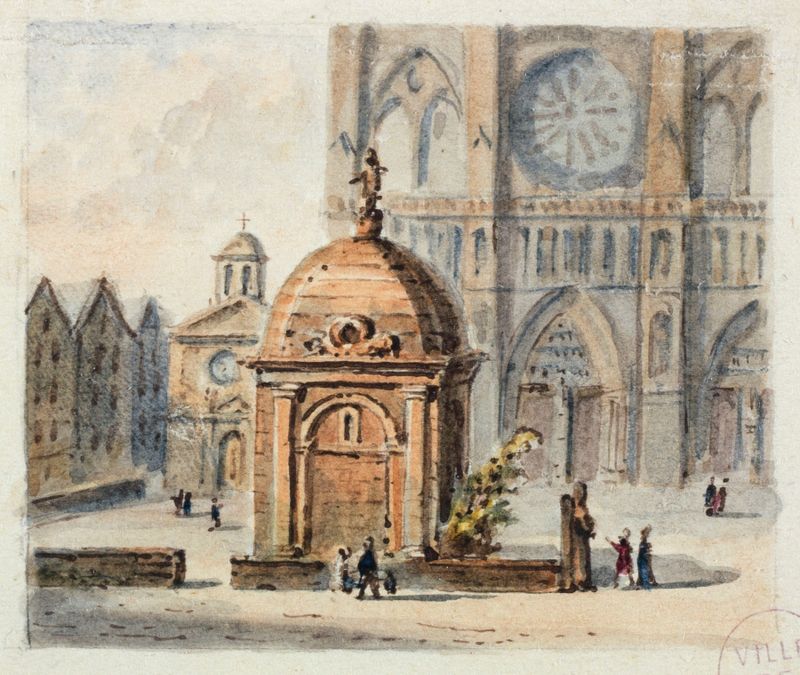
Le parvis de Notre-Dame de Paris
Auguste-Sébastien Bénard

Rue des chantres (entre le quai aux fleurs et la rue Chanoinesse).
Auguste-Sébastien Bénard

L’entrée de l’ancienne forteresse du Grand Châtelet, un jour de Carnaval
Auguste-Sébastien Bénard
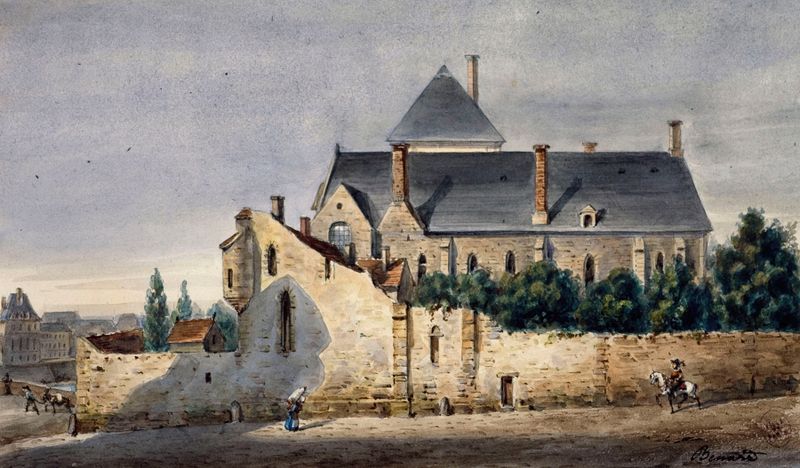
Les restes des bâtiments de l’hôtel du Petit Bourbon.
Auguste-Sébastien Bénard





