Le Journal publie La Traite des Blanches — History & Facts
A swirl of spectacle and menace draws the eye immediately: the rakish figure in white, hands sunk deep in his pockets, dominates the scene with a smirk that is all calculation. Around him, three women form a tableau of alarm and resignation—one recoils with open-mouthed shock, another stares blankly, and a third lies collapsed in the foreground, her golden hair spilling across the red banner like a warning. The bold, looping letters of La Traite des Blanches anchor the drama, while the palette—creamy whites, lurid reds, and inky blacks—pushes the figures forward, trapping them under the gaze of the viewer.
Steinlen’s lines are quick and knowing, each gesture a clue: the man’s swagger, the women’s vulnerability, the sharp contrast between upright and fallen bodies. The poster’s composition is a trap itself, luring passersby with the promise of scandal and the thrill of forbidden knowledge. Created in 1899, this work belongs to a fevered moment in Parisian print culture, when illustrated posters were both street art and urgent advertisement. The subject—white slavery, or the trafficking of women—was a topic that gripped the public and sold newspapers, as headlines raced to outdo one another in sensation.
Le Journal promises at least six pages a day, touting its serial novel by Dubut de Laforest, and Steinlen’s design makes clear the stakes: the press as both watchdog and showman. Commissioned for the boulevards and printed by Charles Verneau, this affiche now resides in the Bibliothèque nationale de France, a survivor of an age when the boundaries between news, fiction, and spectacle were as porous as the paper it was printed on. Look again at the faces—each one a question about who is watching, and who is watched.
More Artworks by Théophile Alexandre Steinlen

Village et charrette
Théophile Alexandre Steinlen
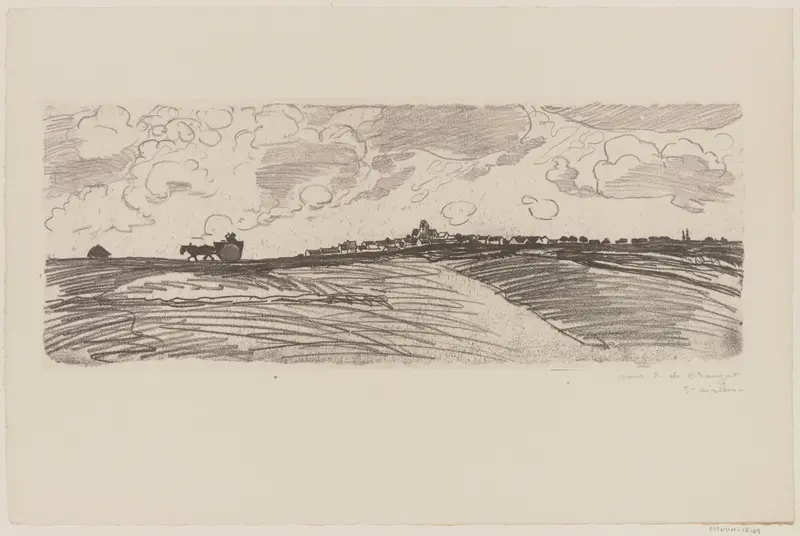
Village et charrette
Théophile Alexandre Steinlen
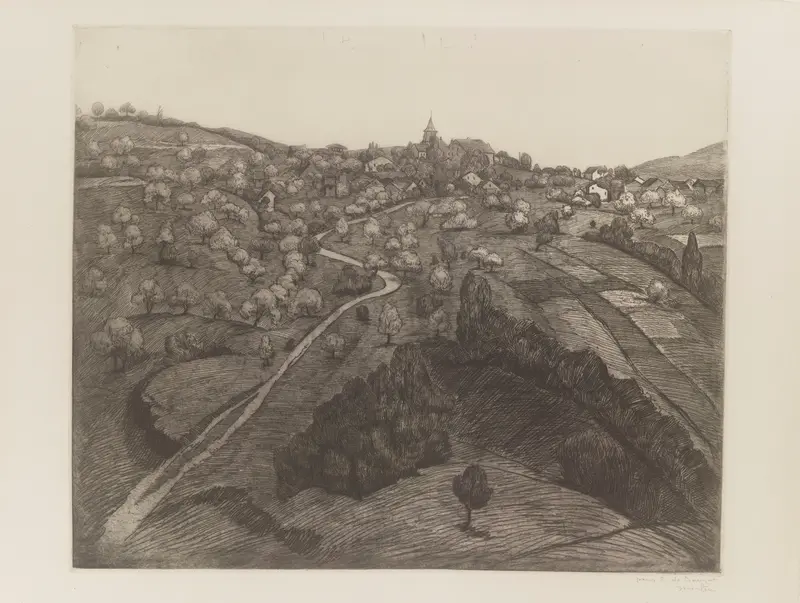
Vue de Belmont, près de Lausanne
Théophile Alexandre Steinlen
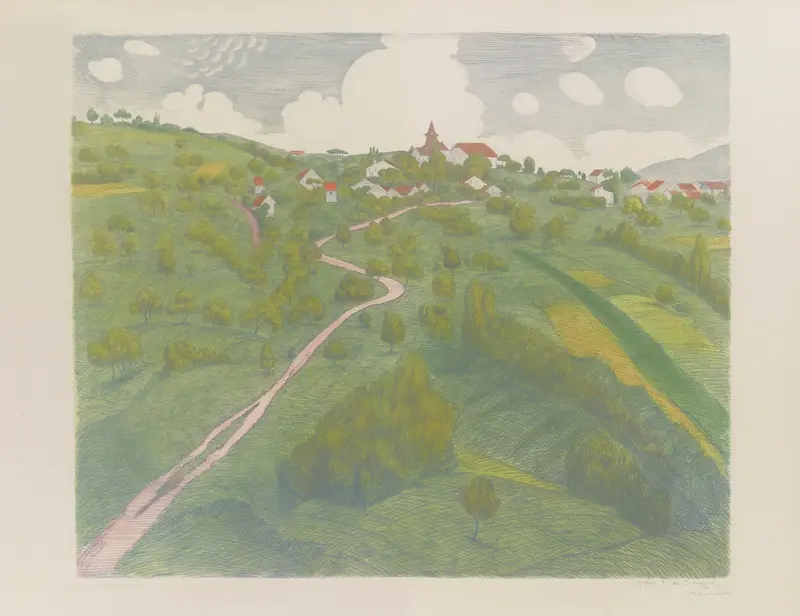
Vue de Belmont, près de Lausanne
Théophile Alexandre Steinlen
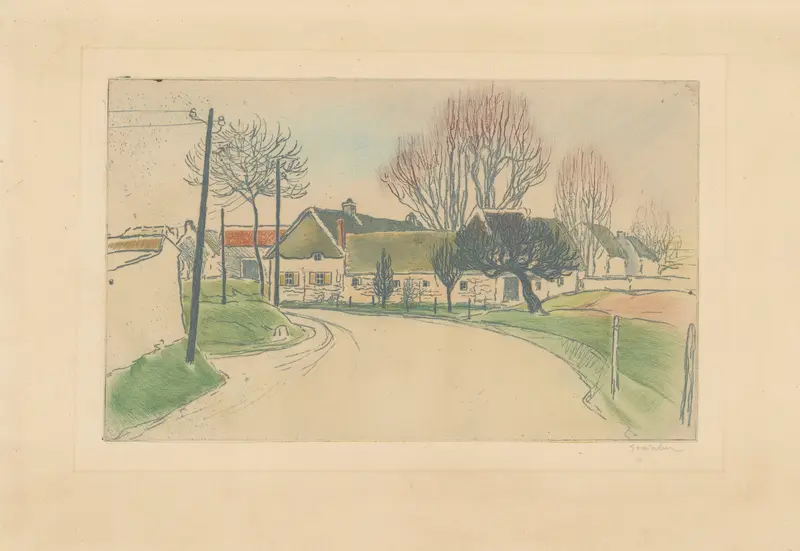
La maison à l’entrée du village
Théophile Alexandre Steinlen
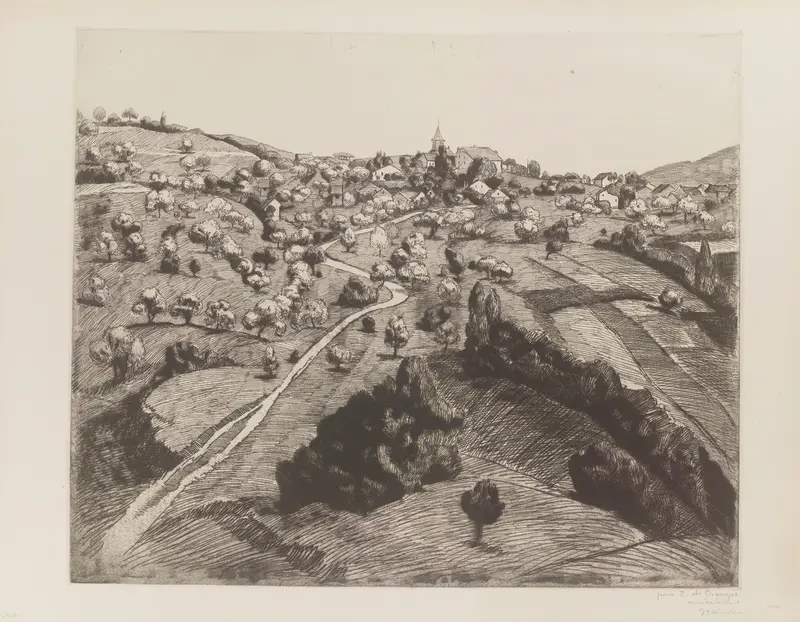
Vue de Belmont, près de Lausanne
Théophile Alexandre Steinlen
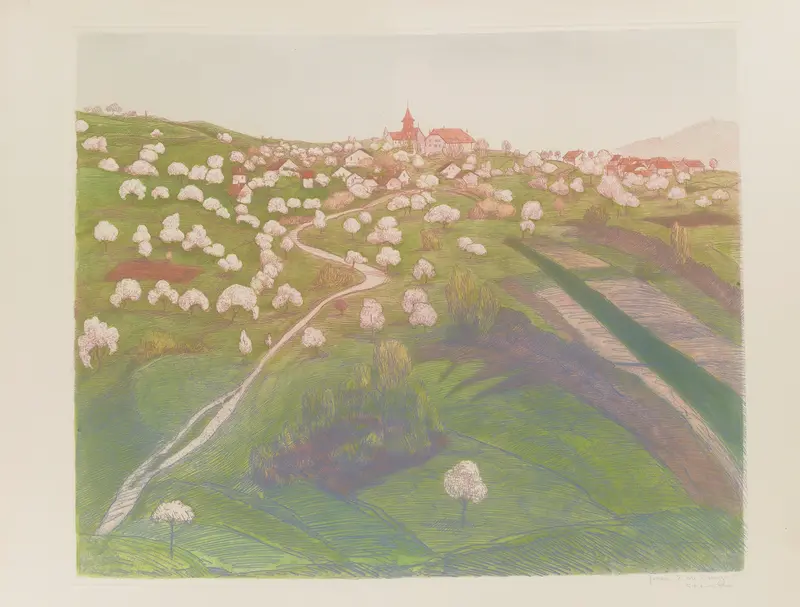
Vue de Belmont, près de Lausanne, n° 2
Théophile Alexandre Steinlen
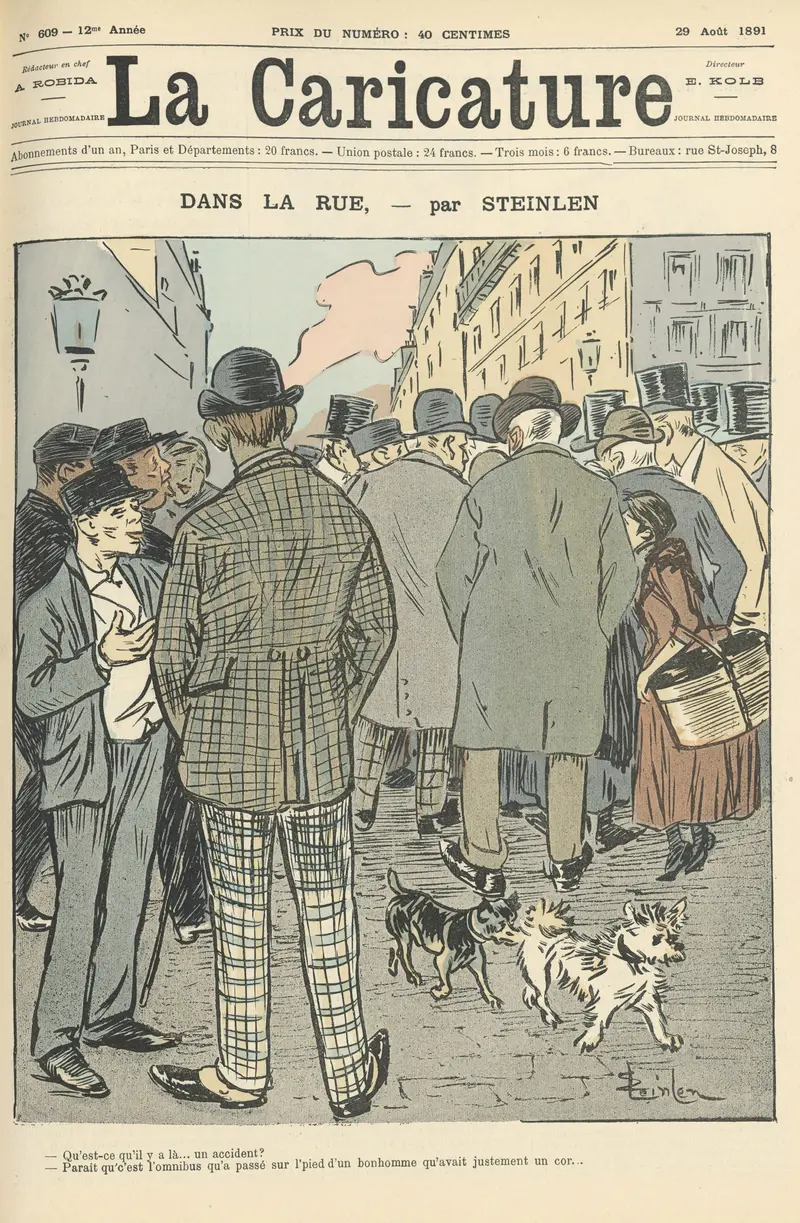
Dans la rue (La Caricature, 29 août 1891)
Théophile Alexandre Steinlen
Dans la vie
Théophile Alexandre Steinlen
The Laundresses
Théophile Alexandre Steinlen