
Le Marché aux Pommes — History & Facts
In Le Marché aux Pommes, the fleeting beauty of a simple market scene invites contemplation on the divine in everyday life. Look to the left at the vibrant array of apples, their glistening red and green hues almost beckoning you to reach out and touch them. The artist employs a delicate interplay of light and shadow, with dappled sunlight filtering through an unseen canopy, casting playful highlights that dance across the fruit. The figures, rendered with a gentle precision, create a rhythmic composition that leads the eye through the scene, effortlessly connecting the market's vibrancy with its bustling life. Within the stillness of this moment lies a deeper contrast between abundance and transience.
The apples symbolize not just nourishment but the passage of time — ripe and ready to be plucked, yet destined to decay. The serene expressions of the vendors juxtaposed with the animated exchanges of buyers speak to a collective longing for connection, a reminder of the simple joys that often go overlooked. Each detail, from the woven baskets to the soft folds of the cloth, whispers of an intimate community that thrives in the present yet is always under the shadow of impermanence. Auguste Louis Lepère painted this work in 1890, during a period when Paris was undergoing significant transformations influenced by the Impressionist movement.
He was immersed in the vibrant artistic community of the time, exploring the beauty of daily life with a focus on printmaking and its revival. This piece reflects not just a moment in a market, but a timeless snapshot of a world where art serves as both a memory and a celebration of existence itself.
More Artworks by Auguste Louis Lepère
Browse all →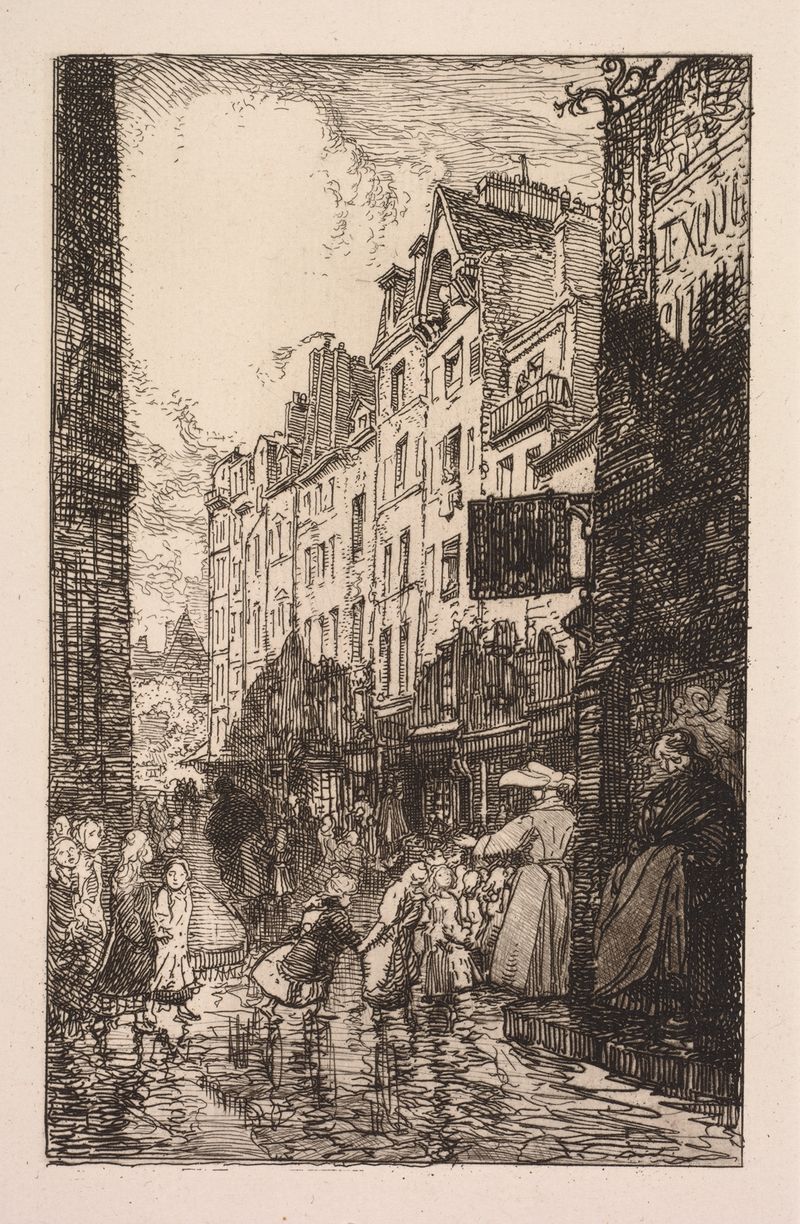
La Rue des Prêtres Saint-Séverin
Auguste Louis Lepère
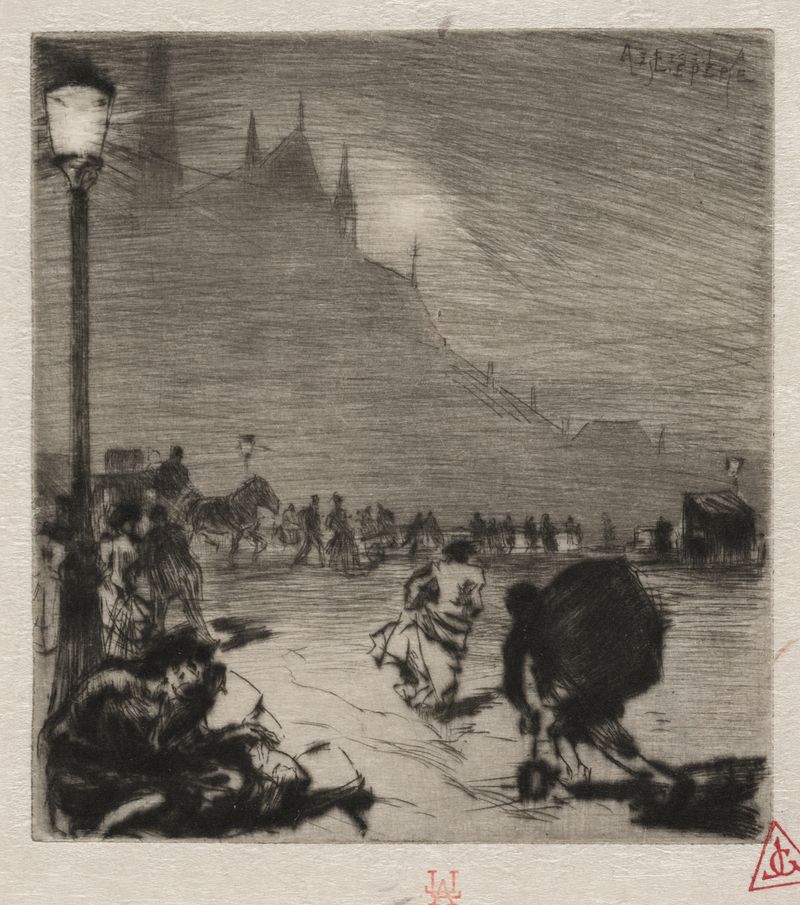
Au Coin du Pont-aux-Doubles
Auguste Louis Lepère
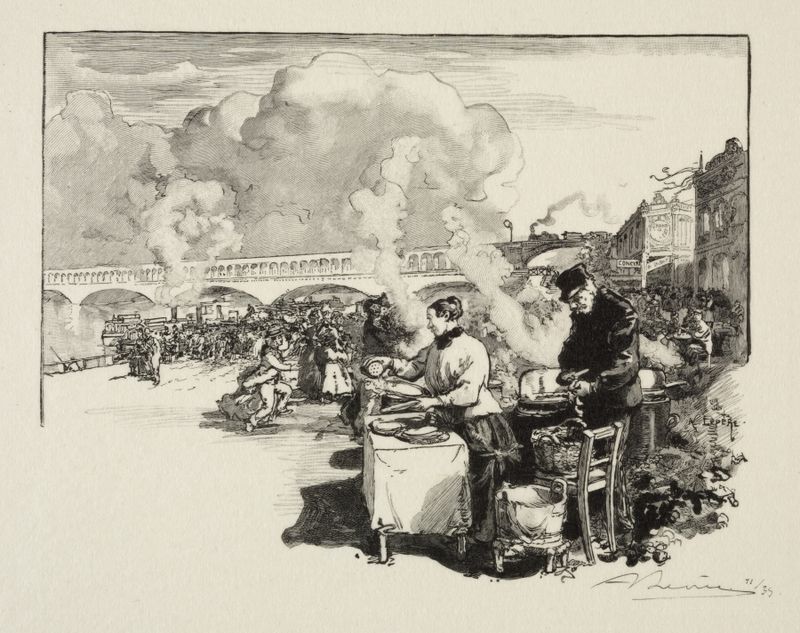
Debarcadère des bateaux-omnibus
Auguste Louis Lepère

La Seine, au quai de la Rapée
Auguste Louis Lepère
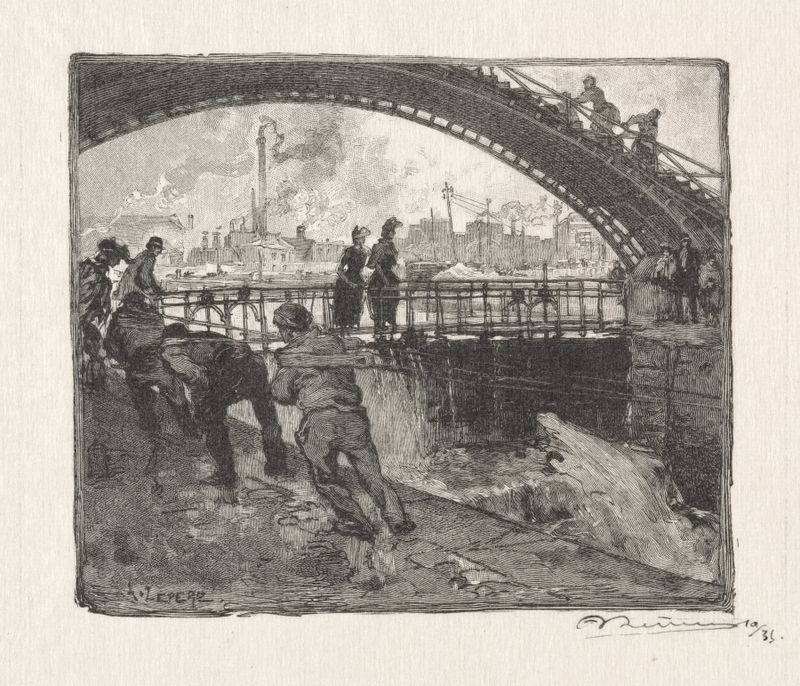
L’Ecluse du Canal St. Martin
Auguste Louis Lepère

Le Boulevard Montmartre, le Soir
Auguste Louis Lepère

Une Chasse au Mont Gérard
Auguste Louis Lepère
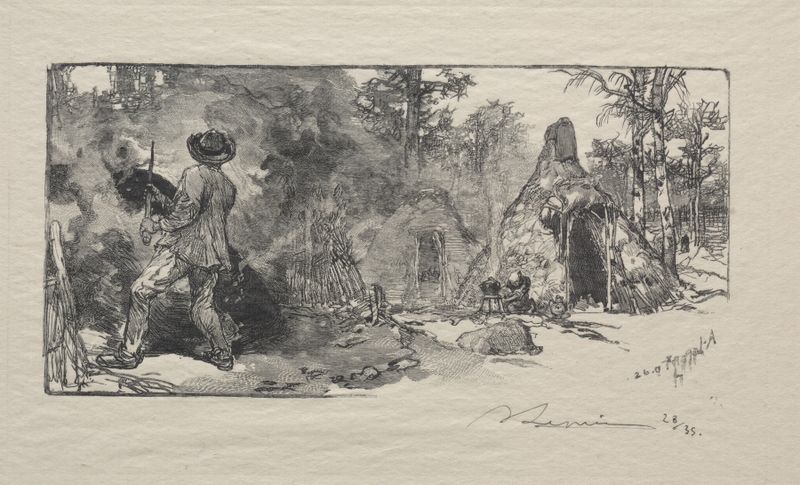
Les Charbonniere
Auguste Louis Lepère
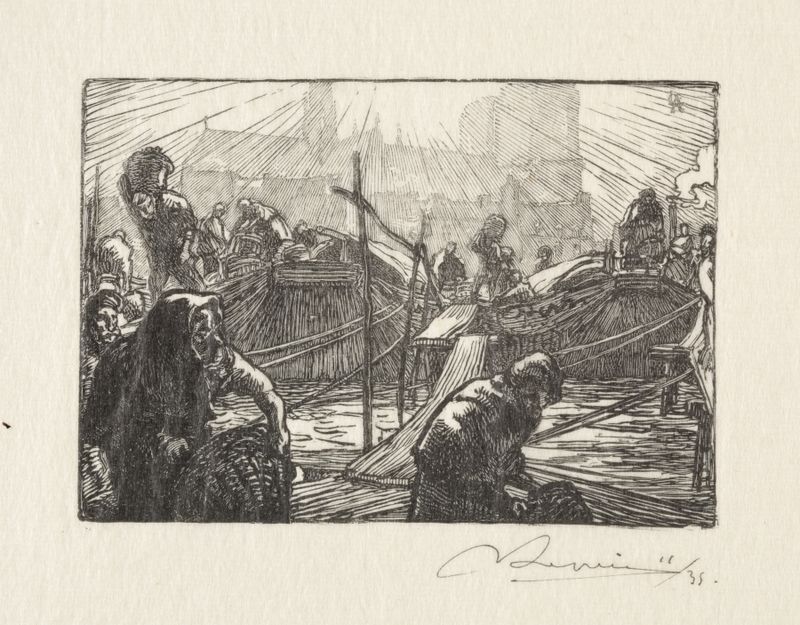
Notre Dame vue du Marché aux pommes
Auguste Louis Lepère

Le Palais des Arts Liberaux, Intèrieur
Auguste Louis Lepère





