
Le marché de Ploudalmézeau — History & Facts
In the vibrant chaos of a bustling market, one can sense the awakening of life—an intricate dance of humanity laden with the freshness of produce and the warmth of engagement. Look to the left where a cluster of women, their dresses a riot of color, weave through the stalls, their animated gestures a testament to shared stories and commerce. Notice how the sunlight spills over the scene, illuminating the array of fruits and vegetables, casting gentle shadows that pulse with the rhythm of the day. Lhermitte’s brushwork captures the energy of the market, inviting you to breathe in the air filled with the scent of earth and labor. Yet, beneath this bustling exterior lies a tension—a contrast between the vibrancy of life and the silent stories of each figure.
The furrowed brows of the vendors hint at struggles and resilience, while the jovial laughter echoes the unyielding spirit of community. Each layer of color tells a story, suggesting both the joy of connection and the weight of existence. The harmonious cacophony becomes a mirror of human experience, reflecting both celebration and hardship. In 1875, Lhermitte painted this scene during a period of significant social change in France, where the echoes of industrialization were reshaping daily life.
Working primarily in Paris, his focus at this time was on capturing the essence of rural life juxtaposed against the backdrop of urban advancement. The artist’s ability to convey these moments of humanity set the stage for a deeper understanding of the socio-economic landscape of the era, making this piece an essential reflection of its time.
More Artworks by Léon Augustin Lhermitte
Browse all →
The Harvesters
Léon Augustin Lhermitte
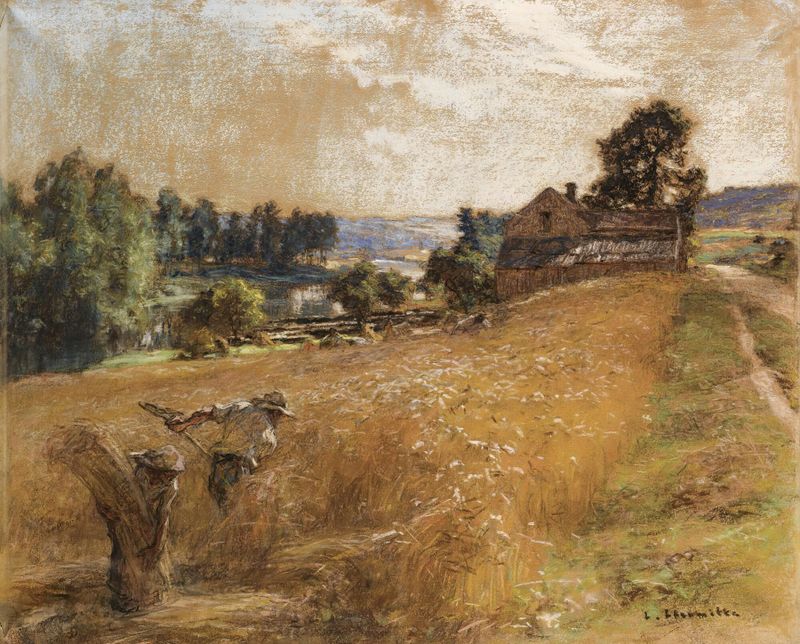
La Fenaison
Léon Augustin Lhermitte
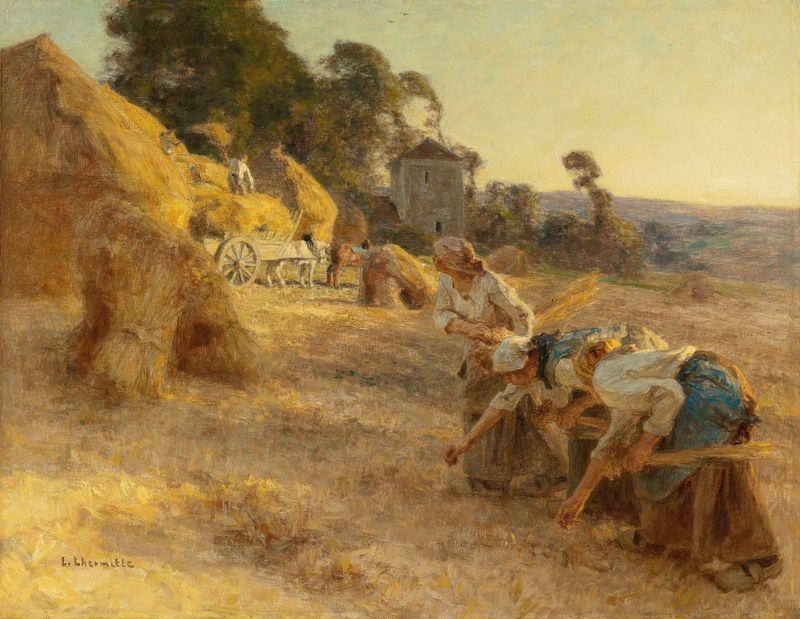
Glaneuses En Avant De Vieilles Meules
Léon Augustin Lhermitte
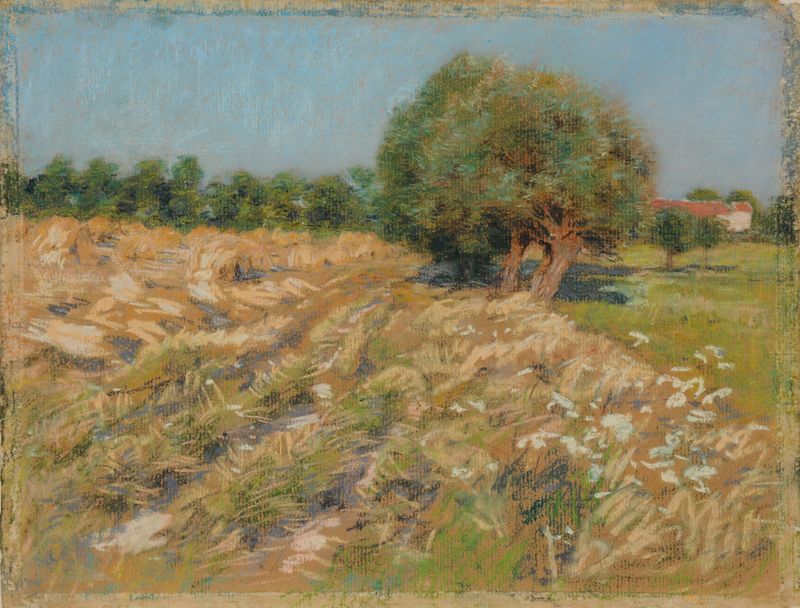
Le chemin de la ferme
Léon Augustin Lhermitte
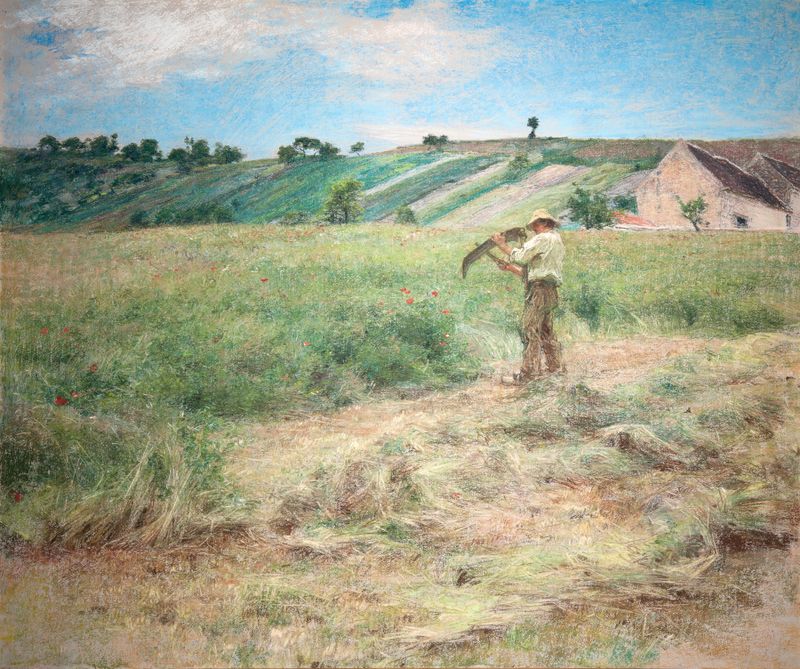
Haymaking
Léon Augustin Lhermitte
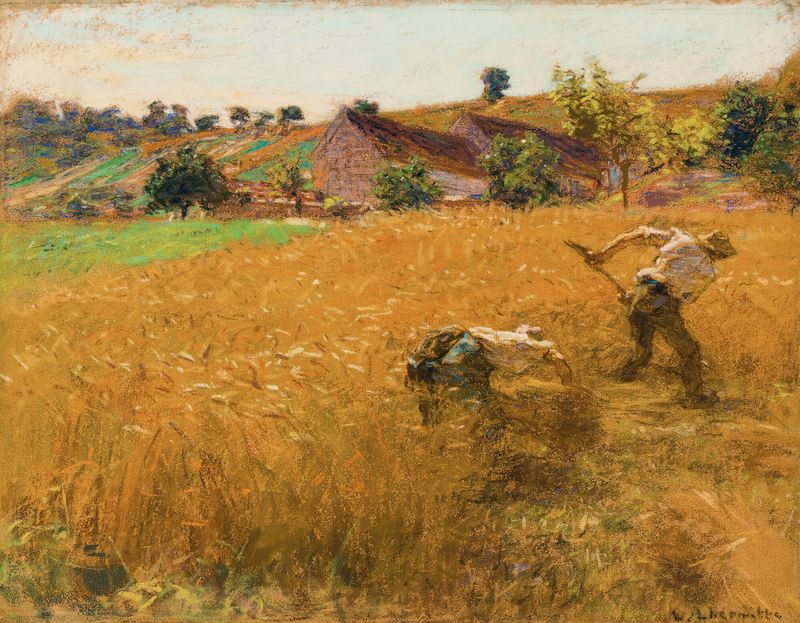
La Moisson
Léon Augustin Lhermitte
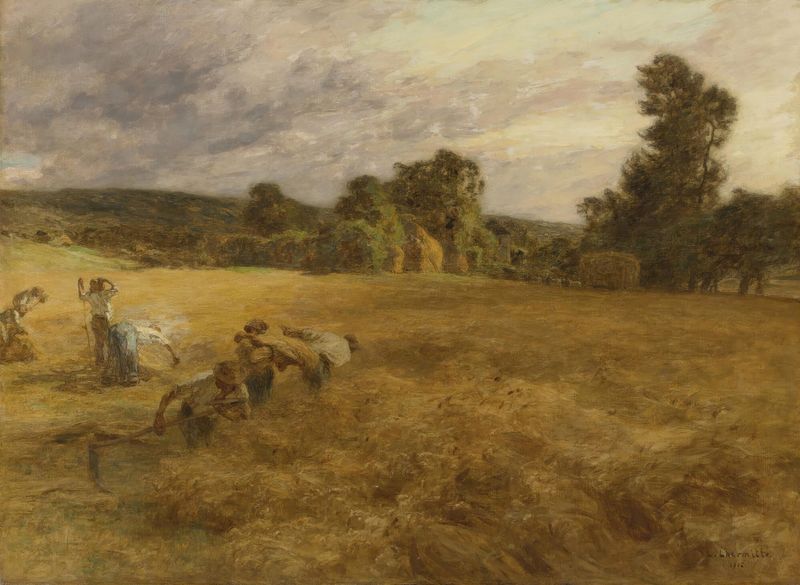
L’orage En Moisson
Léon Augustin Lhermitte
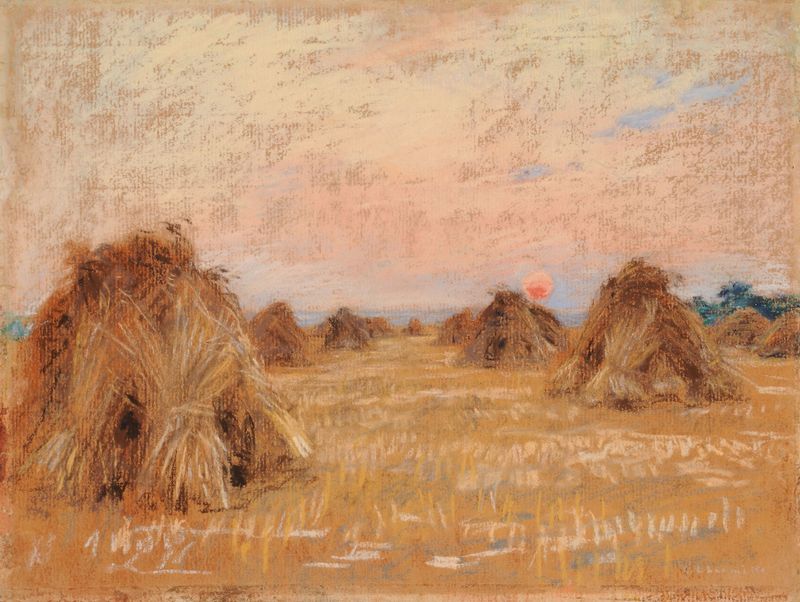
Fin de journée
Léon Augustin Lhermitte
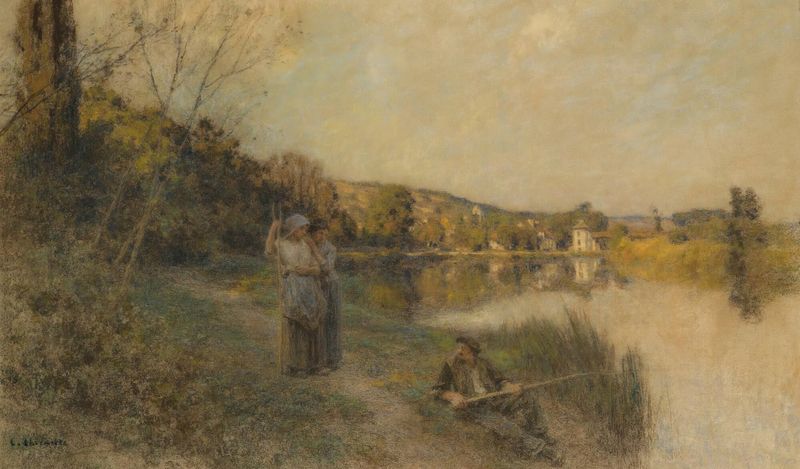
Fin De Belle Journee, Soleil Couchant, Pecheur
Léon Augustin Lhermitte

Quai au Sable, Chartèves
Léon Augustin Lhermitte





