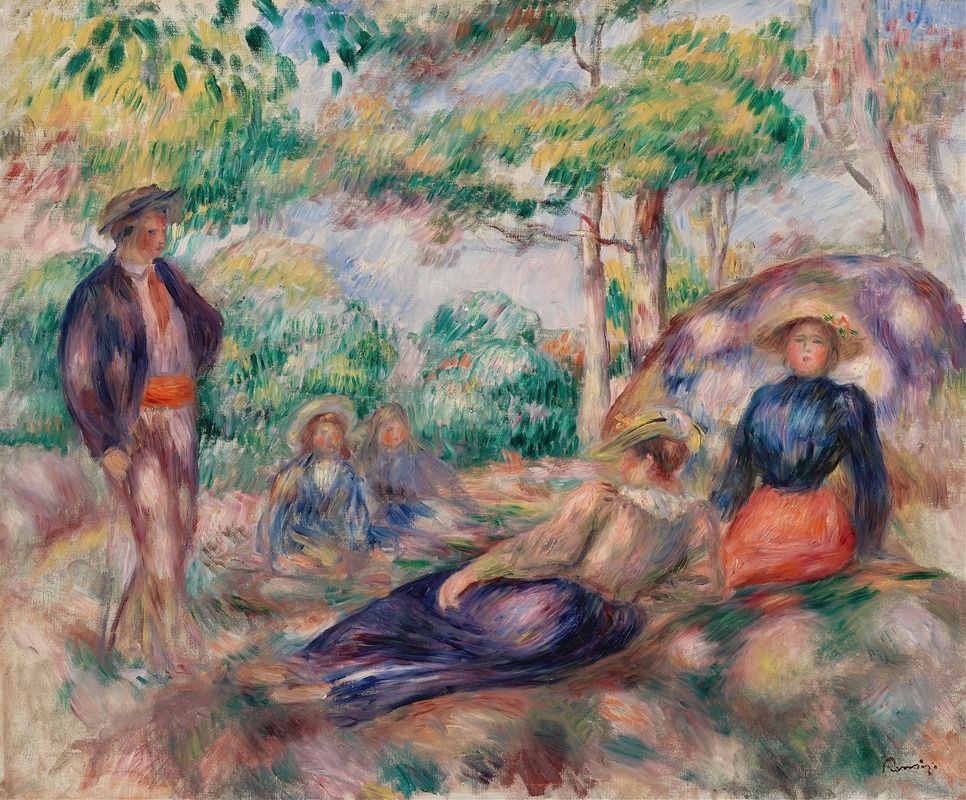
Discover insights about this artwork
Le Marchand De Marionnettes — History & Facts
In Le Marchand De Marionnettes, Francisco de Goya presents a lively scene filled with color. The painting features a puppet merchant surrounded by various puppets, creating a sense of movement and interaction. Bright reds, yellows, and greens dominate the palette, enhancing the vibrancy of the setting.
The figures are expressive, capturing the attention of the viewer and drawing them into the scene. The painting is executed in oil on canvas, a medium that allows for rich color and texture. Goya's brushwork is loose yet deliberate, giving life to the figures and their surroundings. The composition is dynamic, with the puppets and merchant arranged in a way that guides the viewer's eye through the work.
This piece exemplifies Goya's ability to blend realism with a touch of whimsy. Francisco de Goya was a prominent Spanish painter known for his diverse body of work. Le Marchand De Marionnettes reflects his interest in popular culture and entertainment during the late 18th century. An interesting fact about this painting is that it showcases Goya's transition from the Rococo style to a more personal and expressive approach.
This work is a testament to his innovative spirit and keen observation of society.
More Artworks by Francisco de Goya
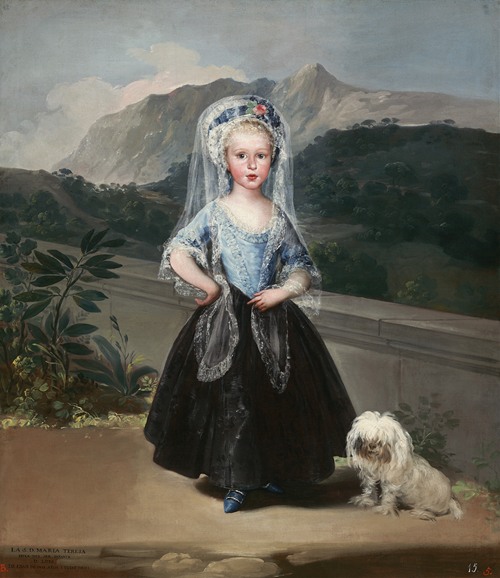
María Teresa de Borbón y Vallabriga,later Condesa de Chinchón
Francisco de Goya
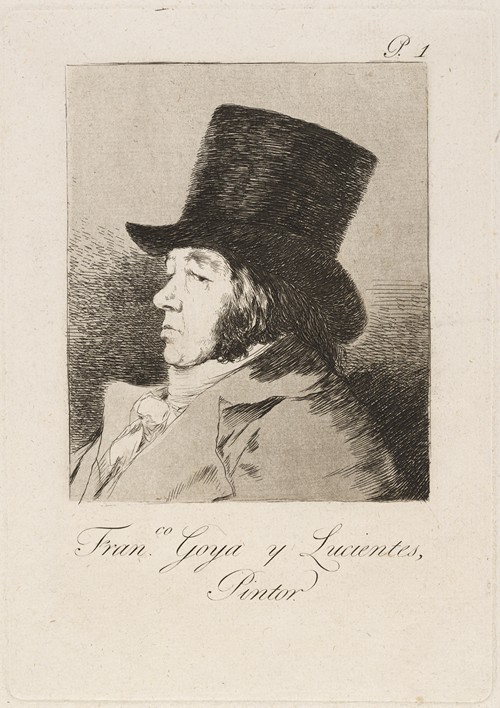
Francisco Goya y Lucientes, Pintor (Francisco Goya y Lucientes, painter)
Francisco de Goya
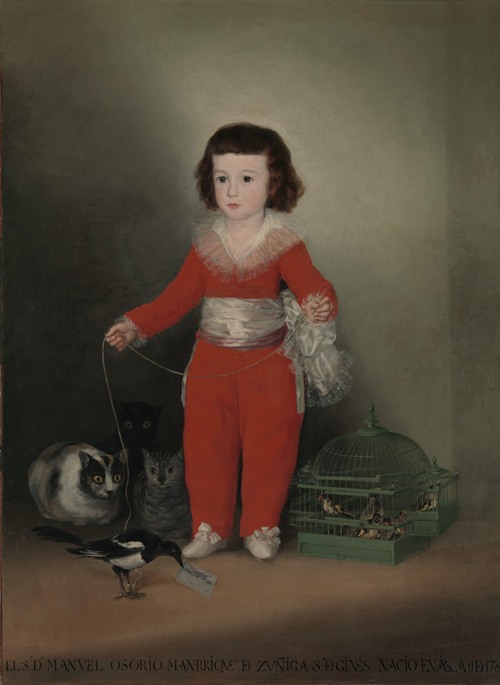
Manuel Osorio Manrique de Zuñiga (1784–1792)
Francisco de Goya
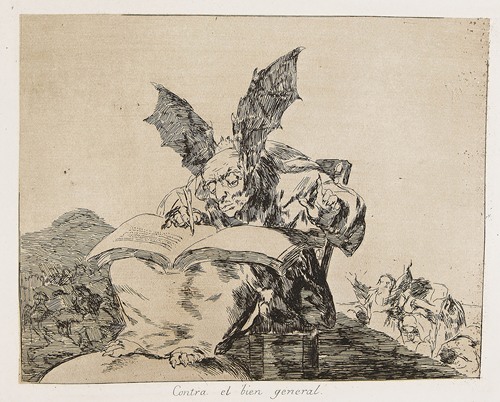
Los desastres de la guerra
Francisco de Goya
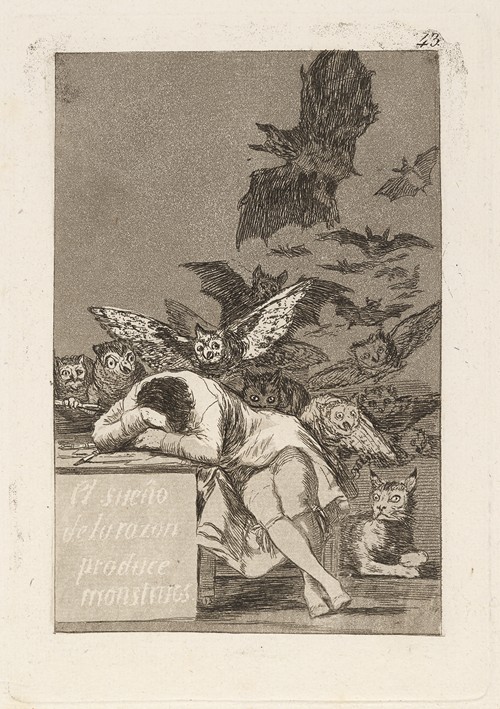
El sueño de la razon produce monstruos. (The sleep of reason produces monsters.)
Francisco de Goya
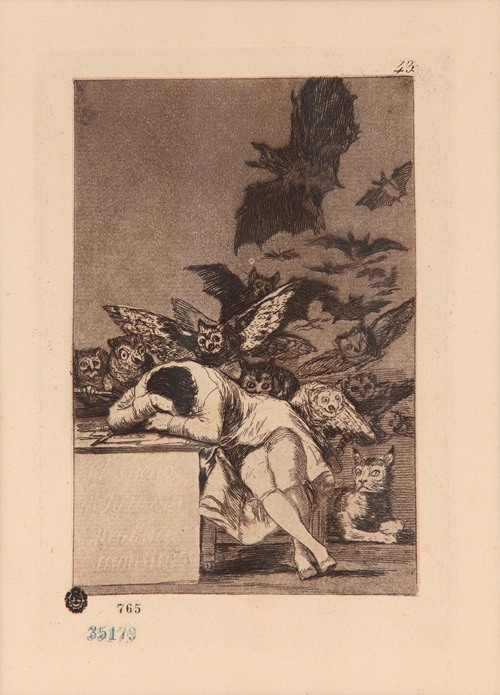
El sueño de la razon produce moustruos (Serie Caprichos)
Francisco de Goya
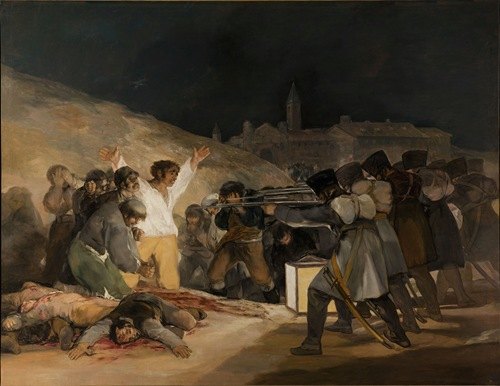
The Third of May
Francisco de Goya
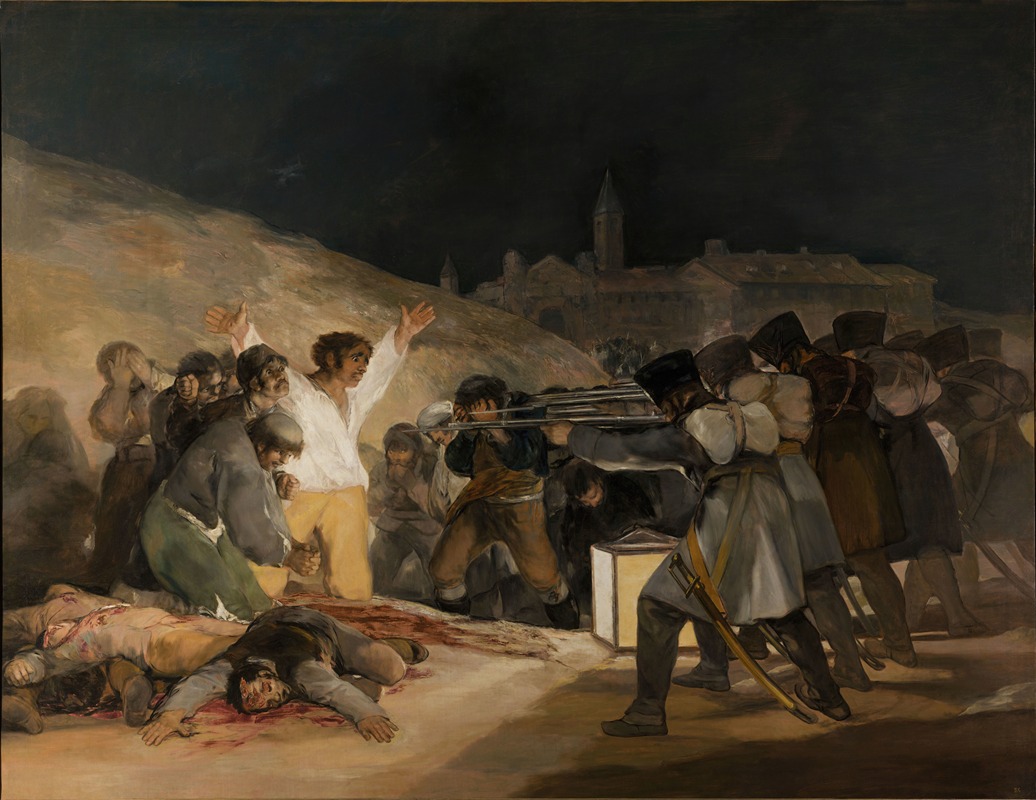
The Third of May 1808
Francisco de Goya
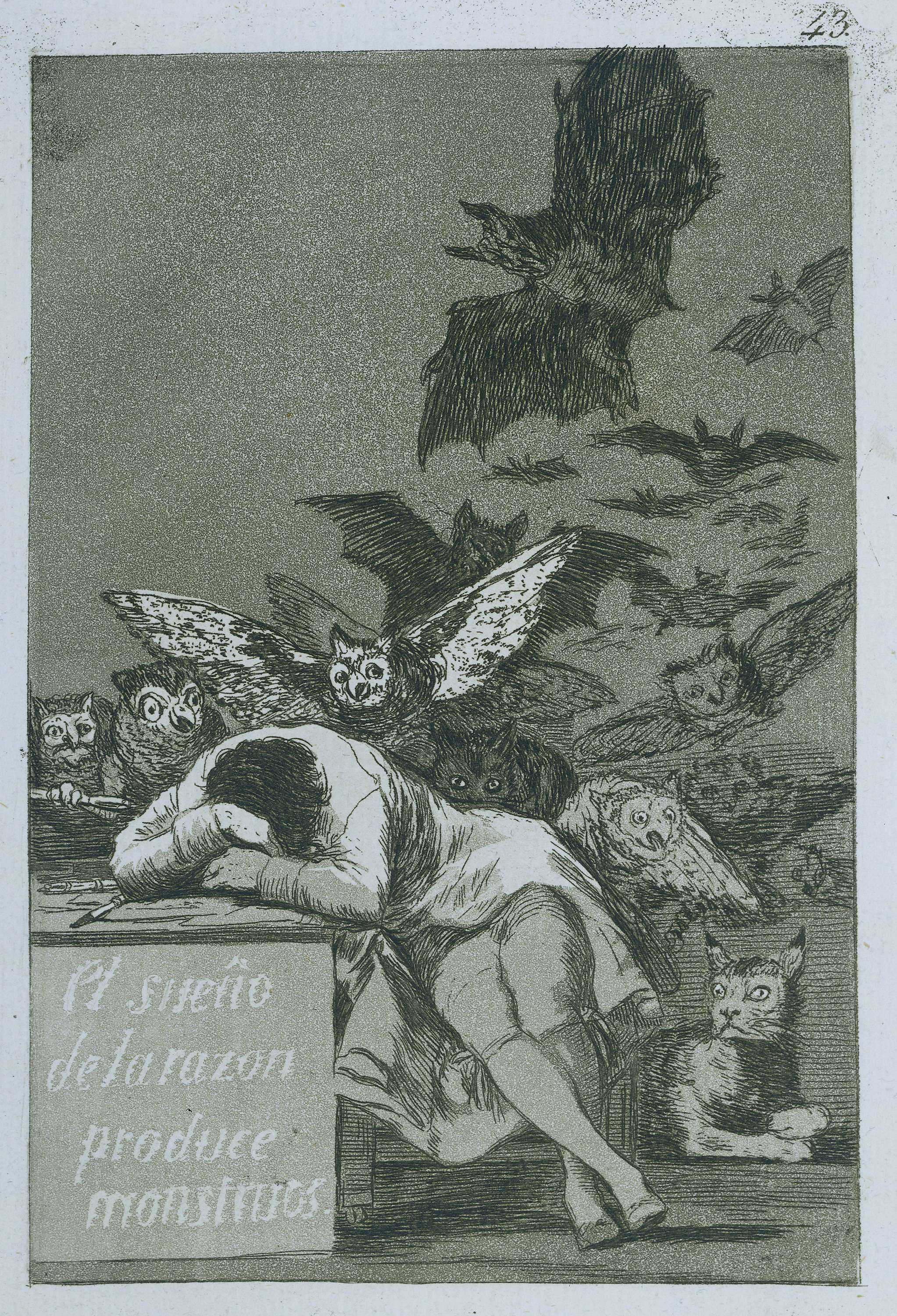
De slaap van de rede brengt monsters voort
Francisco de Goya
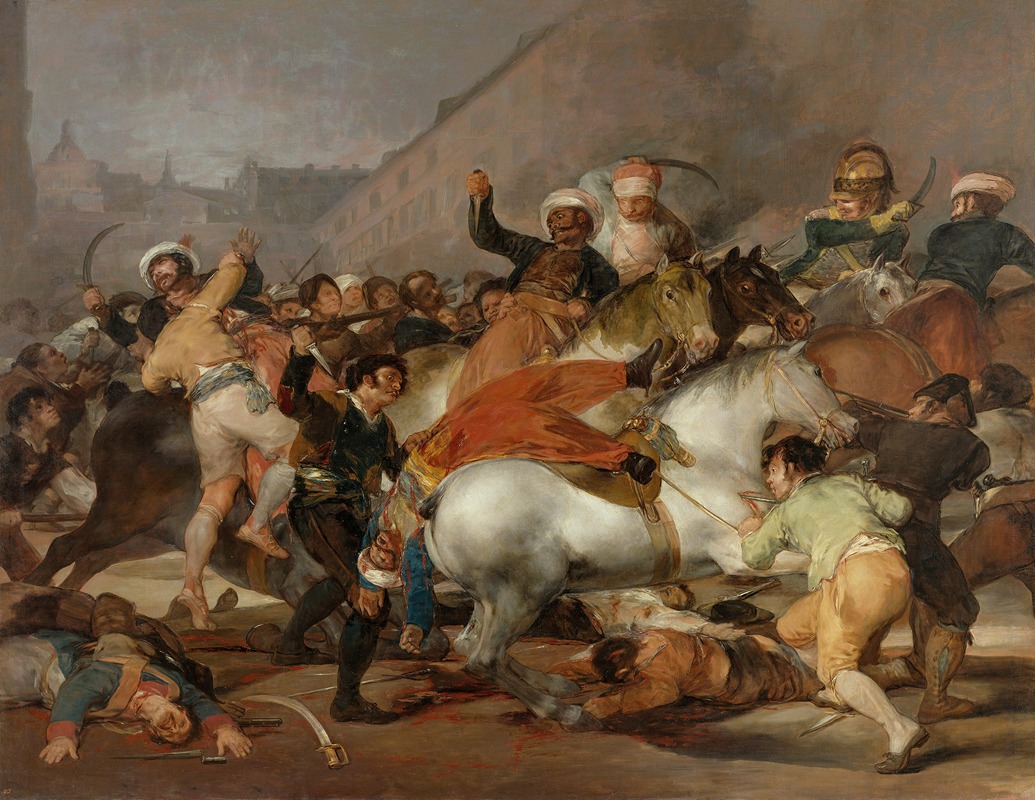
The Charge of the Mamelukes (1814)
Francisco de Goya