
Le Père Desmarets — History & Facts
When Jean Auguste Dominique Ingres painted Le Père Desmarets in 1805, he was just twenty-four and newly arrived in Paris, still striving for recognition. The sitter, Pierre-François Desmarets, was not a nobleman or a celebrity, but rather a humble municipal official and, crucially, the father of Ingres’s close friend and fellow artist, Jean Desmarets. This portrait is among the earliest surviving examples of Ingres’s private commissions, revealing the young painter’s ambition to prove himself outside the academic competitions that dominated the Parisian art world.
Its quiet intensity and psychological depth would later be recognized as hallmarks of Ingres’s mature style. Seated in a simple chair, Père Desmarets gazes out with a directness that is both gentle and searching. Ingres captures the sitter at rest, hands folded, eyes alert beneath heavy brows, the faintest suggestion of a smile at the corners of his mouth. The sparse background and subdued palette focus all attention on the man’s face, where the soft modeling of flesh and precise rendering of hair anticipate the meticulous realism Ingres would bring to later portraits such as Monsieur Bertin.
Unlike the grand, theatrical poses favored by Jacques-Louis David, Ingres’s teacher, here the drama is internal: the sitter’s calm presence and modest dress speak of dignity earned through a lifetime of work rather than inherited status. The painting’s early history is not well documented, but it likely remained in the Desmarets family for some time, cherished as a personal likeness rather than a public statement. As Ingres’s reputation grew, works like Le Père Desmarets were sought out by collectors eager to trace the evolution of his style. Today, the portrait is valued not only as a rare glimpse into Ingres’s formative years but also as a testament to the intimate, unsung relationships that shaped his art.
Its survival offers a window onto the world of early nineteenth-century Paris, where ambition, friendship, and the quiet dignity of everyday life found their place on canvas.
More Artworks by Jean Auguste Dominique Ingres
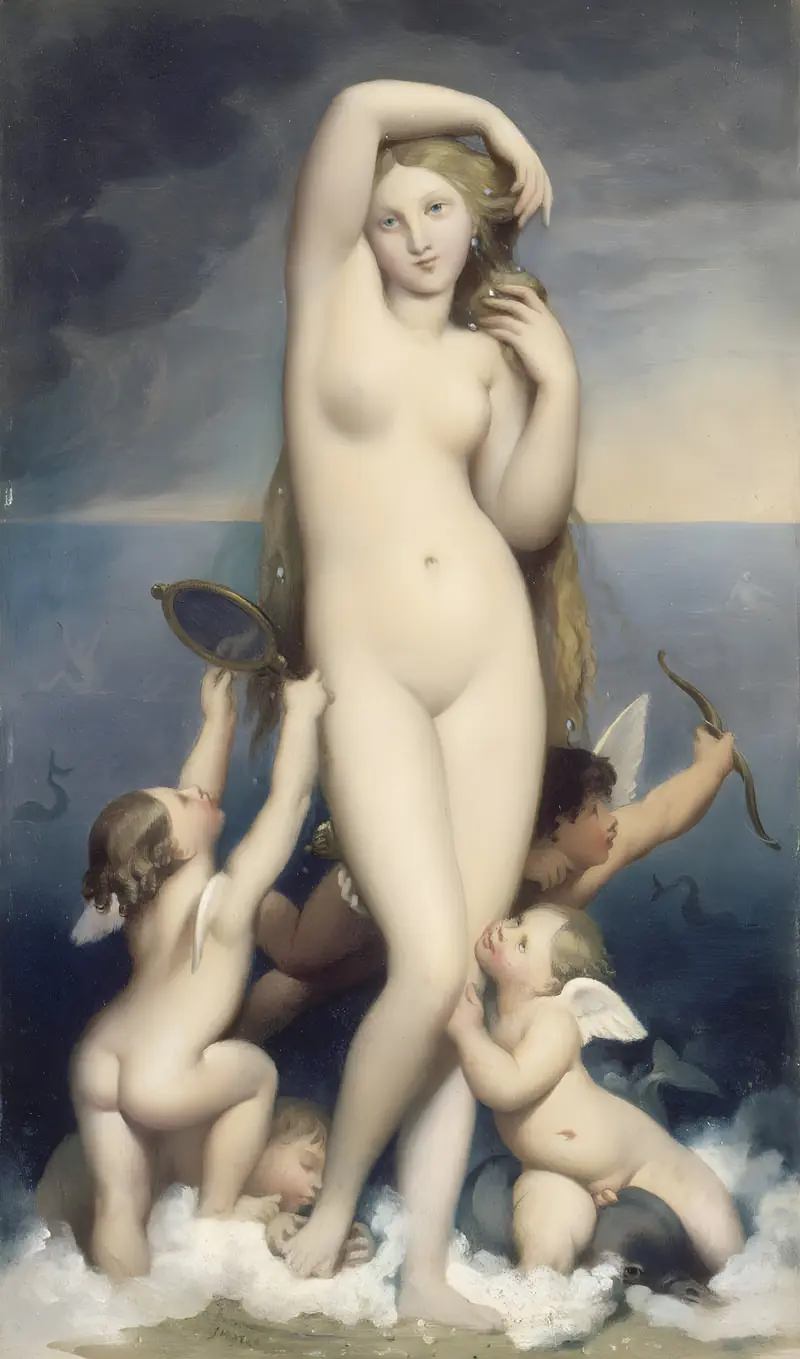
Vénus anadyomène
Jean Auguste Dominique Ingres
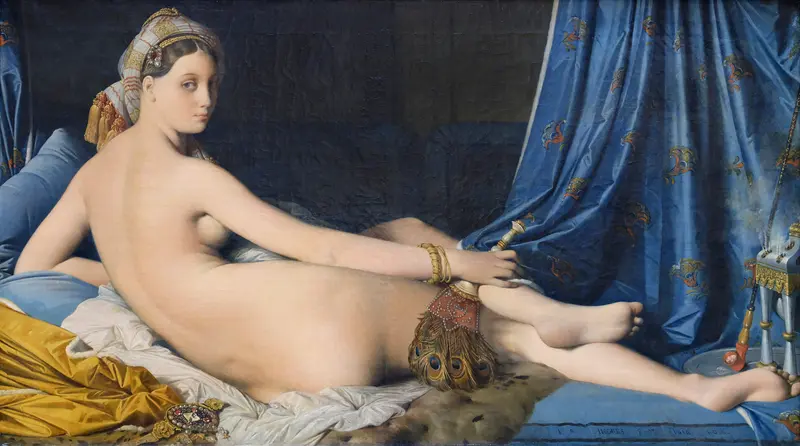
Grande Odalisque
Jean Auguste Dominique Ingres
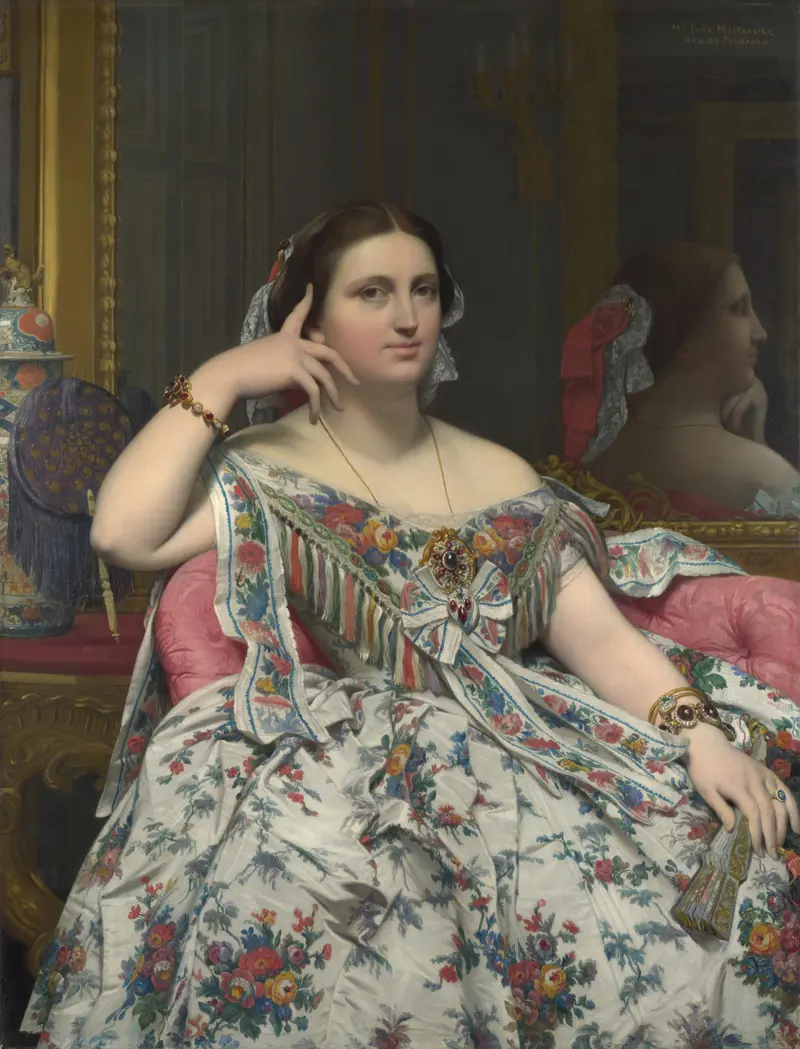
Madame Moitessier (seated)
Jean Auguste Dominique Ingres
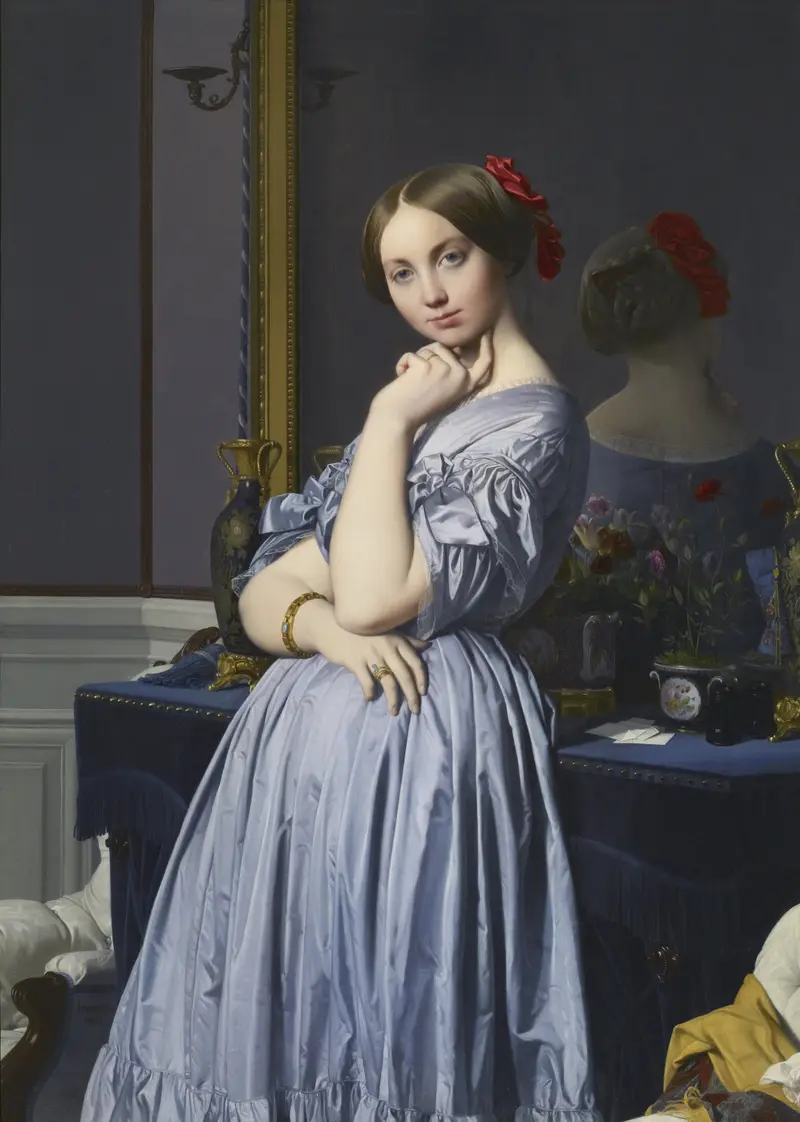
Portrait of Comtesse d’Haussonville
Jean Auguste Dominique Ingres
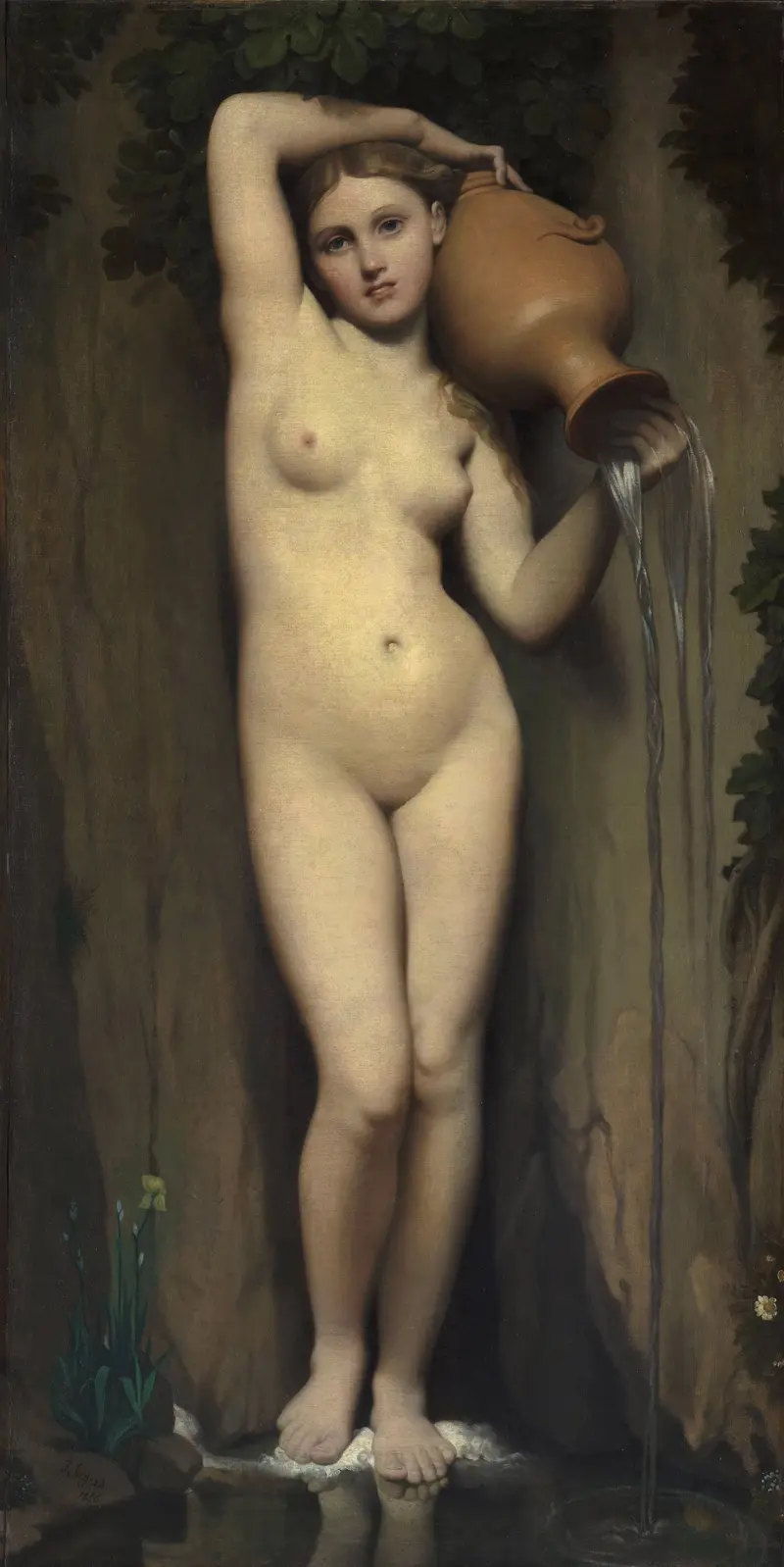
The Source
Jean Auguste Dominique Ingres
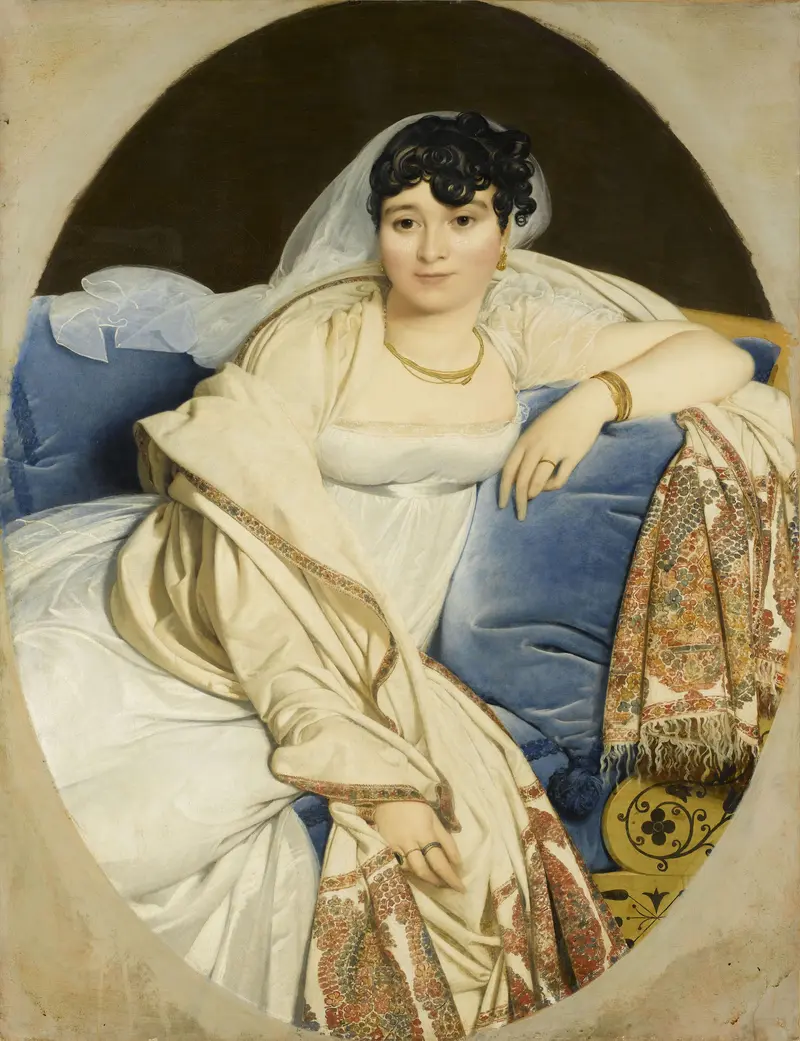
Madame Rivière
Jean Auguste Dominique Ingres

Madame Jean-Auguste-Dominique Ingres, née Madeleine Chapelle
Jean Auguste Dominique Ingres

Portrait of a Lady
Jean Auguste Dominique Ingres
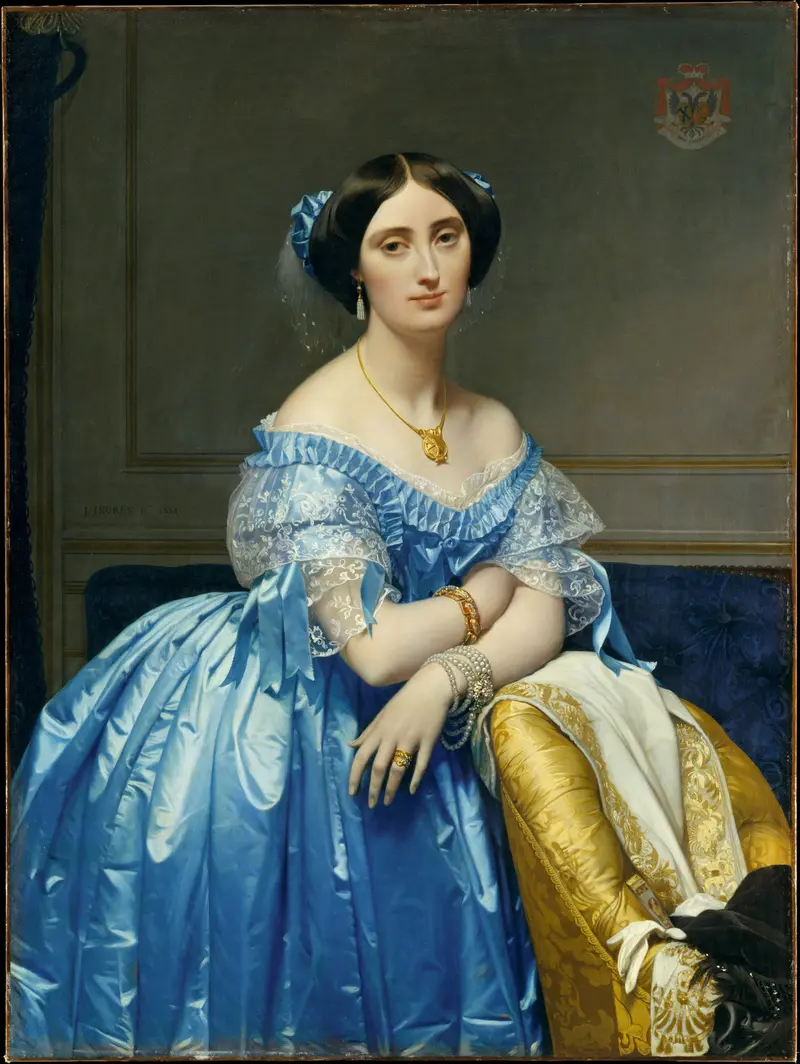
Joséphine-Éléonore-Marie-Pauline de Galard de Brassac de Béarn (1825–1860), Princesse de Broglie
Jean Auguste Dominique Ingres
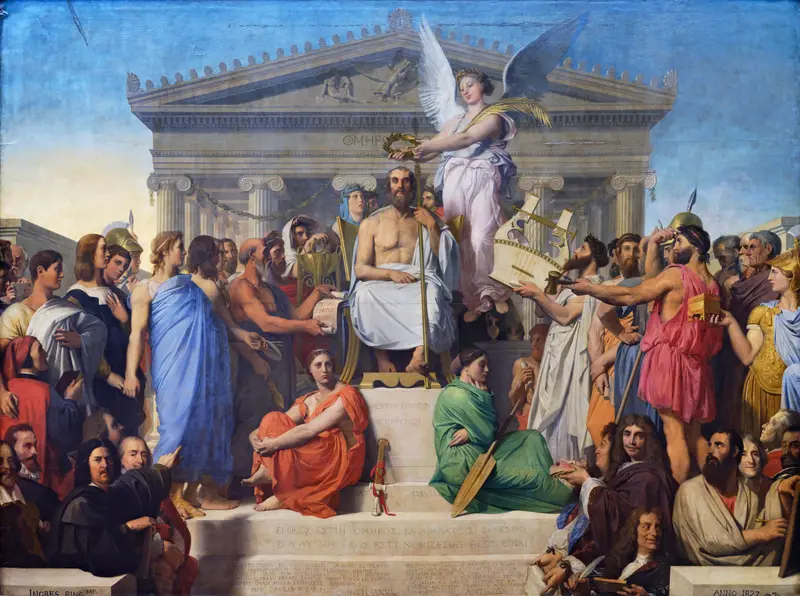
The Apotheosis of Homer
Jean Auguste Dominique Ingres





