
Le Petit Sou — History & Facts
What seizes the eye first in Le Petit Sou is not a single figure, but a surge: a woman in vivid red, mouth open in a silent cry, arm outstretched, holding shattered chains aloft. She is both beacon and alarm, her gesture slicing through the smoky dusk that presses in from the right. Around her, a mass of bodies—muscular, straining, desperate—emerges from shadow, their faces turned toward the same distant promise.
The palette is all urgency: the red of her robe, the black of the chains, the ochre sky behind a domed cityscape bristling with cannons. Steinlen’s lines are restless, every muscle and drape taut with the tension of a moment when everything is at stake. Created in 1900, this poster belongs to a world on the brink—Paris at the turn of the century, where the printed image was a weapon and a rallying cry. Such works were commissioned by newspapers, political groups, and publishers to stir the public, to give form to the struggles of the working class and the hope of revolution.
Steinlen, famed for his posters and his sympathy for the marginalized, channels the era’s feverish energy into every line. Preserved today in the Bibliothèque nationale de France, Le Petit Sou is a fragment of that age of barricades and manifestos, still pulsing with the urgency of its original call. Look again at the woman’s face: in her alarm and defiance, the whole tumult of 1900 Paris comes roaring back.
More Artworks by Théophile Alexandre Steinlen

Village et charrette
Théophile Alexandre Steinlen
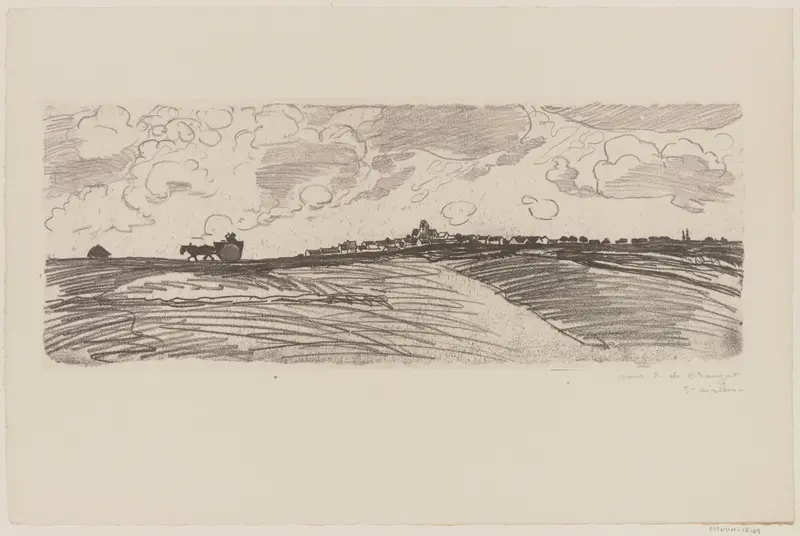
Village et charrette
Théophile Alexandre Steinlen
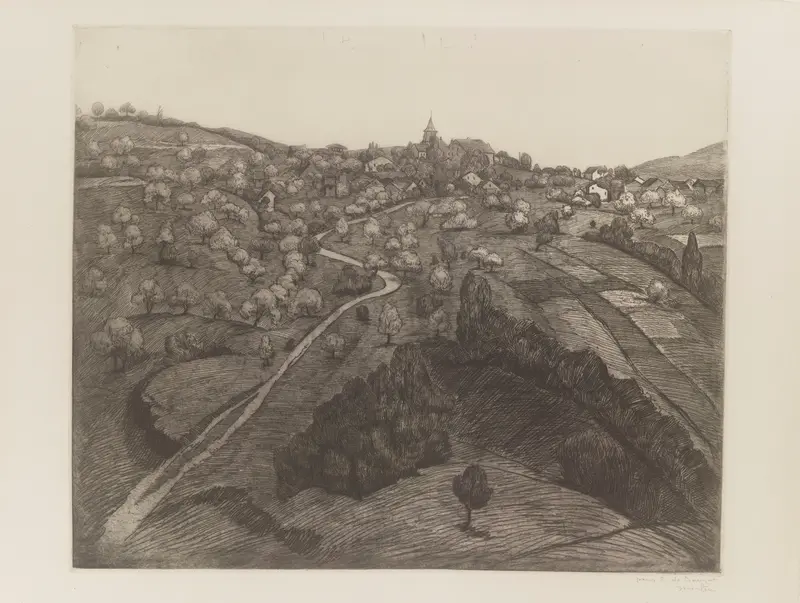
Vue de Belmont, près de Lausanne
Théophile Alexandre Steinlen
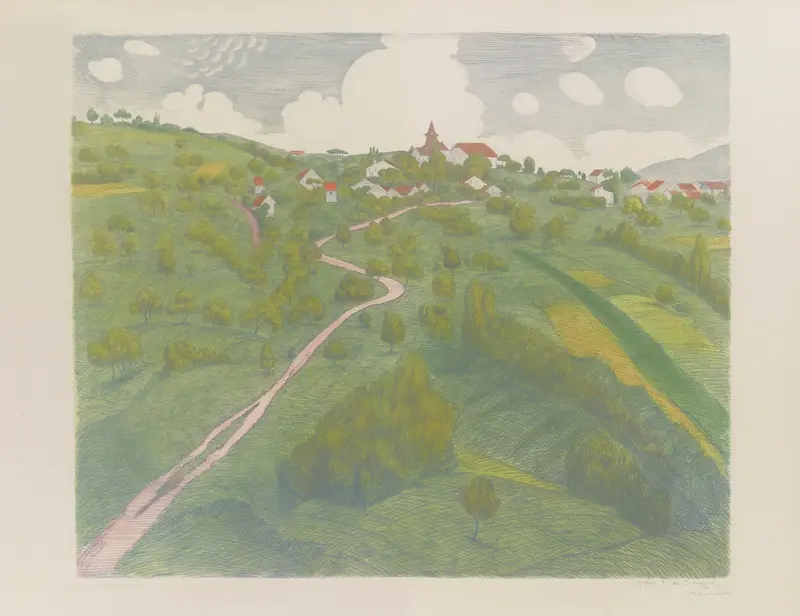
Vue de Belmont, près de Lausanne
Théophile Alexandre Steinlen
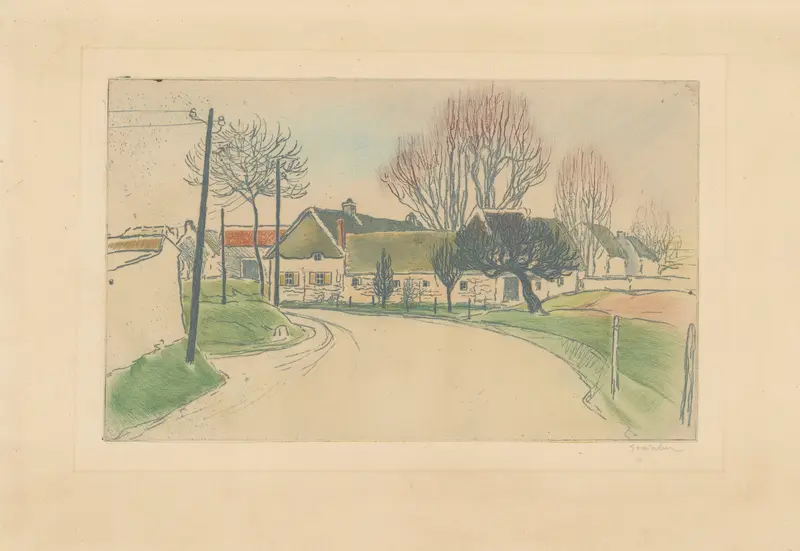
La maison à l’entrée du village
Théophile Alexandre Steinlen
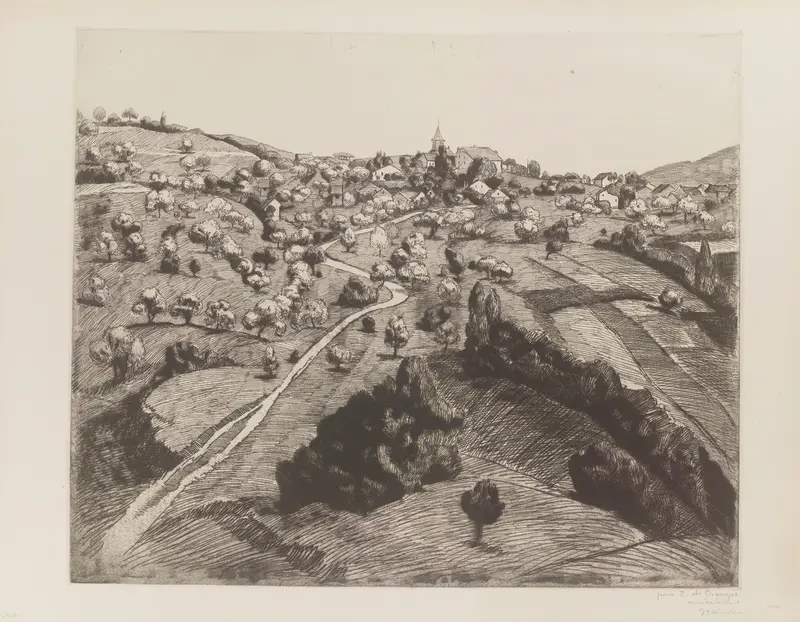
Vue de Belmont, près de Lausanne
Théophile Alexandre Steinlen
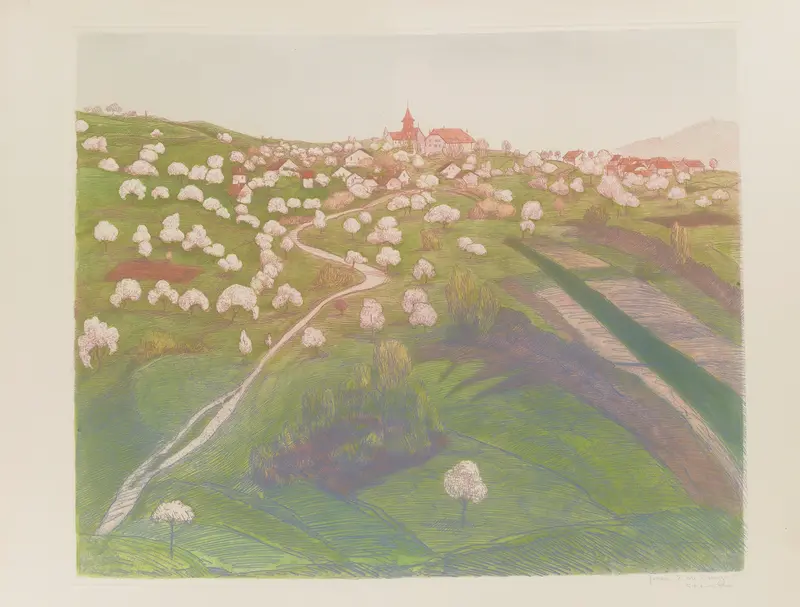
Vue de Belmont, près de Lausanne, n° 2
Théophile Alexandre Steinlen
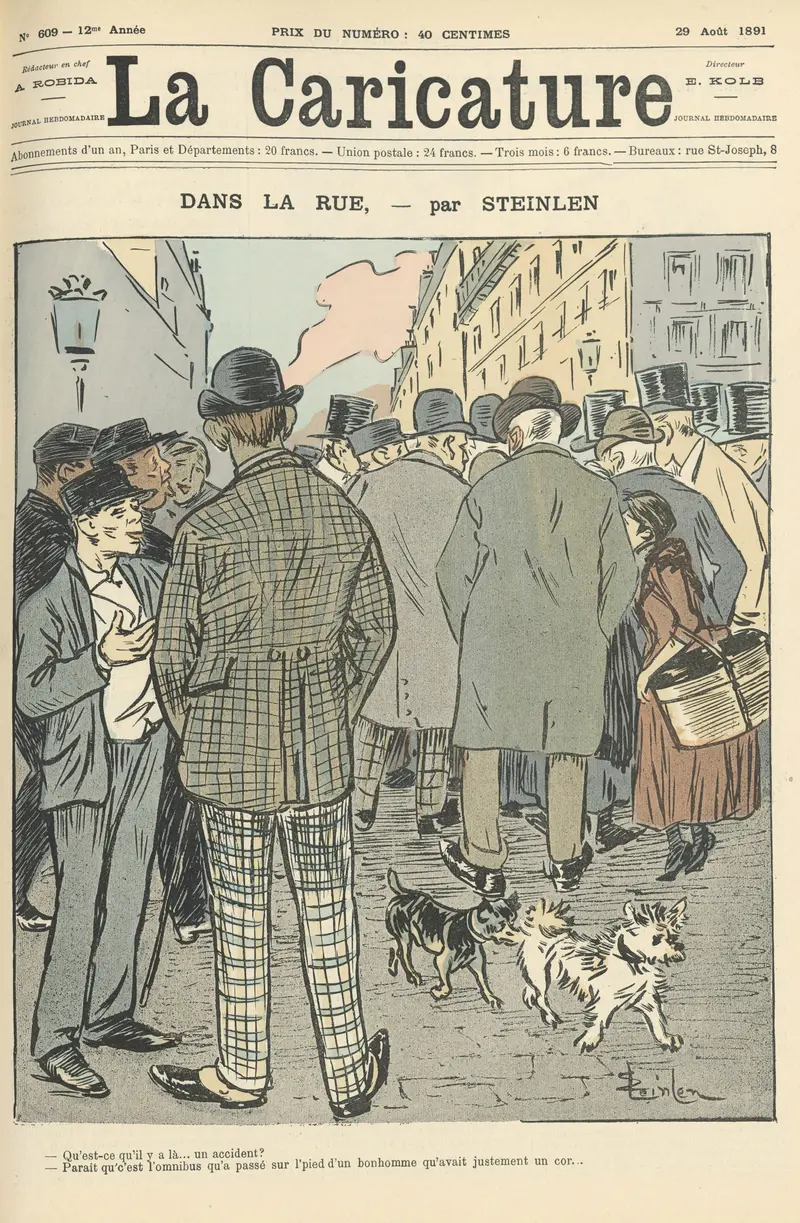
Dans la rue (La Caricature, 29 août 1891)
Théophile Alexandre Steinlen
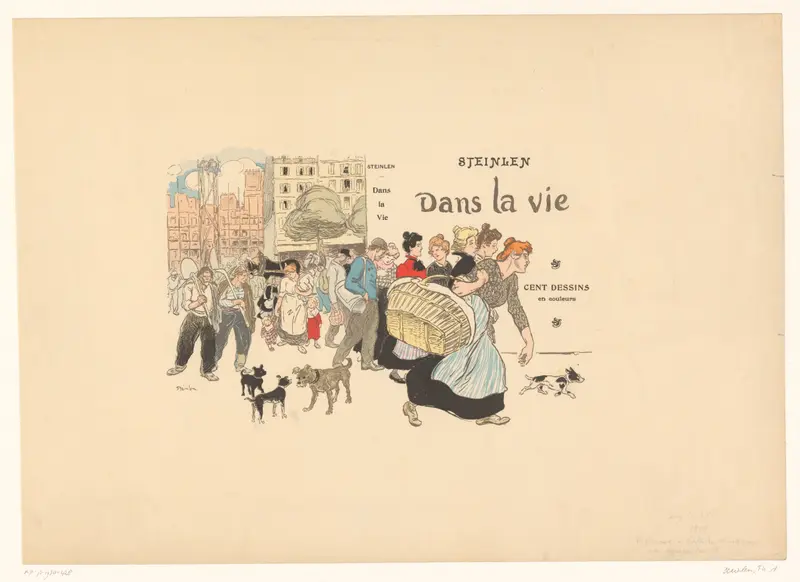
Dans la vie
Théophile Alexandre Steinlen
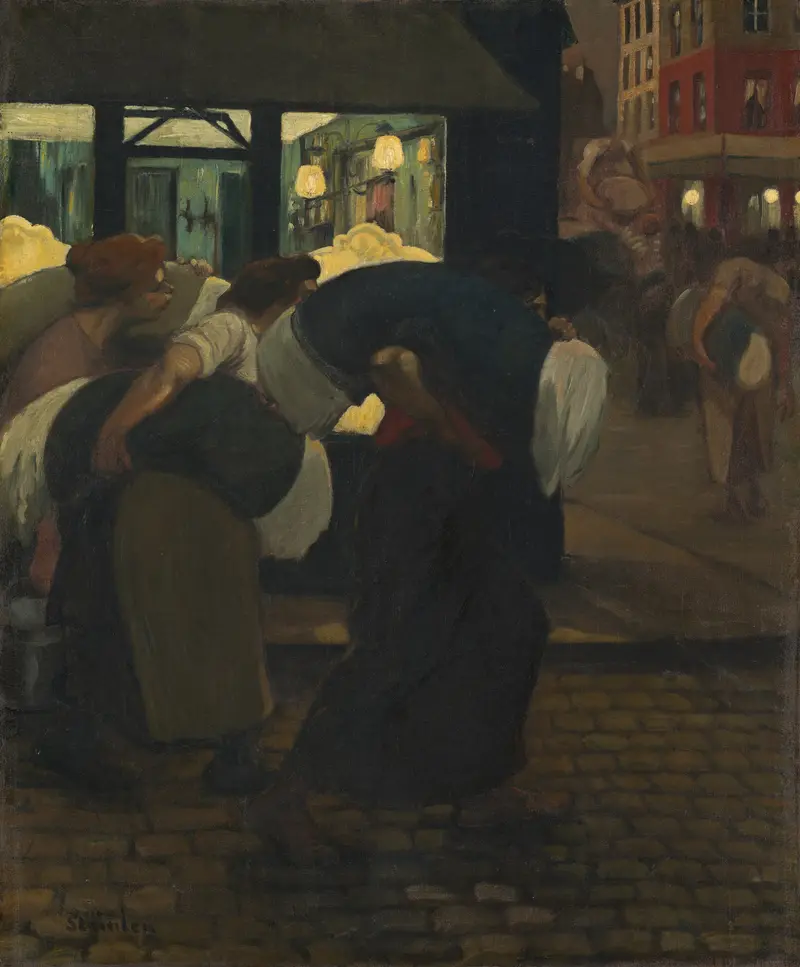
The Laundresses
Théophile Alexandre Steinlen





