
Le pont Charraud — History & Facts
In a world rushing towards modernity, creations like this capture fleeting moments that otherwise slip through our fingers. They remind us of the beauty in the transient, the sacredness in the mundane, and the stories embedded in each brushstroke. Focus first on the left side of the canvas, where the bridge arches gracefully over the water, its structure a blend of solidity and elegance. The soft blues and greens of the water contrast with the vibrant oranges and yellows of the surrounding foliage, creating a harmonious dialogue between nature and human craftsmanship.
The artist’s loose brushwork conveys a sense of movement, as if the very essence of the scene is alive, inviting viewers to breathe in the brisk air and feel the gentle ripple of the water. Hidden meanings pulse beneath the surface: the bridge symbolizes connection, while the dappled sunlight filtering through the trees suggests the interplay between light and shadow, both in nature and in life. The juxtaposition of the tranquil river and the sturdy bridge signals resilience amid change, hinting at the passage of time and the fleeting nature of beauty. Each detail echoes a larger narrative about the role of humanity in shaping the landscape. In 1897, Armand Guillaumin painted this piece amidst the rise of Impressionism, a movement that was transforming artistic expression.
Living mostly in France during a time of artistic experimentation, he found inspiration in the ordinary, capturing the ephemeral quality of light and color in his surroundings. This work reflects both his personal journey and the broader evolution of art, marking a significant moment where creation and memory intertwine.
More Artworks by Armand Guillaumin
Browse all →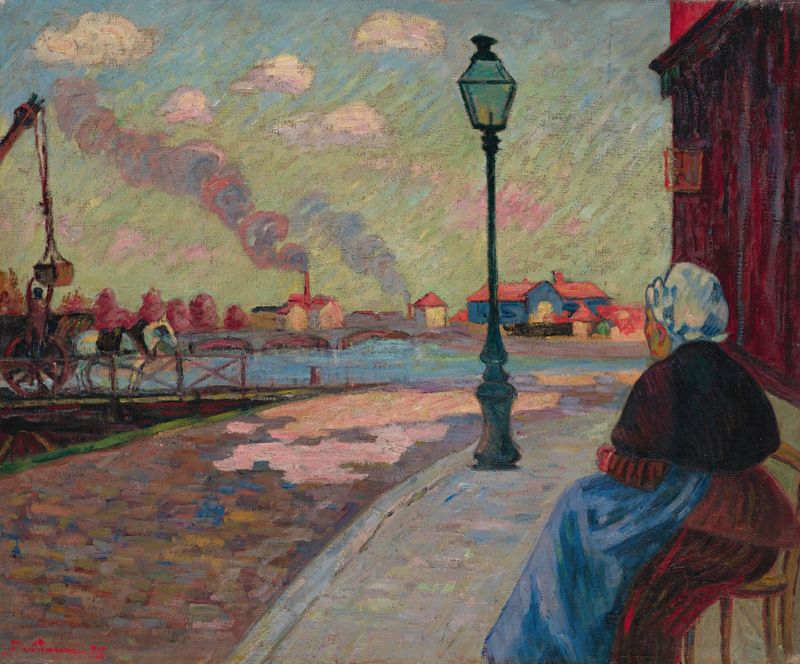
La Seine À Charenton
Armand Guillaumin
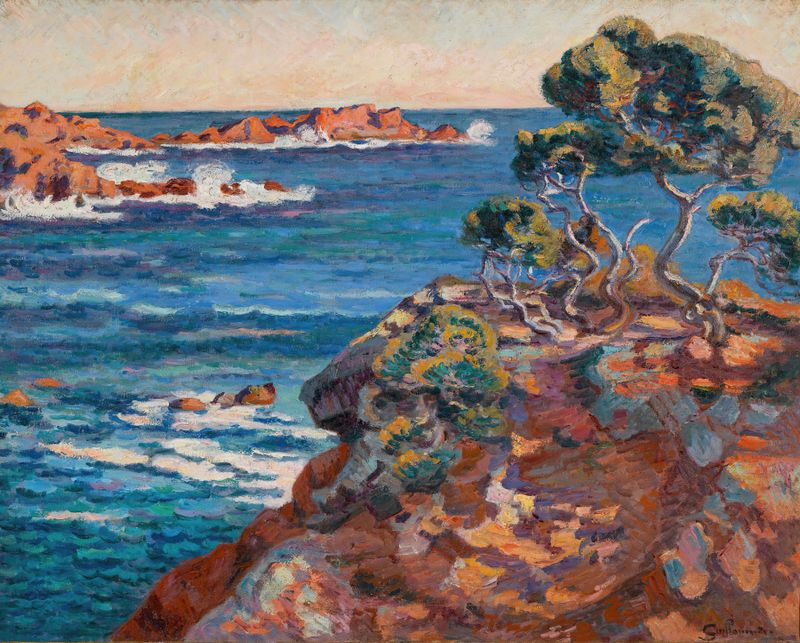
Bord De Mer À Agay
Armand Guillaumin
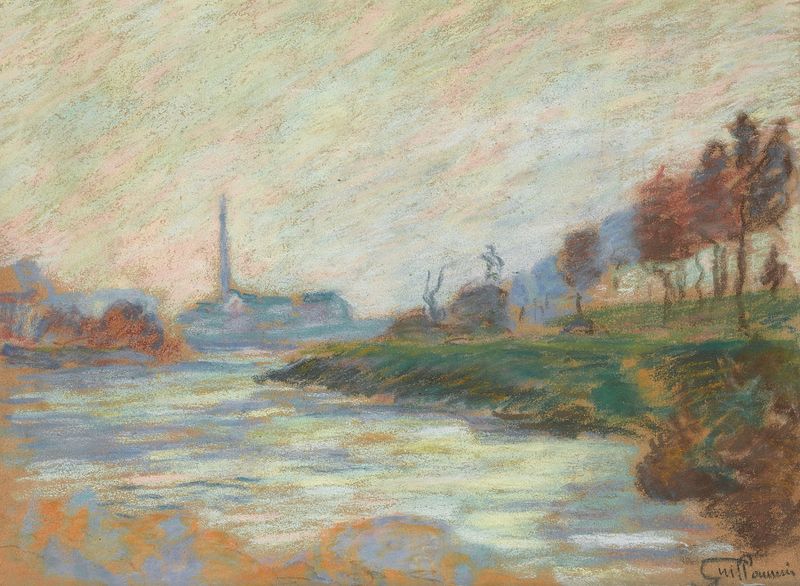
Confluent De La Marne Et De La Seine, Île De La France
Armand Guillaumin

Le Ravin de la folie, vue de Chateau Crozant
Armand Guillaumin
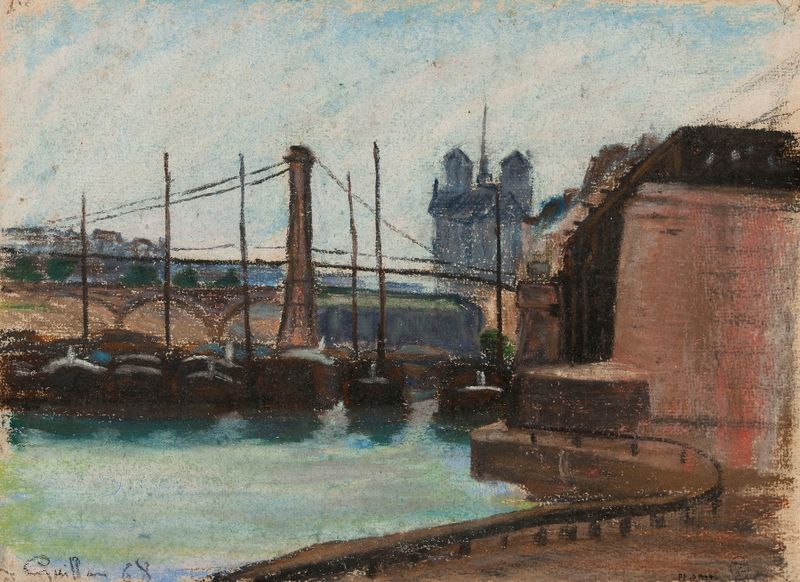
Le Pont d’Austerlitz
Armand Guillaumin

Paysage de Printemps
Armand Guillaumin
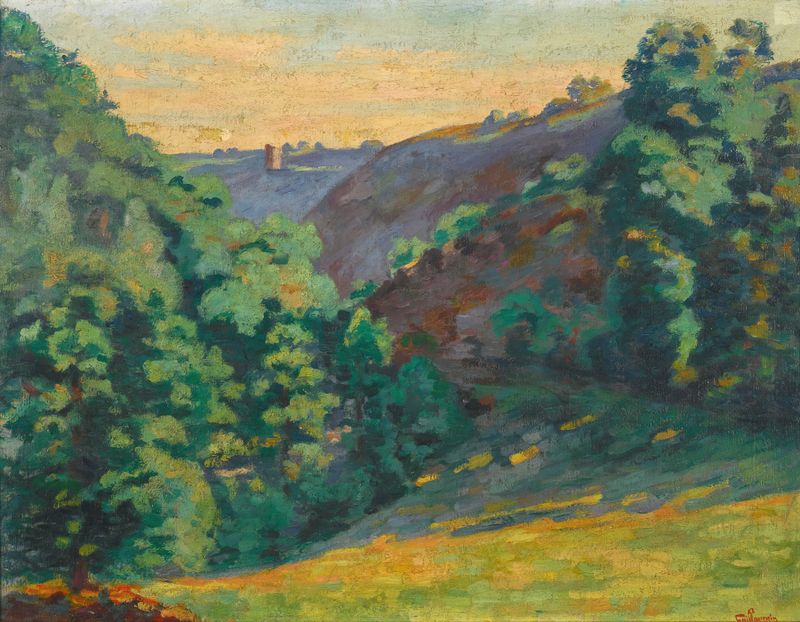
Crozant, Le Ravin De La Sedelle À La Folie
Armand Guillaumin
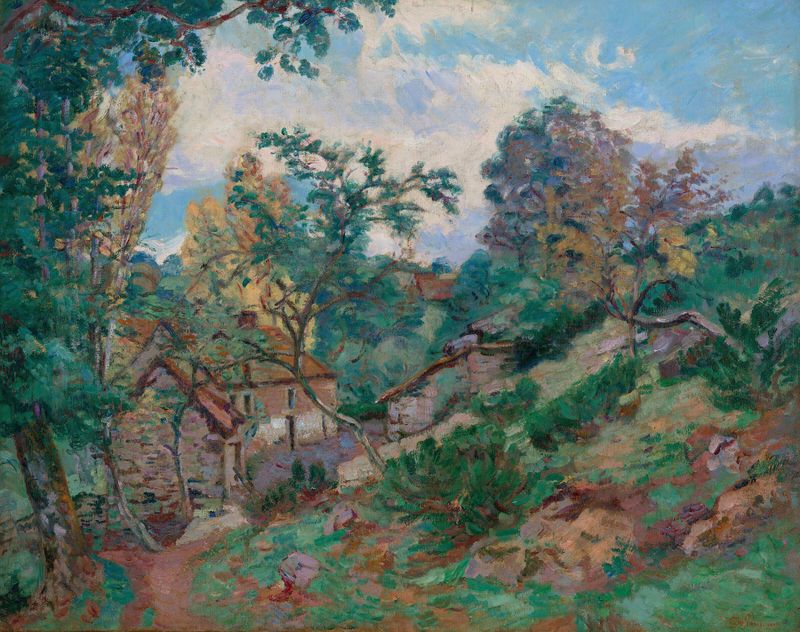
Paysage
Armand Guillaumin

La vallée de la creuse
Armand Guillaumin

L’Eglise Saint-Sulpice, Paris
Armand Guillaumin





