
Le Pont-Neuf Et La Pompe De La Samaritaine, Vus Du Quai De La Mégisserie — History & Facts
Who listens when art speaks of silence? A stillness envelops the scene, yet beneath the surface, the currents of life surge with an unspoken energy. Look to the left at the gentle curve of Le Pont-Neuf, its stone arches embracing the flowing Seine. Notice how light dances across the water’s surface, glinting like scattered jewels while casting delicate reflections that ripple outward. The muted palette harmonizes the grays and blues, evoking the tranquil atmosphere of an 18th-century Paris, yet hints at an underlying vibrancy through the subtle brushstrokes that suggest movement in the boats and figures that dot the river. Delve deeper into the details, where contrasts emerge—between the solidity of the bridge's architecture and the ephemeral nature of the passing clouds reflected in the water.
The presence of the Pompe de la Samaritaine stands as a testament to commerce and life, its silhouette looming above the flowing river, bridging past and present. These elements together create a dialogue of stability versus transience, as if the artwork captures a fleeting moment in time, inviting us to ponder the relentless march of history amidst the tranquil beauty of the landscape. In 1777, Raguenet painted this work amidst the cultural tide of Enlightenment Paris, a period marked by innovation and exploration in the arts. Living in a city where artistic expression was flourishing, Raguenet sought to convey both the serenity and liveliness of urban life.
This painting reflects not only his technical prowess but also the spirit of a city on the cusp of modernity, intertwining its historical legacy with the ever-present flow of time.
More Artworks by Nicolas Jean-Baptiste Raguenet
Browse all →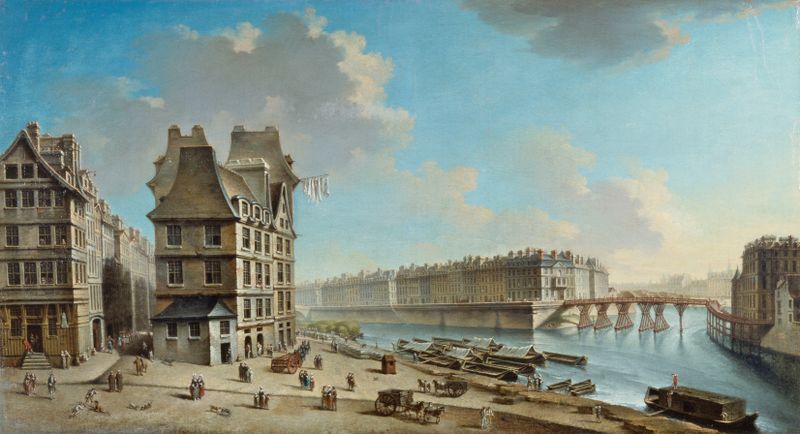
La Grève, l’Ile Saint-Louis et le Pont Rouge, vus de la place de la Grève
Nicolas Jean-Baptiste Raguenet
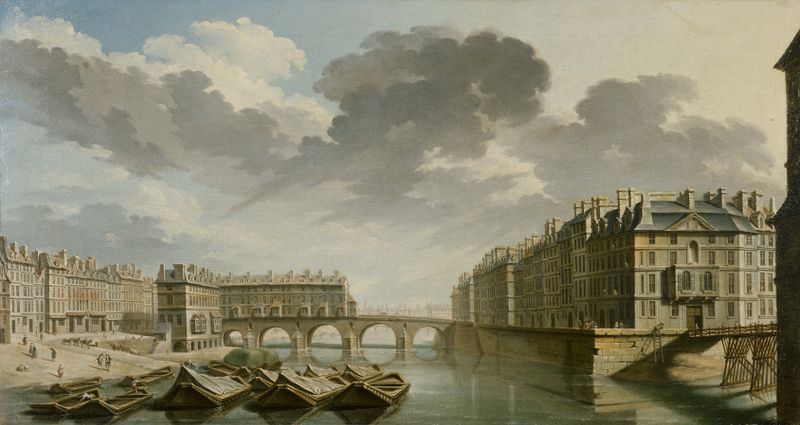
Le Quai des Ormes (actuel quai de l’Hôtel de Ville), le pont Marie et l’île Saint-Louis
Nicolas Jean-Baptiste Raguenet

Le Palais des Tuileries, vu du quai d’Orsay
Nicolas Jean-Baptiste Raguenet
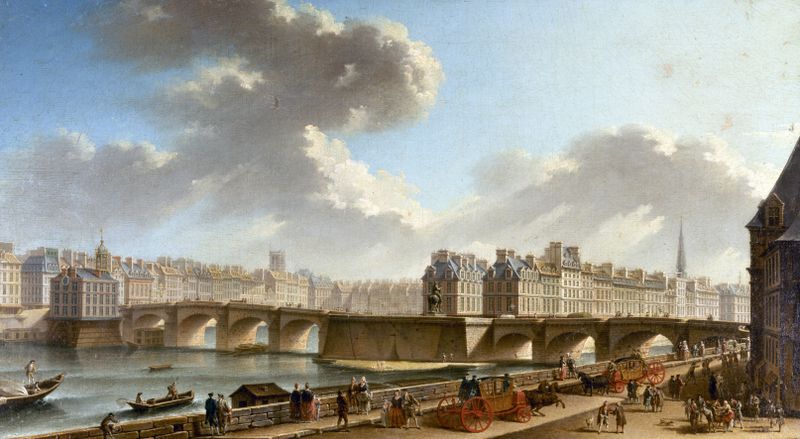
Le Pont-Neuf Et La Cité, Vus Du Quai De Conti
Nicolas Jean-Baptiste Raguenet
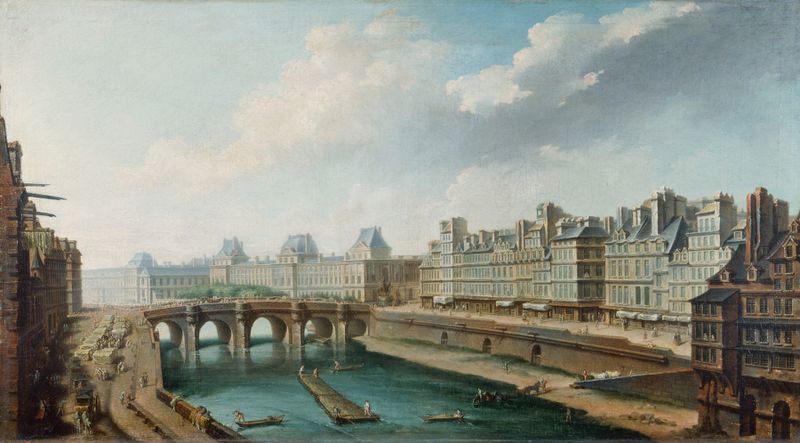
Le Louvre, le Pont-Neuf et le quai des Orfèvres, vus du quai des Grands-Augustins
Nicolas Jean-Baptiste Raguenet
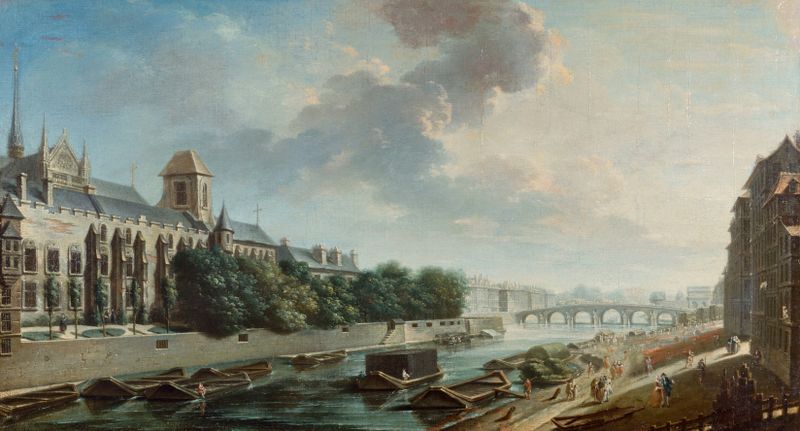
Le Palais de l’archevêché, vue de la rive gauche
Nicolas Jean-Baptiste Raguenet
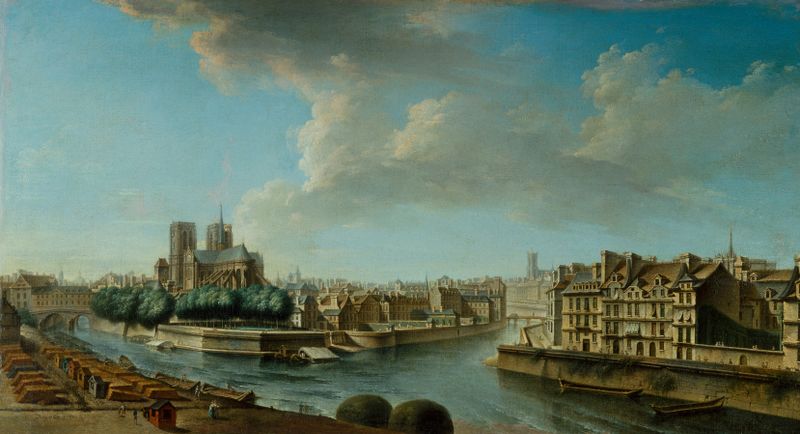
Le Chevet de Notre-Dame et la Pointe occidentale de l’Ile Saint-Louis
Nicolas Jean-Baptiste Raguenet
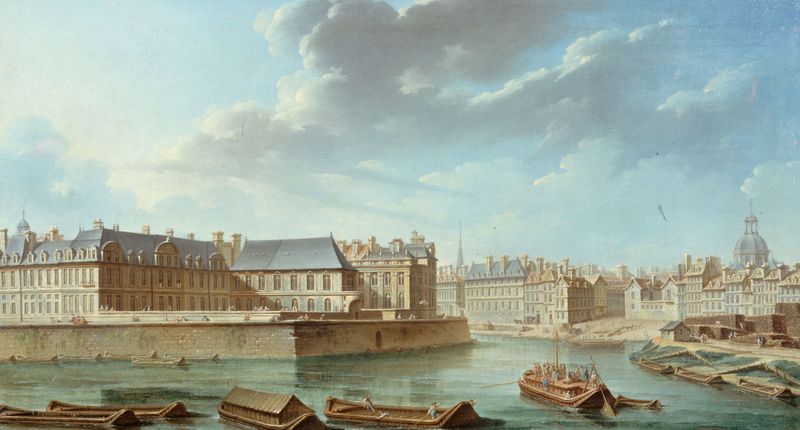
La Pointe orientale de l’île Saint-Louis, avec l’hôtel de Bretonvilliers et l’hôtel Lambert
Nicolas Jean-Baptiste Raguenet
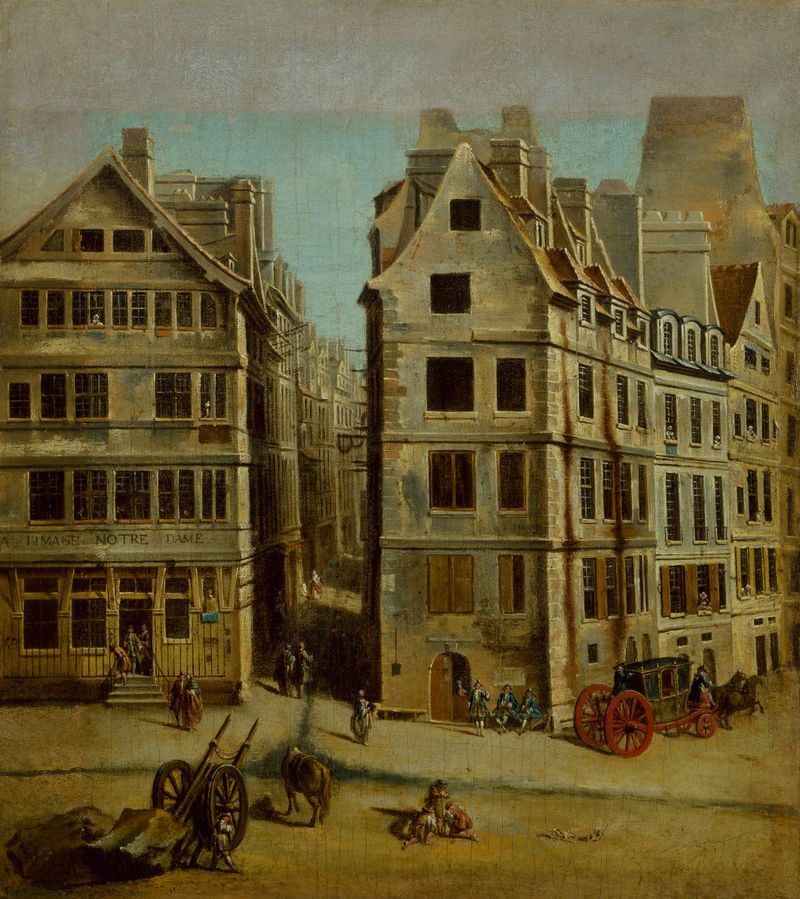
Le cabaret l’Image Notre-Dame, place de Grève, actuelle place de l’Hôtel de Ville
Nicolas Jean-Baptiste Raguenet

La joute des mariniers, entre le pont Notre-Dame et le pont au Change
Nicolas Jean-Baptiste Raguenet
More Architecture Art
Browse all →
The statue of Liberty
Frédéric Auguste Bartholdi

View of Houses in Delft, Known as ‘The Little Street’
Johannes Vermeer

View of Houses in Delft, Known as ‘The Little Street’
Johannes Vermeer

The Cathedral in Rouen. The portal, Grey Weather
Claude Monet

The yellow house
Vincent van Gogh

The Church in Auvers-sur-Oise, View from the Chevet
Vincent van Gogh