
Le puits artésien de Grenelle, (place de Breteuil) — History & Facts
In the quietude of an urban landscape, moments of revelation often lie buried beneath layers of everyday life. Begin your exploration of this artwork by focusing on the central figure of the well, a striking element around which the scene revolves. Notice how the artist employs soft, muted hues to evoke a sense of calm and nostalgia. The well stands in stark contrast to the delicate brushwork of the surrounding architecture, drawing your attention immediately.
Look closely at the play of light on the water’s surface, a subtle interplay that hints at depths beyond the physical, inviting contemplation of what lies beneath. As you delve deeper into the composition, consider how the juxtaposition of the well’s solidity against the ephemeral light speaks to the tension between permanence and transience. The gentle arching lines of the buildings surrounding the scene echo the curves of life and memory, suggesting a fleeting moment captured in time. The stillness of the environment fosters introspection, creating a space where the viewer can ponder the stories that such a well might hold, both personal and communal. In 1880, Lépine was immersed in the burgeoning Impressionist movement, capturing everyday Parisian life with a fresh perspective.
Working primarily in the city, he sought to display the beauty of ordinary scenes through innovative techniques. This piece reflects his desire to reveal the hidden narratives of urban existence, demonstrating not only his artistic prowess but also how the city itself becomes a silent witness to the lives that unfold around it.
More Artworks by Stanislas Lépine
Browse all →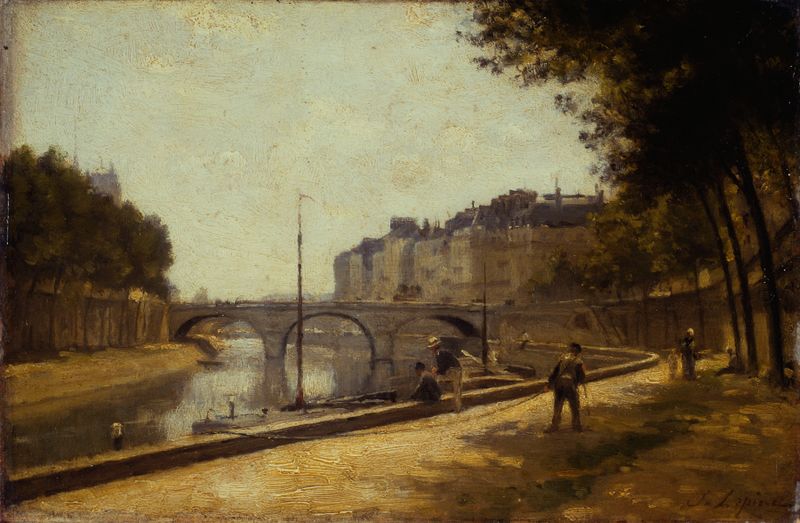
Le pont Saint-Michel
Stanislas Lépine
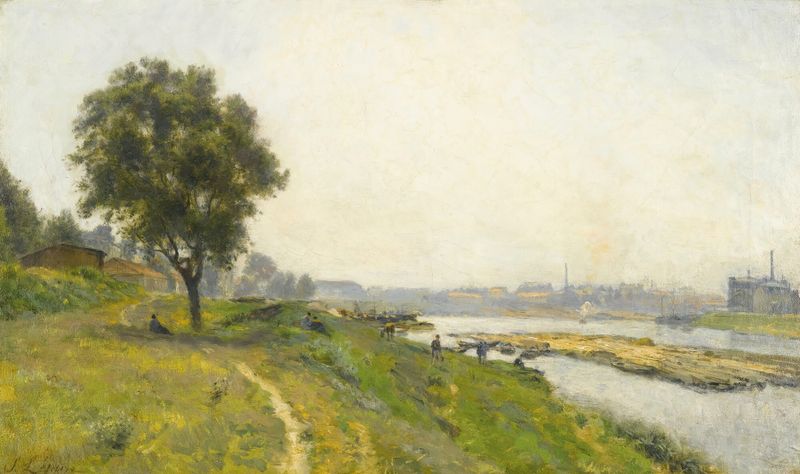
Ivry-Sur-Seine. Le Confluent Avec La Marne
Stanislas Lépine

View on the Seine, Paris
Stanislas Lépine
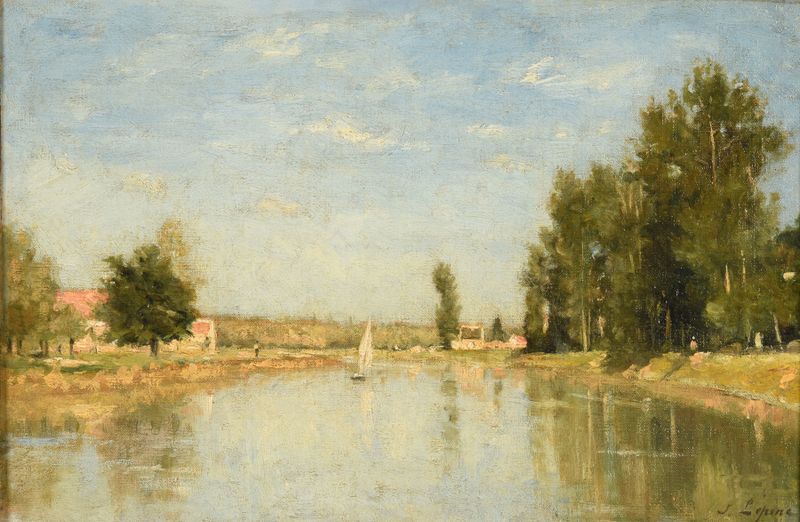
Les Bords de la Marne
Stanislas Lépine

L’île de la Cité et l’île Saint-Louis, vues du pont d’Austerlitz
Stanislas Lépine
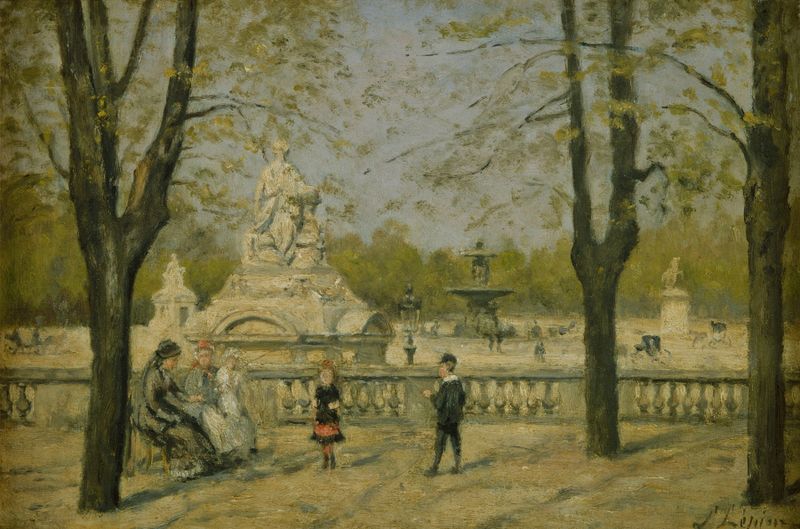
La place de la Concorde, vue de la terrasse des Tuileries
Stanislas Lépine
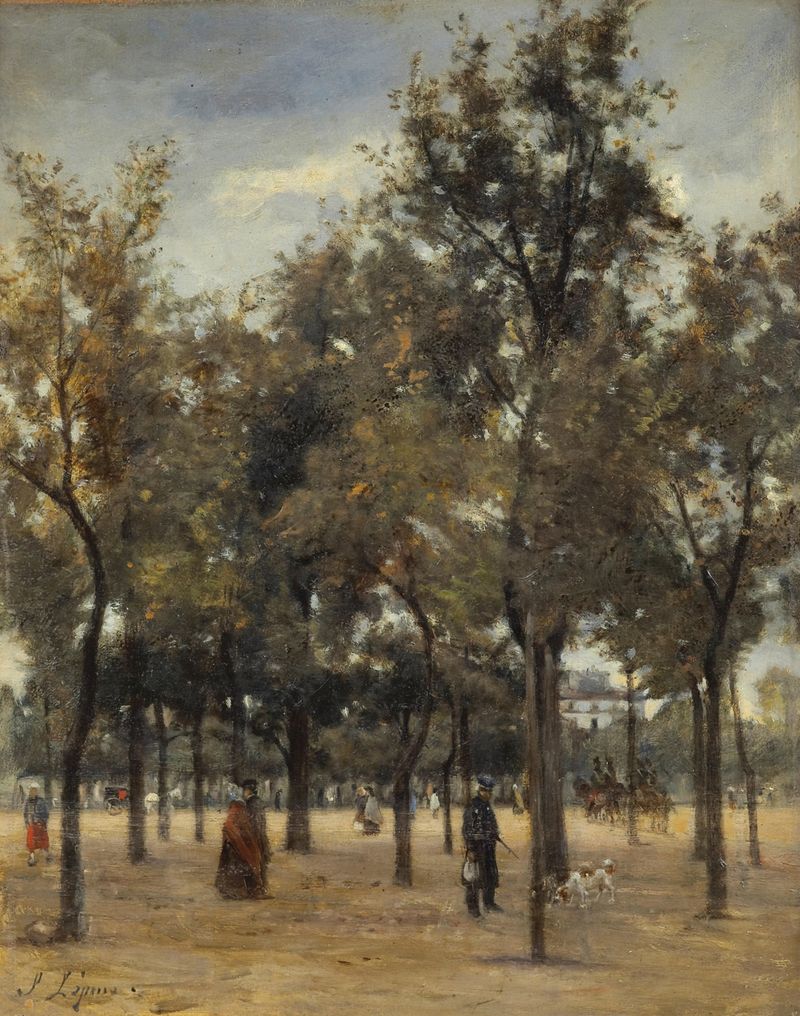
L’esplanade des Invalides
Stanislas Lépine
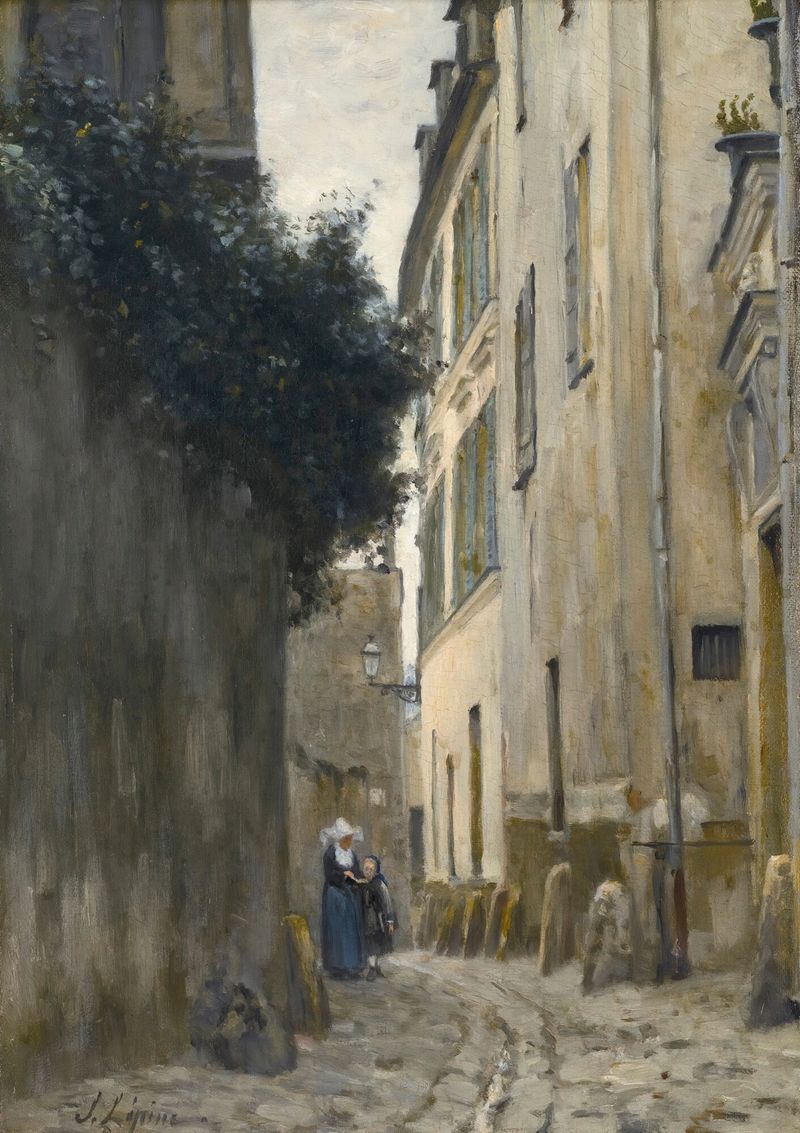
Montmartre. La Rue Saint-Vincent
Stanislas Lépine

Le Bassin de la Villette en hiver
Stanislas Lépine
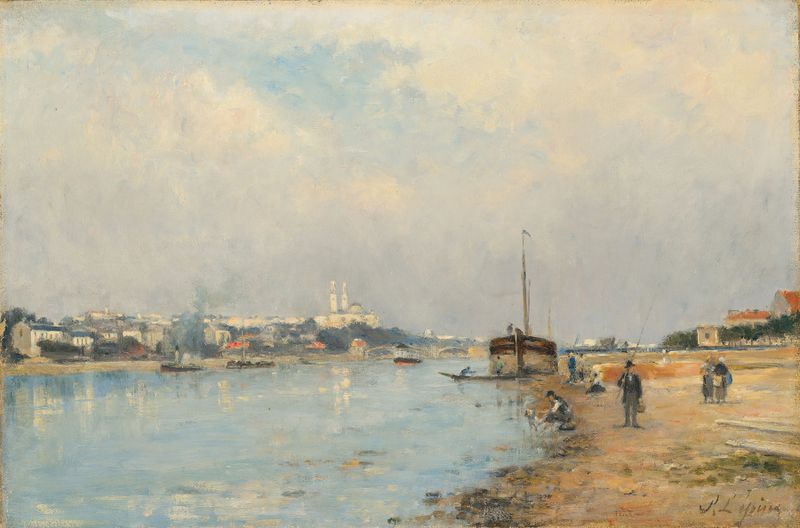
La Seine. Le Trocadéro et le pont de Grenelle, vus du quai de Javel
Stanislas Lépine





