
Le puits de Bethesda — History & Facts
Nostalgia clings to us like a whisper, a longing for moments lost yet vividly alive in memory. Focus your gaze on the gentle curves of the well that dominates the scene, its stonework both sturdy and imbued with the soft hues of time. Notice how the warm earth tones mingle with the cool blues of the water, creating a serene contrast that invites reflection. The light filters through the surrounding foliage, casting dappled shadows that dance upon the surface, evoking a sense of tranquility and reverence for the past. The well, a silent witness to countless stories, suggests layers of human experience — a thirst quenched, secrets whispered, or perhaps a moment of quiet contemplation.
The surrounding greenery, lush yet restrained, serves as a reminder of nature’s embrace, hinting at the bittersweet nature of nostalgia itself, where joy and sorrow intertwine. Each brushstroke caresses the scene with intimacy, infusing it with an emotional weight that resonates deeply within the viewer. In 1852, François Stroobant crafted this work during a time of burgeoning Romanticism in France, a movement characterized by its emphasis on emotion and nature. As artists sought to capture the essence of everyday life and the beauty of fleeting moments, he found inspiration in the modest yet profound setting of the Bethesda well.
This period marked a transition in art where realism began to embrace the emotional landscape, allowing viewers to connect more profoundly with the narrative woven through the colors and forms.
More Artworks by François Stroobant
Browse all →
Interior of the church of Notre Dame du Sablon at Brussels
François Stroobant
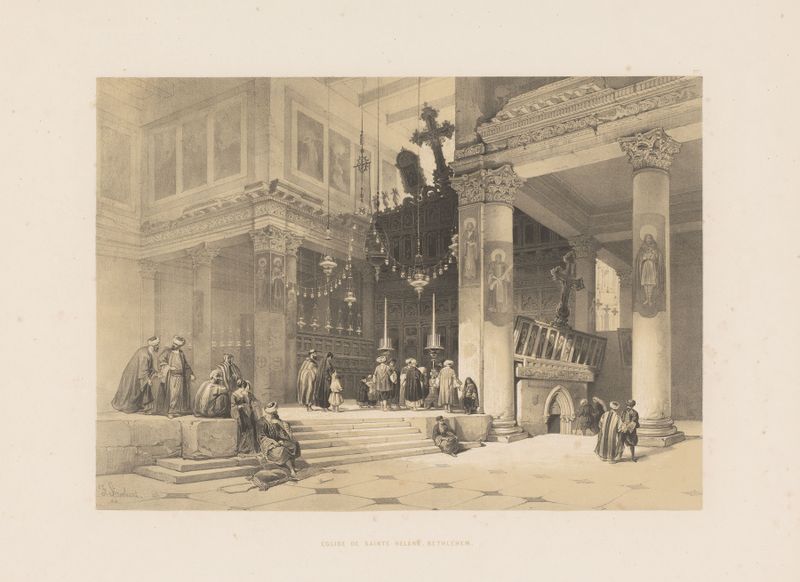
Église de sainte Hélène. Bethléhem
François Stroobant
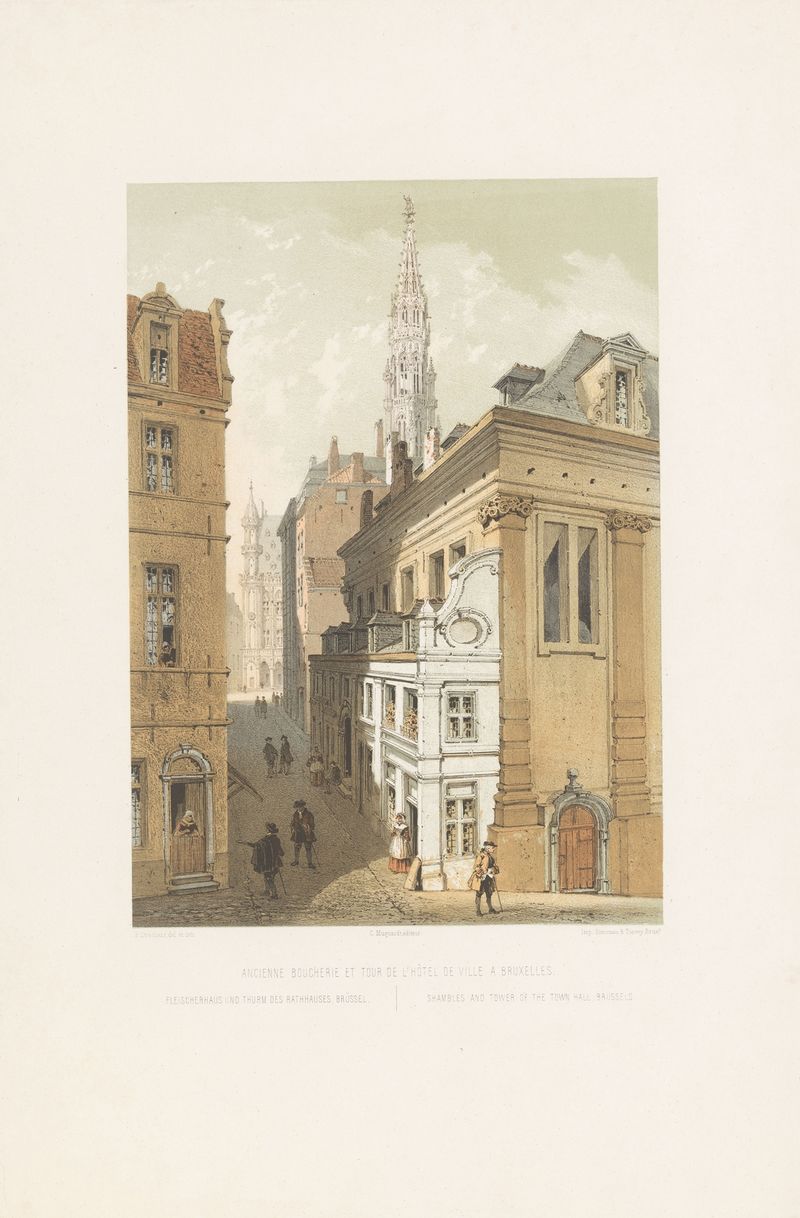
Shambles and tower of the town hall, Brussels
François Stroobant

Intérieur de l’église Grecque du Saint-Sépulcre
François Stroobant
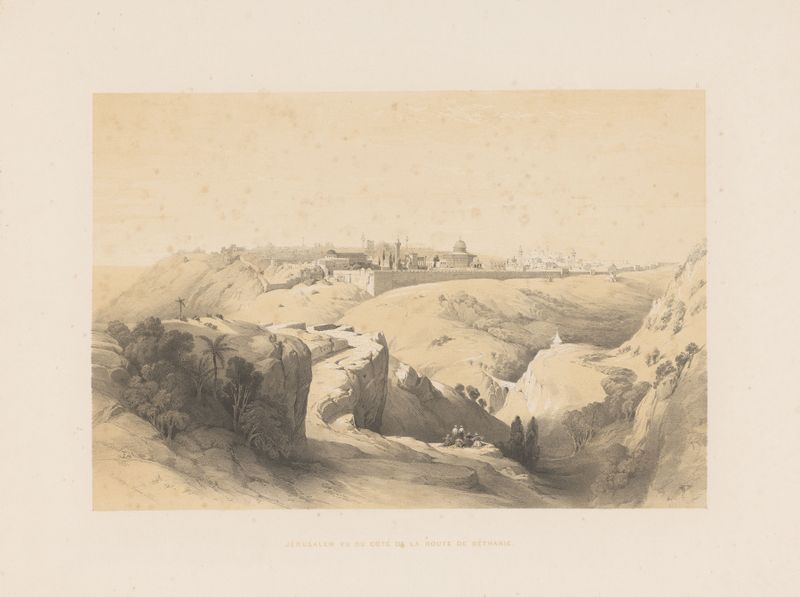
Jérusalem vu du coté de la route de Béthanie
François Stroobant

Le tabernacle du Saint-Sépulcre
François Stroobant

Town hall Brussels
François Stroobant

Fontaine de Jacob à Sichem
François Stroobant
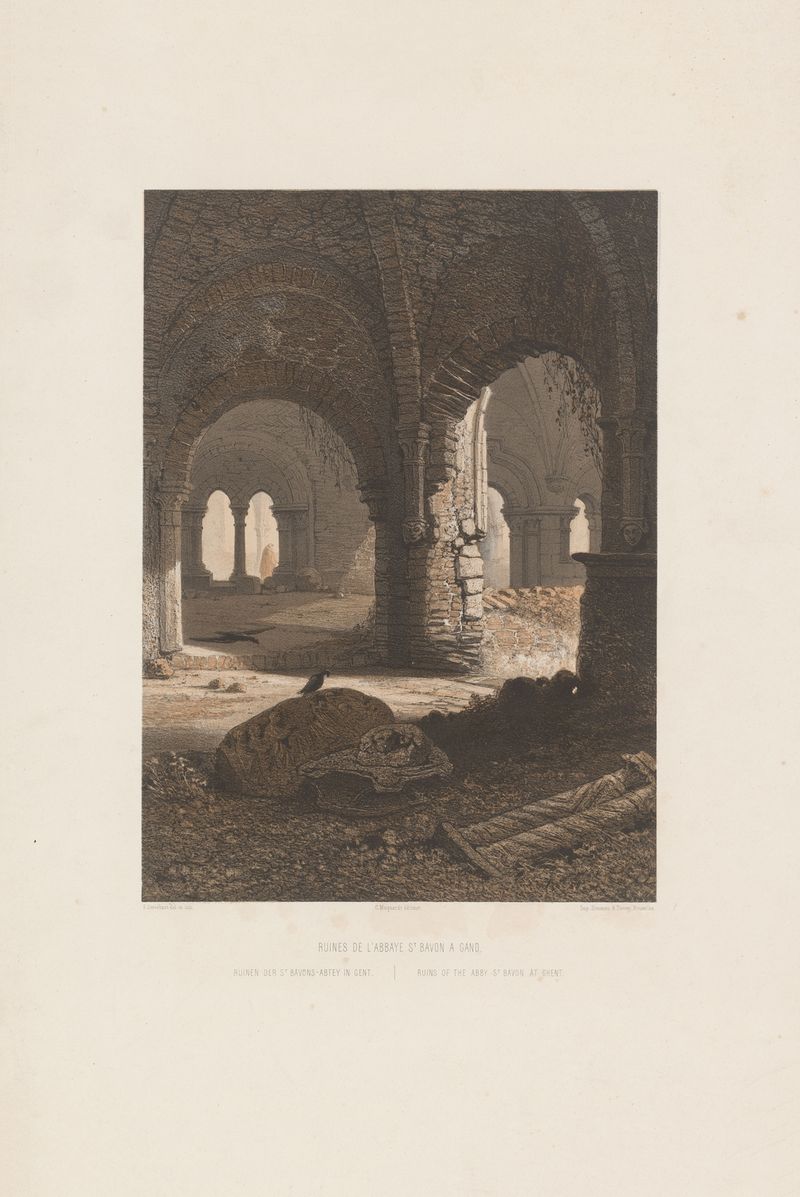
Ruins of the abby St Bavon at Ghent
François Stroobant

Vue de Naplouse
François Stroobant





