Le Rio de la Salute — History & Facts
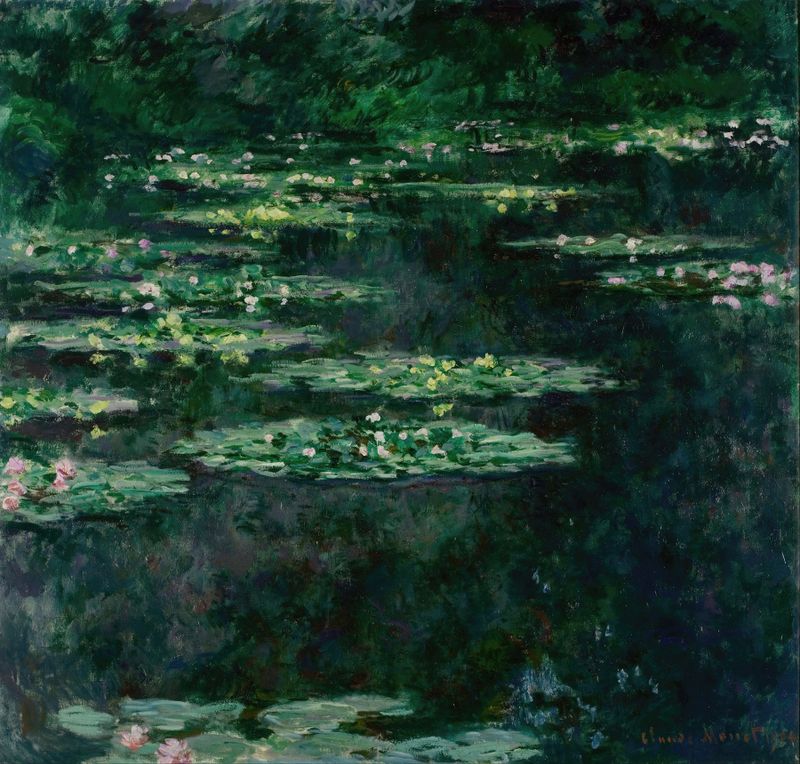
When did color learn to lie? In the world of Monet's brushstrokes, every hue is a truth waiting to be unveiled, yet each carries the weight of interpretation and illusion. Focus on the shimmering surface of the water, where the reflections dance with an almost hypnotic quality. The vibrant blues and greens blend seamlessly, creating a harmony that feels both serene and dynamic. Notice how the gentle strokes lead the eye towards the enchanting silhouette of the Salute, its domed roof mirroring the sky’s soft palette.
The interplay of light and shadow emphasizes balance, inviting you to linger on the edges where reality and imagination converge. Delve deeper into the painting, and you’ll discover the tension between stillness and movement. The boats, appearing almost weightless, glide along the canal’s edge, suggesting a fleeting moment caught between time. The warm tones of the buildings contrast with the coolness of the water, speaking to the dualities of urban life and nature's tranquility.
This juxtaposition encapsulates the essence of the scene—a moment suspended in balance, where the vibrancy of life meets the calm of reflection. In the summer of 1908, Monet painted this piece from his studio in Giverny, a time when he was fully immersed in his exploration of light and color. The Impressionist movement had already taken root, and he was focusing on capturing the ephemeral qualities of his surroundings. As the world transitioned into modernity, his work reflected both a celebration of beauty and a poignant reminder of the delicate equilibrium found within nature.