Le Saule — History & Facts
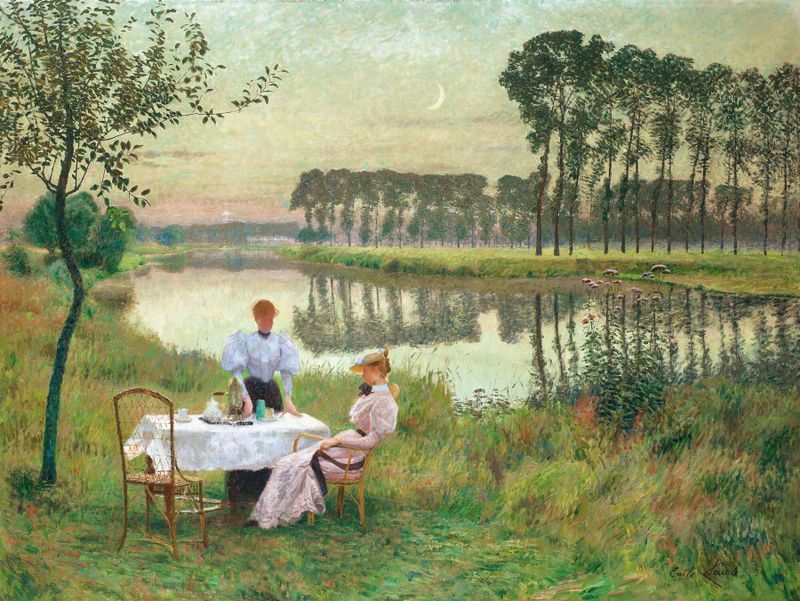
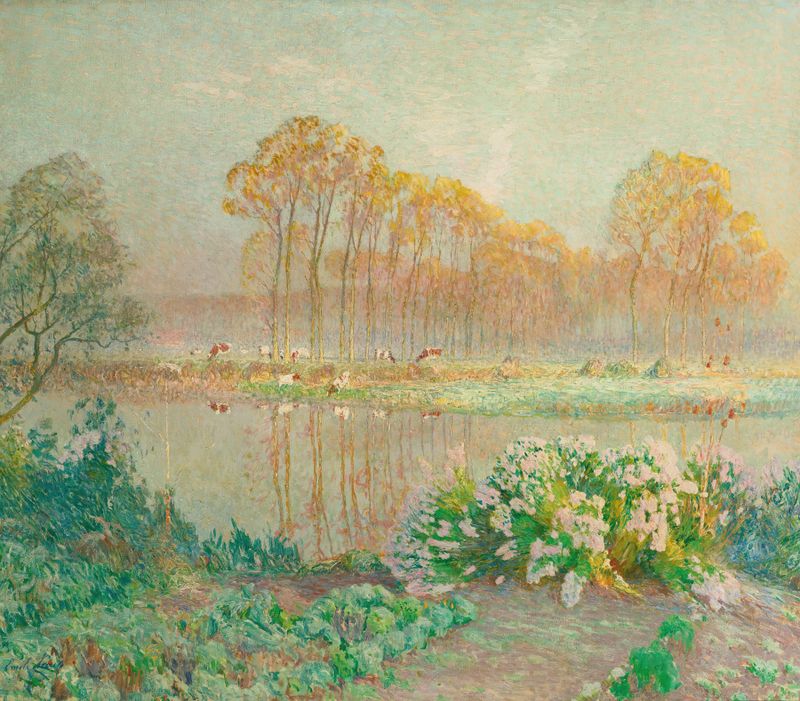
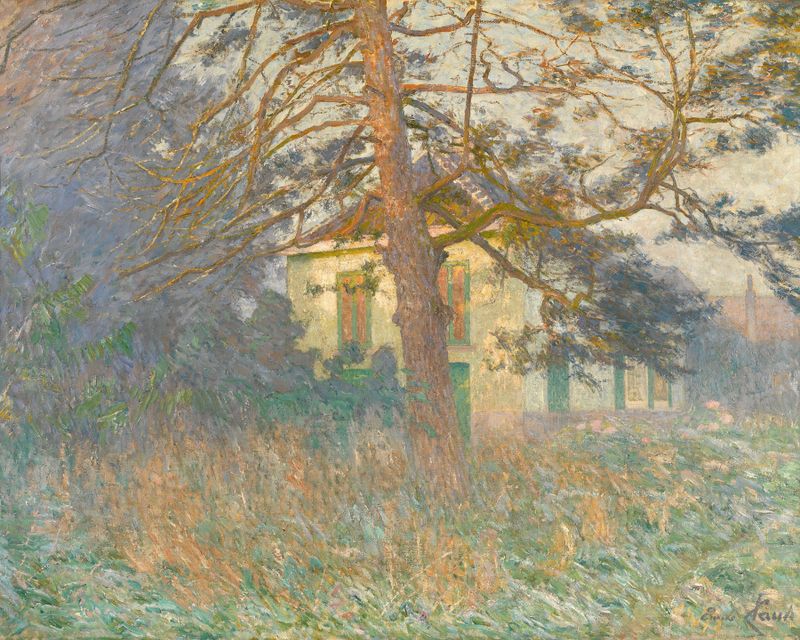
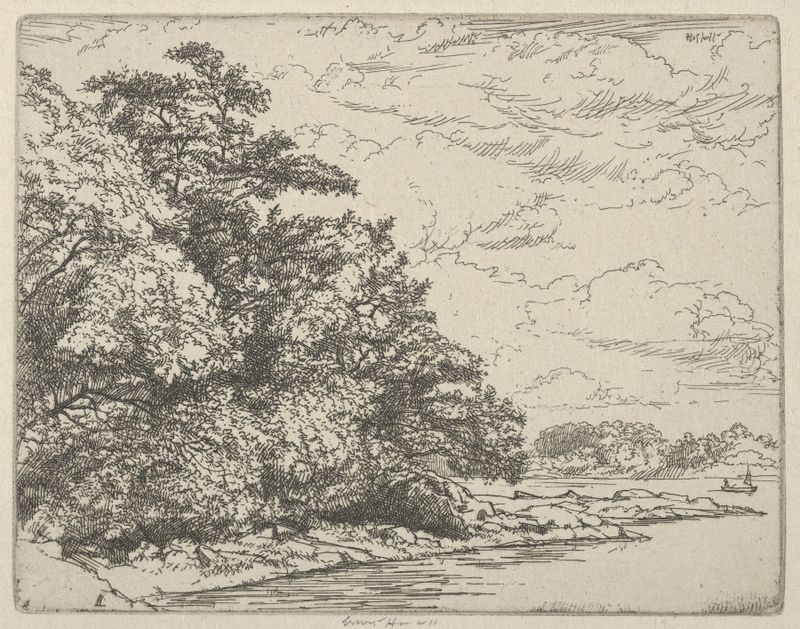
Within its stillness lies a pulse of longing, a silent yearning captured in paint. Look to the left at the weeping willow, its gnarled branches cascading down like soft threads weaving into the earth. The delicate greens and rich browns breathe life, while a tender light filters through the foliage, casting dappled shadows on the tranquil water below. This harmonious interplay of color and form invites you to linger, to explore the emotions held within each brushstroke. As your gaze travels, notice the ripples in the water — a subtle yet profound reminder of disturbances beneath the surface.
The willow, a symbol of both protection and sorrow, stands sentinel over the scene, embodying the tension between desire and restraint. The gentle hues evoke a feeling of nostalgia, while the interplay of light and dark hints at the bittersweet nature of longing, suggesting that not all desires are fulfilled. Created in the late 19th century, this work emerged from the heart of Belgium, a time when the artist was exploring the depths of Impressionism. Claus was deeply influenced by the changing landscapes of his homeland and the emotional resonance of nature.
At this moment, he was refining his techniques and expanding his vision, capturing not just the physical beauty around him but also the intimacy of human emotion woven into the fabric of the natural world.